Nicholas Agar – författare
Visar alla böcker från författaren Nicholas Agar. Handla med fri frakt och snabb leverans.
23 produkter
Sceptical Optimist
Why technology isn't the answer to everything
E-bok, 2015
171 kr
Lägg i varukorg
The rapid developments in technologies -- especially computing and the advent of many ''smart'' devices, as well as rapid and perpetual communication via the Internet -- has led to a frequently voiced view which Nicholas Agar describes as ''radical optimism''. Radical optimists claim that …
Sceptical Optimist
Why technology isn't the answer to everything
E-bok, 2015
171 kr
Lägg i varukorg
The rapid developments in technologies -- especially computing and the advent of many ''smart'' devices, as well as rapid and perpetual communication via the Internet -- has led to a frequently voiced view which Nicholas Agar describes as ''radical optimism''. Radical optimists claim that …
The Sceptical Optimist
Why technology isn't the answer to everything
Inbunden, 2015
390 kr
Lägg i varukorg
The rapid developments in technologies -- especially computing and the advent of many 'smart' devices, as well as rapid and perpetual communication via the Internet -- has led to a frequently voiced view which Nicholas Agar describes as 'radical optimism'. Radical optimists claim that accelerating …
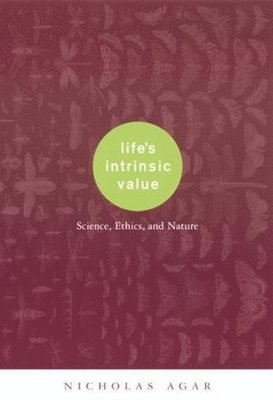
Life's Intrinsic Value
Science, Ethics, and Nature
Inbunden, 2001
1037 kr
Lägg i varukorg
Are bacteriophage T4 and the long-nosed elephant fish valuable in their own right? Nicholas Agar defends an affirmative answer to this question by arguing that anything living is intrinsically valuable. This claim challenges received ethical wisdom according to which only human beings are valuable …
Life's Intrinsic Value
Science, Ethics, and Nature
Häftad, 2001
265 kr
Lägg i varukorg
Are bacteriophage T4 and the long-nosed elephant fish valuable in their own right? Nicholas Agar defends an affirmative answer to this question by arguing that anything living is intrinsically valuable. This claim challenges received ethical wisdom according to which only human beings are valuable …
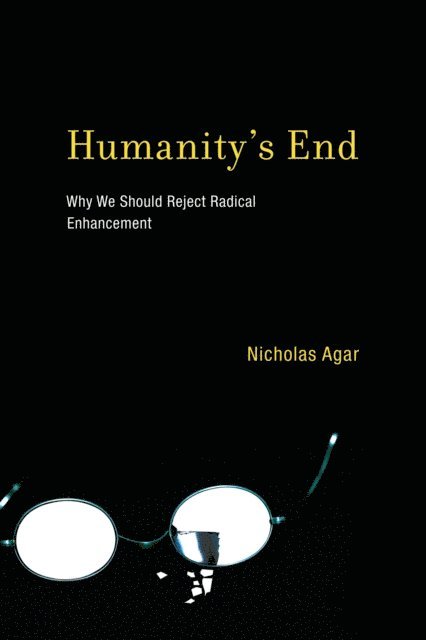
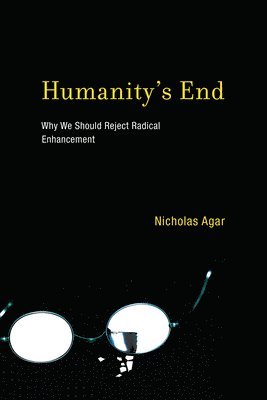
Humanity's End
E-bok, 2010
477 kr
Lägg i varukorg
An argument that achieving millennial life spans or monumental intellects will destroy values that give meaning to human lives. Proposals to make us smarter than the greatest geniuses or to add thousands of years to our life spans seem fit only for the spam folder or trash can. And yet this is what …
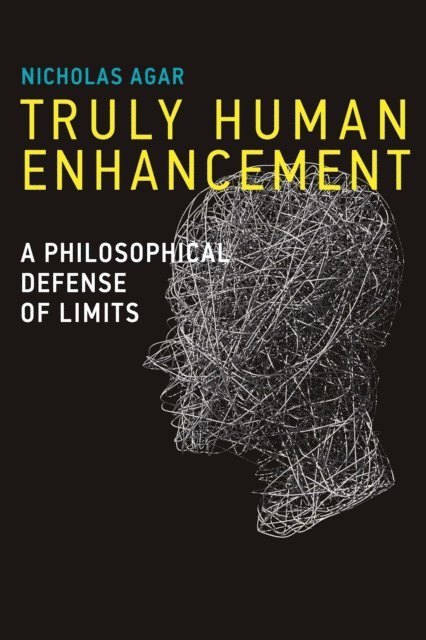
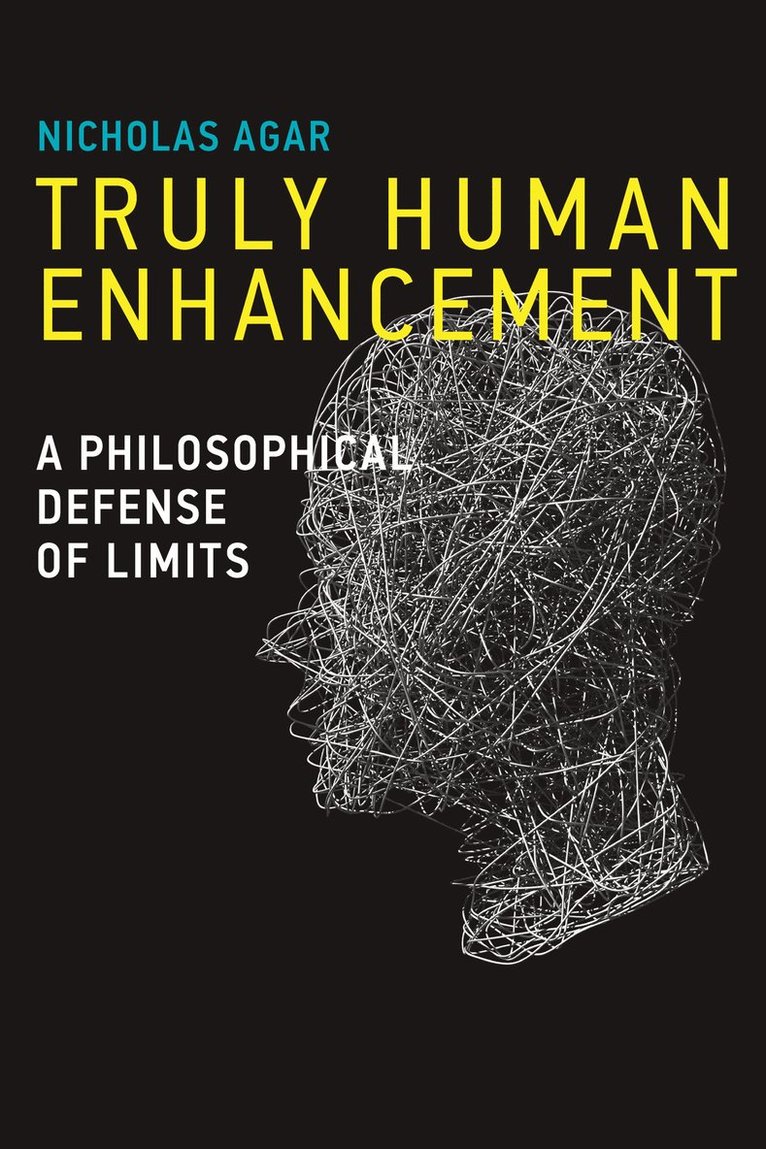
Truly Human Enhancement
E-bok, 2013
615 kr
Lägg i varukorg
A nuanced discussion of human enhancement that argues for enhancement that does not significantly exceed what is currently possible for human beings. The transformative potential of genetic and cybernetic technologies to enhance human capabilities is most often either rejected on moral and …
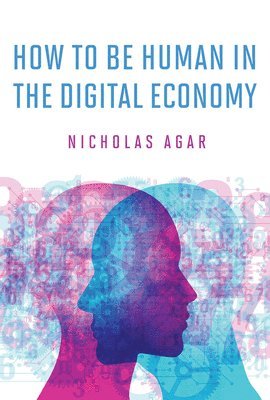
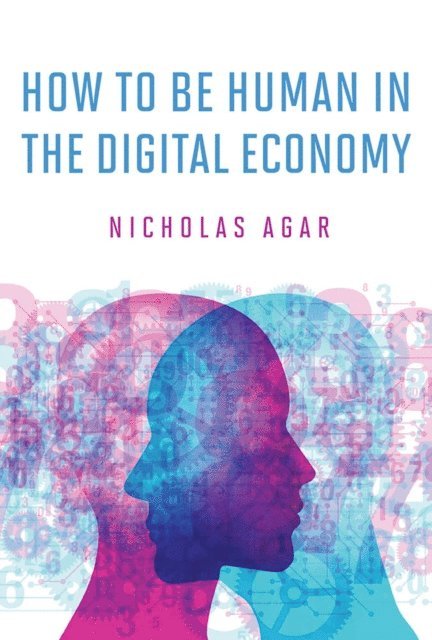
How to Be Human in the Digital Economy
E-bok, 2019
328 kr
Lägg i varukorg
An argument in favor of finding a place for humans (and humanness) in the future digital economy. In the digital economy, accountants, baristas, and cashiers can be automated out of employment; so can surgeons, airline pilots, and cab drivers. Machines will be able to do these jobs more …
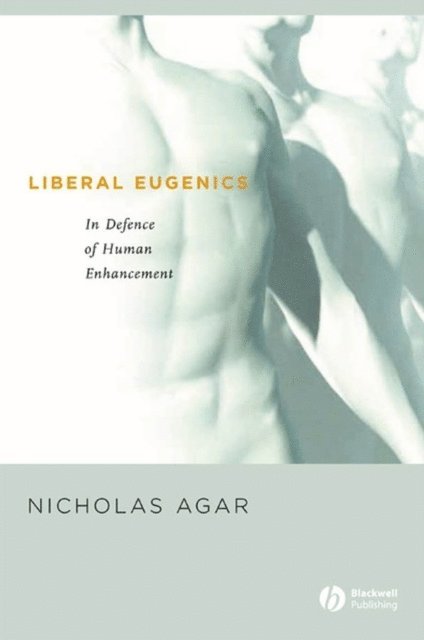
Liberal Eugenics
In Defence of Human Enhancement
E-bok, 2008
489 kr
Lägg i varukorg
In this provocative book, philosopher Nicholas Agar defends the idea that parents should be allowed to enhance their children’s characteristics. Gets away from fears of a Huxleyan ‘Brave New World’ or a return to the fascist eugenics of the past Written from a philosophically and scientifically …
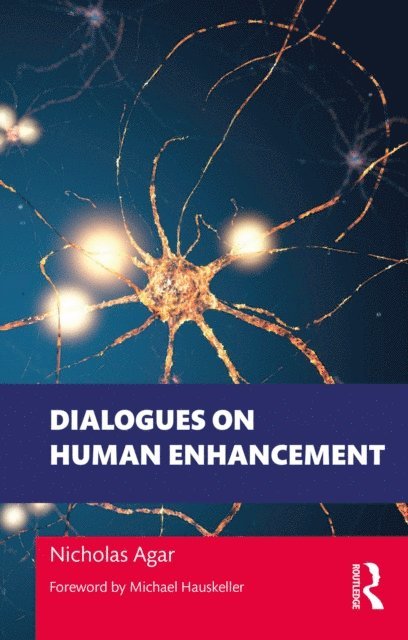
Dialogues on Human Enhancement
E-bok, 2023
693 kr
Lägg i varukorg
We face an emerging range of technologies that can be applied to our human natures with the goal of enhancing us. There are nootropic smart drugs and gene editing that influence the development of the brain. The near future promises cybernetic technologies that can be grafted onto our brains and …
Dialogues on Human Enhancement
E-bok, 2023
693 kr
Lägg i varukorg
We face an emerging range of technologies that can be applied to our human natures with the goal of enhancing us. There are nootropic smart drugs and gene editing that influence the development of the brain. The near future promises cybernetic technologies that can be grafted onto our brains and …
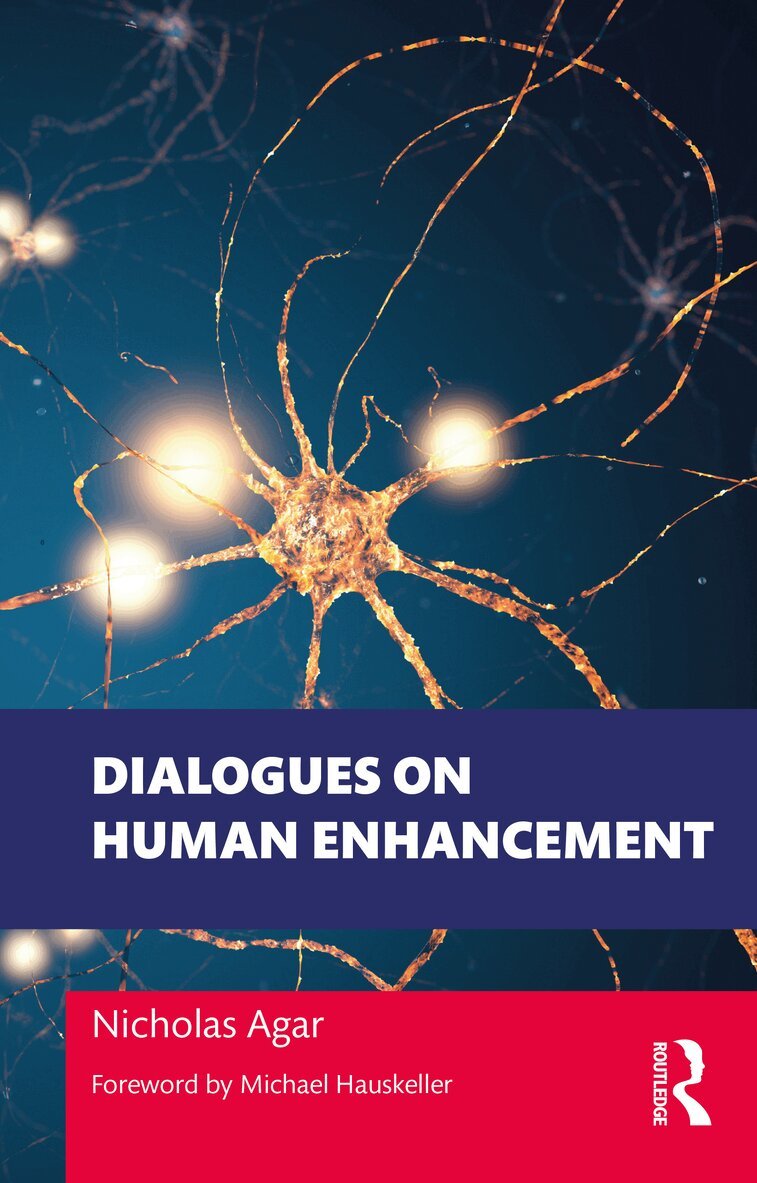
Dialogues on Human Enhancement
Häftad, 2023
589 kr
Lägg i varukorg
We face an emerging range of technologies that can be applied to our human natures with the goal of enhancing us. There are nootropic smart drugs and gene editing that influence the development of the brain. The near future promises cybernetic technologies that can be grafted onto our brains and …
Dialogues on Human Enhancement
Inbunden, 2023
2512 kr
Lägg i varukorg
We face an emerging range of technologies that can be applied to our human natures with the goal of enhancing us. There are nootropic smart drugs and gene editing that influence the development of the brain. The near future promises cybernetic technologies that can be grafted onto our brains and …
Liberal Eugenics
In Defence of Human Enhancement
Häftad, 2004
428 kr
Lägg i varukorg
In this provocative book, philosopher Nicholas Agar defends the idea that parents should be allowed to enhance their children’s characteristics. Gets away from fears of a Huxleyan ‘Brave New World’ or a return to the fascist eugenics of the pastWritten from a philosophically and scientifically …
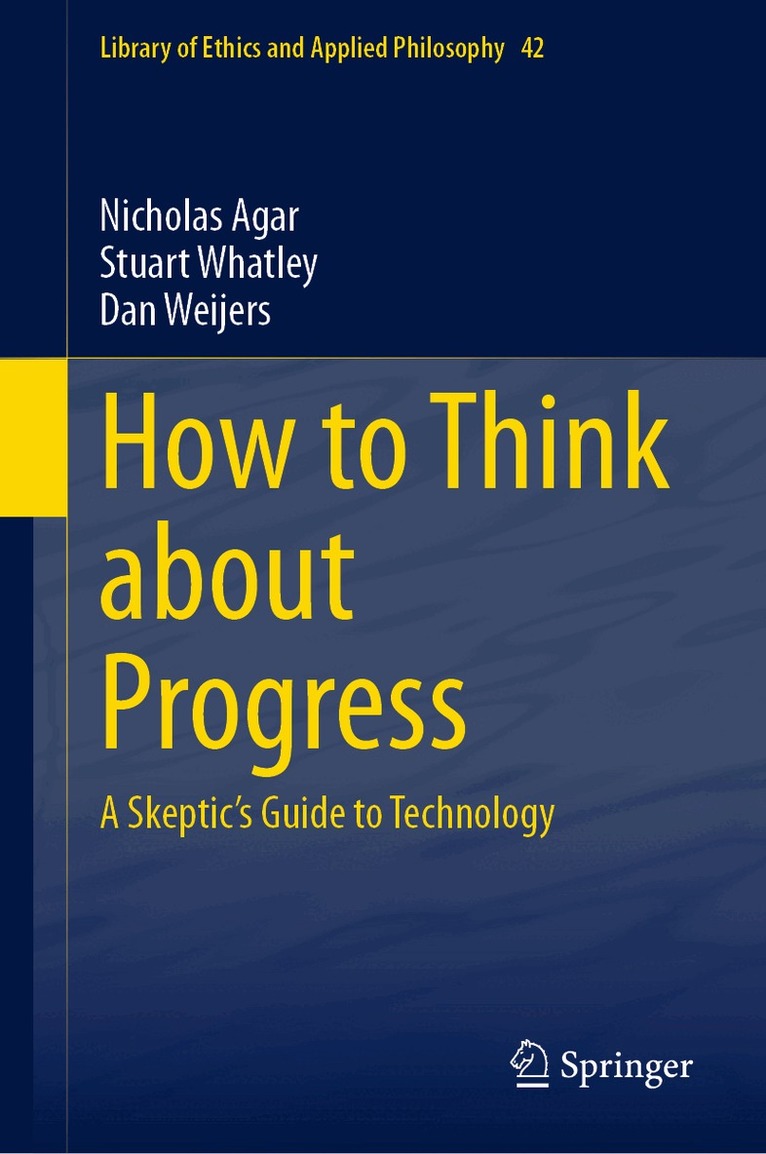
How to Think about Progress
A Skeptic's Guide to Technology
Av Nicholas Agar, Stuart Whatley m. fl.
Inbunden, 2024
337 kr
Lägg i varukorg
How to Think about Progress is an interdisciplinary work exploring whether optimistic claims about technology’s potential stand up to humanity’s most difficult challenges. Will technology solve the problems of climate change, pandemics, cancer, loneliness, unhappiness, and even death? The authors …
How to Think about Progress
A Skeptic''s Guide to Technology
Av Dan Weijers, Stuart Whatley m. fl.
E-bok, 2024
457 kr
Lägg i varukorg
How to Think about Progress is an interdisciplinary work exploring whether optimistic claims about technology’s potential stand up to humanity’s most difficult challenges. Will technology solve the problems of climate change, pandemics, cancer, loneliness, unhappiness, and even death? The authors …
How to Think about Progress
A Skeptic's Guide to Technology
Av Nicholas Agar, Stuart Whatley m. fl.
Häftad, 2025
337 kr
Lägg i varukorg
How to Think about Progress is an interdisciplinary work exploring whether optimistic claims about technology’s potential stand up to humanity’s most difficult challenges. Will technology solve the problems of climate change, pandemics, cancer, loneliness, unhappiness, and even death? The authors …
Liberal Eugenics – In Defence of Human Enhancement
2008
789 kr
Tillfälligt slut
In this provocative book, philosopher Nicholas Agar defends the idea that parents should be allowed to enhance their children's characteristics. * Gets away from fears of a Huxleyan 'Brave New World' or a return to the fascist eugenics of the past * Written from a philosophically and scientifically …