Nicholas Attfield – författare
Visar alla böcker från författaren Nicholas Attfield. Handla med fri frakt och snabb leverans.
8 produkter
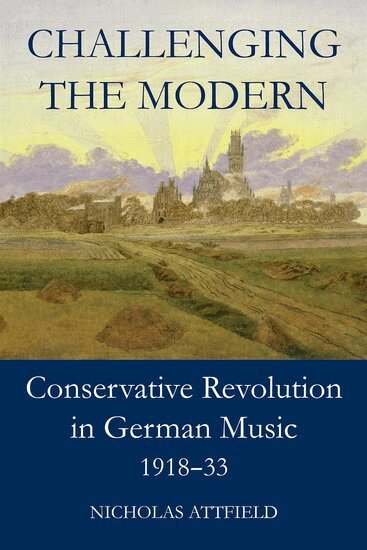
Challenging the Modern
Conservative Revolution in German Music, 1918-1933
Inbunden, 2017
1338 kr
Lägg i varukorg
This book challenges commonplace conceptions of musical conservatism during Germany's Weimar Republic (1918-1933). Its primary goal is to offer scrutiny of uncritical links often made by musicologists and historians between musical conservatism and political conservatism of the era. It does so …
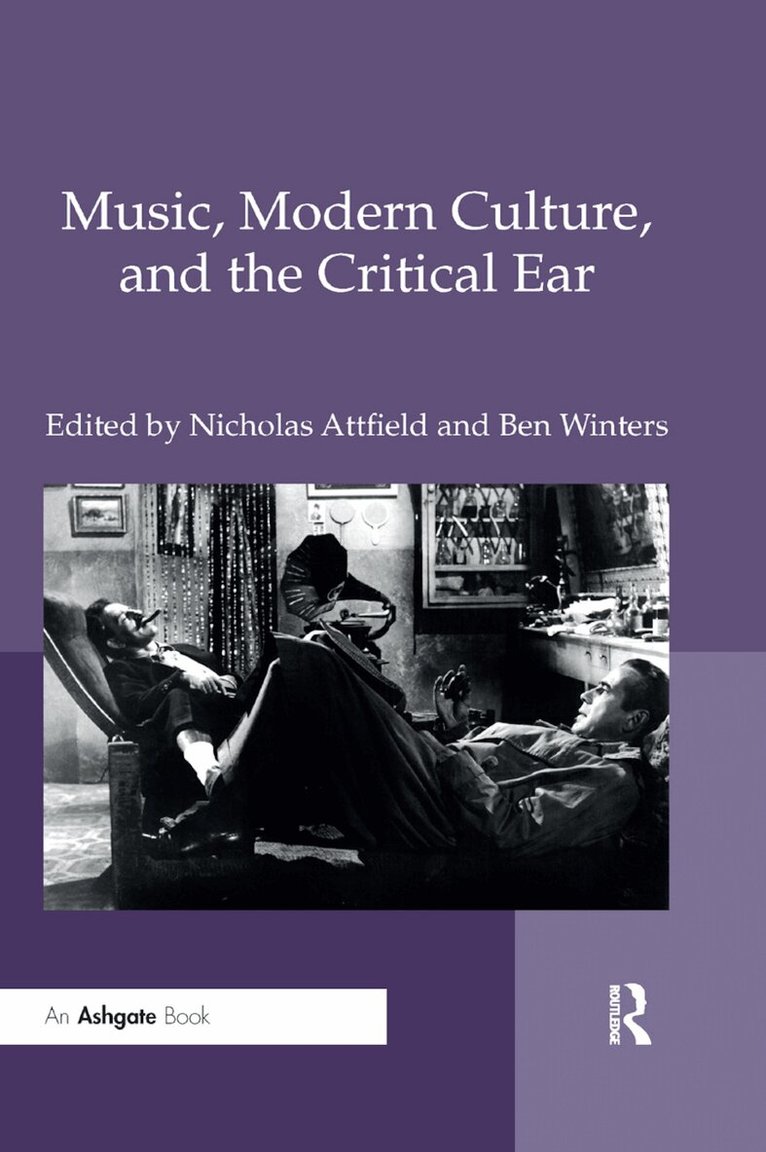
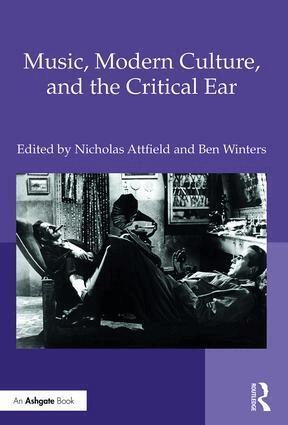
Music, Modern Culture, and the Critical Ear
Av Nicholas Attfield, Ben Winters
Häftad, 2019
727 kr
Lägg i varukorg
In his 1985 book The Idea of Music: Schoenberg and Others, Peter Franklin set out a challenge for musicology: namely, how best to talk and write about the music of modern European culture that fell outside of the modernist mainstream typified by Schoenberg, Berg, and Webern? Thirty years on, this …
The Cambridge Companion to Music and Fascism
Av Nicholas Attfield, Ben Earle
Inbunden, 2026
1358 kr
Lägg i varukorg
The first book in the English language to take a comparative look at the various roles played by all kinds of music and musicians in the fascist regimes of the twentieth century. It provides detailed overviews of musical life in Fascist Italy and Nazi Germany and identifies and challenges some of …
The Cambridge Companion to Music and Fascism
Av Nicholas Attfield, Ben Earle
Häftad, 2026
435 kr
Lägg i varukorg
The first book in the English language to take a comparative look at the various roles played by all kinds of music and musicians in the fascist regimes of the twentieth century. It provides detailed overviews of musical life in Fascist Italy and Nazi Germany and identifies and challenges some of …
Music, Modern Culture, and the Critical Ear
Av Ben Winters, Nicholas Attfield
E-bok, 2017
856 kr
Lägg i varukorg
In his 1985 book The Idea of Music: Schoenberg and Others , Peter Franklin set out a challenge for musicology: namely, how best to talk and write about the music of modern European culture that fell outside of the modernist mainstream typified by Schoenberg, Berg, and Webern? Thirty years on, this …
Music, Modern Culture, and the Critical Ear
Av Ben Winters, Nicholas Attfield
E-bok, 2017
856 kr
Lägg i varukorg
In his 1985 book The Idea of Music: Schoenberg and Others , Peter Franklin set out a challenge for musicology: namely, how best to talk and write about the music of modern European culture that fell outside of the modernist mainstream typified by Schoenberg, Berg, and Webern? Thirty years on, this …
Music, Modern Culture, and the Critical Ear
Av Nicholas Attfield, Ben Winters
Inbunden, 2017
2595 kr
Lägg i varukorg
In his 1985 book The Idea of Music: Schoenberg and Others, Peter Franklin set out a challenge for musicology: namely, how best to talk and write about the music of modern European culture that fell outside of the modernist mainstream typified by Schoenberg, Berg, and Webern? Thirty years on, this …
Lamestains
Grunge, Sub Pop and the Music of the Loser
Inbunden, 2023
215 kr
Lägg i varukorg
This book is a critical history of Sub Pop, the Seattle independent rock label that launched the careers of countless influential ‘grunge’ bands in the late 1980s and early 1990s. It focuses in particular on the languages and personas of the ‘loser’, a term that encompassed the label’s founders and …