Nicholas F. Jones – författare
Visar alla böcker från författaren Nicholas F. Jones. Handla med fri frakt och snabb leverans.
8 produkter
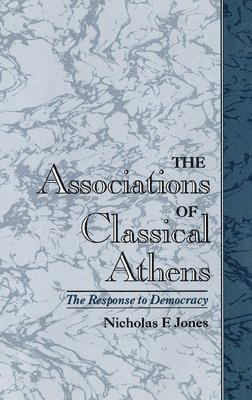
The Associations of Classical Athens
The Response to Democracy
Inbunden, 1999
1865 kr
Lägg i varukorg
Jones' book examines the associations of ancient Athens under the classical democracy (508/7-321 BC) in light of their relations to the central government. Associations of all types--village communities, cultic groups, brotherhoods, sacerdotal families, philosophical schools, and others--emerge as …
Associations of Classical Athens
The Response to Democracy
E-bok, 1999
869 kr
Lägg i varukorg
Jones'' book examines the associations of ancient Athens under the classical democracy (508/7-321 B.C.) in light of their relations to the central government. Associations of all types--village communities, cultic groups, brotherhoods, sacerdotal families, philosophical schools, and others--emerge …
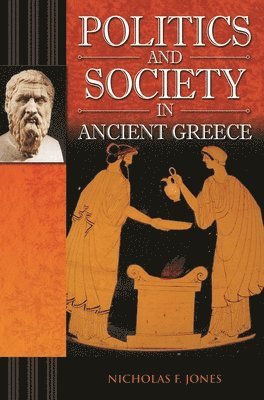
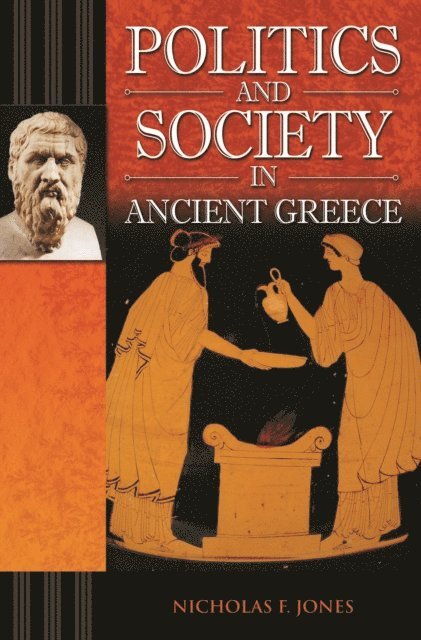
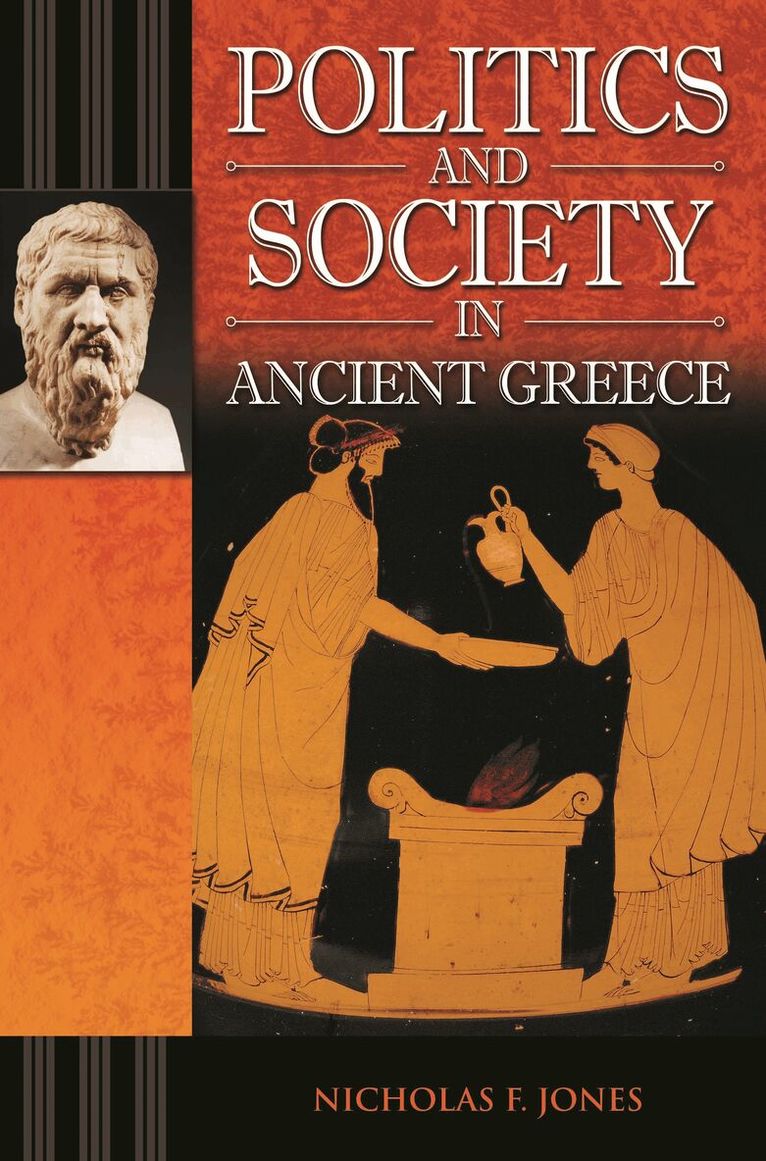
Politics and Society in Ancient Greece
Inbunden, 2008
877 kr
Lägg i varukorg
Western democracies often trace their political roots back to Ancient Greece. While politics today may seem the dusty domain of lawmakers and pundits, in the classical era virtually no aspect of life was beyond its reach. Political life was not limited to acts of a legislature, magistrates, and the …
Politics and Society in Ancient Greece
E-bok, 2008
427 kr
Lägg i varukorg
Western democracies often trace their political roots back to Ancient Greece. While politics today may seem the dusty domain of lawmakers and pundits, in the classical era virtually no aspect of life was beyond its reach. Political life was not limited to acts of a legislature, magistrates, and the …
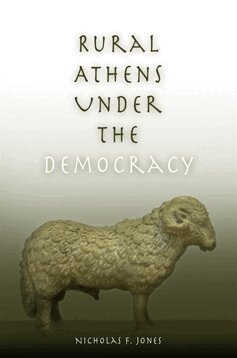
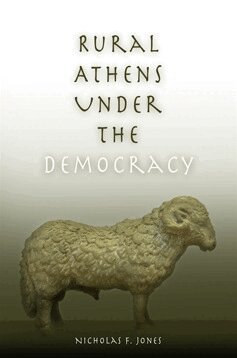
Rural Athens Under the Democracy
E-bok, 2011
1058 kr
Lägg i varukorg
Much of the evidence-literary, historical, documentary, and pictorial-from ancient Athens is urban in authorship, subject matter, and intended audience. The result has been the assertion of an undifferentiated monolithic "Athenian" citizen regime as often as not identifiably urban in its lifestyle, …
Rural Athens Under the Democracy
Inbunden, 2004
877 kr
Lägg i varukorg
Much of the evidence-literary, historical, documentary, and pictorial-from ancient Athens is urban in authorship, subject matter, and intended audience. The result has been the assertion of an undifferentiated monolithic "Athenian" citizen regime as often as not identifiably urban in its lifestyle, …
Public Organization in Ancient Greece
A Documentary Study, Memoirs, American Philosophical Society (vol. 176)
Inbunden, 1987
908 kr
Lägg i varukorg
Politics and Society in Ancient Greece
Häftad, 2008
413 kr
Lägg i varukorg
Western democracies often trace their political roots back to Ancient Greece. While politics today may seem the dusty domain of lawmakers and pundits, in the classical era virtually no aspect of life was beyond its reach. Political life was not limited to acts of a legislature, magistrates, and the …