Nicholas J. Baker-Brian - Böcker
Visar alla böcker från författaren Nicholas J. Baker-Brian. Handla med fri frakt och snabb leverans.
5 produkter
5 produkter
2 493 kr
Skickas inom 5-8 vardagar
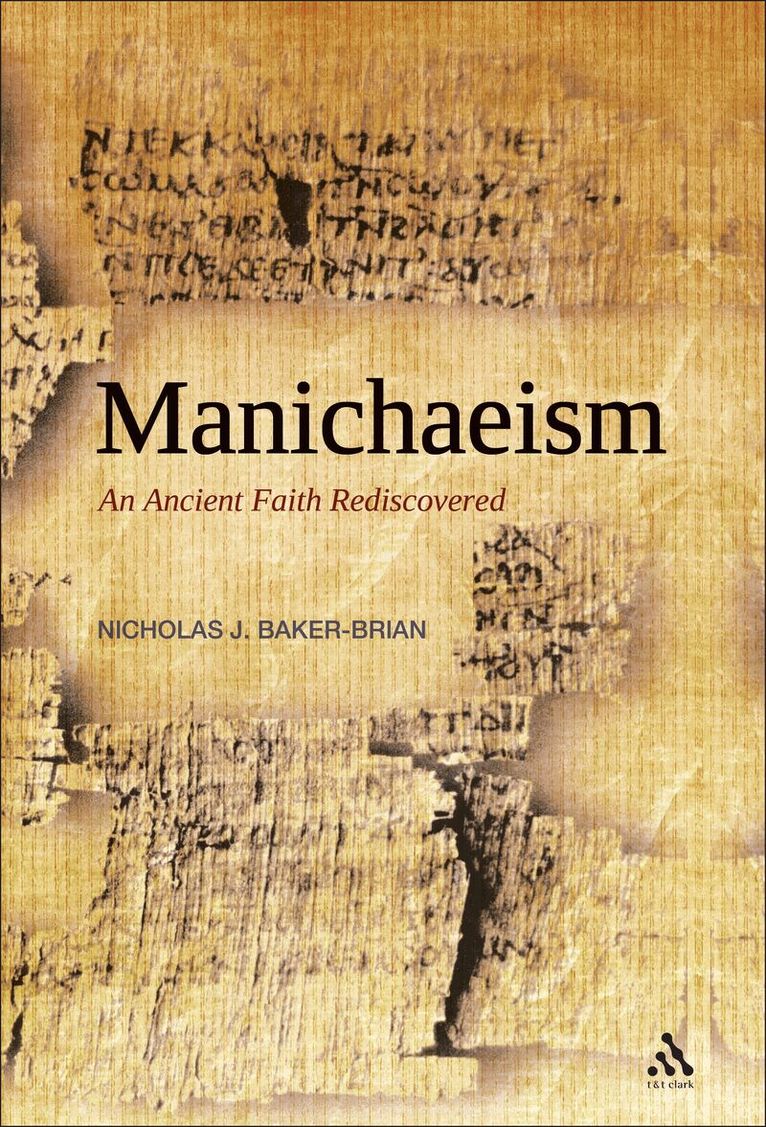
This is the first general comprehensive introduction to Manichaeism aimed at a non-specialist and undergraduate readership. This study will be a historical and theological introduction to Manichaeism. It will comprise a biographical treatment of the founder Mani, situating his personality, his writings and his ideas within the Aramaic Christian tradition of third century (CE) Mesopotamia. It will provide a historical treatment of the Manichaean church in late antiquity (250-700 CE), detailing the emergence of Manichaeism in the late Roman and Byzantine empires, in addition to examining the continuation of Manichaean traditions in the eastern world (China) up to the thirteenth century and beyond. The book will consider the theology of Mani's system, with the aim of providing a clear-eyed treatment of the cosmogonic, scriptural and ecclesiological ideas forming its foundations. The study will base its analysis on original Manichaean literary sources, together with rehabilitating the representation of Manichaeism in those writings that polemicised against the religion.The study will aim to demonstrate the highly syncretic nature of Manichaeism, and will look to move forward 'traditional' perceptions of the religion as being simply a form of Christian Gnostic Dualism.
572 kr
Skickas inom 5-8 vardagar
This is the first general comprehensive introduction to Manichaeism aimed at a non-specialist and undergraduate readership. This study will be a historical and theological introduction to Manichaeism. It will comprise a biographical treatment of the founder Mani, situating his personality, his writings and his ideas within the Aramaic Christian tradition of third century (CE) Mesopotamia. It will provide a historical treatment of the Manichaean church in late antiquity (250-700 CE), detailing the emergence of Manichaeism in the late Roman and Byzantine empires, in addition to examining the continuation of Manichaean traditions in the eastern world (China) up to the thirteenth century and beyond. The book will consider the theology of Mani's system, with the aim of providing a clear-eyed treatment of the cosmogonic, scriptural and ecclesiological ideas forming its foundations. The study will base its analysis on original Manichaean literary sources, together with rehabilitating the representation of Manichaeism in those writings that polemicised against the religion.The study will aim to demonstrate the highly syncretic nature of Manichaeism, and will look to move forward 'traditional' perceptions of the religion as being simply a form of Christian Gnostic Dualism.
2 302 kr
Skickas inom 10-15 vardagar
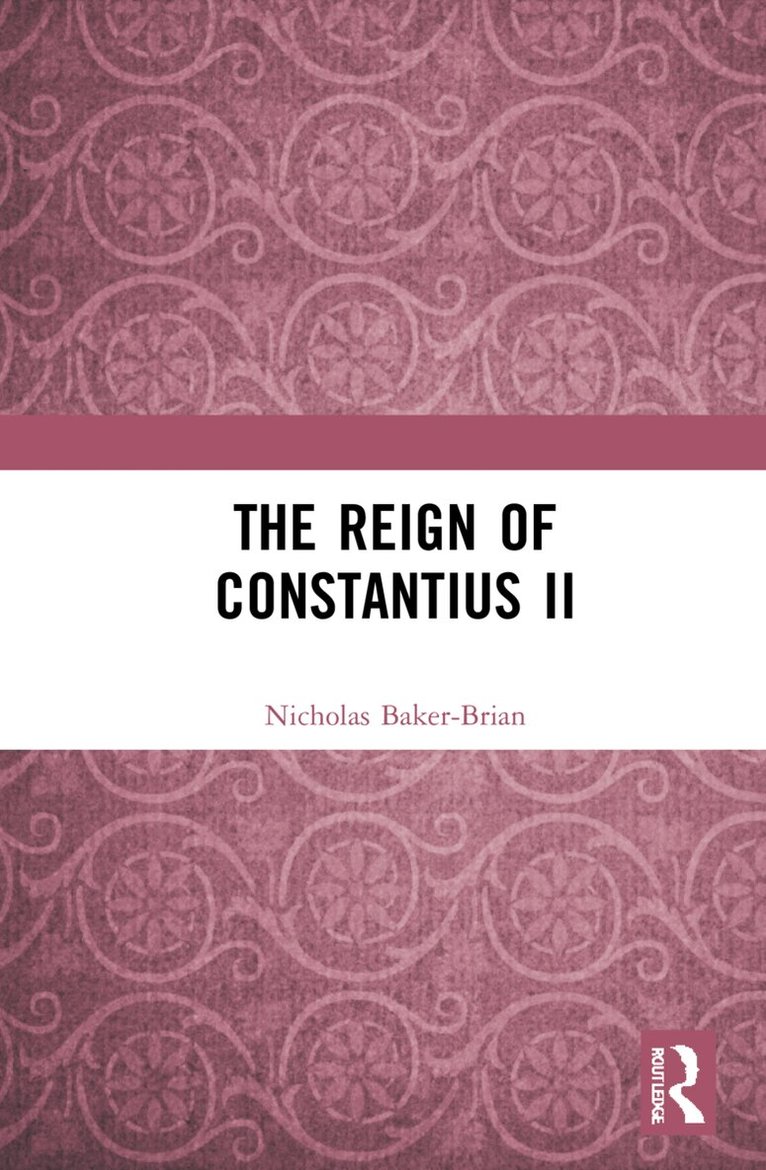
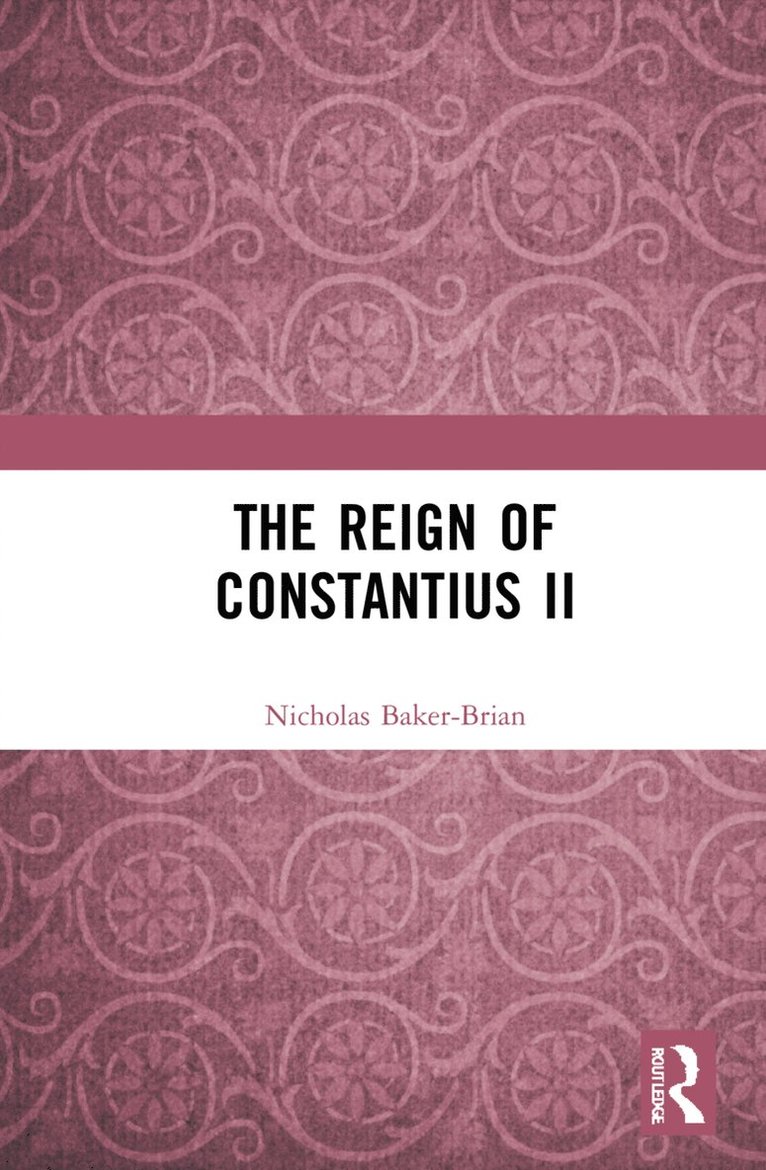
Constantius II, son of Constantine the Great, ruled the Roman Empire between 337 and 361 CE. Constantius’ reign is characterised by a series of political and cultural upheavals and is rightly viewed as a time of significant change in the history of the fourth century. Constantius initially shared power with his brothers, Constantine II and Constans, but this arrangement lasted a short period of time before Constantine II was killed in a contest over authority by Constans. Further threats to the stability of the empire arose with the usurpation of the ambitious Roman general Magnentius between 350 and 353, and additional episodes of imperial instability occurred as Constantius’ relations with his junior Caesars, Gallus and Julian, deteriorated, the latter to the point where civil war would have been on the cards once again if Constantius had not died on 3 November 361. This book examines the dynastic, political and cultural impact of Constantius' reign as a member of the Constantinian family on the later empire, first as a joint ruler with his brothers and then as sole Augustus. The chapters investigate the involvement of Constantius in the imperial, administrative, legal, religious and cultural life of the Roman Empire in the fourth century. Constantius’ handling of various threats to Roman hegemony such as the ambitions of the neighbouring Sasanian Empire, and his relationships with Gallus and with Julian are explored. The book’s analysis is guided by the epigraphic, iconographic, literary and legal evidence of the Roman and Byzantine periods but it is not a conventional imperial ‘biography’. Rather, it examines the figure of Constantius in light of the numerous historiographical issues surrounding his memorialisation in the historical and literary sources, for instance as ‘Arian’ tyrant or as internecine murderer. The over-arching aim is to investigate power in the post-Constantine period, and the way in which imperial and episcopal networks related to one another with the ambition of participating in the exercise of power. The Reign of Constantius II will appeal to those interested in the Later Roman Empire, the Constantinian imperial family, Roman-Sasanian relations, and the role of religion in shaping imperial dynamics with Christianity.
574 kr
Skickas inom 10-15 vardagar
Constantius II, son of Constantine the Great, ruled the Roman Empire between 337 and 361 CE. Constantius’ reign is characterised by a series of political and cultural upheavals and is rightly viewed as a time of significant change in the history of the fourth century. Constantius initially shared power with his brothers, Constantine II and Constans, but this arrangement lasted a short period of time before Constantine II was killed in a contest over authority by Constans. Further threats to the stability of the empire arose with the usurpation of the ambitious Roman general Magnentius between 350 and 353, and additional episodes of imperial instability occurred as Constantius’ relations with his junior Caesars, Gallus and Julian, deteriorated, the latter to the point where civil war would have been on the cards once again if Constantius had not died on 3 November 361. This book examines the dynastic, political and cultural impact of Constantius' reign as a member of the Constantinian family on the later empire, first as a joint ruler with his brothers and then as sole Augustus. The chapters investigate the involvement of Constantius in the imperial, administrative, legal, religious and cultural life of the Roman Empire in the fourth century. Constantius’ handling of various threats to Roman hegemony such as the ambitions of the neighbouring Sasanian Empire, and his relationships with Gallus and with Julian are explored. The book’s analysis is guided by the epigraphic, iconographic, literary and legal evidence of the Roman and Byzantine periods but it is not a conventional imperial ‘biography’. Rather, it examines the figure of Constantius in light of the numerous historiographical issues surrounding his memorialisation in the historical and literary sources, for instance as ‘Arian’ tyrant or as internecine murderer. The over-arching aim is to investigate power in the post-Constantine period, and the way in which imperial and episcopal networks related to one another with the ambition of participating in the exercise of power. The Reign of Constantius II will appeal to those interested in the Later Roman Empire, the Constantinian imperial family, Roman-Sasanian relations, and the role of religion in shaping imperial dynamics with Christianity.
2 226 kr
Skickas inom 11-20 vardagar
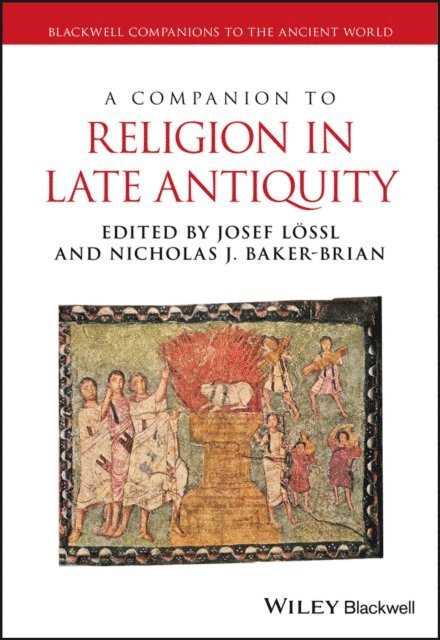
A comprehensive review of the development, geographic spread, and cultural influence of religion in Late AntiquityA Companion to Religion in Late Antiquity offers an authoritative and comprehensive survey of religion in Late Antiquity. This historical era spanned from the second century to the eighth century of the Common Era. With contributions from leading scholars in the field, the Companion explores the evolution and development of religion and the role various religions played in the cultural, political, and social transformations of the late antique period.The authors examine the theories and methods used in the study of religion during this period, consider the most notable historical developments, and reveal how religions spread geographically. The authors also review the major religious traditions that emerged in Late Antiquity and include reflections on the interaction of these religions within their particular societies and cultures. This important Companion: Brings together in one volume the work of a notable team of international scholarsExplores the principal geographical divisions of the late antique worldOffers a deep examination of the predominant religions of Late AntiquityExamines established views in the scholarly assessment of the religions of Late AntiquityIncludes information on the current trends in late-antique scholarship on religionWritten for scholars and students of religion, A Companion to Religion in Late Antiquity offers a comprehensive survey of religion and the influence religion played in the culture, politics, and social change during the late antique period.