Nicholas Marquez-Grant – författare
Visar alla böcker från författaren Nicholas Marquez-Grant. Handla med fri frakt och snabb leverans.
12 produkter
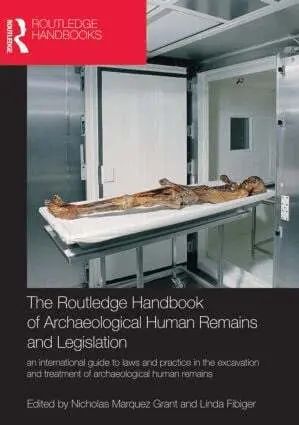
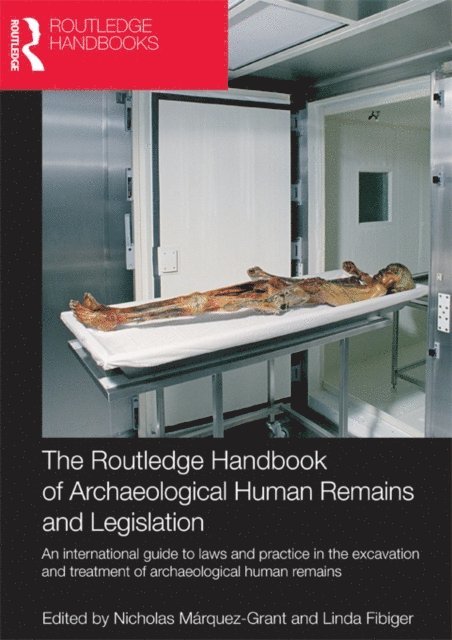
Routledge Handbook of Archaeological Human Remains and Legislation
An international guide to laws and practice in the excavation and treatment of archaeological human remains
Av Nicholas Marquez-Grant, Linda Fibiger
Inbunden, 2011
3479 kr
Lägg i varukorg
Methodologies and legislative frameworks regarding the archaeological excavation, retrieval, analysis, curation and potential reburial of human skeletal remains differ throughout the world. As work forces have become increasingly mobile and international research collaborations are steadily …
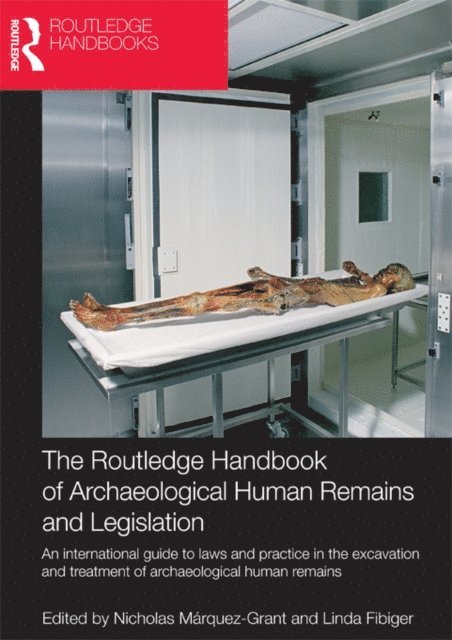
Routledge Handbook of Archaeological Human Remains and Legislation
An international guide to laws and practice in the excavation and treatment of archaeological human remains
Av Nicholas Marquez-Grant, Linda Fibiger
Häftad, 2013
955 kr
Lägg i varukorg
Methodologies and legislative frameworks regarding the archaeological excavation, retrieval, analysis, curation and potential reburial of human skeletal remains differ throughout the world. As work forces have become increasingly mobile and international research collaborations are steadily …
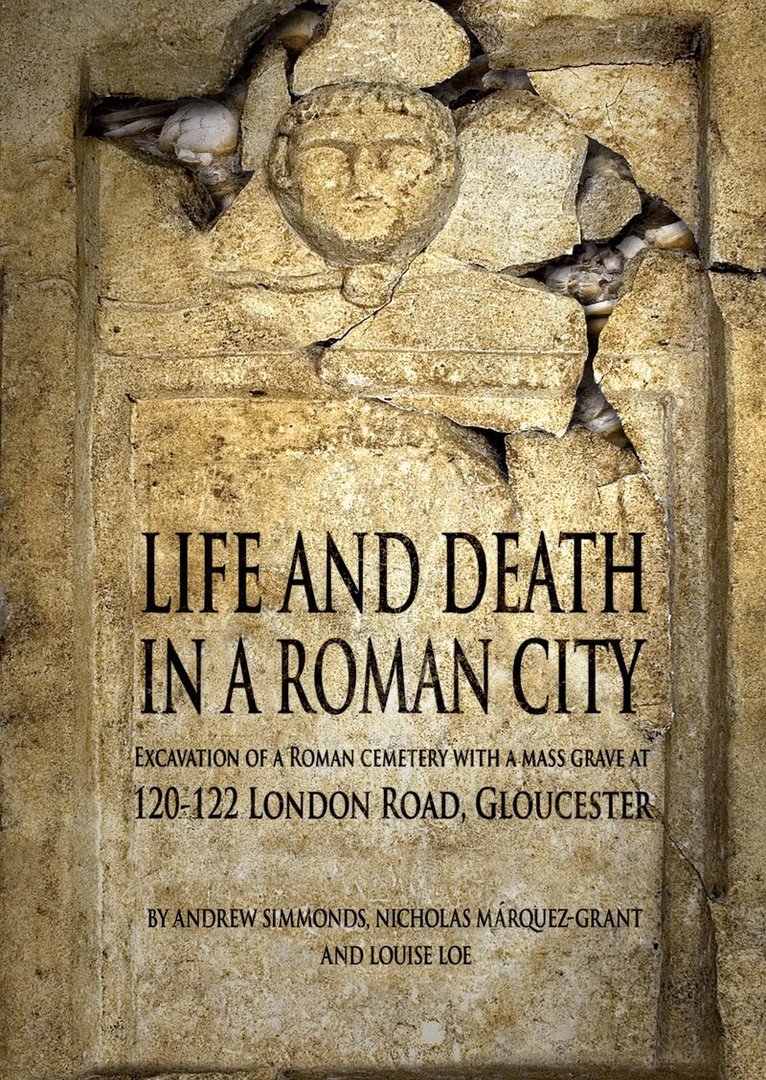
Life and Death in a Roman City
Excavation of a Roman Cemetery with a Mass Grave at 120-122 London Road, Gloucester
Av Andrew Simmonds, Nicholas Marquez-Grant m. fl.
Häftad, 2008
479 kr
Lägg i varukorg
Between August 2004 and January 2006 Oxford Archaeology undertook a programme of archaeological excavation and watching brief in advance of construction of sheltered apartments on a site formerly occupied by a disused service station at 120–122 London Road, Gloucester (NGR SO 843 189). These …
Forensic Archaeology
A Global Perspective
Av W. J. Mike Groen, Nicholas Márquez-Grant m. fl.
Inbunden, 2015
1616 kr
Lägg i varukorg
Forensic archaeology is mostly defined as the use of archaeological methods and principles within a legal context. However, such a definition only covers one aspect of forensic archaeology and misses the full potential this discipline has to offer. This volume is unique in that it contains 57 …
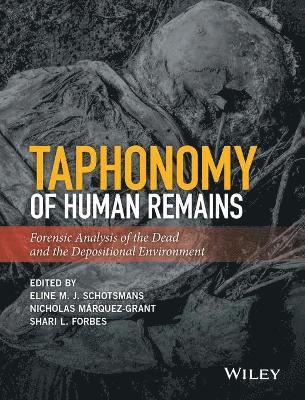
Taphonomy of Human Remains
Forensic Analysis of the Dead and the Depositional Environment
Av Eline M. J. Schotsmans, Eline M. J. Schotsmans m. fl.
Inbunden, 2017
1418 kr
Lägg i varukorg
A truly interdisciplinary approach to this core subject within Forensic Science Combines essential theory with practical crime scene workIncludes case studiesApplicable to all time periods so has relevance for conventional archaeology, prehistory and anthropologyCombines points of view from both …
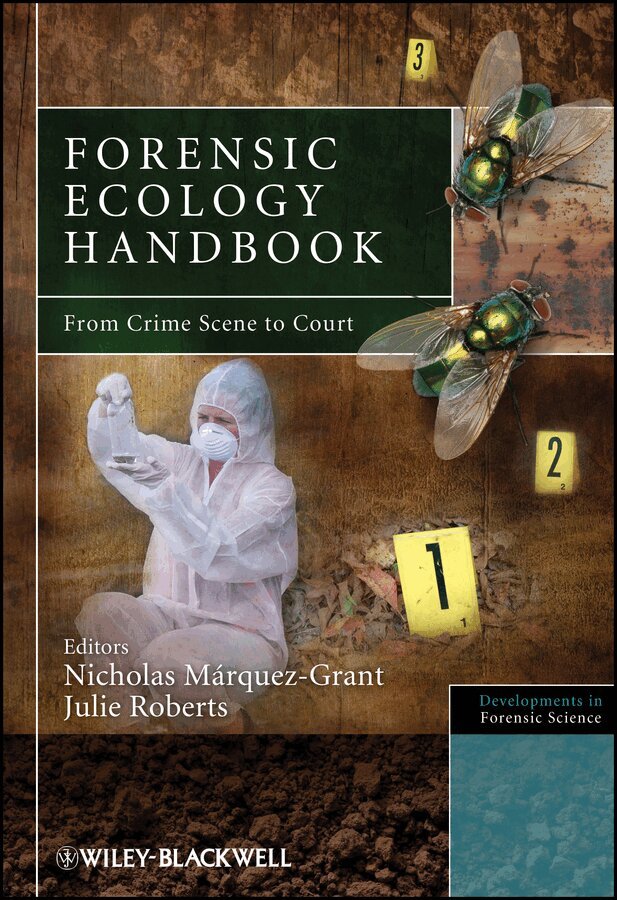
Forensic Ecology Handbook
From Crime Scene to Court
Av Nicholas Márquez-Grant, Julie Roberts
Inbunden, 2012
983 kr
Lägg i varukorg
The analysis of plants, insects, soil and other particulates from scenes of crime can be vital in proving or excluding contact between a suspect and a scene, targeting search areas, and establishing a time and place of death. Forensic Ecology: A Practitioner’s Guide provides a complete handbook …
Routledge Handbook of Archaeological Human Remains and Legislation
An international guide to laws and practice in the excavation and treatment of archaeological human remains
Av Linda Fibiger, Nicholas Marquez-Grant
E-bok, 2011
1239 kr
Lägg i varukorg
Methodologies and legislative frameworks regarding the archaeological excavation, retrieval, analysis, curation and potential reburial of human skeletal remains differ throughout the world. As work forces have become increasingly mobile and international research collaborations are steadily …
Routledge Handbook of Archaeological Human Remains and Legislation
An international guide to laws and practice in the excavation and treatment of archaeological human remains
Av Linda Fibiger, Nicholas Marquez-Grant
E-bok, 2011
1239 kr
Lägg i varukorg
Methodologies and legislative frameworks regarding the archaeological excavation, retrieval, analysis, curation and potential reburial of human skeletal remains differ throughout the world. As work forces have become increasingly mobile and international research collaborations are steadily …
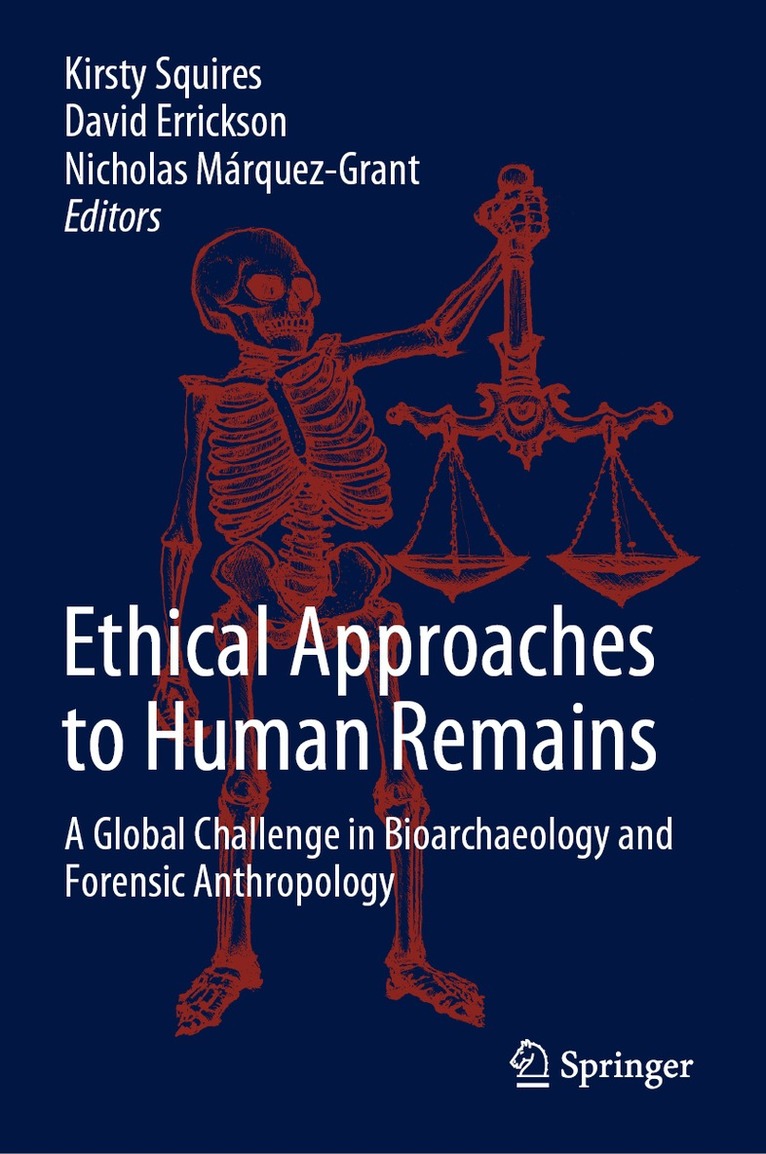
Ethical Approaches to Human Remains
A Global Challenge in Bioarchaeology and Forensic Anthropology
Av Kirsty Squires, David Errickson m. fl.
Inbunden, 2020
1752 kr
Lägg i varukorg
This book is the first of its kind, combining international perspectives on the current ethical considerations and challenges facing bioarchaeologists in the recovery, analysis, curation, and display of human remains. It explores how museum curators, commercial practitioners, forensic …
Ethical Approaches to Human Remains
A Global Challenge in Bioarchaeology and Forensic Anthropology
Av Nicholas Marquez-Grant, David Errickson m. fl.
E-bok, 2020
2224 kr
Lägg i varukorg
This book is the first of its kind, combining international perspectives on the current ethical considerations and challenges facing bioarchaeologists in the recovery, analysis, curation, and display of human remains. It explores how museum curators, commercial practitioners, forensic …
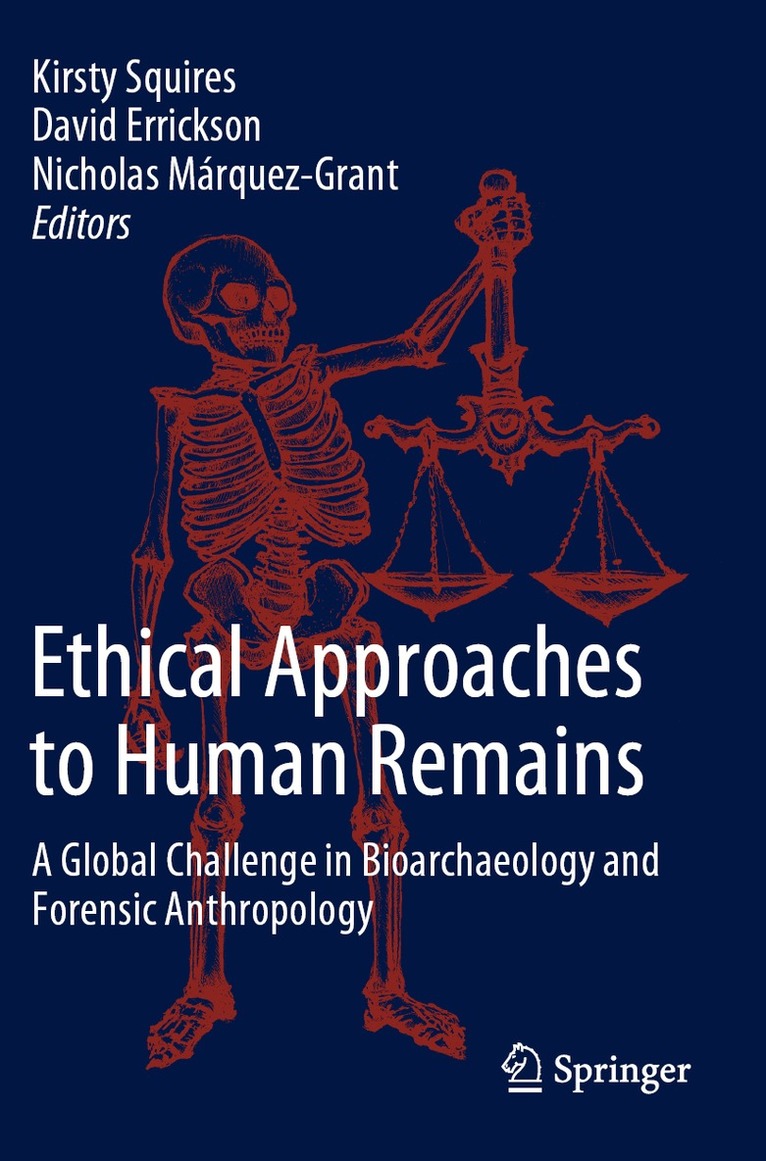
Ethical Approaches to Human Remains
A Global Challenge in Bioarchaeology and Forensic Anthropology
Av Kirsty Squires, David Errickson m. fl.
Häftad, 2021
1752 kr
Lägg i varukorg
This book is the first of its kind, combining international perspectives on the current ethical considerations and challenges facing bioarchaeologists in the recovery, analysis, curation, and display of human remains. It explores how museum curators, commercial practitioners, forensic …
Forensic Ecology Handbook – From Crime Scene to Co urt
Av Nicholas Márquez-Grant, Julie Roberts
2012
1159 kr
Tillfälligt slut
The analysis of plants, insects, soil and other particulates from scenes of crime can be vital in proving or excluding contact between a suspect and a scene, targeting search areas, and establishing a time and place of death. Forensic Ecology: A Practitioner s Guide provides a complete handbook …