Andrew Simmonds – författare
Visar alla böcker från författaren Andrew Simmonds. Handla med fri frakt och snabb leverans.
9 produkter
Life and Death in a Roman City
Excavation of a Roman Cemetery with a Mass Grave at 120-122 London Road, Gloucester
Av Andrew Simmonds, Nicholas Marquez-Grant m. fl.
Häftad, 2008
479 kr
Lägg i varukorg
Between August 2004 and January 2006 Oxford Archaeology undertook a programme of archaeological excavation and watching brief in advance of construction of sheltered apartments on a site formerly occupied by a disused service station at 120–122 London Road, Gloucester (NGR SO 843 189). These …
late Roman cemetery at Lankhills, Winchester
Av Paul Booth, Andrew Simmonds m. fl.
Inbunden, 2010
401 kr
Lägg i varukorg
Lankhills and its late Roman cemetery have played a significant role in the understanding of the military in civilian areas of Roman Britain in the fourth century, and these new excavations double the number of graves explored and add to the variety of finds represented. New analytical techiques …
Archaeology of Banbury Flood Alleviation Scheme, Oxfordshire
Neolithic and Roman Occupation in the Cherwell Valley
Häftad, 2014
238 kr
Lägg i varukorg
Footprints from the Past: The South-Eastern Extramural Settlement of Roman Alchester and Rural Occupation in Its Hinterland
The Archaeology of East West Rail Phase 1
Av Andrew Simmonds, Steve Lawrence
Inbunden, 2018
322 kr
Lägg i varukorg
Excavations by Oxford Archaeology in advance of a programme of improvements to the railway between Bicester and Oxford investigated part of the south-eastern extramural settlement associated with the Roman fortress and subsequent town at Alchester, Oxfordshire, as well as rural settlements in its …
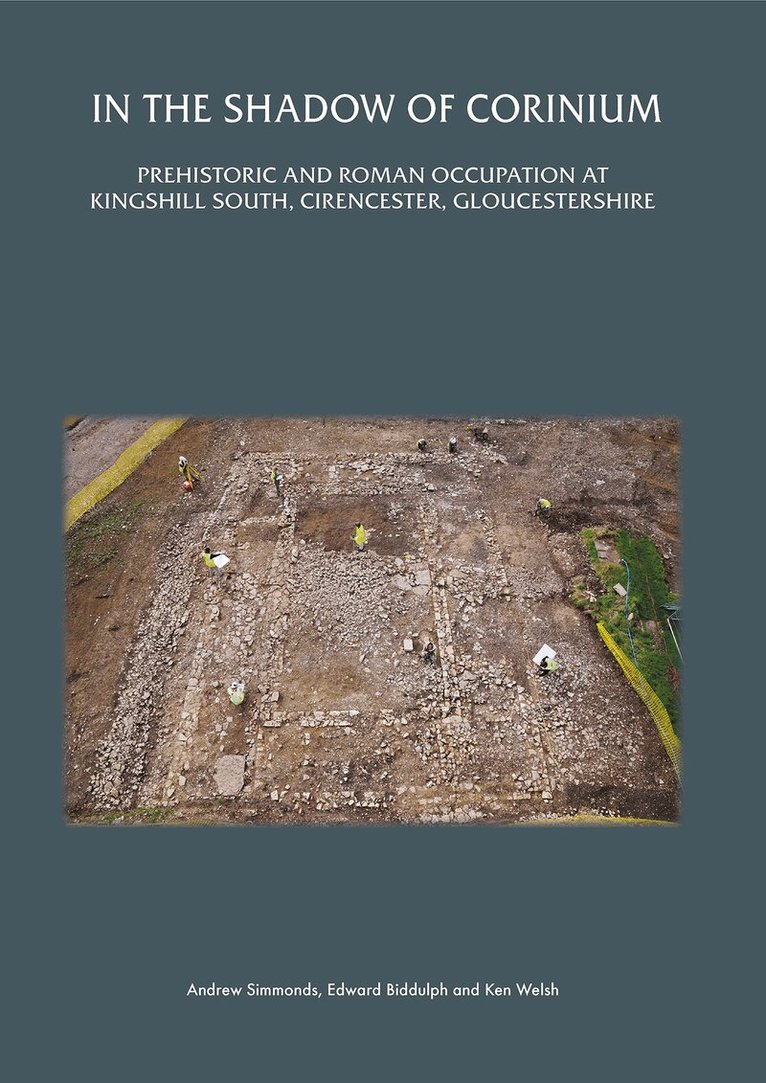
In the Shadow of Corinium
Prehistoric and Roman Occupation at Kingshillsouth, Cirencester, Gloucestershire
Av Andrew Simmonds, Edward Biddulph m. fl.
Häftad, 2018
238 kr
Lägg i varukorg
Excavations by Oxford Archaeology at Kingshill South on the eastern edge of Cirencester in Gloucestershire uncovered evidence for prehistoric and Roman activity. The earliest evidence comprised a pit dating to the late Neolithic period or early Bronze Age, and the site was also inhabited during the …
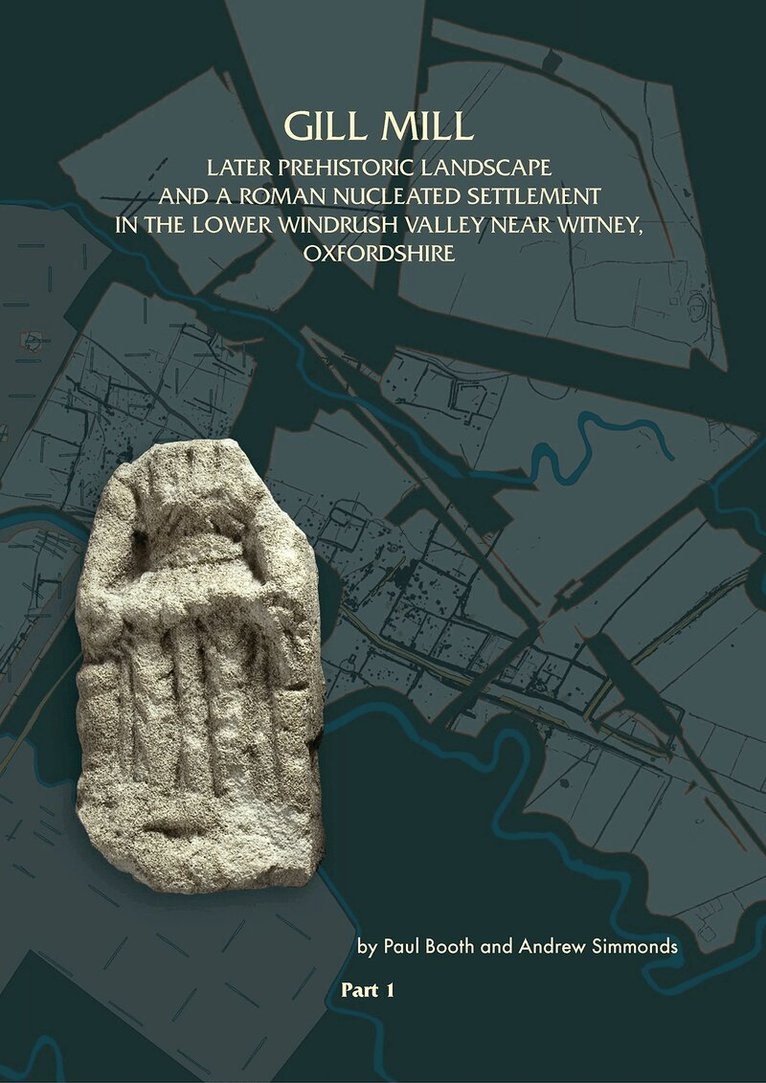
Gill Mill
Later Prehistoric Landscape and a Roman Nucleated Settlement in the Lower Windrush Valley at Gill Mill, near Witney, Oxfordshire
Av Paul Booth, Andrew Simmonds
Inbunden, 2018
558 kr
Lägg i varukorg
The valley floodplain landscape covered by the Gill Mill quarry, almost 130ha, was intensively exploited from about 300 BC at a variety of Iron Age settlements. The largest of these remained in occupation into the early 3rd century AD, but meanwhile a large nucleated settlement grew up around a …
Great Western Park, Didcot, Oxfordshire
Phase 1 Excavations, 2010-2012
Av Chris Hayden, Andrew Simmonds m. fl.
Häftad, 2025
793 kr
Lägg i varukorg
The first phase of excavation at Great Western Park sheds new light on settlement and landscape development from the early Mesolithic to the Anglo-Saxon period in the south Oxfordshire Thames Valley. The earliest significant discovery was an early Mesolithic flint scatter associated with an incised …
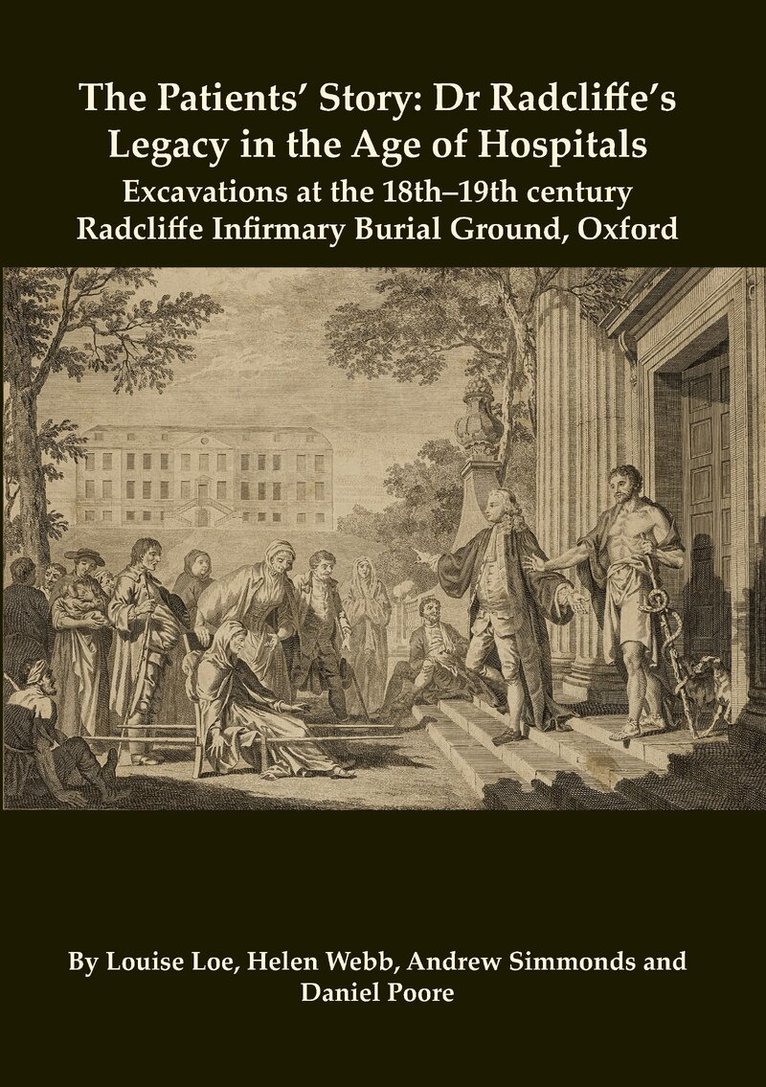
Patients’ Story
Dr Radcliffe's Legacy in the Age of Hospitals – Excavations at the 18th–19th Century Radcliffe – Infirmary Burial Ground, Oxford
Av Louise Loe, Helen Webb m. fl.
Häftad, 2022
322 kr
Tillfälligt slut
Excavations on the site of the burial ground of the old Radcliffe infirmary, Oxford, revealed the largest assemblage of individual burials yet recovered from an 18th/19th century hospital site in Britain. Founded in 1770 with funds from the estate of the Royal physician and MP John Radcliffe, the …