Edward Biddulph - Böcker
Visar alla böcker från författaren Edward Biddulph. Handla med fri frakt och snabb leverans.
7 produkter
7 produkter
535 kr
Tillfälligt slut
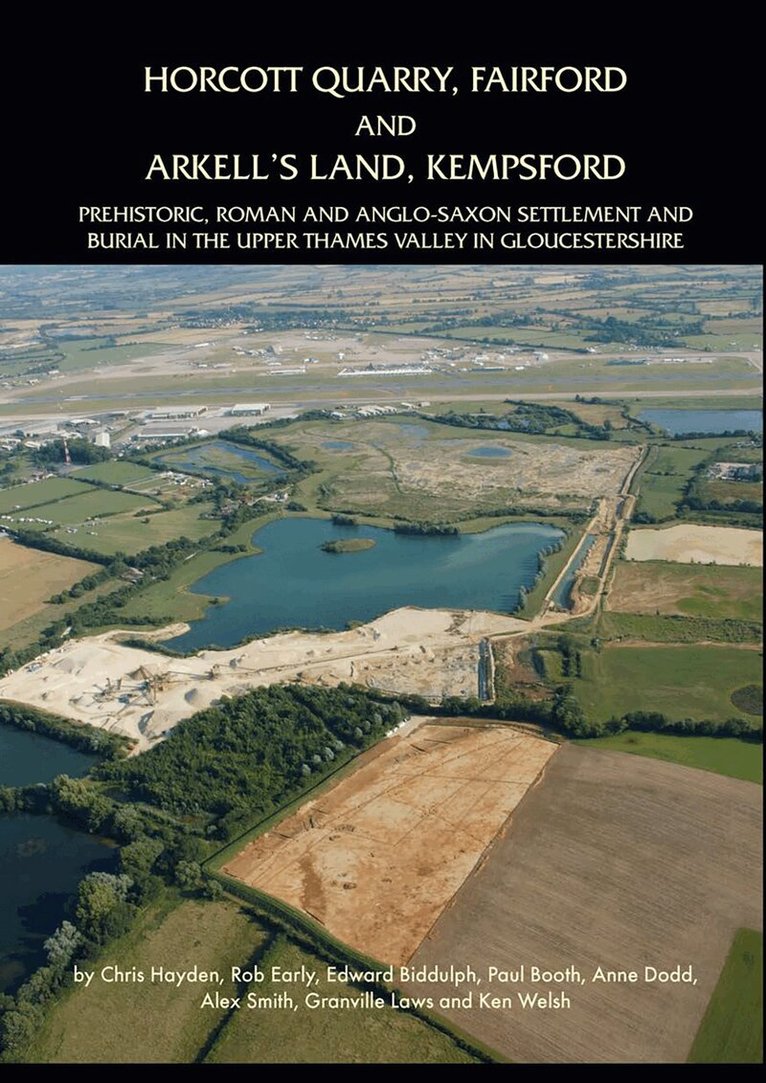
Excavation by Oxford Archaeology in 2009 during construction of the Stanford Wharf Nature Reserve, funded and supported by the developer, DP World London Gateway, uncovered remarkable evidence for Iron Age and Roman-period salt making and associated activities. Structures included a probable boathouse, unique in Roman Britain. The excavations shed new and important light on evolving methods of salt production, which reflect wider changes in economy and society in the Thames Estuary between c. 400 BC and AD 400. Salt had a particular economic importance in the ancient world as a food preservative – changing scale and methods of production provide an essential background for understanding processes such as urbanisation, civilian trade and military supply. Salt also had a wide range of dietary, social and symbolic functions, from flavouring food to forming an ingredient in medicines and religious rituals. In the words of the Roman naturalist Pliny the Elder, writing in the first century AD, 'civilised life cannot proceed without salt'. This monograph presents the internationally important findings of three years of fieldwork and post-excavation analysis. The large scale of investigation and extensive scientific analysis of the remains has transformed our understanding of the important Iron Age and Roman salt making industry in Essex. A companion volume on the marine investigations conducted by Wessex Archaeology is presented in: London Gateway: Maritime Archaeology in the Thames Estuary.
178 kr
Skickas
The fictional superspy James Bond is a cultural phenomenon, becoming since his first appearance in the novel Casino Royale in 1953 a character as recognizable around the world as Sherlock Holmes and Robin Hood. While we may associate James Bond with exotic locales, underwater adventures, and even outer space, there are many sites in Britain connected with the character. Locations used in the Bond films, places mentioned in the novels, buildings inhabited or visited by Bond’s creator, Ian Fleming: James Bond has left his mark across the country.This book takes you on a tour of Britain, from the Highlands of Scotland to the White Cliffs of Dover, from Wales to East Anglia, to discover iconic film locations, landmarks described in the novels, and places associated with Ian Fleming.This is the first guide that takes readers around Britain not only to explore the film settings but also the literary locations and places that had a profound impact on Ian Fleming’s writing. The generously illustrated book can be used as guide on Bond tours across the country, as well as a treasure trove of fascinating Bond facts.
372 kr
Skickas inom 5-8 vardagar
289 kr
Skickas inom 5-8 vardagar
416 kr
Skickas inom 5-8 vardagar
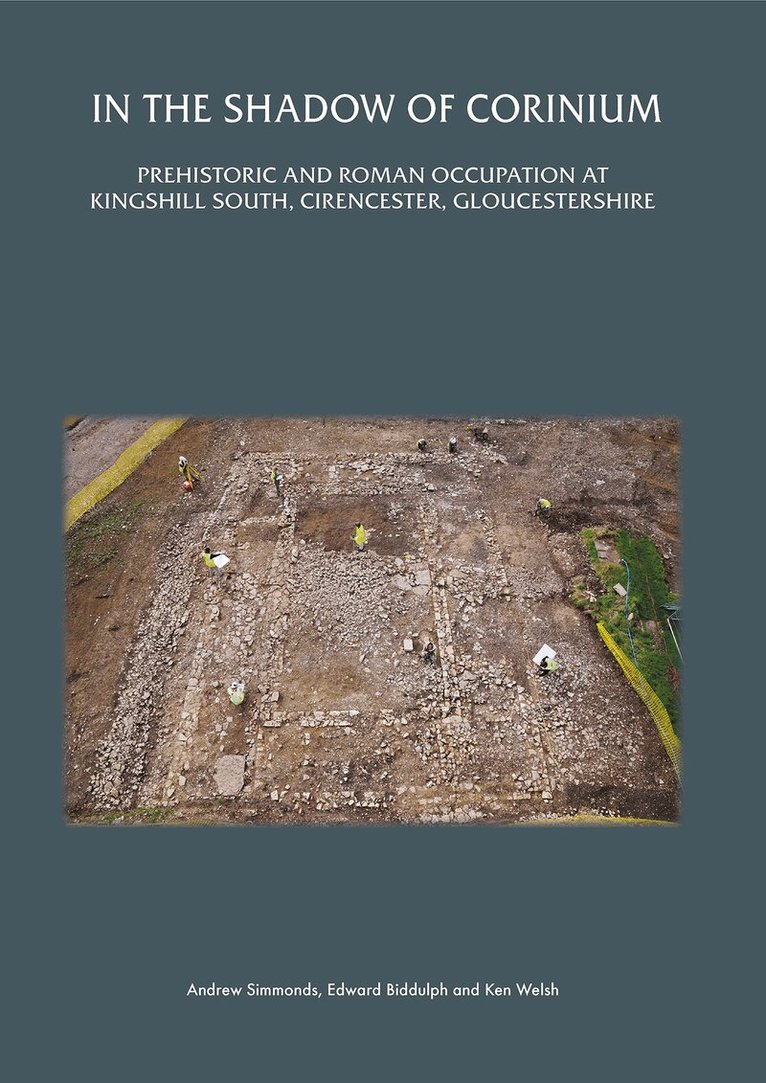
Del 41 - Thames Valley Landscapes Monograph
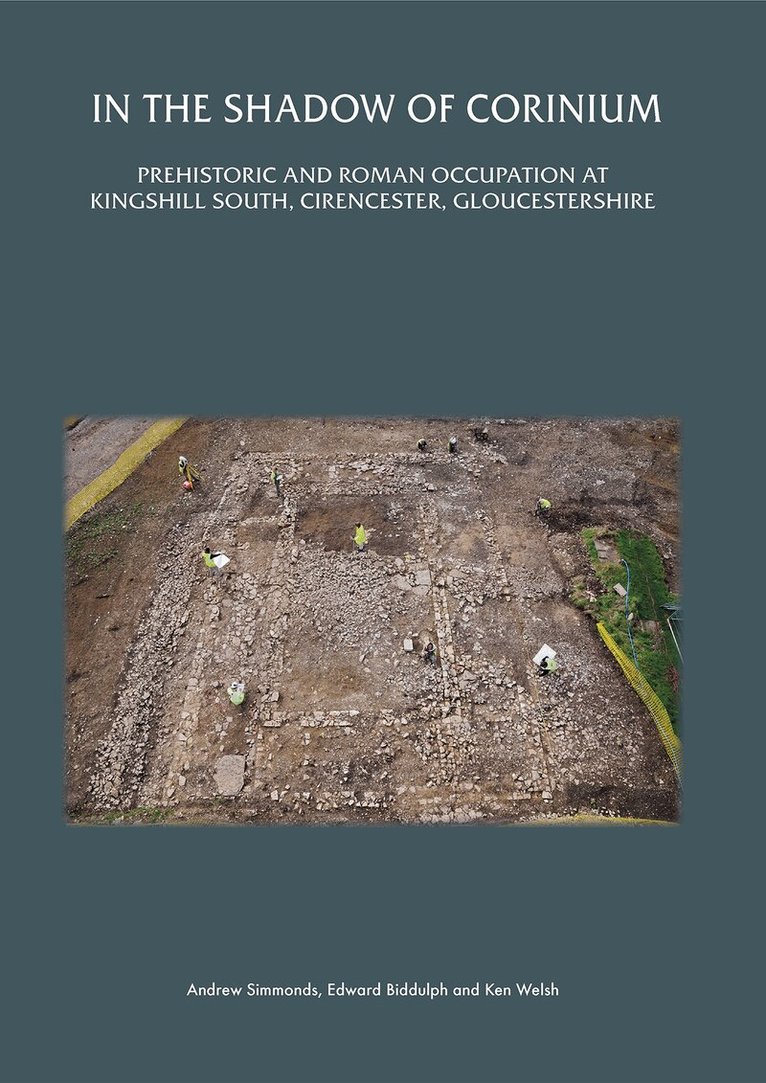
In the Shadow of Corinium
Prehistoric and Roman Occupation at Kingshillsouth, Cirencester, Gloucestershire
Häftad, Engelska, 2018
340 kr
Tillfälligt slut
Excavations by Oxford Archaeology at Kingshill South on the eastern edge of Cirencester in Gloucestershire uncovered evidence for prehistoric and Roman activity. The earliest evidence comprised a pit dating to the late Neolithic period or early Bronze Age, and the site was also inhabited during the late Bronze Age or early Iron Age. There was a gap in activity until the late 1st century AD, when fields were laid out on the site's southern slope. Three buildings were recorded within the area of the excavation. Building 1 was a domestic, stone-footed building best described as a proto-villa. Building 2 was an aisled building with an apsidal end and is likely to have served an agricultural function. Both were constructed in the 2nd century AD. Building 3, dated to the late Roman period, is interpreted as a granary. The settlement was abandoned by the late 4th century AD. The site remained agricultural land until the establishment of Cirencester's eastern suburb in the 20th century. Grain, meat, and wool, among other goods, were produced at the Roman settlement, probably to supply the town of Corinium Dobunnorum. Evidence for craft activity, including pin-making, horn-working and smithing, was also recorded. Formal burials and disarticulated human bone were encountered across the settlement. Analysis of the bones revealed remarkable insights into the lives of the settlement's inhabitants. The habitual, possibly craft-related, activity performed by one young female adult required her to spend much of her time in a squatting position. One adult male had a facial disfigurement which had an impact not just on his daily life, but also the manner of his burial.
873 kr
Kommande
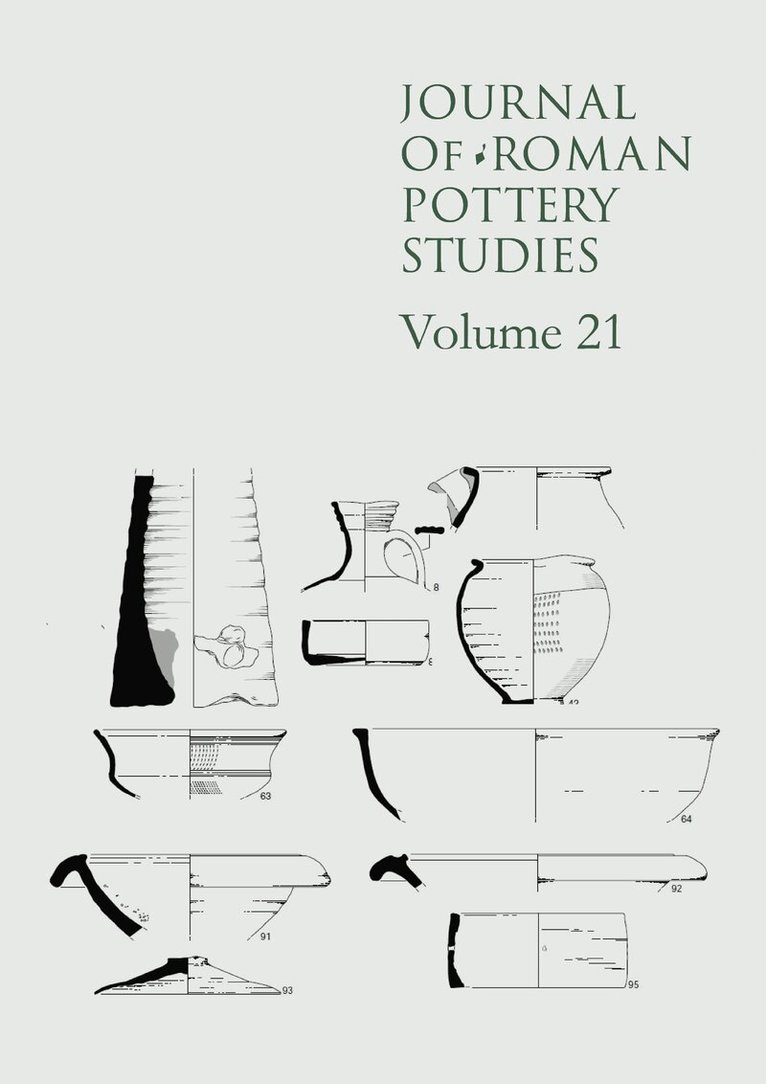
This issue of the Journal of Roman Pottery Studies focuses primarily on new data for early Roman pottery production and techniques. Three early Roman kilns were discovered at Longford, Gloucestershire associated with an originally Iron Age enclosure that was remodelled. Unusual features of the kilns included the use of ceramic tubes in one, and stacked pots to form the walls probably in all three. The associated pottery is closely linked to products of kilns known in Gloucester itself and is consistent with production for military-related communities rather than the wider Romano-British population of the region. The production may relate to an early stage of exploitation of the landscape consequent on establishment of the colonia at Gloucester by AD 98 if not rather earlier. Production probably did not continue after c. AD 120 at the very latest. At Brampton, Cambridgeshire in 2016, a cluster of eight previously unknown early Roman pottery kilns was recorded and subsequently published. Further analysis identified intriguing variation within the pottery assemblage, which provided an opportunity to investigate the chaîne opératoire. Technical and stylistic groups were examined in hand-specimen, thin-section petrography determined the fabric groups present and portable X-ray fluorescence helped to establish the geochemical composition of the sample. The data collected allowed for glimpses at the choices made by the potters and helped to unpick their making process, from which a characterising assessment of the organisation of production and its variations emerged. A kiln complex discovered at Elmswell, Suffolk close to the suggested course of a Roman road included two adjacent, single flue kilns associated with pottery forms dating to the later 1st–early 2nd centuries AD. The large pottery assemblage comprised primarily buff coloured flagons and black-surfaced jar forms and wasters, together with fragments of kiln furniture and associated environmental evidence and is discussed here in relation to the contemporary pattern of early Roman pottery production in this area of East Anglia, with particular regard to the question of itinerant, immigrant potters working out of Colchester.A new study of Upper Nene Valley Wares employed ceramic radiography to examine the embedding of potter’s wheel technology in the British craft. The data show that among certain Upper Nene Valley Wares the potter’s wheel was used to its greatest potential, to throw pots, thus marking a step-change relative to the heterogenous forming practices evident in earlier traditions. Discussion of the significance of this new understanding focuses on implications for narrative accounts of technological change during the Late Iron Age and early Roman periods and uses the development of parallel technological trajectories as a framework for understanding the emergence of diversity in early Roman pottery assemblages.Pottery associated with a Late Roman kiln of mid-3rd to early 4th century date in New Marston, Oxford was associated with large amounts of Oxfordshire white ware mortaria and red/brown slipped wares. A nummus of Constantine I (AD 310–313) recorded in the backfill of the kiln suggests that it is likely to have been retired during the early 4th century AD.