Nick Juravich - Böcker
Visar alla böcker från författaren Nick Juravich. Handla med fri frakt och snabb leverans.
4 produkter
4 produkter
1 285 kr
Skickas inom 7-10 vardagar
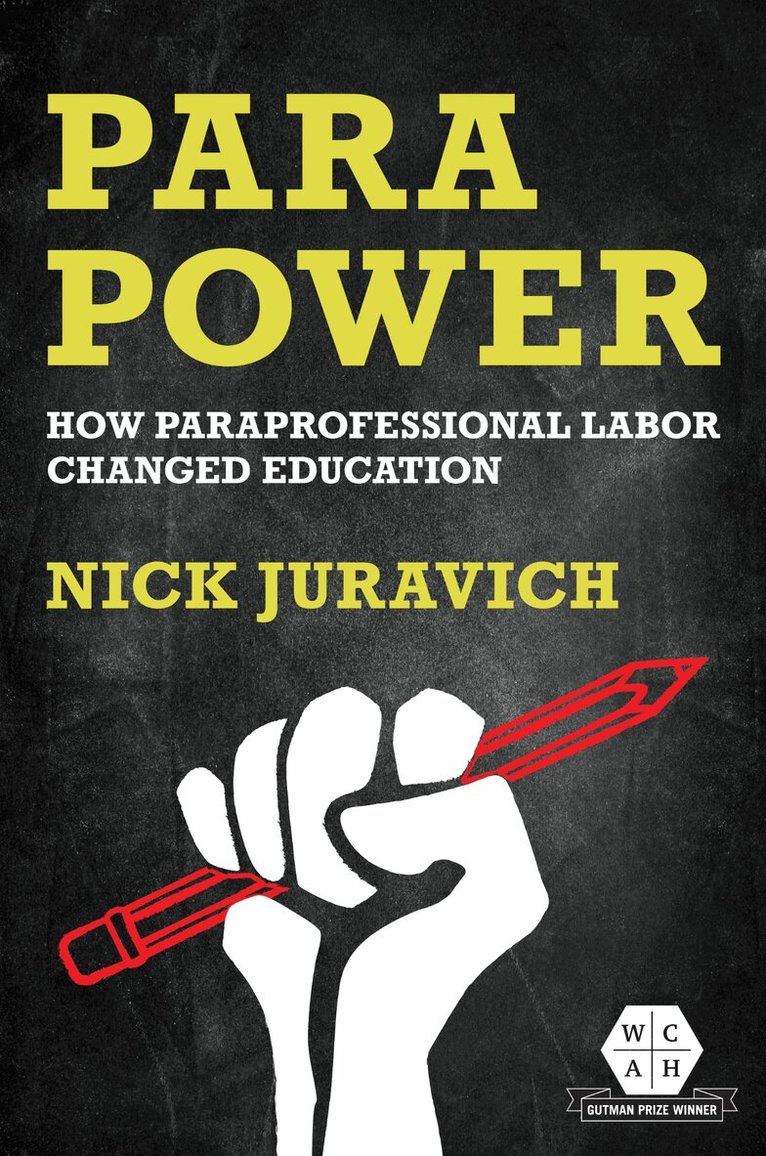
Paraprofessional educators entered US schools amidst the struggles of the late 1960s. Immersed in the crisis of care in public education, paras improved systems of education and social welfare despite low pay and second-rate status. Understanding paras as key players in Black and Latino struggles for jobs and freedom, Nick Juravich details how the first generation of paras in New York City transformed work in public schools and the relationships between schools and the communities they served. Paraprofessional programs created hundreds of thousands of jobs in working-class Black and Latino neighborhoods. These programs became an important pipeline for the training of Black and Latino teachers in the1970s and early 1980s while paras’ organizing helped drive the expansion and integration of public sector unions. An engaging portrait of an invisible profession, Para Power examines the lives and practices of the first generation of paraprofessional educators against the backdrop of struggles for justice, equality, and self-determination.
1 322 kr
Skickas inom 7-10 vardagar
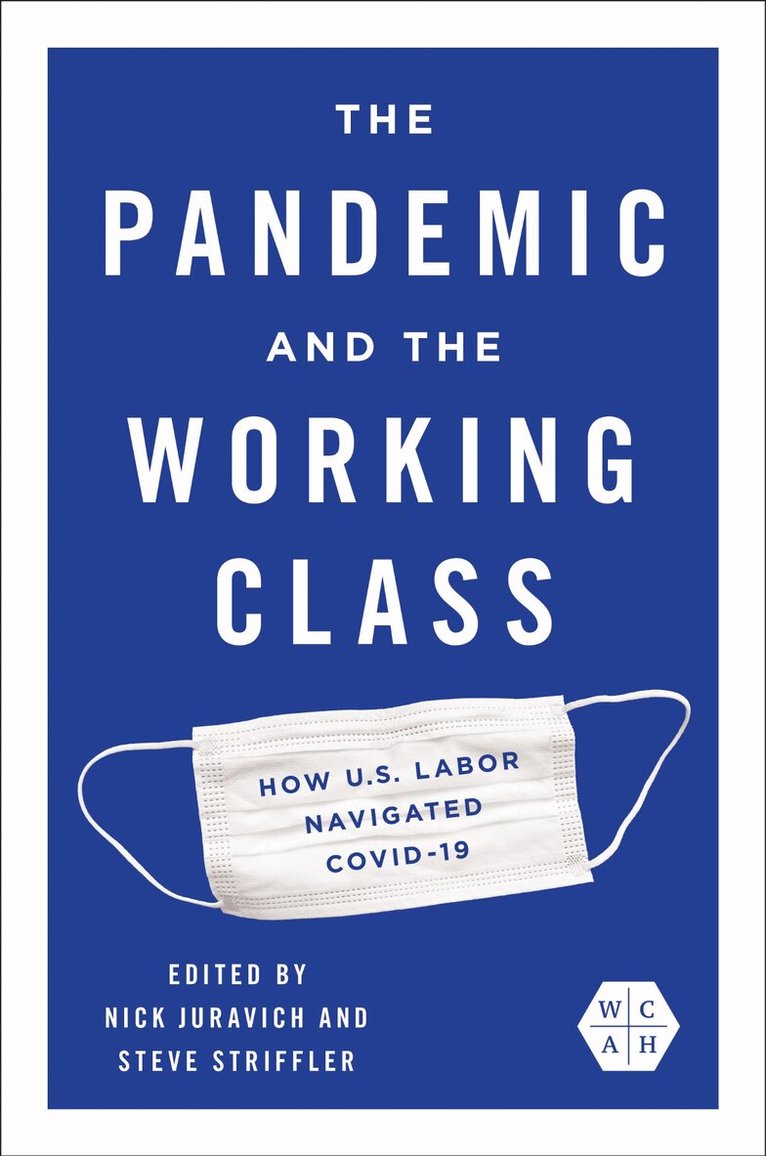
During the COVID-19 pandemic, thousands of workers lost their jobs in sectors from hospitality to transportation, while healthcare and frontline service workers faced a new world of brutal hours in unsafe and even deadly conditions. Yet, as the US economy reopened, workers experienced a rare moment of leverage as demand for labor and government support powered a surge of collective action that allowed working people to seek rights, respect, and power on the job through resignations, walkouts, strikes, and union organizing. The lessons and legacies of this upsurge in organizing continue to shape work, activism, and politics across the nation today. Nick Juravich and Steve Striffler edit a collection that examines the effects of the pandemic on workers. Sections of the book focus on specific impacts and government efforts to restructure the economy; the dramatic effect of the pandemic on the hospitality industry; educators’ response on behalf of themselves and their students; frontline healthcare workers; and the innovative forms of labor organizing that emerged during and after COVID. Contributors: Carlos Aramayo, Kathleen Brown, Sandrine Etienne, Ismael GarcÍa-ColÓn, Puya Gerami, Maura Hagan, Connor Harney, Devan Hawkins, Leigh Howard, Marian Moser Jones, Doris Joy, Nick Juravich, Eric Larson, Kathryn M. Meyer, Samir Sonti, Steve Striffler, Lia Warner, Andrew B. Wolf, and Jennifer Zelnick
301 kr
Skickas inom 7-10 vardagar
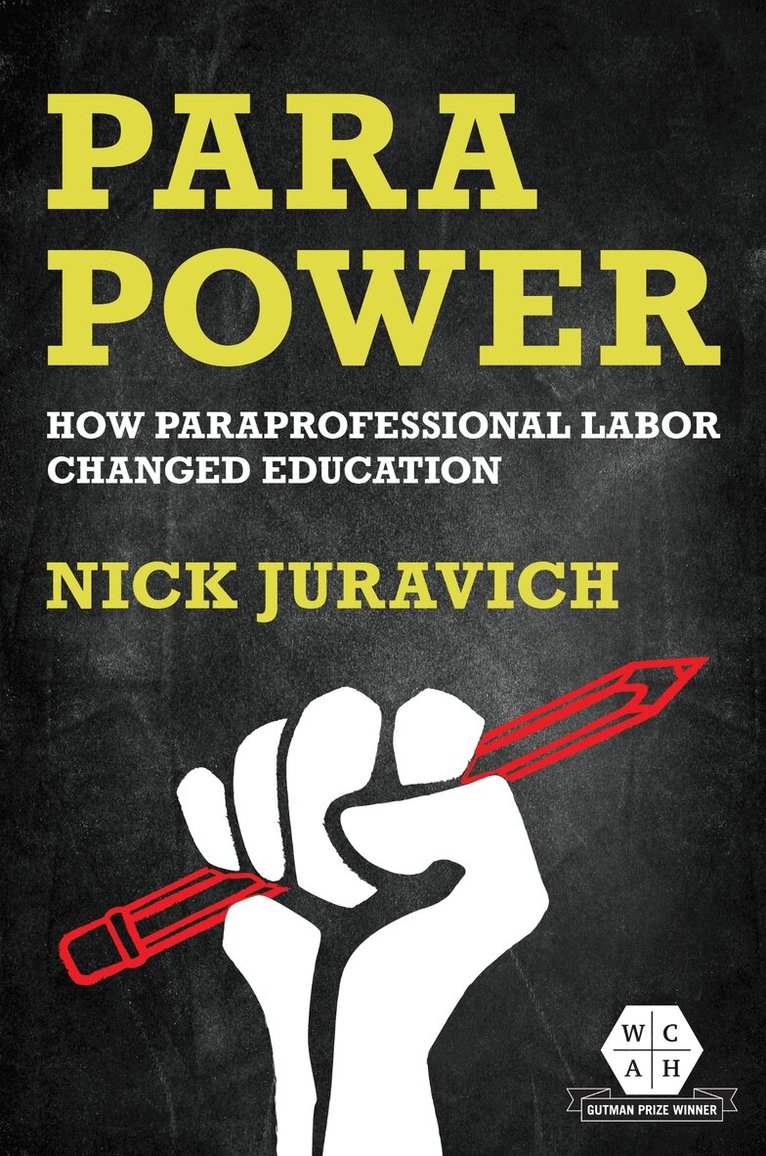
Paraprofessional educators entered US schools amidst the struggles of the late 1960s. Immersed in the crisis of care in public education, paras improved systems of education and social welfare despite low pay and second-rate status. Understanding paras as key players in Black and Latino struggles for jobs and freedom, Nick Juravich details how the first generation of paras in New York City transformed work in public schools and the relationships between schools and the communities they served. Paraprofessional programs created hundreds of thousands of jobs in working-class Black and Latino neighborhoods. These programs became an important pipeline for the training of Black and Latino teachers in the1970s and early 1980s while paras’ organizing helped drive the expansion and integration of public sector unions. An engaging portrait of an invisible profession, Para Power examines the lives and practices of the first generation of paraprofessional educators against the backdrop of struggles for justice, equality, and self-determination.
323 kr
Skickas inom 7-10 vardagar
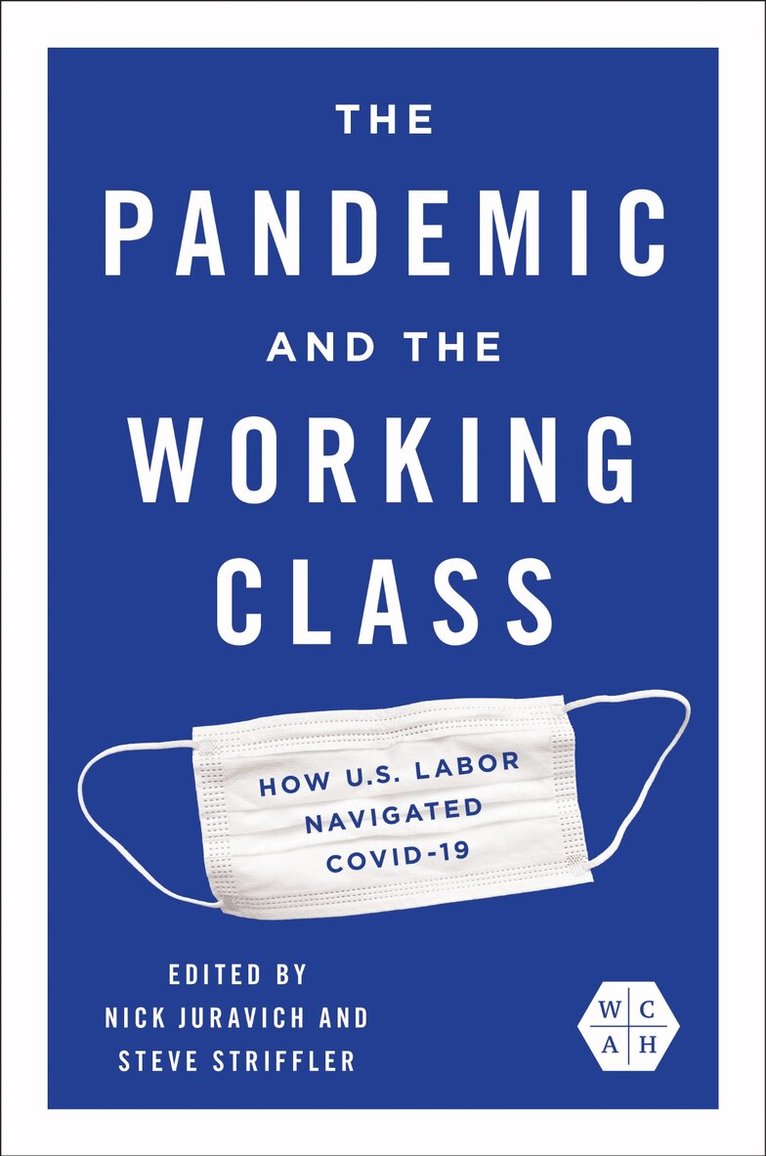
During the COVID-19 pandemic, thousands of workers lost their jobs in sectors from hospitality to transportation, while healthcare and frontline service workers faced a new world of brutal hours in unsafe and even deadly conditions. Yet, as the US economy reopened, workers experienced a rare moment of leverage as demand for labor and government support powered a surge of collective action that allowed working people to seek rights, respect, and power on the job through resignations, walkouts, strikes, and union organizing. The lessons and legacies of this upsurge in organizing continue to shape work, activism, and politics across the nation today. Nick Juravich and Steve Striffler edit a collection that examines the effects of the pandemic on workers. Sections of the book focus on specific impacts and government efforts to restructure the economy; the dramatic effect of the pandemic on the hospitality industry; educators’ response on behalf of themselves and their students; frontline healthcare workers; and the innovative forms of labor organizing that emerged during and after COVID. Contributors: Carlos Aramayo, Kathleen Brown, Sandrine Etienne, Ismael GarcÍa-ColÓn, Puya Gerami, Maura Hagan, Connor Harney, Devan Hawkins, Leigh Howard, Marian Moser Jones, Doris Joy, Nick Juravich, Eric Larson, Kathryn M. Meyer, Samir Sonti, Steve Striffler, Lia Warner, Andrew B. Wolf, and Jennifer Zelnick