Nick Lloyd – författare
Visar alla böcker från författaren Nick Lloyd. Handla med fri frakt och snabb leverans.
29 produkter
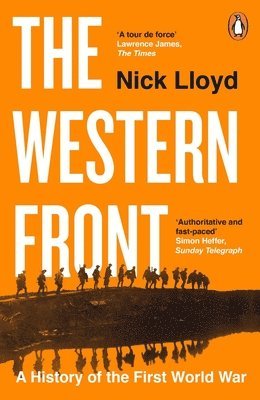
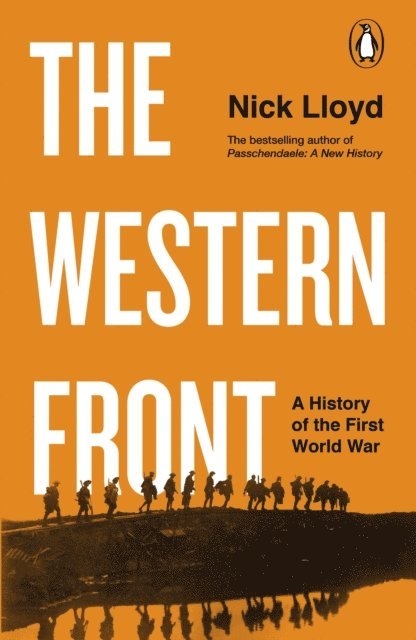
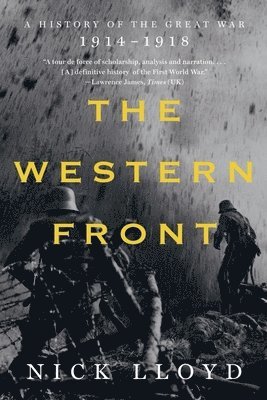
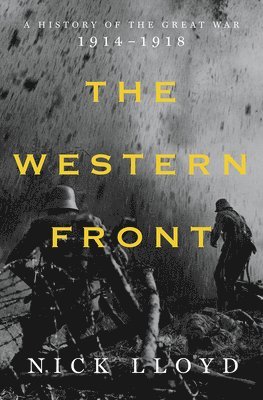
Western Front
A History of the First World War
Av Nick Lloyd
Häftad, 2021
171 kr
Lägg i varukorg
** The latest volume in the World War One trilogy, The Eastern Front, is out now **A SUNDAY TIMES BOOK OF THE YEARA TELEGRAPH BOOK OF THE YEAR'A tour de force of scholarship, analysis and narration . . . Lloyd is well on the way to writing a definitive history of the First World War' Lawrence …
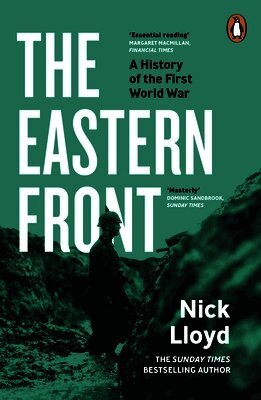
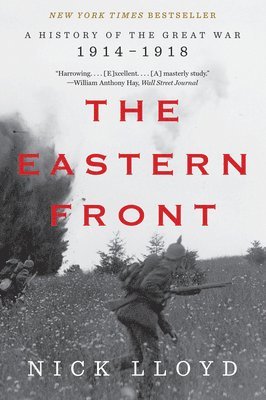
Eastern Front
A History of the First World War
Av Nick Lloyd
Häftad, 2025
147 kr
Lägg i varukorg
'The First World War from a refreshingly unfamiliar angle . . . masterly' Dominic Sandbrook, Sunday Times 'Compelling . . . The Eastern Front is essential reading' Margaret Macmillan, Financial Times‘A masterwork . . . This is the history of the Eastern Front I’ve waited all my life to read’ Simon …
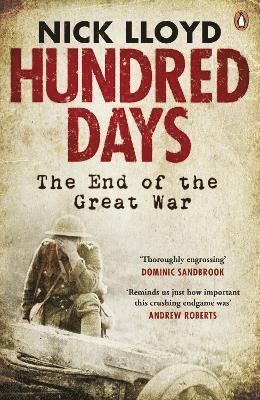
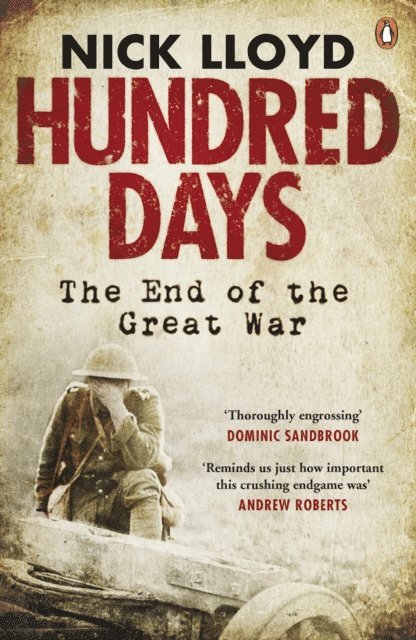
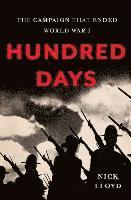
Hundred Days
The End of the Great War
Av Nick Lloyd
Häftad, 2014
157 kr
Lägg i varukorg
An unmissable book that explores the brutal, heroic and extraordinary final days of the First World WarOn the eleventh hour of the eleventh day in November 1918, the guns of the Western Front fell silent.The Armistice, which brought the Great War to an end, marked a seminal moment in modern …
Wider War
A History of the First World War
Av Nick Lloyd
Inbunden, 2027
324 kr
Kommande
The definitive history of the African and Middle Eastern theatres of the First World War, from the Sunday Times and New York Times bestselling author of Passchendaele and The Eastern FrontIn the third and final volume of his landmark First World War trilogy, Nick Lloyd tells the story of the brutal …
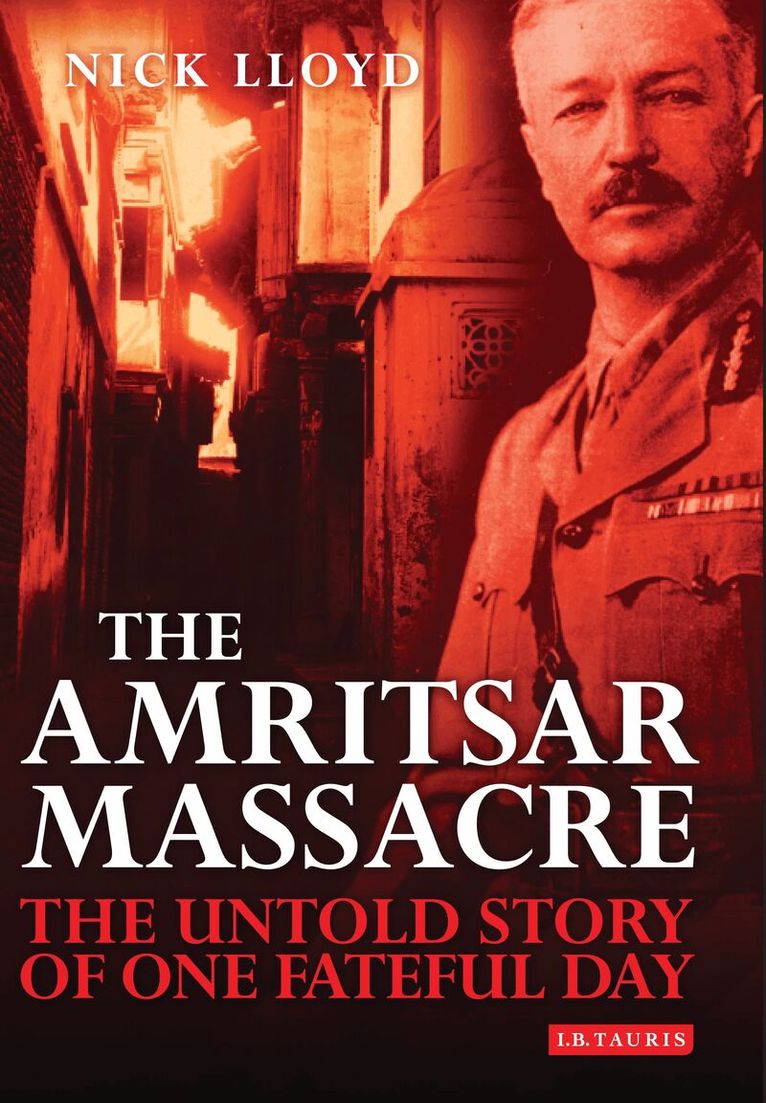
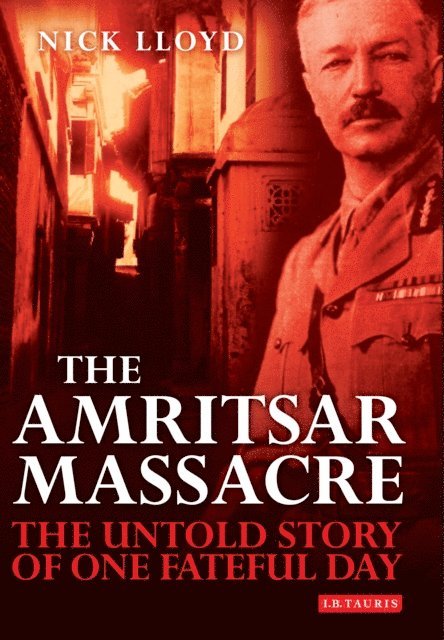
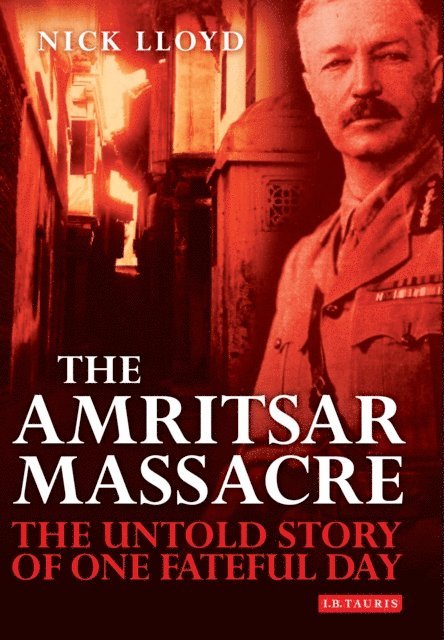
Amritsar Massacre
The Untold Story of One Fateful Day
Av Nick Lloyd
Inbunden, 2011
678 kr
Lägg i varukorg
On 13 April 1919, a fateful event took place which was to define the last decades of the British Raj in India. At 5:10pm on that day, Brigadier-General 'Rex' Dyer led a small party of soldiers through the centre of Amritsar into a walled garden known as the Jallianwala Bagh. He had been informed …
Hundred Days
The End of the Great War
Av Nick Lloyd
E-bok, 2013
108 kr
Lägg i varukorg
An unmissable book that explores the brutal, heroic and extraordinary final days of the First World WarOn the eleventh hour of the eleventh day in November 1918, the guns of the Western Front fell silent.The Armistice, which brought the Great War to an end, marked a seminal moment in European and …
Western Front
A History of the First World War
Av Nick Lloyd
E-bok, 2021
136 kr
Lägg i varukorg
** The latest volume in the World War One trilogy, The Eastern Front, is out now **A SUNDAY TIMES BOOK OF THE YEARA TELEGRAPH BOOK OF THE YEAR'A tour de force of scholarship, analysis and narration . . . Lloyd is well on the way to writing a definitive history of the First World War' Lawrence …
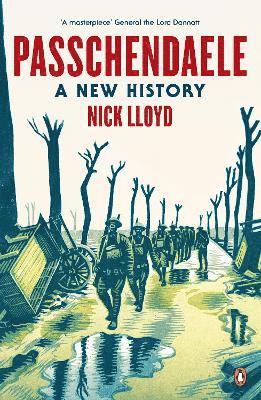
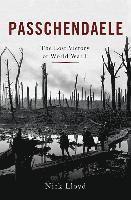
Passchendaele
A New History
Av Nick Lloyd
Häftad, 2017
160 kr
Lägg i varukorg
THE SUNDAY TIMES TOP 10 BESTSELLER'A timely re-appraisal . . . a masterpiece' General Lord Richard DannattThe Third Battle of Ypres was a 'lost victory' for the British Army in 1917. Between July and November 1917, in a small corner of Belgium, more than 500,000 men were killed or maimed, gassed or …
Passchendaele
A New History
Av Nick Lloyd
E-bok, 2017
108 kr
Lägg i varukorg
'A timely re-appraisal . . . a masterpiece' General Lord Richard Dannatt'Sweeps aside mythology and provides a rational explanation and cool description of what took place' Max Hastings, Sunday Times_________________________________Between July and November 1917, in a small corner of Belgium, more …
Passchendaele
A New History
Av Nick Lloyd
Ljudbok, 2017
158 kr
Lägg i varukorg
Penguin presents the audiobook edition of Passchendaele by Nick Lloyd, read by Mark Elstob. Between July and November 1917, in a small corner of Belgium, more than 500,000 men were killed or maimed, gassed or drowned - and many of the bodies were never found. The Ypres offensive represents the …
Eastern Front
A History of the First World War
Av Nick Lloyd
E-bok, 2024
170 kr
Lägg i varukorg
'The First World War from a refreshingly unfamiliar angle . . . masterly' Dominic Sandbrook, Sunday Times 'Compelling . . . The Eastern Front is essential reading' Margaret Macmillan, Financial Times‘A masterwork . . . This is the history of the Eastern Front I’ve waited all my life to read’ Simon …
Western Front
A History of the First World War
Av Nick Lloyd
Ljudbok, 2021
210 kr
Lägg i varukorg
Brought to you by Penguin. In the annals of military history, the Western Front stands as an enduring symbol of the folly and futility of war. However, The Western Front , by bestselling military historian Nick Lloyd, reveals that the story is not, as so many assume, one of pointlessness and …
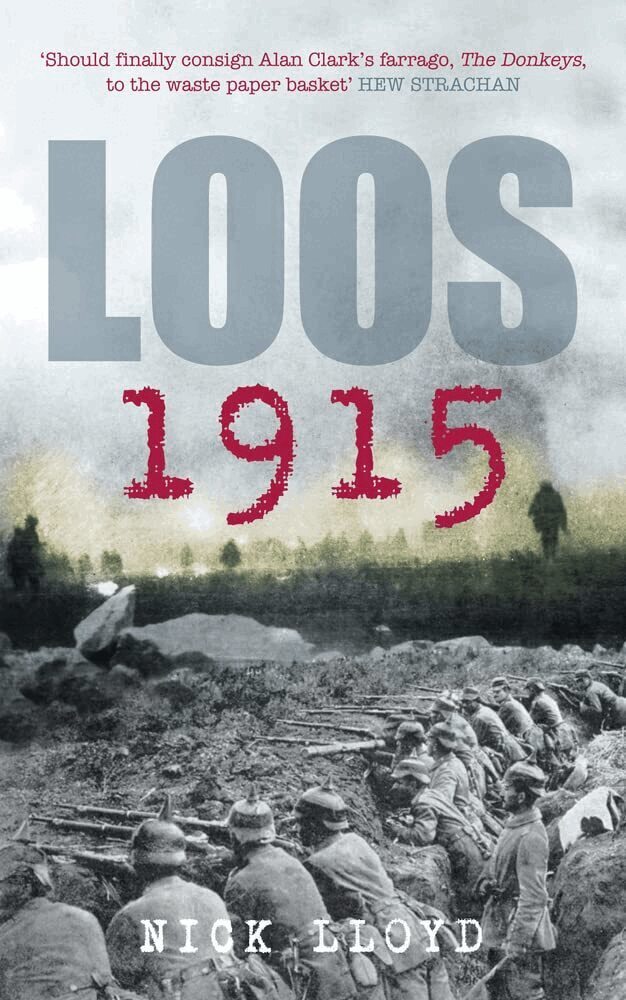
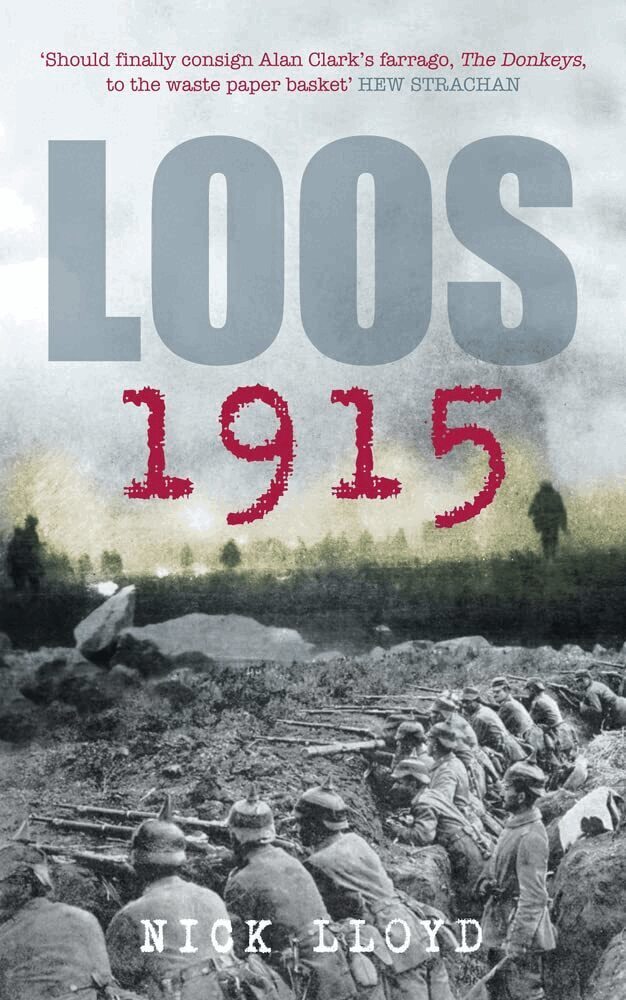
Loos 1915
Av Nick Lloyd
Häftad, 2008
195 kr
Lägg i varukorg
In little over three weeks of intensive fighting, which not only witnessed the first British use of poison gas, but also the debut of New Army divisions filled with citizen volunteers, British forces at Loos managed to drive up to two miles into the German positions. However, they were unable to …
Amritsar Massacre
The Untold Story of One Fateful Day
Av Nick Lloyd
E-bok, 2011
739 kr
Lägg i varukorg
On 13 April 1919, a fateful event took place which was to define the last decades of the British Raj in India. At 5:10pm on that day, Brigadier-General 'Rex' Dyer led a small party of soldiers through the centre of Amritsar into a walled garden known as the Jallianwala Bagh. He had been informed …
Amritsar Massacre
The Untold Story of One Fateful Day
Av Nick Lloyd
E-bok, 2011
723 kr
Lägg i varukorg
On 13 April 1919, a fateful event took place which was to define the last decades of the British Raj in India. At 5:10pm on that day, Brigadier-General 'Rex' Dyer led a small party of soldiers through the centre of Amritsar into a walled garden known as the Jallianwala Bagh. He had been informed …
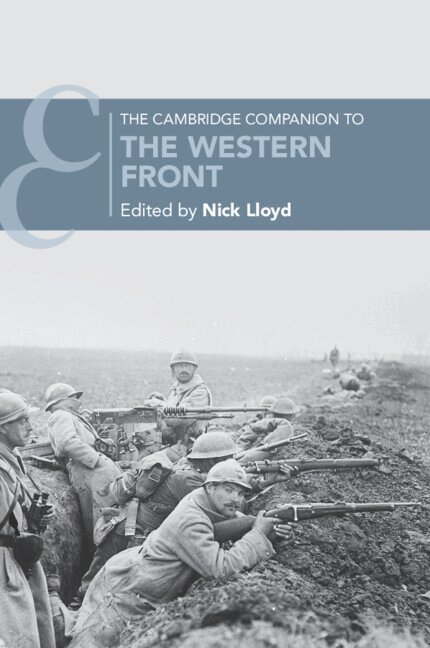
The Cambridge Companion to the Western Front
Av Nick Lloyd
Häftad, 2026
435 kr
Lägg i varukorg
The Western Front remains one of the most iconic, horrifying and controversial aspects of the First World War. This Cambridge Companion is a timely guide to the current state of research into this decisive theatre. Nick Lloyd brings together leading scholars to offer cutting-edge historical surveys …
The Cambridge Companion to the Western Front
Av Nick Lloyd
Inbunden, 2026
1329 kr
Lägg i varukorg
The Western Front remains one of the most iconic, horrifying and controversial aspects of the First World War. This Cambridge Companion is a timely guide to the current state of research into this decisive theatre. Nick Lloyd brings together leading scholars to offer cutting-edge historical surveys …
Medium's Path: Embracing the Spirit's Whisper
Av Nick Lloyd
E-bok, 2026
114 kr
Lägg i varukorg
The Medium's Path: Embracing the Spirit's WhisperWhat if the experiences you cannot explain are the very things that shape who you become?From an early age, Nick Lloyd experienced things he couldn't understand. Experiences that frightened him, fascinated him and left him with questions that would …
Eastern Front – A History of the Great War, 1914–1918
A History of the Great War, 1914-1918
Av Nick Lloyd
Inbunden, 2026
471 kr
Kommande
Writing in the 1920s, Winston Churchill argued that the First World War on the Eastern Front was "incomparably the greatest war in history. In its scale, in its slaughter, in the exertions of the combatants, in its military kaleidoscope, it far surpasses by magnitude and intensity all similar human …
The Western Front - A History of the Great War, 1914-1918
Av Nick Lloyd
Häftad, 2024
284 kr
Lägg i varukorg
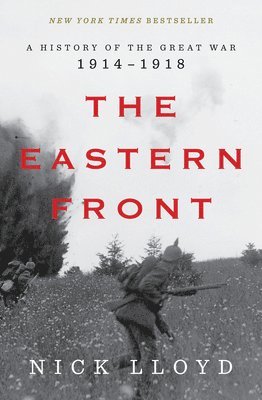
The Eastern Front – A History of the Great War, 1914–1918
A History of the Great War, 1914-1918
Av Nick Lloyd
Häftad, 2025
138 kr
Lägg i varukorg
Writing in the 1920s, Winston Churchill argued that the First World War on the Eastern Front was "incomparably the greatest war in history. In its scale, in its slaughter, in the exertions of the combatants, in its military kaleidoscope, it far surpasses by magnitude and intensity all similar human …
Eastern Front
A History of the First World War
Av Nick Lloyd
Ljudbok, 2024
210 kr
Lägg i varukorg
Brought to you by Penguin. The definitive history of the Eastern Front in the First World War, from the acclaimed military historian and author of Passchendaele and The Western Front In the second volume of his landmark First World War trilogy, Professor Nick Lloyd tells the story for the first …
The Western Front – A History of the Great War, 1914–1918
A History of the Great War, 1914-1918
Av Nick Lloyd
Inbunden, 2026
348 kr
Kommande
The Western Front evokes images of mud-spattered men in waterlogged trenches, shielded from artillery blasts and machine-gun fire by a few feet of dirt. This iconic setting was the most critical arena of the Great War, a 400-mile combat zone stretching from Belgium to Switzerland where more than …
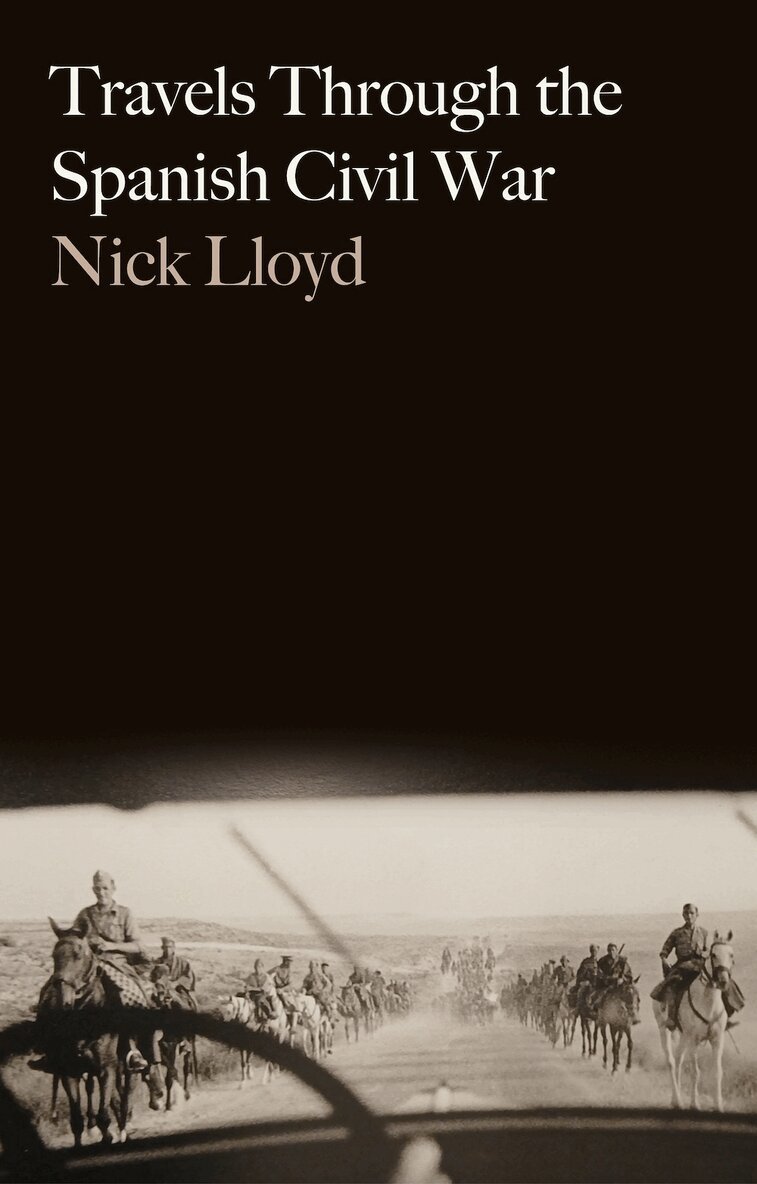
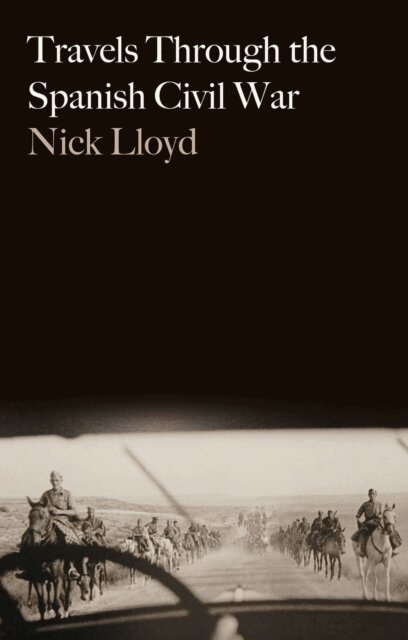
Travels Through the Spanish Civil War
Av Nick Lloyd
Häftad, 2025
245 kr
Lägg i varukorg
A revelatory journey into the Spanish Civil War's physical and visual legacies, investigating how conflict is memorialised, and obscured, today.Fifty years after Franco's death, and almost ninety since the Civil War began, the scars of violence still run deep in Spain. Nick Lloyd traces this legacy …
Travels Through the Spanish Civil War
Av Nick Lloyd
E-bok, 2025
243 kr
Lägg i varukorg
The Spanish Civil War was one of the twentieth century’s most momentous conflicts. Nick Lloyd explores its causes and consequences through various road trips across Spain and into the rest of Europe. Setting off from Barcelona, he journeys around Catalonia and Aragón, among the last regions to fall …
Loos 1915
Av Nick Lloyd
Inbunden, 2006
271 kr
Tillfälligt slut
In little over three weeks of intensive fighting, which not only witnessed the first British use of poison gas, but also the debut of New Army divisions filled with citizen volunteers, British forces at Loos managed to drive up to two miles into the German positions. However, they were unable to …