Nicola Dibben - Böcker
Visar alla böcker från författaren Nicola Dibben. Handla med fri frakt och snabb leverans.
5 produkter
5 produkter
837 kr
Skickas inom 7-10 vardagar
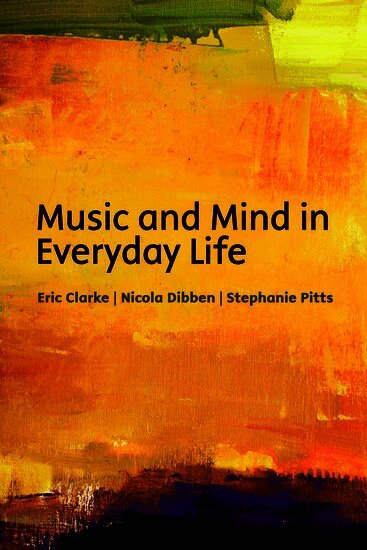
Music pervades everyday life - in homes, on trains and planes, in cars and shops, at births and deaths, at weddings and war, in concert halls, clubs, stadiums, and fields. In so many ways, music marks and orchestrates the ways in which people experience the world together. What is it that makes people want to live their lives to the sound of music, and why do so many of our most private experiences and most public spectacles incorporate - or even depend on - music? 'Music and Mind in Everyday Life' uses psychology to understand musical behaviour and experience in a range of circumstances, including composing and performing, listening and persuading, and teaching and learning. Starting from 'real world' examples of musical experiences, it critically examines the ways in which psychology can explain people's diverse experience of, and engagement with music, focusing on how music is used, acquired, and made in a range of familiar musical contexts. Using a framework of real and imagined musical scenarios, the book draws on a wide range of research in the psychology of music and music education.The book is organized into three central sections. In Making Music it tackles the psychology of playing, improvising, and composing music, understood as closely related and integrated activities. In Using Music the authors address the ways in which people listen to music, manage their emotions, moods, and identities with music, and use music for therapy, persuasion and social control. In Acquiring Music they consider music in human development, and in a range of more formal and informal educational contexts. The final chapter provides an overview of the history and preoccupations of music psychology as a discipline, and concludes with some remarks on the wider significance of music psychology for an understanding of human subjectivity. Drawing on a wide range of research in music psychology and music education, the book will make fascinating reading for musicians and music scholars, as well as those in the fields of music psychology and music education.
1 799 kr
Kommande
Recorded music creation and consumption underwent a huge shift in the first two decades of the 20th century: from physical artifacts to digital; from fixed personal computers to mobile devices; from downloading and owning to streaming and access. This had a significant impact on the music 'assemblage’ – the audio, performances, videos, films, books, games – that make up what we think of as ‘music,’ and gave rise to new forms of musical new media. Björk's Biophilia, widely acclaimed as the first ‘app album,’ is one response to this context. Drawing on her direct experience as part of the creative team who made Biophilia musicologist Nicola Dibben investigates how popular music practices intersect with digital technologies at their moment of emergence in two domains: music software applications (‘apps’) for touchscreen technologies of tablet computer and smartphone, and in extended reality. She shows the way these new media formats maintain musical traditions as much as they innovate, explores the future of the album as a musical artifact in the digital age, and identifies emerging new music forms and engagements which may come to define our digital musical futures.
511 kr
Kommande
Recorded music creation and consumption underwent a huge shift in the first two decades of the 20th century: from physical artifacts to digital; from fixed personal computers to mobile devices; from downloading and owning to streaming and access. This had a significant impact on the music 'assemblage’ – the audio, performances, videos, films, books, games – that make up what we think of as ‘music,’ and gave rise to new forms of musical new media. Björk's Biophilia, widely acclaimed as the first ‘app album,’ is one response to this context. Drawing on her direct experience as part of the creative team who made Biophilia musicologist Nicola Dibben investigates how popular music practices intersect with digital technologies at their moment of emergence in two domains: music software applications (‘apps’) for touchscreen technologies of tablet computer and smartphone, and in extended reality. She shows the way these new media formats maintain musical traditions as much as they innovate, explores the future of the album as a musical artifact in the digital age, and identifies emerging new music forms and engagements which may come to define our digital musical futures.
1 132 kr
Skickas inom 5-8 vardagar
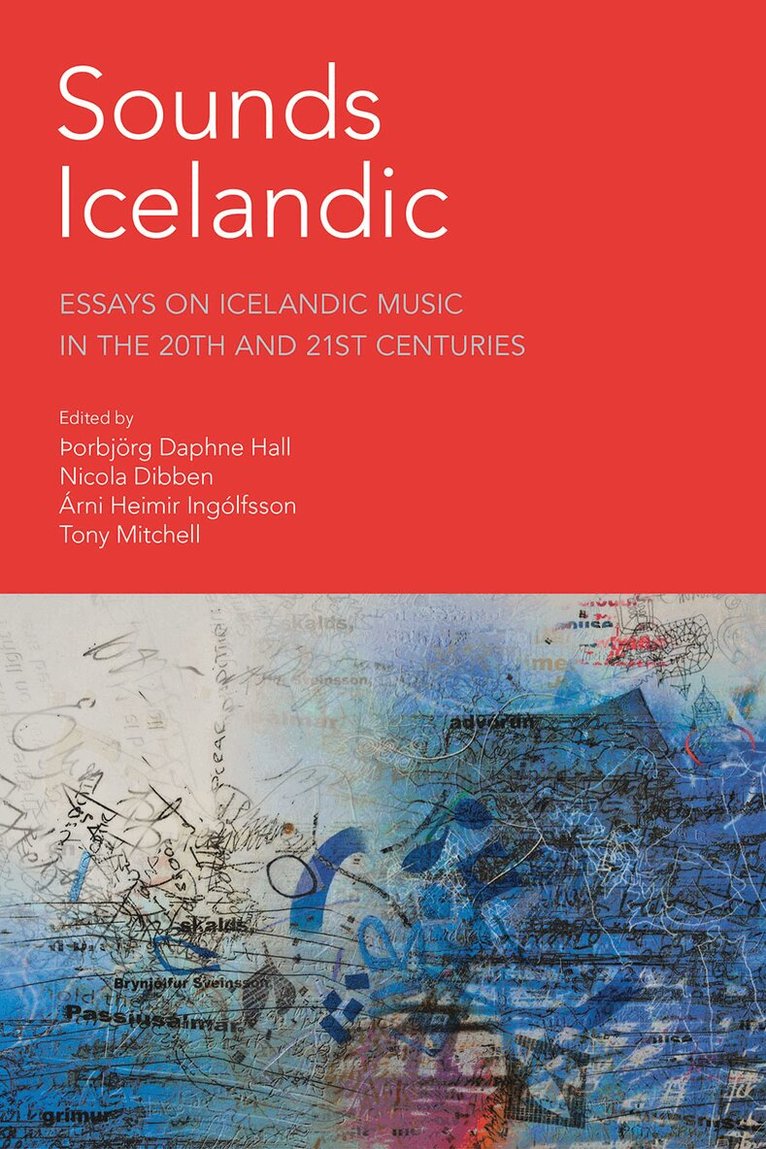
Over the past 25 years, Icelandic music has been gaining considerable international attention. This is attested to by the international success of such acts as the Sugarcubes, and then Bjork as a solo artist, followed by the worldwide success of Sigur Ros, and more recently Of Monsters and Men. And these artists reveal themselves to be 'the tip of the iceberg', once one delves further into the music of Iceland and the myriad of genres that are thrive there. That such a small country can produce so much music of quality, value and acclaim is a fascinating situation that has boosted Icelandic tourism and made the country the 'hippest' place in the world. This is a book of wide-ranging essays on different aspects of Icelandic music, from the ancient traditional chants of rimur to the large output of classical music by nationalist composer Jon Leifs and others, to the plethora of Icelandic rock and pop groups that have already made an impact on the world as well as more idiosyncratic and genre-bending musicians now emerging from the Reykjavik music scene.
349 kr
Skickas inom 5-8 vardagar
This book provides the first musicologically-informed account of Icelandic singer-songwriter Bjork's work to date. Bjork is internationally recognised for her unique and innovative musical style, and her collaborative working relationship with artists, musicians and engineers. Her work crosses the boundaries between club and dance culture and 'high art', and has won numerous awards, including an award for Best Actress (Cannes Film Festival) for her role in the film "Dancer the Dark", for which she also wrote and scored the music.This book presents an analysis of audio and video tracks, live performances and recorded sound, looked at through the interviews, videos, critical reception, and fanzines that surround the music. Reference is made to the whole of her career, but the focus is on her solo career from Debut onwards. The analysis reveals recurrent cultural themes brought into focus by her music: landscape and identity, the relationship between humans and technology, song as a vehicle for emotional expression, and female autonomy.There are additional chapters on her compositional process, to include newly gathered interview material, and on the critical-musicological approach adopted in this book.