Nicolaus Mills – författare
Visar alla böcker från författaren Nicolaus Mills. Handla med fri frakt och snabb leverans.
11 produkter
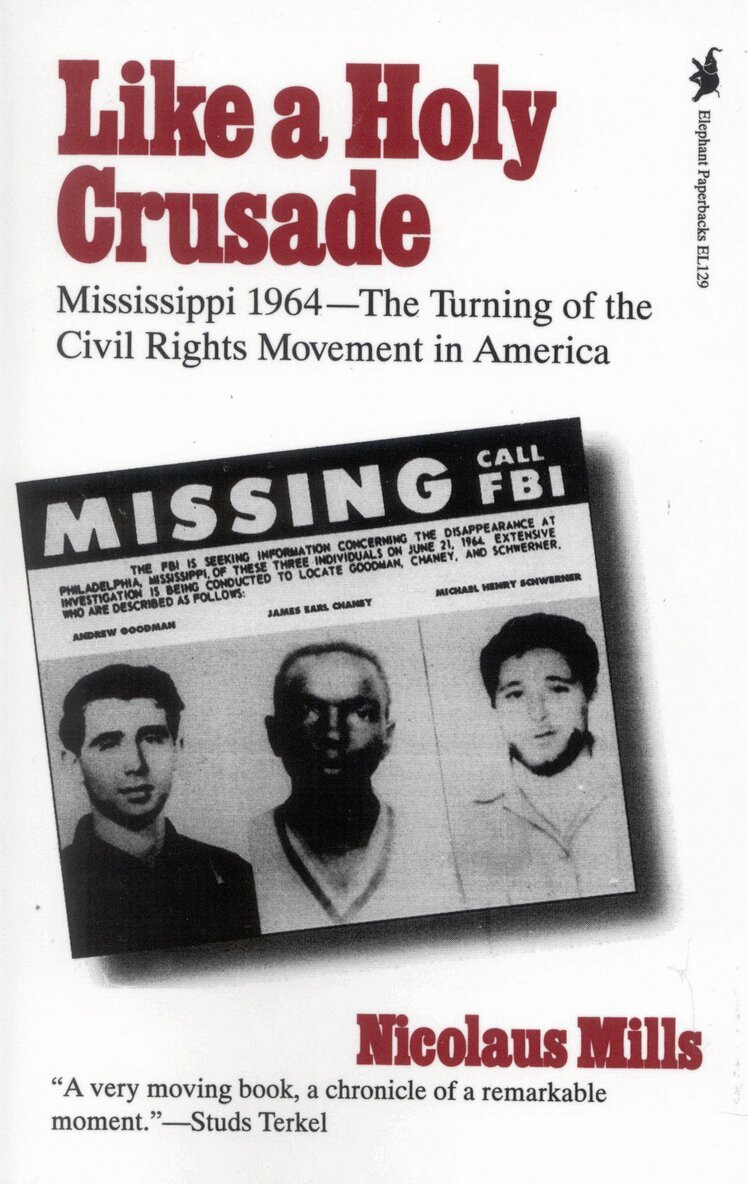
Like a Holy Crusade
Mississippi 1964 -- The Turning of the Civil Rights Movement in America
Häftad, 1993
225 kr
Lägg i varukorg
The year 1964 produced a watershed in American race relations. In one of the civil rights movement's most dramatic initiatives, thousands of Northern white college students were recruited to come south that summer in an effort to "break" Mississippi and secure voting rights for its black citizens. …
50 Years of Dissent
Av Nicolaus Mills, Michael Walzer
Häftad, 2004
601 kr
Lägg i varukorg
A selection of influential articles from a prestigious magazine celebrating its fiftieth anniversaryDissent was founded in 1954 by intellectuals angered by the rightward drift of the country but uneasy with the dogmatism they saw on the American left, and it has provoked debates about political …
The New Killing Fields: Massacre and the Politics of Intervention
Av Kira Brunner, Nicolaus Mills m. fl.
Häftad, 2003
296 kr
Lägg i varukorg
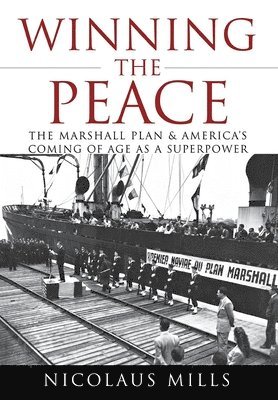
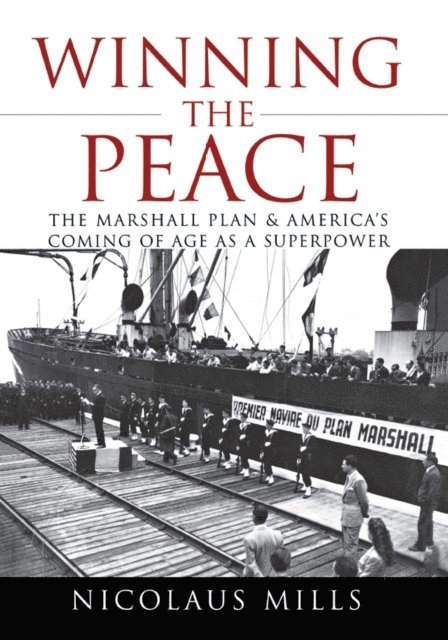
Winning the Peace: The Marshall Plan and America's Coming of Age as a Superpower
Inbunden, 2008
440 kr
Lägg i varukorg
Arguing Immigration
The Controversy and Crisis Over the Future of Immigration in America
Av Nicolaus Mills, Nicolaus Mills
Häftad, 1994
166 kr
Lägg i varukorg
This remarkable collection of writings provides a wide diversity of answers to one of today's most emotionally charged questions.Spanning the whole political spectrum and covering issues from jobs and the economy to race and culture, it includes the strong opinions of writers and critics from Toni …
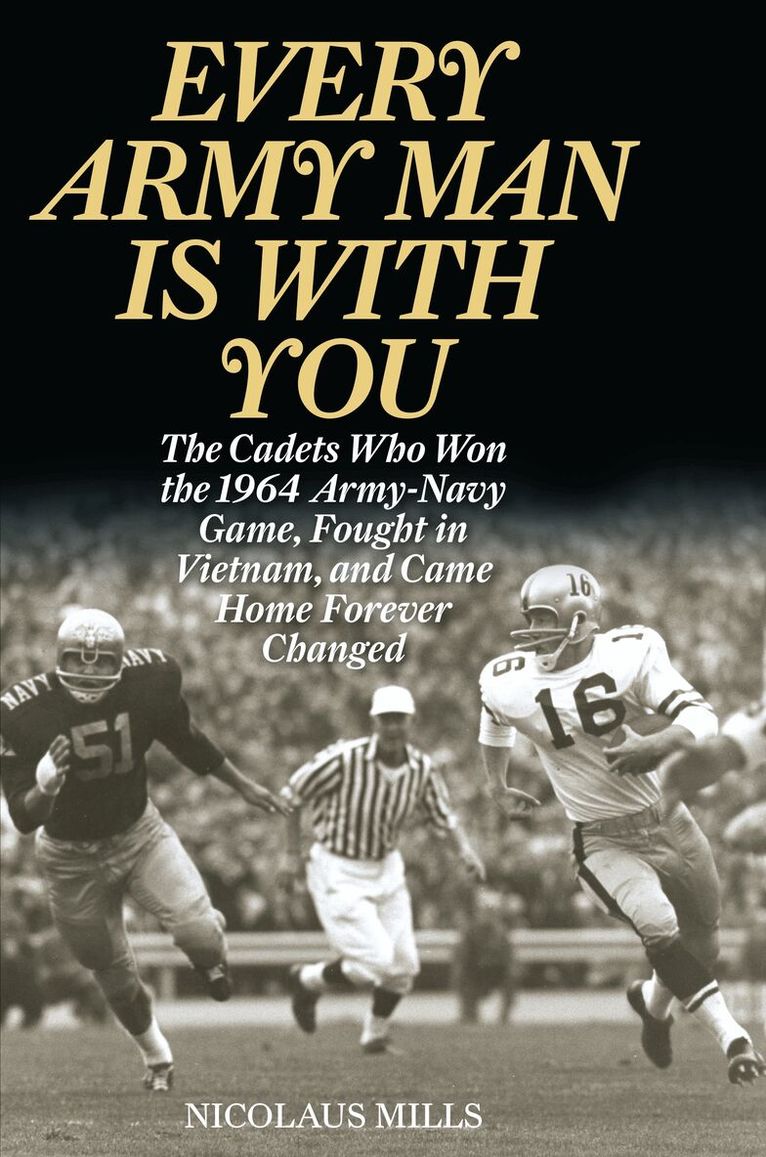
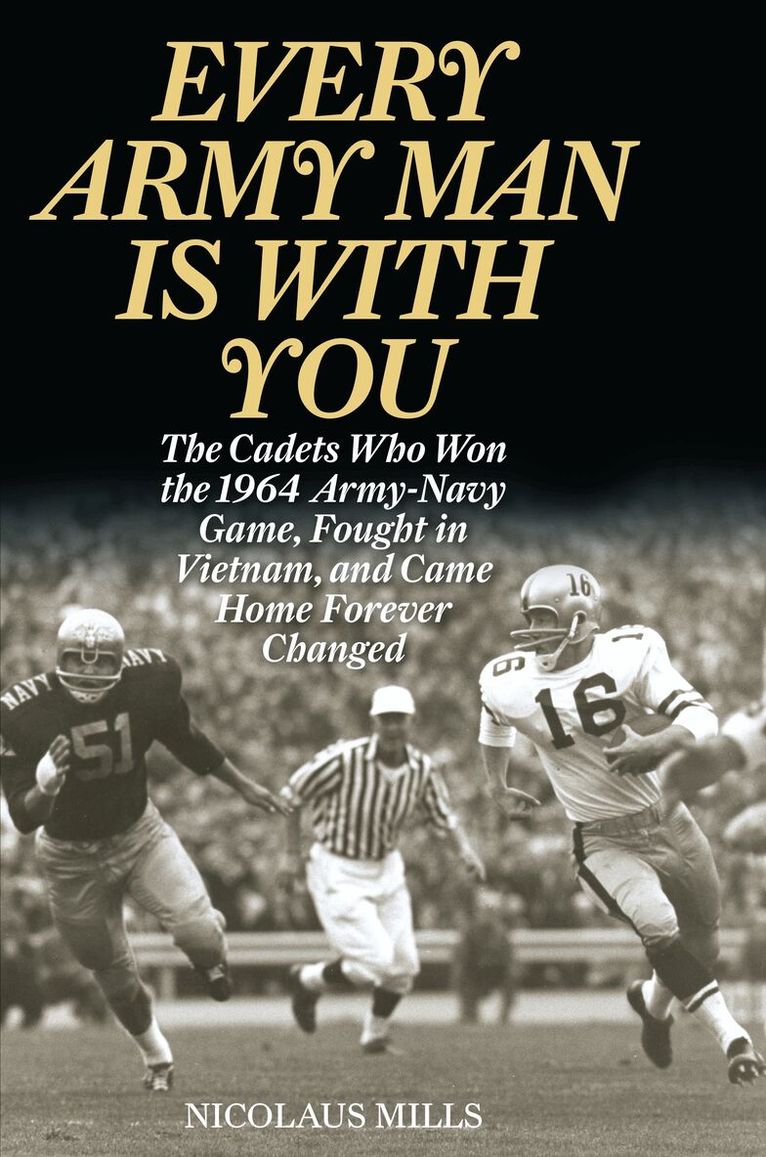
Every Army Man Is with You
The Cadets Who Won the 1964 Army-Navy Game, Fought in Vietnam, and Came Home Forever Changed
Häftad, 2017
444 kr
Lägg i varukorg
For Army’s players, their 1964 football game against a Navy team led by its Heisman Trophy-winning quarterback, Roger Staubach, was a do-or-die battle. Army had lost to Navy five years in a row. This time a stunning victory by Army changed the Cadets’ fortunes and made headlines across the country. …
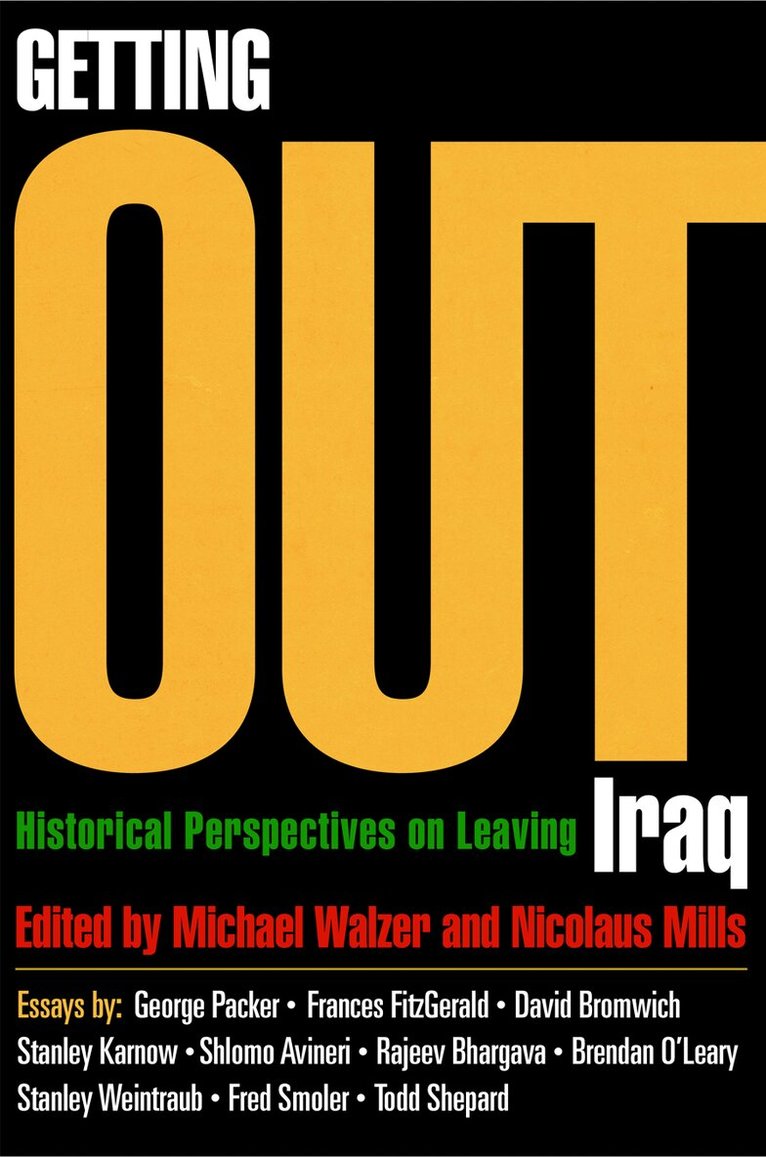
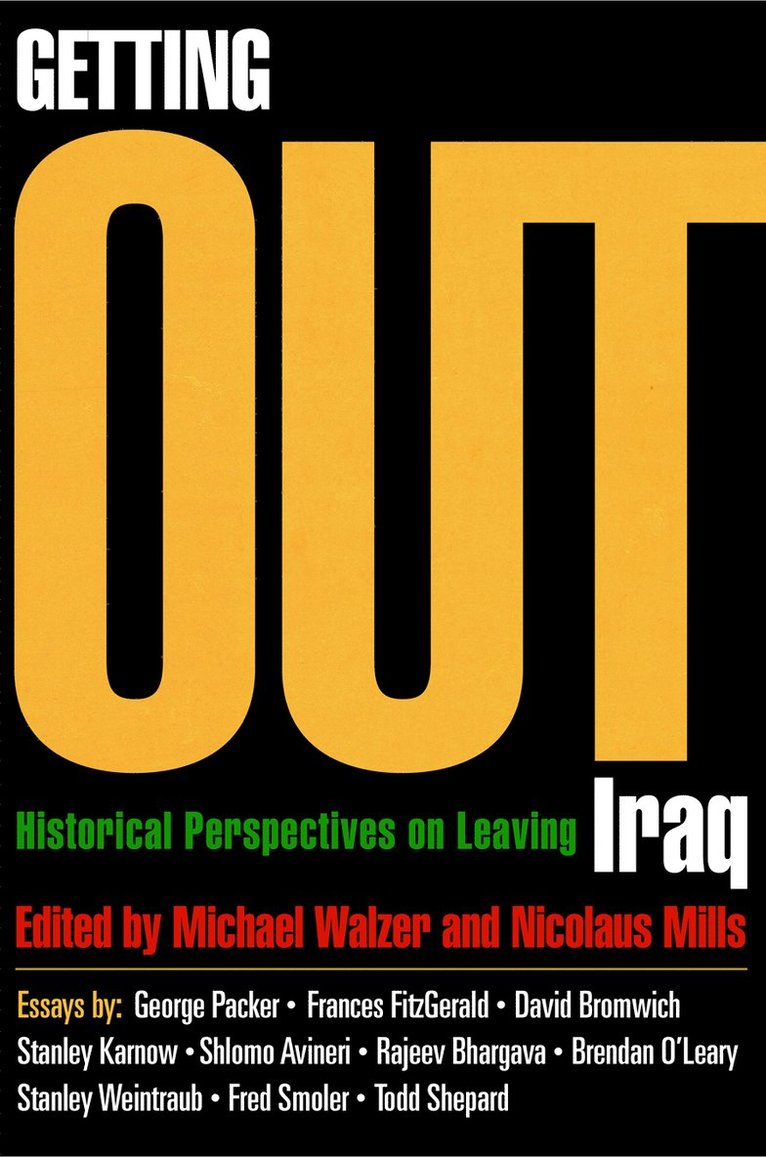
Getting Out
Historical Perspectives on Leaving Iraq
Av Michael Walzer, Nicolaus Mills
E-bok, 2011
571 kr
Lägg i varukorg
Eventually every conqueror, every imperial power, every occupying army gets out. Why do they decide to leave? And how do political and military leaders manage withdrawal? Do they take with them those who might be at risk if left behind? What are the immediate consequences of departure? For Michael …
Getting Out
Historical Perspectives on Leaving Iraq
Av Michael Walzer, Nicolaus Mills
Inbunden, 2009
474 kr
Lägg i varukorg
Eventually every conqueror, every imperial power, every occupying army gets out. Why do they decide to leave? And how do political and military leaders manage withdrawal? Do they take with them those who might be at risk if left behind? What are the immediate consequences of departure? For Michael …
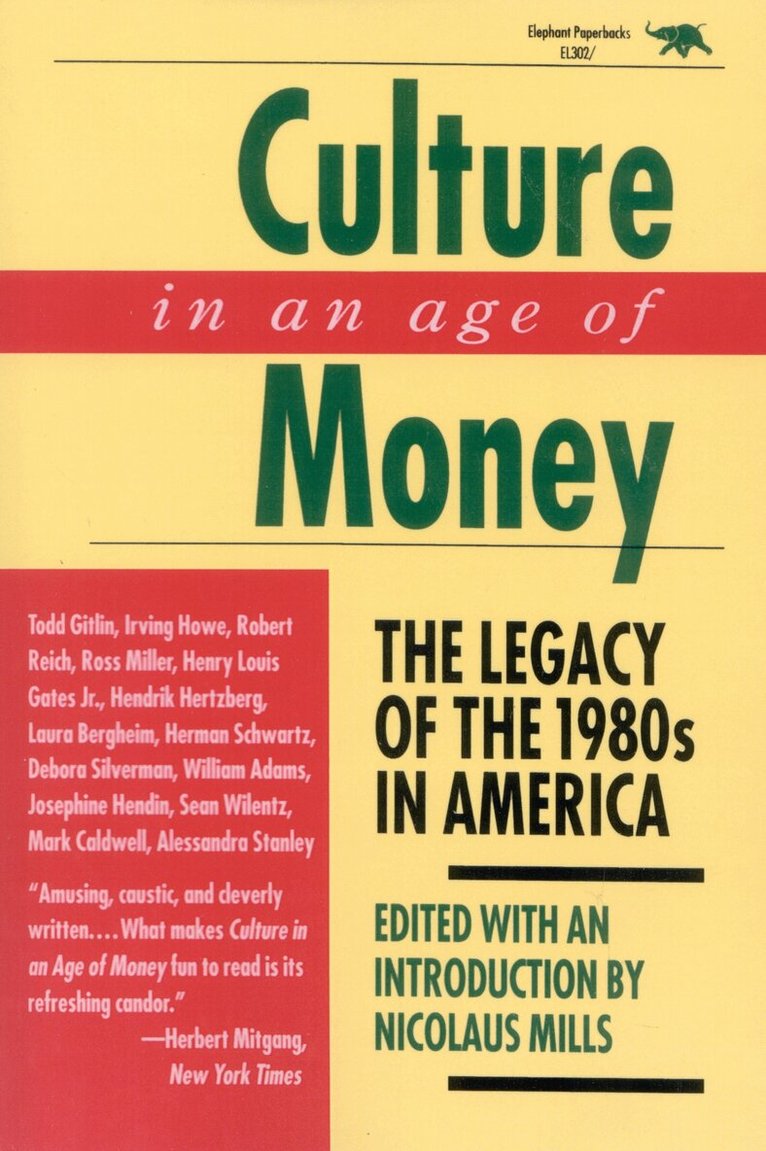
Culture in an Age of Money
The Legacy of the 1980s in America
Häftad, 1991
219 kr
Lägg i varukorg
Fifteen brilliant essays on the kind of culture created by the magic of the marketplace in 1980s America, from architecture to the yuppie ascendancy. Amusing, caustic and cleverly written....What makes Culture in an Age of Money fun to read is its refreshing candor. —New York Times
Every Army Man Is with You
The Cadets Who Won the 1964 Army-Navy Game, Fought in Vietnam, and Came Home Forever Changed
Inbunden, 2014
662 kr
Lägg i varukorg
For Army’s players, their 1964 football game against a Navy team led by its Heisman Trophy-winning quarterback, Roger Staubach, was a do-or-die battle. Army had lost to Navy five years in a row. This time a stunning victory by Army changed the Cadets’ fortunes and made headlines across the country. …
Winning the Peace
The Marshall Plan and America''s Coming of Age as a Superpower
E-bok, 2008
202 kr
Lägg i varukorg
Politicians of every stripe frequently invoke the Marshall Plan in support of programs aimed at using American wealth to extend the nation''s power and influence, solve intractable third-world economic problems, and combat world hunger and disease. Do any of these impassioned advocates understand …