Nicole Tonkovich - Böcker
Visar alla böcker från författaren Nicole Tonkovich. Handla med fri frakt och snabb leverans.
6 produkter
6 produkter
776 kr
Skickas inom 10-15 vardagar
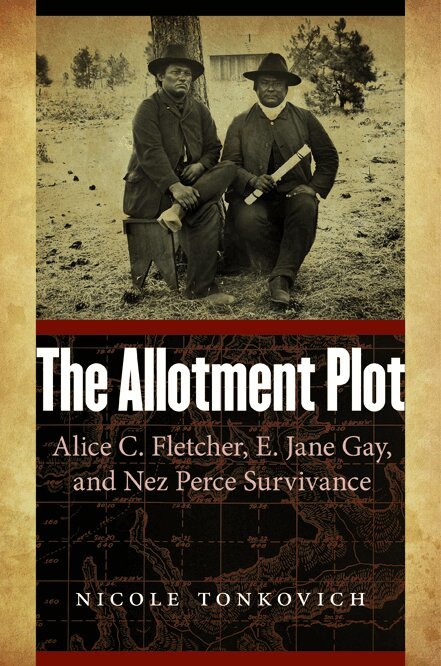
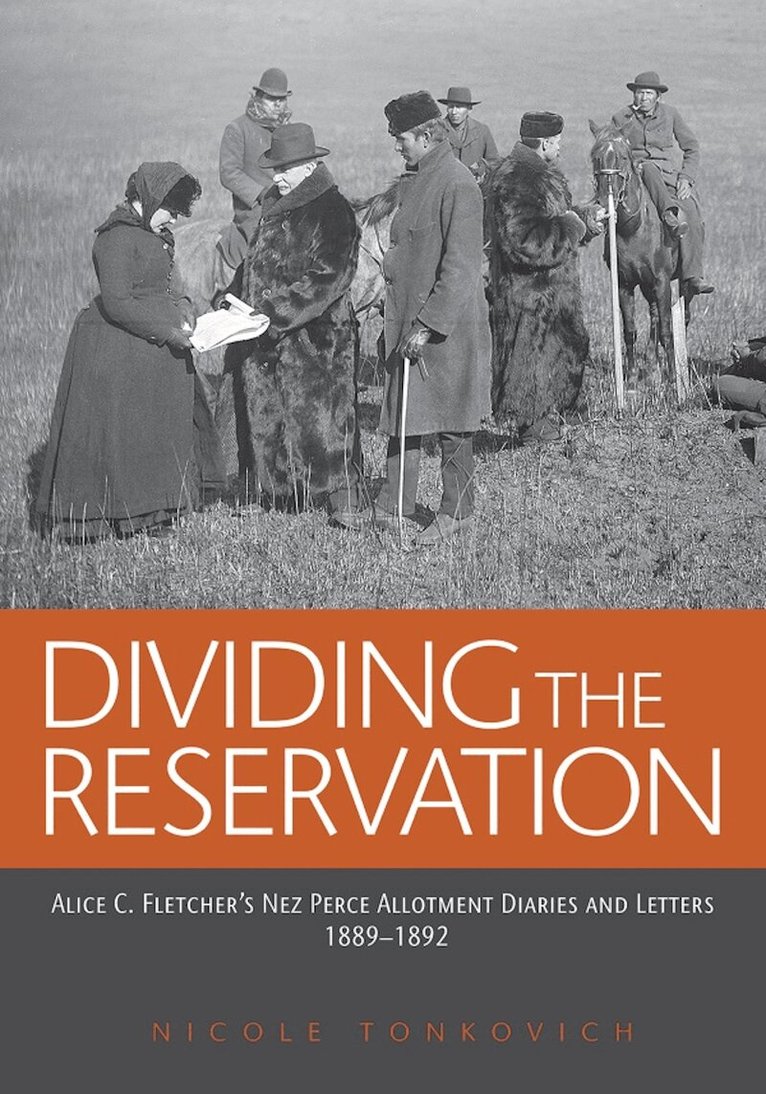
Named the 2013 Caroline Bancroft History Prize Honor Book by the Denver Public LibraryThe Allotment Plot reexamines the history of allotment on the Nez Perce Reservation from 1889 to 1892 to account for and emphasize the Nez Perce side of the story. By including Nez Perce responses to allotment, Nicole Tonkovich argues that the assimilationist aims of allotment ultimately failed due in large part to the agency of the Nez Perce people themselves throughout the allotment process. The Nez Perce were actively involved in negotiating the terms under which allotment would proceed and were simultaneously engaged in ongoing efforts to protect their stories and other cultural properties from institutional appropriation by the allotment agent, Alice C. Fletcher, a respected anthropologist, and her photographer and assistant, E. Jane Gay. The Nez Perce engagement in this process laid a foundation for the long-term survival of the tribe and its culture.Making use of previously unexamined archival sources, Fletcher’s letters, Gay’s photographs and journalistic accounts, oral tribal histories, and analyses of performances such as parades and verbal negotiations, Tonkovich assembles a masterful portrait of Nez Perce efforts to control their own future and provides a vital counternarrative of the allotment period, which is often portrayed as disastrous to Native polities.
361 kr
Skickas inom 10-15 vardagar
The practice of plural marriage, commonly known as polygamy, stirred intense controversy in postbellum America until 1890, when the Church of Jesus Christ of Latter-day Saints first officially abolished the practice. Elder Northfield's Home, published by A. Jennie Bartlett in 1882, is both a staunchly antipolygamy novel and a call for the sentimental repatriation of polygamy's victims. Her book traces the fate of a virtuous and educated English immigrant woman, Marion Wescott, who marries a Mormon elder, Henry Northfield. Shocked when her husband violates his promise not to take a second wife, Marion attempts to flee during the night, toddler son in her arms and pulling her worldly possessions in his toy wagon. She returns to her husband, however, and the balance of the novel traces the effects of polygamy on Marion, Henry, and their children; their eventual rejection of plural marriage; and their return to a normal and healthy family structure.Nicole Tonkovich's critical introduction includes both historical contextualization and comments on selected primary documents, providing a broader look at the general public's reception of the practice of polygamy in the nineteenth century.
397 kr
Skickas inom 5-8 vardagar
The American Womans Home, originally published in 1869, was one of the late nineteenth centurys most important handbooks of domestic advice. The result of a collaboration by two of the eras most important writers, this book represents their attempt to direct womens acquisition and use of a dizzying variety of new household consumer goods available in the postCivil War economic boom. It updates Catharine Beechers influential Treatise on Domestic Economy (1841) and incorporates domestic writings by Harriet Beecher Stowe first published in The Atlantic in the 1860s. Today, the book can be likened to an anthology of household hints, with articles on cooking, decorating, housekeeping, child-rearing, hygiene, gardening, etiquette, and home amusements. The American Womans Home, almost a bible on domestic topics for Victorian women, illuminates womens roles a century and a half ago and can be used for comparison with modern theories on the role of women in the home and in society. Illustrated with the original engravings, this completely new edition offers a lively introduction by Nicole Tonkovich and notes linking the text to important historical, social, and cultural events of the late nineteenth century
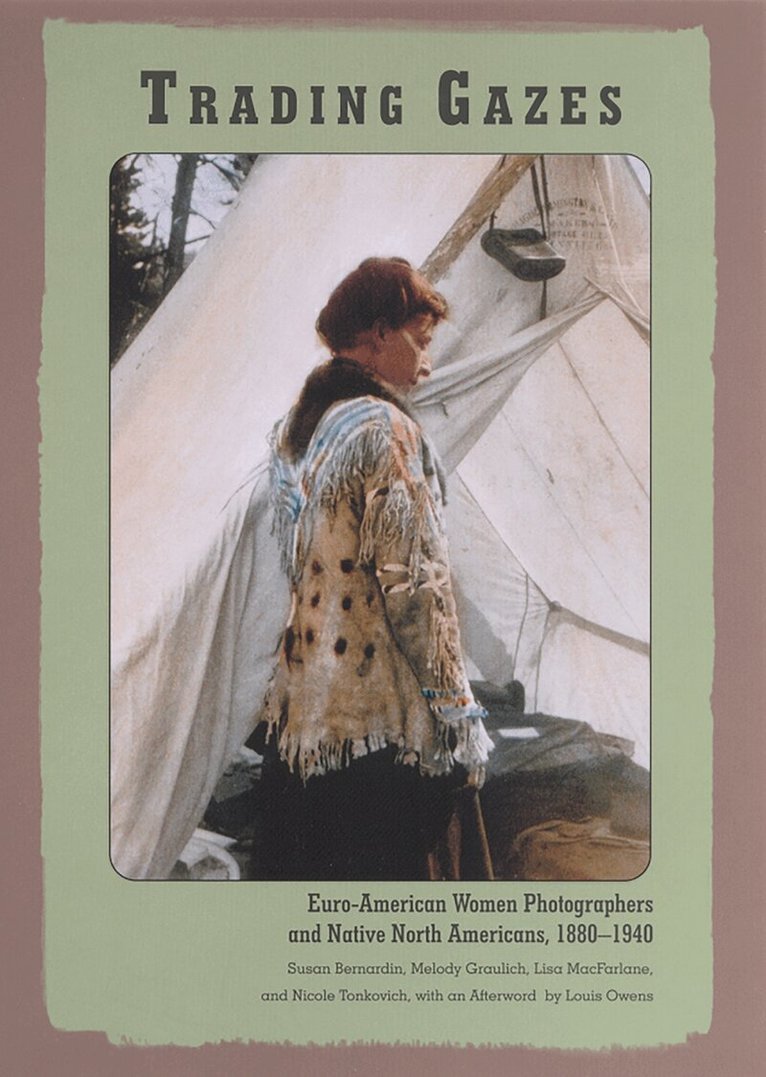
Trading Gazes
Euro-American Women Photographers and Native North Americans, 1880-1940
Häftad, Engelska, 2003
412 kr
Skickas inom 11-20 vardagar
The story of westering Americans in the late nineteenth and early twentieth centuries has been told most notably through photographs of American Indians. Unlike this vast archive, produced primarily by male photographers, which depicted American Indians as either vanishing or domesticated, the lesser-known images by the women featured in Trading Gazes provide new ways of seeing the intersecting histories of colonial expansion and indigenous resistance. Four unconventional women-Jane Gay, who documented land allotment to the Nez Perces; Kate Cory, an artist who lived for years in a Hopi community; Grace Nicholson, who purchased cultural items from the Karuk and other northern California tribes; and Mary Schaffer, who traveled among the Stoney and MÉtis of Alberta, Canada-used cameras to document their cross-cultural encounters.Trading Gazes reconstructs the rich biographical and historical contexts explaining these women's presence in different Native communities of the North American West. Their photographs not only record the unprecedented opportunities available for Euro-American women eager to shed gender restrictions, but also reveal how women's newfound mobility depended on the increasing restrictions placed on Native Americans in this era. By tracing the complex, often unexpected relationships forged between these women, their cameras, and the Native subjects of their photographs, Trading Gazes offers a new focus for recovering women's histories in the West while bringing attention to the complicated legacies of these images for Native and non-Native viewers.
377 kr
Skickas inom 10-15 vardagar
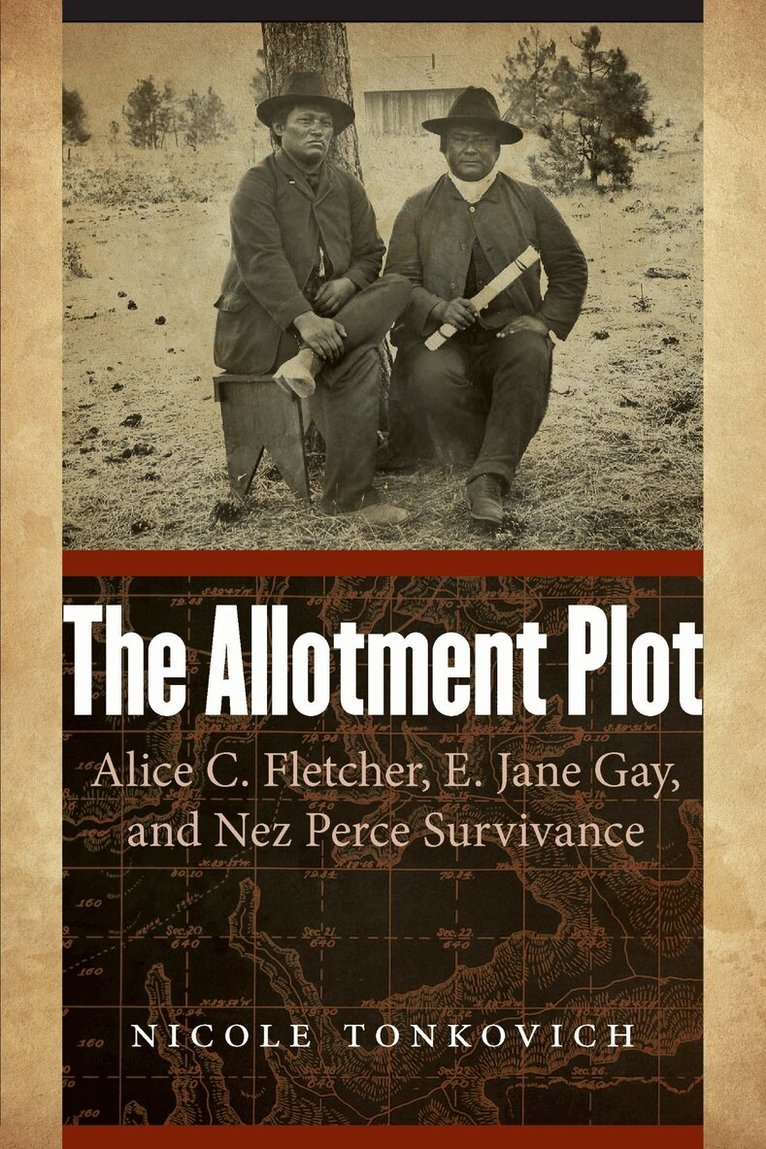
Named the 2013 Caroline Bancroft History Prize Honor Book by the Denver Public LibraryThe Allotment Plot reexamines the history of allotment on the Nez Perce Reservation from 1889 to 1892 to account for and emphasize the Nez Perce side of the story. By including Nez Perce responses to allotment, Nicole Tonkovich argues that the assimilationist aims of allotment ultimately failed due in large part to the agency of the Nez Perce people themselves throughout the allotment process. The Nez Perce were actively involved in negotiating the terms under which allotment would proceed and were simultaneously engaged in ongoing efforts to protect their stories and other cultural properties from institutional appropriation by the allotment agent, Alice C. Fletcher, a respected anthropologist, and her photographer and assistant, E. Jane Gay. The Nez Perce engagement in this process laid a foundation for the long-term survival of the tribe and its culture.Making use of previously unexamined archival sources, Fletcher’s letters, Gay’s photographs and journalistic accounts, oral tribal histories, and analyses of performances such as parades and verbal negotiations, Tonkovich assembles a masterful portrait of Nez Perce efforts to control their own future and provides a vital counternarrative of the allotment period, which is often portrayed as disastrous to Native polities.
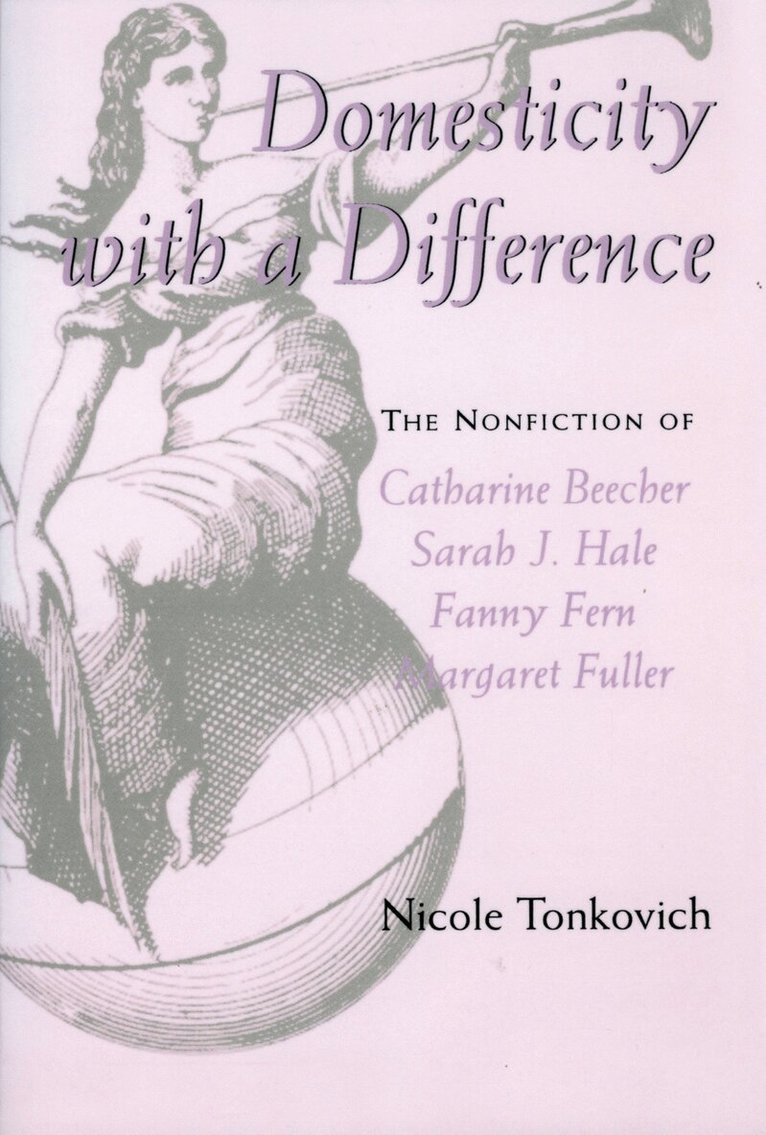
Domesticity with a Difference
The Nonfiction of Catharine Beecher, Sarah J. Hale, Fanny Fern, and Margaret Fuller
Häftad, Engelska, 2010
421 kr
Skickas inom 10-15 vardagar
This study of nonfiction written by four of nineteenth-century Ameri-ca's first professional women writers investigates the paradoxes posed by the conflict of their texts with their lives. They were not homemakers, yet in their works they prescribed ideal domesticity for the women of their day. They were not professional educators, yet they wrote authoritatively about educational theory and practice. They were not involved with organized political agitation for women's rights, yet their writings advanced thoughtful, radical revisions to existing social and political structures, particularly the heterosexual family. Comparable home, school, and community backgrounds prepared Catharine Beecher, Sarah Josepha Hale, Fanny Fern, and Margaret Fuller to write for the public. Their nonfiction texts expose the contradictions be-tween what they prescribed for other women and how they themselves chose to live outside the traditional domestic world. Class, race, age, and geography determined the focus of nineteenth-century women's writing, and as Hale, Beecher, Fern, and Fuller promoted and critiqued one another, they profited reciprocally from the others' work, teachings, and examples. As this study shows, by attending to details of womanly behavior such as language, dress, and manners, their writings contributed to altering women's traditional roles in home, school, and community. No previous study has grouped Hale, Beecher, Fern, and Fuller together because each promoted differing political goals. While respecting these differences, this focus on their nonfiction reveals their strong professional links and demonstrates the similar effects of their writings, which prescribed domesticity for the lives of other women while justifying their own professionalism. Nicole Tonkovich is an assistant professor of literature at University of California, San Diego.