Nigel Rothfels - Böcker
Visar alla böcker från författaren Nigel Rothfels. Handla med fri frakt och snabb leverans.
5 produkter
5 produkter
283 kr
Skickas inom 7-10 vardagar
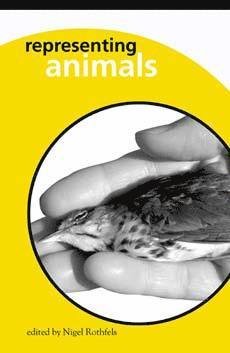
Representing Animals explores the complex and often surprising connections between our imagining of animals and our cultural environment. The contributors—historians, literary critics, anthropologists, artists, art historians, and scholars of cultural studies—examine the ways we talk, write, photograph, imagine, and otherwise represent animals. The book includes topics such as pet cloning, fox hunting, animatronic characters, and how we displace our fear of aging onto our dogs. Representing Animals demonstrates the deep connections between the way we think about animals and the way we have thought about ourselves and our cultures in different times and places. Its publication marks a formative moment in the emerging field of animal studies.Contributors: Steve Baker, Marcus Bullock, Jane Desmond, Erica Fudge, Andrew Isenberg, Kathleen Kete, Akira Mizuta Lippit, Teresa Mangum, Garry Marvin, Susan McHugh, and Nigel Rothfels.
353 kr
Skickas inom 11-20 vardagar
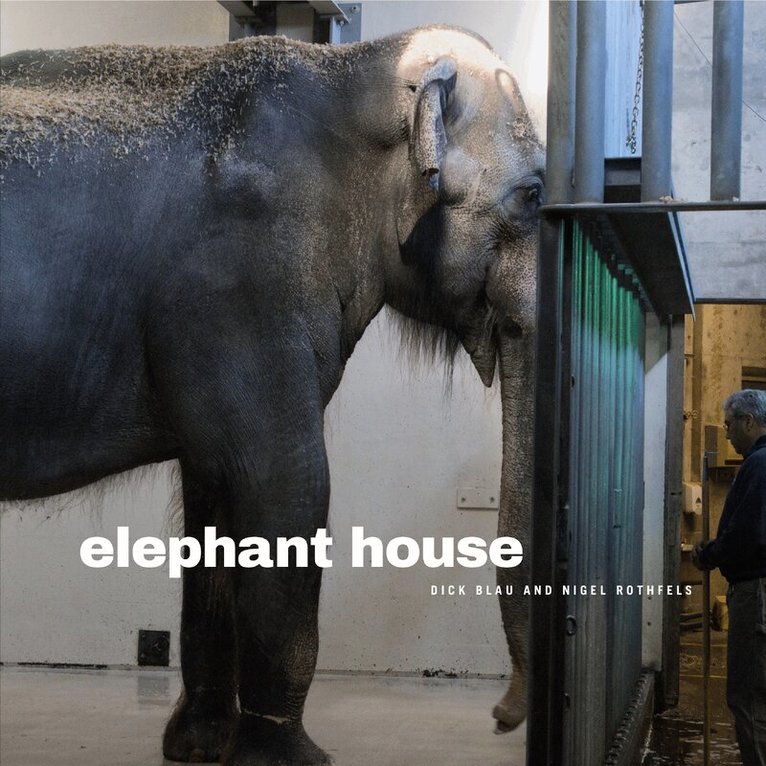
In Elephant House, photographer Dick Blau and historian Nigel Rothfels offer a thought-provoking study of the Oregon Zoo’s Asian Elephant Building and the daily routines of its residents—human and pachyderm alike. Without an agenda beyond a desire to build a deeper understanding of this enigmatic environment, Elephant House is the result of the authors’ unique creative collaboration and explores the relationships between captive elephants and their human caregivers.Blau’s evocative photographs are complex and challenging, while Rothfels’s text offers a scholarly and personal response to the questions that surround elephants and captivity. Elephant House does not take sides in the debate over zoos but focuses instead on the bonds of attentiveness between the animals and their keepers. Accompanied by a foreword from retired elephant keeper Mike Keele, Elephant House is a frank, fascinating look at the evolving world of elephant husbandry.
295 kr
Tillfälligt slut
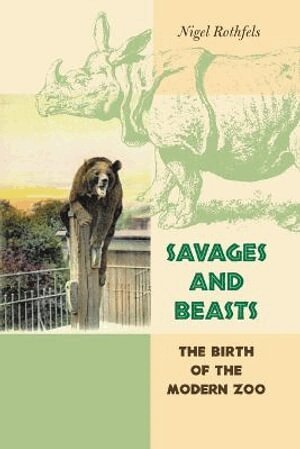
To modern sensibilities, nineteenth-century zoos often seem to be unnatural places where animals led miserable lives in cramped, wrought-iron cages. Today zoo animals, in at least the better zoos, wander in open spaces that resemble natural habitats and are enclosed, not by bars, but by moats, cliffs, and other landscape features. In Savages and Beasts, Nigel Rothfels traces the origins of the modern zoo to the efforts of the German animal entrepreneur Carl Hagenbeck. By the late nineteenth century, Hagenbeck had emerged as the world's undisputed leader in the capture and transport of exotic animals. His business included procuring and exhibiting indigenous peoples in highly profitable spectacles throughout Europe and training exotic animals-humanely, Hagenbeck advertised-for circuses around the world. When in 1907 the Hagenbeck Animal Park opened in a village near Hamburg, Germany, Hagenbeck brought together all his business interests in a revolutionary zoological park. He moved wild animals out of their cages and into "natural landscapes" alongside "primitive" peoples from Africa, Asia, the Americas, and the islands of the Pacific.Hagenbeck had invented a new way of imagining captivity: the animals and people on exhibit appeared to be living in the wilds of their native lands. By looking at Hagenbeck's multiple enterprises, Savages and Beasts demonstrates how seemingly enlightened ideas about the role of zoos and the nature of animal captivity developed within the essentially tawdry business of placing exotic creatures on public display. Rothfels provides both fascinating reading and much-needed historical perspective on the nature of our relationship with the animal kingdom.
471 kr
Skickas inom 7-10 vardagar
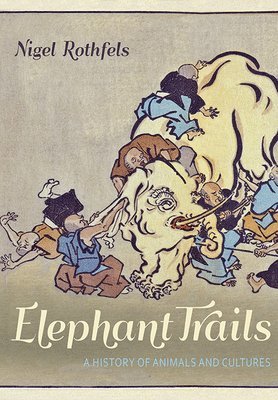
Why have elephants—and our preconceptions about them—been central to so much of human thought?From prehistoric cave drawings in Europe and ancient rock art in Africa and India to burning pyres of confiscated tusks, our thoughts about elephants tell a story of human history. In Elephant Trails, Nigel Rothfels argues that, over millennia, we have made elephants into both monsters and miracles as ways to understand them but also as ways to understand ourselves.Drawing on a broad range of sources, including municipal documents, zoo records, museum collections, and encounters with people who have lived with elephants, Rothfels seeks out the origins of our contemporary ideas about an animal that has been central to so much of human thought. He explains how notions that have been associated with elephants for centuries—that they are exceptionally wise, deeply emotional, and have a special understanding of death; that they never forget, are beloved of the gods, and suffer unusually in captivity; and even that they are afraid of mice—all tell part of the story of these amazing beings. Exploring the history of a skull in a museum, a photograph of an elephant walking through the American South in the early twentieth century, the debate about the quality of life of a famous elephant in a zoo, and the accounts of elephant hunters, Rothfels demonstrates that elephants are not what we think they are—and they never have been. Elephant Trails is a compelling portrait of what the author terms "our elephant."
439 kr
Skickas inom 7-10 vardagar
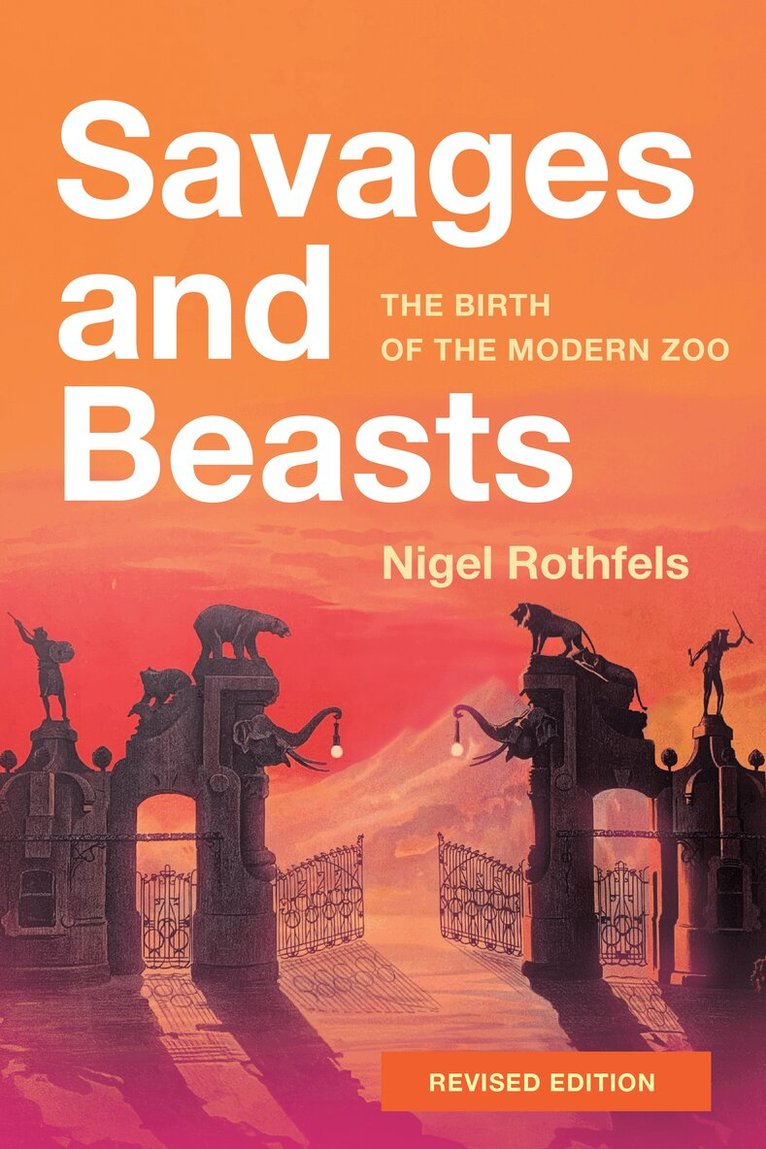
Now completely revised! A history of the modern zoo.In this revised edition of Savages and Beasts, Nigel Rothfels traces the origins of the modern zoo to the efforts of the German entrepreneur Carl Hagenbeck, the most successful dealer in exotic animals in the nineteenth century. Building from his core business in animals, Hagenbeck eventually became even more famous for his large ethnographic exhibitions and circus ventures. When Hagenbeck opened his Animal Park near Hamburg, Germany, in 1907, he brought together all his business interests in a revolutionary zoological park. He moved wild animals out of their cages and into "natural landscapes" and, in the process, invented a new way of imagining captivity. Through the use of theatrical scenery, the animals and people performing in his ethnographic exhibitions appeared to be living in their native lands. This revised edition addresses ethical concerns about the representation of indigenous peoples and animals and includes a host of new images and photographs.By examining Hagenbeck's enterprises, Savages and Beasts demonstrates how ideas about the role of zoos and the nature of animal captivity developed in the late nineteenth century. Rothfels provides a much-needed historical perspective on the connections between the development of modern zoos and their colonial histories.