Nigel S. King – författare
Visar alla böcker från författaren Nigel S. King. Handla med fri frakt och snabb leverans.
7 produkter
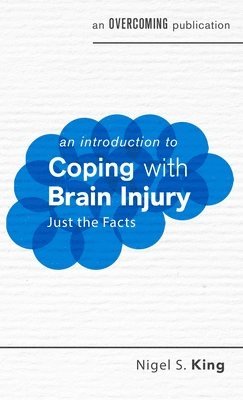
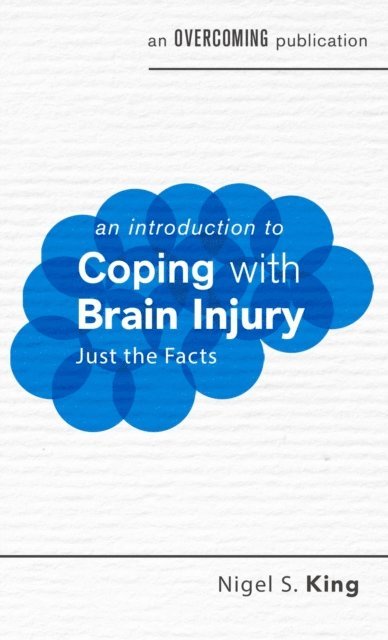
Introduction to Coping with Brain Injury
Häftad, 2023
89 kr
Lägg i varukorg
Just the facts for coping with the after-effects of a brain injuryAcquired Brain Injury (ABI) usually refers to people who have suffered a head injury or stroke but also includes those who have had brain tumours, an anoxic injury (where the brain has been starved of oxygen) or brain illnesses like …
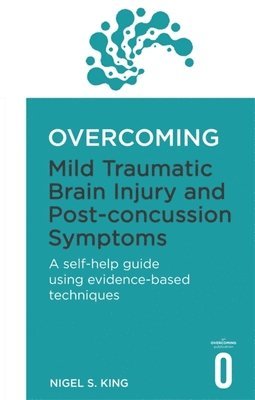
Overcoming Mild Traumatic Brain Injury and Post-Concussion Symptoms
A self-help guide using evidence-based techniques
Häftad, 2015
151 kr
Lägg i varukorg
HIGHLY COMMENDED for the British Medical Awards book prize for Popular MedicineUp to 10% of people will suffer a mild head injury (or 'mild traumatic brain injury') in their lifetime and up to 50% of those people will also find they have lingering post-concussion symptoms in the months or years …
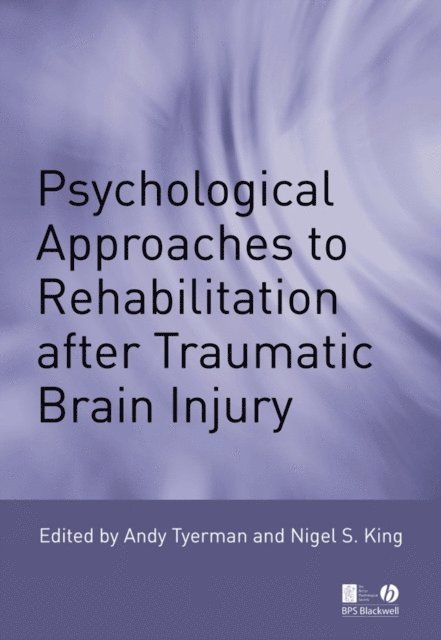
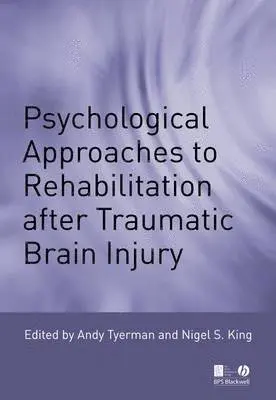
Psychological Approaches to Rehabilitation after Traumatic Brain Injury
Av Nigel S. King, Andy Tyerman
E-bok, 2009
2718 kr
Lägg i varukorg
The psychological effects of traumatic brain injury (TBI) provide a major challenge to rehabilitation services. This text will increase understanding of the nature of these effects and provide practical guidance from experienced practitioners about psychological interventions for use in both …
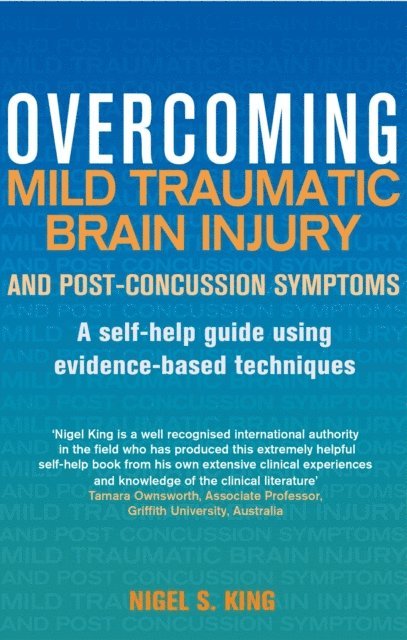
Overcoming Mild Traumatic Brain Injury and Post-Concussion Symptoms
A self-help guide using evidence-based techniques
E-bok, 2015
45 kr
Lägg i varukorg
HIGHLY COMMENDED for the British Medical Awards book prize for Popular Medicine Up to 10% of people will suffer a mild head injury (or ''mild traumatic brain injury'') in their lifetime and up to 50% of those people will also find they have lingering post-concussion symptoms in the months or years …
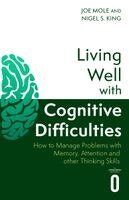
Living Well with Cognitive Difficulties
How to manage problems with memory, attention and other thinking skills
Häftad, 2027
151 kr
Kommande
A practical, self-help guide for living well with cognitive difficultiesProblems with memory, attention, complex thinking skills, language, speed of thinking and visual perception are remarkably common, and are often experienced by those coping with neurological conditions. These range from …
Introduction to Coping with Brain Injury
E-bok, 2023
45 kr
Lägg i varukorg
Just the facts for coping with the after-effects of a brain injury Acquired Brain Injury (ABI) usually refers to people who have suffered a head injury or stroke but also includes those who have had brain tumours, an anoxic injury (where the brain has been starved of oxygen) or brain illnesses like …
Psychological Approaches to Rehabilitation after Traumatic Brain Injury
Av Andy Tyerman, Nigel S. King
Inbunden, 2008
1743 kr
Tillfälligt slut
The psychological effects of traumatic brain injury (TBI) provide a major challenge to rehabilitation services. This text will increase understanding of the nature of these effects and provide practical guidance from experienced practitioners about psychological interventions for use in both …