Nigel Young - Böcker
Visar alla böcker från författaren Nigel Young. Handla med fri frakt och snabb leverans.
5 produkter
5 produkter
6 009 kr
Skickas inom 7-10 vardagar
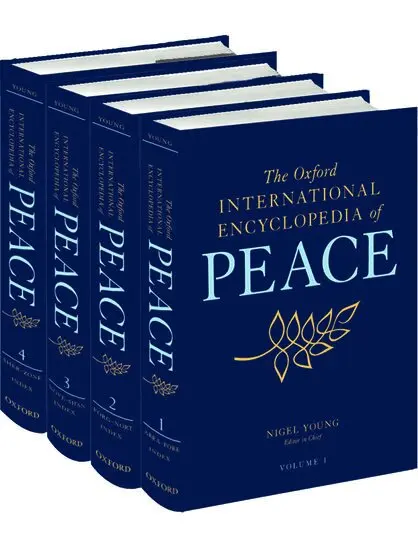
Finding peaceful solutions to the world's increasingly complex problems will be a huge task, which must also be based upon knowledge, experience and research. I hope that 1his important new Encyclopedia will reach a global lay audience as well as policy makers and academic experts and encourage many thousands of readers to study further and work harder for the peace on which our whole future depends. -From the Foreword by His Holiness the Dalai Lama This innovative and comprehensive encyclopedia charts the interdisciplinary field of peace studies from ancient times to the present day, offering a comprehensive survey of the full range of historical, political, theoretical and philosophical issues relating to peace and conflict. All major figures are covered, as well as major events, organizations, theories, and much more. BLWorld Leaders: Mohandas Gandhi, Margaret Mead, César Chávez, Martin Luther King, Jr., Lucretia MottBLMajor Events: The Cuban Missile Crisis, Dayton Accords, Good Friday Agreement, Lebanon Hostage CrisisBLOrganizations: Greenpeace, League of Nations, United Nations, Save the Children, International Committee of the Red CrossBLTheories: Just War, Civil Disobedience, Conscientious Objection, Feminism and Peace, Postcolonialism and Peace, Power and Nonviolence Theory, Eco-Pacifism, Gay RightsBLIn the News: Chemical and Biological Weapons, Human Rights, War Crimes, Terrorism, Nuclear Disarmament
2 166 kr
Skickas inom 10-15 vardagar
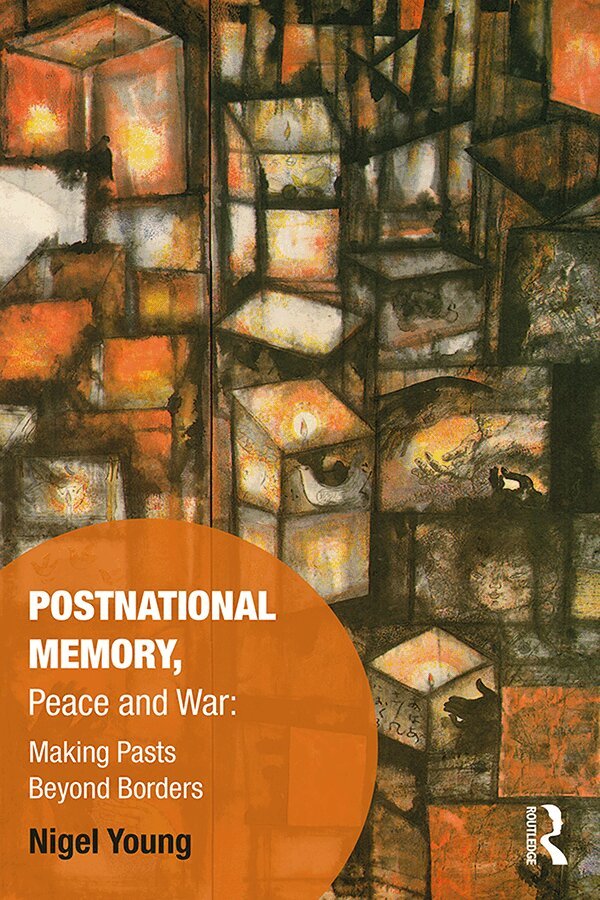
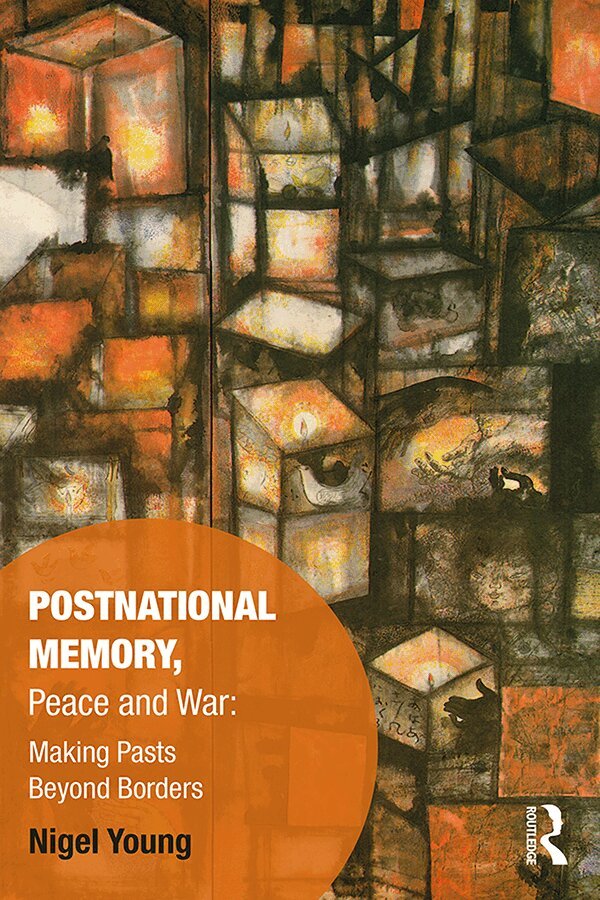
This book examines the phenomenon of modern memory as a reaction to total war, an aspiration to truth-seeking provoked by the independent forces of modern war and collective violence which is transnational, or postnational, in character. Using examples from prose and poetry, film and theatre, painting and photography, and music and the popular arts, the author traces a narrative path through the events of the twentieth century, defining the tradition of modern memory in terms of its essentially anti-militaristic, anti-war character, as expressed in the manner in which it represents recalled violence and atrocity. Through a series of thematic discussions of two world wars, the Shoah, urbicide and nuclear weapons, Postnational Memory explores the formation of transnational memory, drawing on examples from industrialized societies, with a focus on memory of real events and their reproduction in literature and the arts, often including personal recollections that link the self to the represented past. As such, by asking how the concept of modern memory is constructed through the victims of war and genocide, the book constitutes an alternative to national memories and hegemonic, militarist or ethnocentric histories. Surveying the emergence of new, transnational forms of remembering the past, it will appeal to students and scholars of sociology, memory studies and peace studies, as well as those working in disciplines such as modern and international history, cultural studies and military studies.
704 kr
Skickas inom 10-15 vardagar
This book examines the phenomenon of modern memory as a reaction to total war, an aspiration to truth-seeking provoked by the independent forces of modern war and collective violence which is transnational, or postnational, in character. Using examples from prose and poetry, film and theatre, painting and photography, and music and the popular arts, the author traces a narrative path through the events of the twentieth century, defining the tradition of modern memory in terms of its essentially anti-militaristic, anti-war character, as expressed in the manner in which it represents recalled violence and atrocity. Through a series of thematic discussions of two world wars, the Shoah, urbicide and nuclear weapons, Postnational Memory explores the formation of transnational memory, drawing on examples from industrialized societies, with a focus on memory of real events and their reproduction in literature and the arts, often including personal recollections that link the self to the represented past. As such, by asking how the concept of modern memory is constructed through the victims of war and genocide, the book constitutes an alternative to national memories and hegemonic, militarist or ethnocentric histories. Surveying the emergence of new, transnational forms of remembering the past, it will appeal to students and scholars of sociology, memory studies and peace studies, as well as those working in disciplines such as modern and international history, cultural studies and military studies.
2 371 kr
Skickas inom 10-15 vardagar
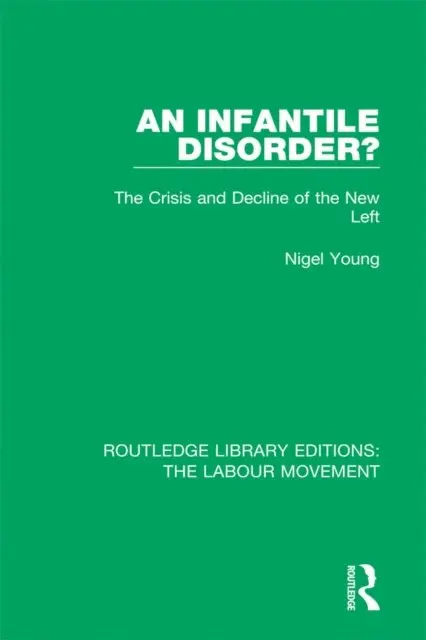
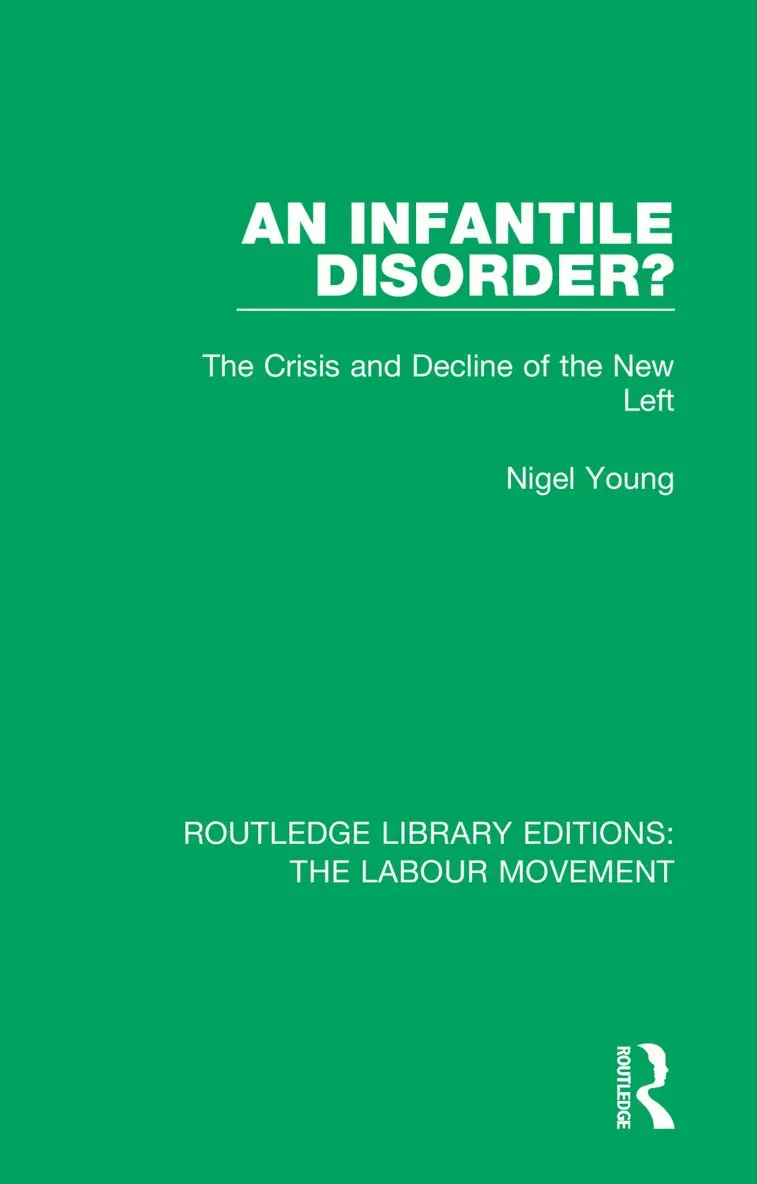
First published in 1977. The New Left, as an organised political phenomenon, came – and went – largely in the 1960s. Was the Movement that went into precipitate decline after 1969 the same New Left that had developed a decade earlier? Nigel Young’s thesis is that the core New Left, as it had evolved by the mid-1960s, had a unique identity that set it apart from other Old Left and Marxist groups. He believes that this was dissipated in the later developments of the black and student movements, and in the opposition to the Vietnam war. By 1968 – the watershed year – an acute ‘identity-crisis’ had set in within the Movement and became the major source of the New Left’s disintegration.Nigel Young traces the Movement’s growth and crisis mainly in Britain and America, where it reached its greater strength, but attention is also paid to parallel developments in similar movements elsewhere. He analyses the crisis in terms of the interrelationship between dilemmas of strategy and ideas, and the external events which tend to reinforce the tendencies toward elitism, intolerance and violence, and produce organisational breakdown.
744 kr
Skickas inom 10-15 vardagar
First published in 1977. The New Left, as an organised political phenomenon, came – and went – largely in the 1960s. Was the Movement that went into precipitate decline after 1969 the same New Left that had developed a decade earlier? Nigel Young’s thesis is that the core New Left, as it had evolved by the mid-1960s, had a unique identity that set it apart from other Old Left and Marxist groups. He believes that this was dissipated in the later developments of the black and student movements, and in the opposition to the Vietnam war. By 1968 – the watershed year – an acute ‘identity-crisis’ had set in within the Movement and became the major source of the New Left’s disintegration.Nigel Young traces the Movement’s growth and crisis mainly in Britain and America, where it reached its greater strength, but attention is also paid to parallel developments in similar movements elsewhere. He analyses the crisis in terms of the interrelationship between dilemmas of strategy and ideas, and the external events which tend to reinforce the tendencies toward elitism, intolerance and violence, and produce organisational breakdown.