Häftad, Engelska, 2013
272 kr
Skickas inom 5-8 vardagar
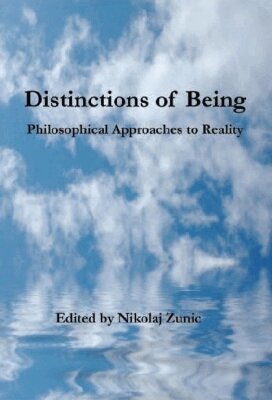
What is reality? What are the diverse ways of being? Can God be known from nature? These and other quintessentially metaphysical questions are addressed in the newest volume from the American Maritain Association, Distinctions of Being. Metaphysics—as conceived by Aristotle, extended by Thomas Aquinas, and given modern expression by prominent philosophers such as Jacques Maritain—deals principally with the question of being, the basis of reality. This work considers the necessary distinctions at the heart of metaphysics, the distinctions between nature and spirit; the world and God; and the different forms of knowing in science, philosophy, and being. Divided into four sections, the book begins with a discussion of the key principles of traditional Western metaphysics, namely, form, truth, essence, soul, and being. The second part examines the existence of God and the relationship of human nature to God. Next, metaphysical themes in the work of Jacques Maritain are discussed, with particular attention given to his notion of the intuition of being. The final section sheds light on the standing of modern science with respect to natural philosophy and religious faith. The contributors are Giuseppe Butera, John Deely, Jean de Groot, Raymond Dennehy, Lawrence Dewan, O.P., John Marson Dunaway, William P. Haggerty, James G. Hanink, Joshua P. Hochschild, Steven Jensen, Christopher Morrissey, Peter A. Pagan, Michael D. Torre, and John G. Trapani Jr.