Nina Biehal – författare
Visar alla böcker från författaren Nina Biehal. Handla med fri frakt och snabb leverans.
4 produkter
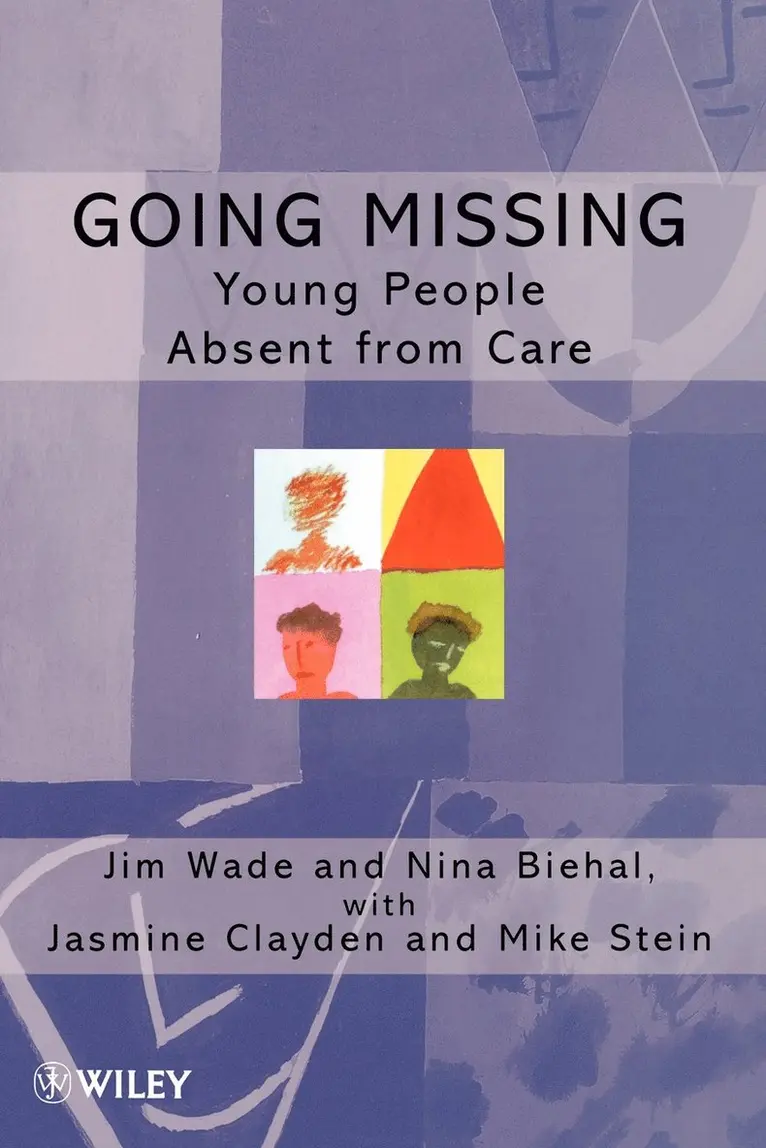
Going Missing
Young People Absent From Care
Av Jim Wade, Nina Biehal
Häftad, 1999
833 kr
Lägg i varukorg
Going Missing presents important findings from the first major study of young people who go missing from residential and foster homes. By exploring the diverse reasons why young people go missing and what happens when they do, the authors highlight the impact both of individual motivations and of …
Caring for Abused and Neglected Children
Making the Right Decisions for Reunification or Long-Term Care
Av Nina Biehal, Jim Wade m. fl.
E-bok, 2011
473 kr
Lägg i varukorg
The decision whether or not to reunify a child in care with their birth family is one of the most serious taken by children's services, and often involves considerable risk.This book examines the long-term consequences of this decision for children who entered public care for abuse or neglect. It …
Caring for Abused and Neglected Children
Making the Right Decisions for Reunification or Long-Term Care
Av Nina Biehal, Jim Wade m. fl.
Häftad, 2011
507 kr
Lägg i varukorg
The decision whether or not to reunify a child in care with their birth family is one of the most serious taken by children's services, and often involves considerable risk.This book examines the long-term consequences of this decision for children who entered public care for abuse or neglect. It …
Reuniting Looked After Children With Their Families
A review of the research
Av Nina Biehal
E-bok, 2006
228 kr
Lägg i varukorg
Family reunification offers a potential route to permanency for looked after children, which is a key issue in contemporary social care. This book provides an authoritative, concise critical review of the research findings available in the UK and the USA, as well as a helpful guide to the problems …