Nina Edwards - Böcker
Visar alla böcker från författaren Nina Edwards. Handla med fri frakt och snabb leverans.
7 produkter
7 produkter
516 kr
Skickas inom 5-8 vardagar
282 kr
Skickas inom 3-6 vardagar
764 kr
Skickas inom 10-15 vardagar
Men in khaki and grey squatting in the trenches, women at work, gender bending in goggles and overalls over their trousers, a girl at the Paris theatre in pleated, beaded silk, a bangle on her forearm made from copper fuse wire from the Somme. What people wear matters. Copiously illustrated, this book is the story of what people on both sides wore on the front line and on the home front through the seismic years of World War I. Nina Edwards, reveals fresh aspects of the war through the prism of the smallest details of personal dress, of clothes, hair and accessories, both in uniform and civilian wear. She explores how, during a period of extraordinary upheaval and rapid change, a particular preference for a type of razor blade or perfume, say, or the just-so adjustment to the tilt of a hat, offer insights into the individual experience of men, women and children during the course of World War I.
208 kr
Skickas
Pazazz examines the complex meanings of white clothing through history. Delicate and impractical, white cloth in the past was difficult to obtain, as well as to keep clean. It is a symbol of purity but also of class superiority, privilege and the display of leisure. It represents both the menace of the Ku Klux Klan and the transition of a bride to the married state; it can be the appropriate dress for mourning and for shrouds. White lace is ethereal; straitjackets are tough. White clothing has been a marker of innocence and simplicity for women but also of calculated, high-maintenance fashion; for men, white can be evidence of power. White is a startling absence of colour, the epitome of elegance.
214 kr
Skickas
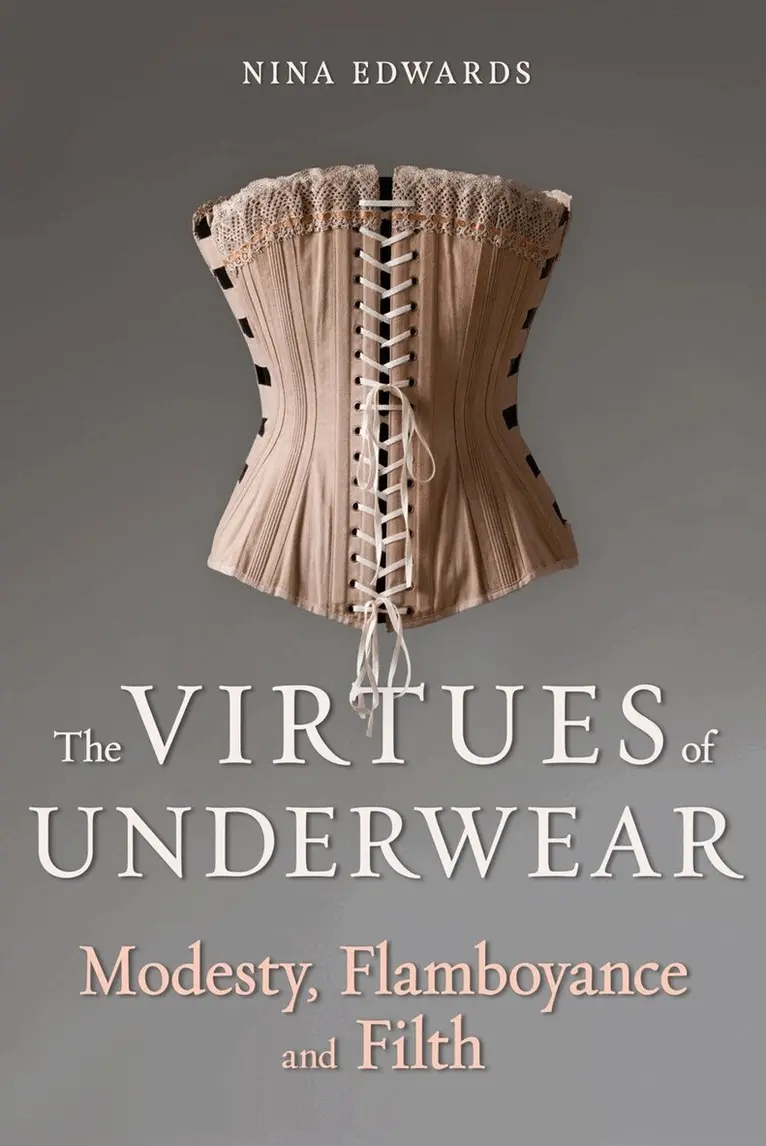
Stories are woven into the fabric of our most personal garments. From the first loincloths to the intricate layers of shapewear, the concealed world of underwear is capable of expressing individual desire and also aspects of society at large. An indicator of the vagaries of fashion, underwear can be simple or elaborate. It both safeguards and exposes, reflecting our hopes and experiences. Underwear can embarrass and excite, amuse and shame us. This book illuminates the sometimes profound significance of the garments we wear beneath our outer clothing. It discusses the history of both women’s and men’s underwear, and global cultures of dress.
178 kr
Skickas
To most of us, weeds can seem nothing more than intruders in gardens, farms and city streets. But the idea of the weed is a slippery one, constantly changing according to different needs, fashions and contexts. In a well-ordered field of corn, a scarlet poppy is a bright red intruder, but in other parts of the world it is an important cultural symbol, a potent and lucrative pharmaceutical source, or simply a beautiful ornament. Fat hen, which today we consider a pest, was in Neolithic times a staple crop, its seeds an important source of nutrition. Weeds sketches the history of the fashions and attitudes that have shaped our fields and gardens, showing that what we keep out of them is just as fascinating as what we put in.
901 kr
Skickas inom 10-15 vardagar
What do you use every day that is small and large, worthless and beyond price? It's easily found in the gutter, yet you may never be able to replace it. You are always losing it but it faithfully protects you; sexy and uptight, it is knitted in to your affections or it may give you nightmares. It has led to conflict, fostered and repressed political and religious change and epitomizes the great aesthetic movements. It's Eurocentric, and is found all over the world. On the Button is an inventive and unusual exploration of the cultural history of the button, illustrated with a multiplicity of buttons in black and white and colour. It tells tales of a huge variety of the button's forms and functions, its sometimes uncompromising glamour, its stronghold in fashion and literature, its place in the visual arts, its association with crime and death, its tender call to nostalgia and the sentimental. There have been works addressed to the button collector and general cultural histories. On the Button links the two, revealing why we are so attracted to buttons, and how they punch way above their weight.