Noble E. Cunningham - Böcker
Visar alla böcker från författaren Noble E. Cunningham. Handla med fri frakt och snabb leverans.
4 produkter
4 produkter
344 kr
Skickas inom 3-6 vardagar
698 kr
Skickas
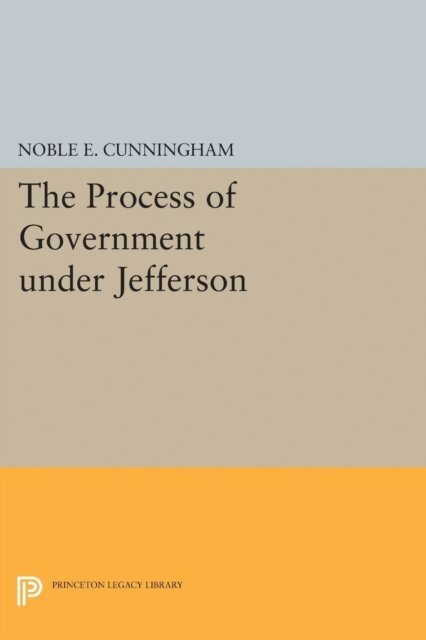
"Based on an exploration of the total mass of executive and legislative records for the years 1801-1809--something no other scholar has attempted--this thoroughly documented account describes the machinery and operation of the presidential office, the Cabinet, the departments, and other offices and commissions in the executive branch. It also explains the organization and processes of the national legislature. Cunningham has cleared away many errors and misconceptions, among them the claim that Jefferson was not interested in the normal process of day-to-day administration. In fact, Jefferson emerges as one of the most effective administrators ever to occupy the Presidency. This is an important and path-breaking study in administrative and legislative history." --Julian P. Boyd, Princeton University Originally published in 1978. The Princeton Legacy Library uses the latest print-on-demand technology to again make available previously out-of-print books from the distinguished backlist of Princeton University Press. These editions preserve the original texts of these important books while presenting them in durable paperback and hardcover editions.The goal of the Princeton Legacy Library is to vastly increase access to the rich scholarly heritage found in the thousands of books published by Princeton University Press since its founding in 1905.
1 317 kr
Skickas
"Based on an exploration of the total mass of executive and legislative records for the years 1801-1809--something no other scholar has attempted--this thoroughly documented account describes the machinery and operation of the presidential office, the Cabinet, the departments, and other offices and commissions in the executive branch. It also explains the organization and processes of the national legislature. Cunningham has cleared away many errors and misconceptions, among them the claim that Jefferson was not interested in the normal process of day-to-day administration. In fact, Jefferson emerges as one of the most effective administrators ever to occupy the Presidency. This is an important and path-breaking study in administrative and legislative history." --Julian P. Boyd, Princeton University Originally published in 1978. The Princeton Legacy Library uses the latest print-on-demand technology to again make available previously out-of-print books from the distinguished backlist of Princeton University Press. These editions preserve the original texts of these important books while presenting them in durable paperback and hardcover editions.The goal of the Princeton Legacy Library is to vastly increase access to the rich scholarly heritage found in the thousands of books published by Princeton University Press since its founding in 1905.
627 kr
Skickas inom 10-15 vardagar
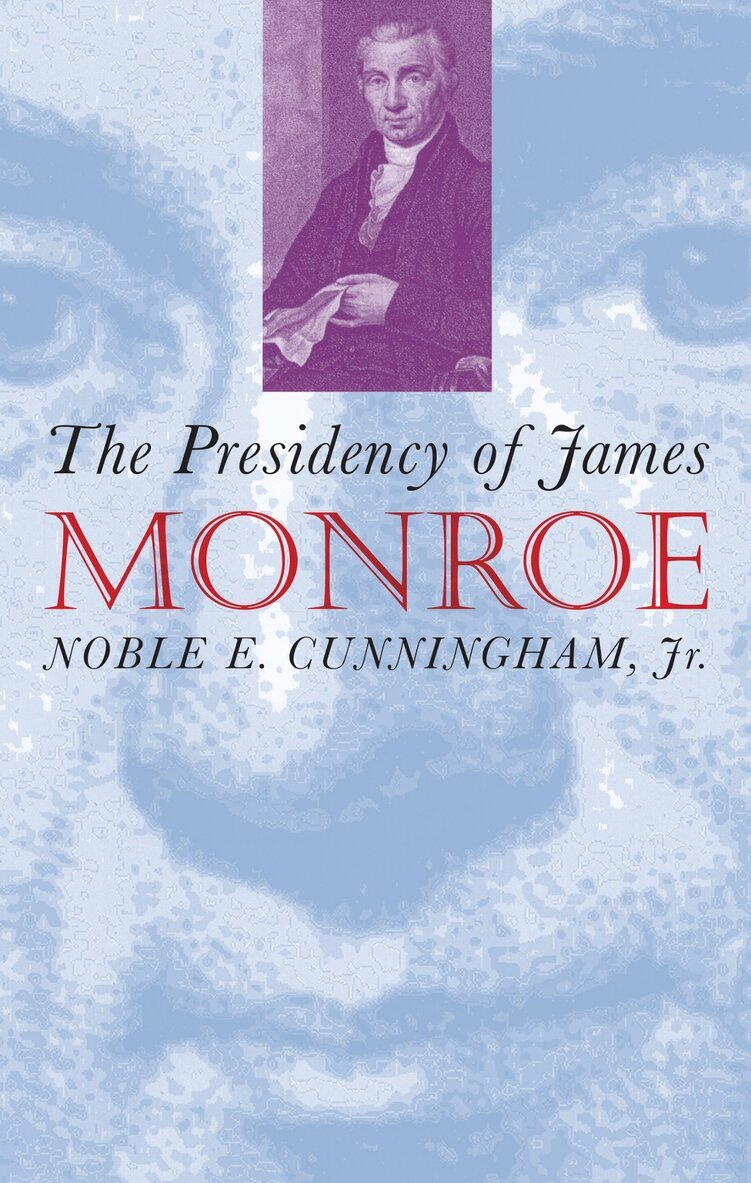
Noble Cunningham's history of the fifth presidency (1817-25) shows a young nation beset by growing pains and led by a cautious politician who had neither the learning nor the intellect of Jefferson or Madison, but whose actions strengthened both the United States and the presidency itself. Cunningham makes clear that the mislabelled ""era of good feelings"" had more than its fair share of crises, including those resulting from revolutions in Latin America, Spanish possession of Florida, the depression of 1819, and the controversy over slavery in Missouri. Monroe, he shows, successfully defused these potentially explosive situations, most notably by negotiating the 1820 Missouri Compromise and announcing in 1823 what became to be known as the Monroe Doctrine, a document that still guides American policy in the western hemisphere. Cunningham effectively places these actions within the context of Monroe's life and times and sheds new light on the inner workings of his cabinet and his relations with Congress. In addition, he features the prominent roles of two future presidents: John Quincy Adams as secretary of state and Andrew Jackson as the controversial general whose actions in the Seminole War created a headache for the administration. Though substantially informed by previous scholarship, Cunningham writes largely from the abundant primary source materials of the era to provide a fresh look at a president and a nation on the brink of greatness.