Noel Fallows - Böcker
Visar alla böcker från författaren Noel Fallows. Handla med fri frakt och snabb leverans.
5 produkter
5 produkter
302 kr
Tillfälligt slut
Originally published in 1551, Hernán Chacón's Tractado de la Cauallería de la Gineta reflects an era of radical changes in the chivalresque-military world of renaissance Spain. The text deals with cavalry riding techniques as a means of military strategy and as a peacetime occupation.This new paperback volume in the Exeter Hispanic Texts series provides a text in the original Spanish, edited and introduced in Spanish by Noel Fallows. It will be of interest to a scholarly readership, particularly students of medieval Spanish, military tactics and equestrian history
1 167 kr
Skickas inom 7-10 vardagar
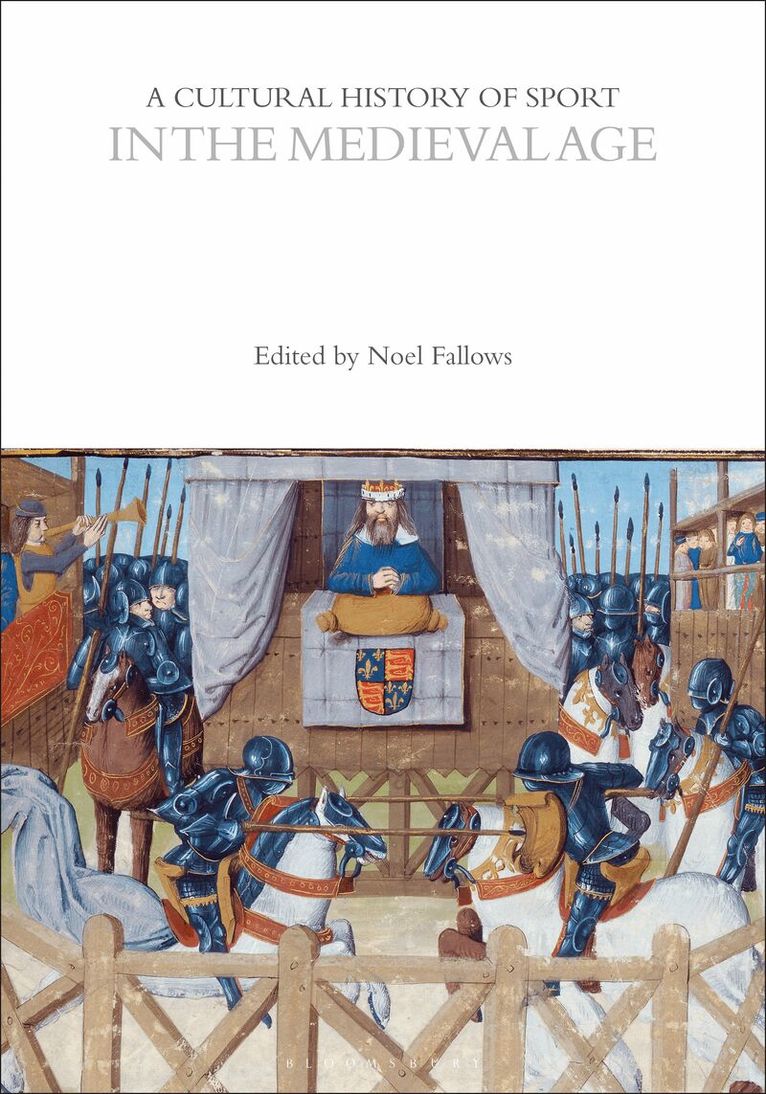
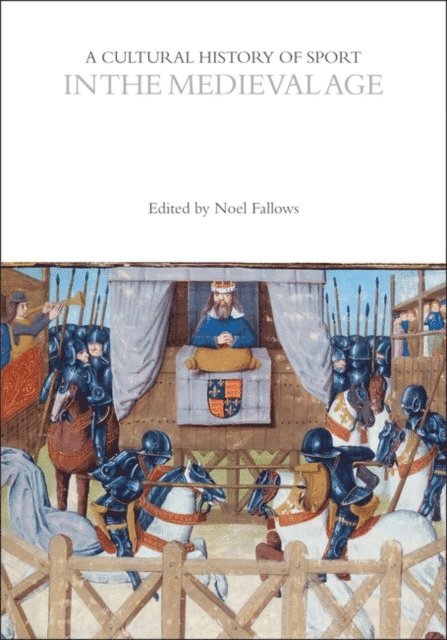
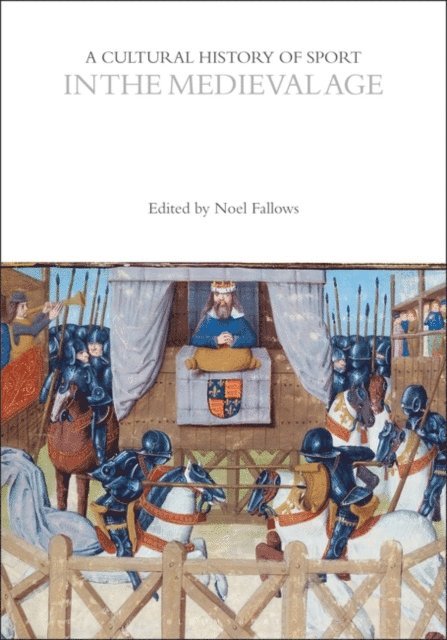
A Cultural History of Sport in the Medieval Age covers the period 600 to 1450. Lacking any viable ancient models, sport evolved into two distinct forms, divided by class. Male and female aristocrats hunted and knights engaged in jousting and tournaments, transforming increasingly outdated modes of warfare into brilliant spectacle. Meanwhile, simpler sports provided recreational distraction from the dangerously unsettled conditions of everyday life. Running, jumping, wrestling, and many ball games - soccer, cricket, baseball, golf, and tennis – had their often violent beginnings in this period.The 6 volume set of the Cultural History of Sport presents the first comprehensive history from classical antiquity to today, covering all forms and aspects of sport and its ever-changing social, cultural, political, and economic context and impact. The themes covered in each volume are the purpose of sport; sporting time and sporting space; products, training and technology; rules and order; conflict and accommodation; inclusion, exclusion and segregation; minds, bodies and identities; representation.Noel Fallows is Distinguished Research Professor at the University of Georgia, USA.Volume 2 in the Cultural History of Sport setGeneral Editors: Wray Vamplew, Mark Dyreson, and John McClelland
375 kr
Skickas inom 7-10 vardagar
A Cultural History of Sport in the Medieval Age covers the period 600 to 1450. Lacking any viable ancient models, sport evolved into two distinct forms, divided by class. Male and female aristocrats hunted and knights engaged in jousting and tournaments, transforming increasingly outdated modes of warfare into brilliant spectacle. Meanwhile, simpler sports provided recreational distraction from the dangerously unsettled conditions of everyday life. Running, jumping, wrestling, and many ball games - soccer, cricket, baseball, golf, and tennis – had their often violent beginnings in this period.The 6 volume set of the Cultural History of Sport presents the first comprehensive history from classical antiquity to today, covering all forms and aspects of sport and its ever-changing social, cultural, political, and economic context and impact. The themes covered in each volume are the purpose of sport; sporting time and sporting space; products, training and technology; rules and order; conflict and accommodation; inclusion, exclusion and segregation; minds, bodies and identities; representation.Noel Fallows is Distinguished Research Professor at the University of Georgia, USA.Volume 2 in the Cultural History of Sport setGeneral Editors: Wray Vamplew, Mark Dyreson, and John McClelland
605 kr
Skickas
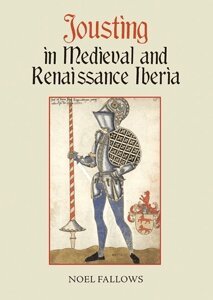
Copiously illustrated edition with translation of seminal texts on the joust in medieval Iberia.WINNER: UNIVERISTY OF GEORGIA CREATIVE RESEARCH MEDAL 2012WINNER: 2012 LA CORÓNICA INTERNATIONAL BOOK AWARDJousting was for some 500 years the major spectator sport in western Europe. And yet, despite its enormous popularity in the Middle Ages and the Renaissance, very little is known about its practicalities. How was the score determined and kept? How and why did jousting armour evolve, how effective was it, and how did it differ from the field armour worn by knights in battle? What constituted technical virtuosity in the lists? And why did jousting die out?This book uses previously untapped Iberian source material to provide answers to such questions. It focuses on three jousting manuals, written by practising champions at the time: Ponç de Menaguerra's Lo Cavaller (`The Knight', 1493); Juan Quijada de Reayo's Doctrina del arte de la cavalleria (`Doctrine of the Art of Chivalry', 1548); and Luis Zapata's Del Justador (`On the Jouster', c.1589-93). As well as editions, with the first English translation, of these important texts, it includes introductions and an analytical study; there are also chapters on the arms and armour of the joust. Nearly 200 colour and black-and-white illustrations, many never previously published, illuminate the sometimes complex technical terminology of these authors, and provide further evidence of how weapons and armour were actually used.
450 kr
Skickas inom 5-8 vardagar
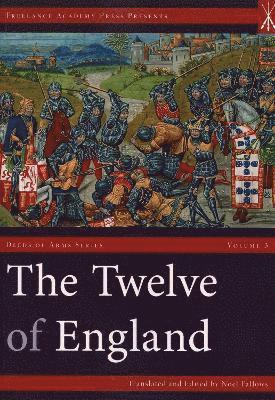
In the waning years of the fourteenth century, the household of John of Gaunt, the Duke of Lancaster was scandalized when twelve petulant English knights publicly mocked the twelve ladies-in-waiting to the Duke's wife, calling them ugly to their faces. Outraged, the ladies sought immediate redress, but so fearsome were the knights' reputations that none would step forward. Desperate for help, the Duke appealed to his son-in-law King Joao I of Portugal to find champions ready to fight for the ladies' honor. Enter the 'Twelve of England,' a band of battle-hardened Portuguese knights. Led by the redoubtable Alvaro Gonçalves Coutinho, known as 'Magriço,' or 'The Lean One,' these twelve fearless men set out for England to fight the English knights in judicial combat, prepared to shed their blood to save the honour of ladies they had never met.Such tales of valour and derring-do, which often hinge on the notion of a team of warriors venturing into hostile territory on a quest for vengeance or redress set against a sweeping historical backdrop, have captured the imagination of audiences through the ages, from Jason and the Argonauts to Lieutenant Aldo Raine and the 'Inglorious Basterds.' Although undoubtedly a fictional tale inserted into historical reality, the action does not end at the household of the Duke of Lancaster, and other adventures ensue in France, Germany and Burgundy, as the twelve heroes spread the fame of Portuguese chivalry throughout the great courts of Europe.The third volume of the Deeds of Arms series presents a complete translation of the earliest known version of the Twelve of England, which has survived in only one manuscript. Professor Fallows presents the text in both the medieval Portuguese and an accompanying English translation. A facsimile of the original manuscript and an extensive introduction covering the historical context of both the text and the deeds it discusses are also included. An overview of the arms and armour used by the combatants, colour illustrations, genealogical tables, maps and a comprehensive bibliography further complement the text.