Nora E. Jaffary - Böcker
Visar alla böcker från författaren Nora E. Jaffary. Handla med fri frakt och snabb leverans.
7 produkter
7 produkter
2 176 kr
Skickas inom 10-15 vardagar
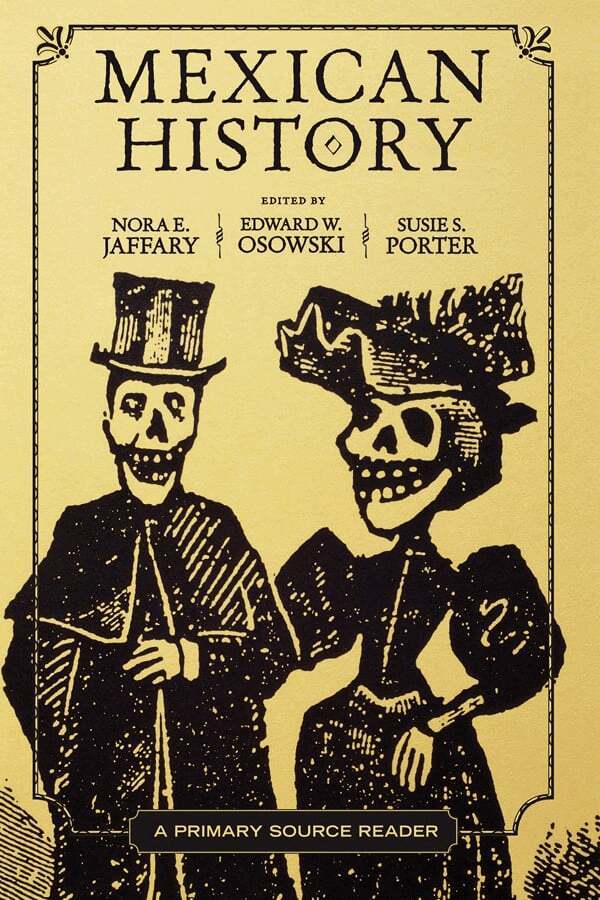
Mexican History is a comprehensive and innovative primary source reader in Mexican history from the pre-Columbian past to the neoliberal present. Chronologically organized chapters facilitate the book's assimilation into most course syllabi. Its selection of documents thoughtfully conveys enduring themes of Mexican history (land and labor, indigenous people, religion, and state formation) while also incorporating recent advances in scholarly research on the frontier, urban life, popular culture, race and ethnicity, and gender. Student-friendly pedagogical features include contextual introductions to each chapter and each reading, lists of key terms and related sources, and guides to recommended readings and Web-based resources.
2 246 kr
Skickas inom 10-15 vardagar
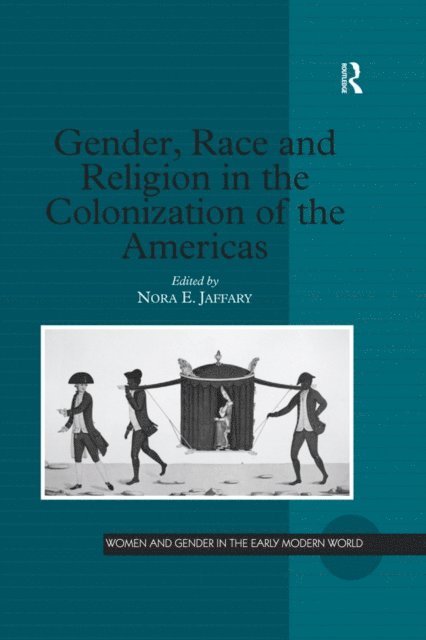
When Europe introduced mechanisms to control New World territories, resources and populations, women-whether African, indigenous, mixed race, or European-responded and participated in multiple ways. By adopting a comprehensive view of female agency, the essays in this collection reveal the varied implications of women's experiences in colonialism in North and South America. Although the Spanish American context receives particular attention here, the volume contrasts the context of both colonial Mexico and Peru to every other major geographic region that became a focus of European imperialism in the early modern period: the Caribbean, Brazil, English America, and New France. The chapters provide a coherent perspective on the comparative history of European colonialism in the Americas through their united treatment of four central themes: the gendered implications of life on colonial frontiers; non-European women's relationships to Christian institutions; the implications of race-mixing; and social networks established by women of various ethnicities in the colonial context. This volume adds a new dimension to current scholarship in Atlantic history through its emphasis on culture, gender and race, and through its explicit effort to link religion to the broader imperial framework of economic extraction and political domination.
261 kr
Skickas inom 10-15 vardagar
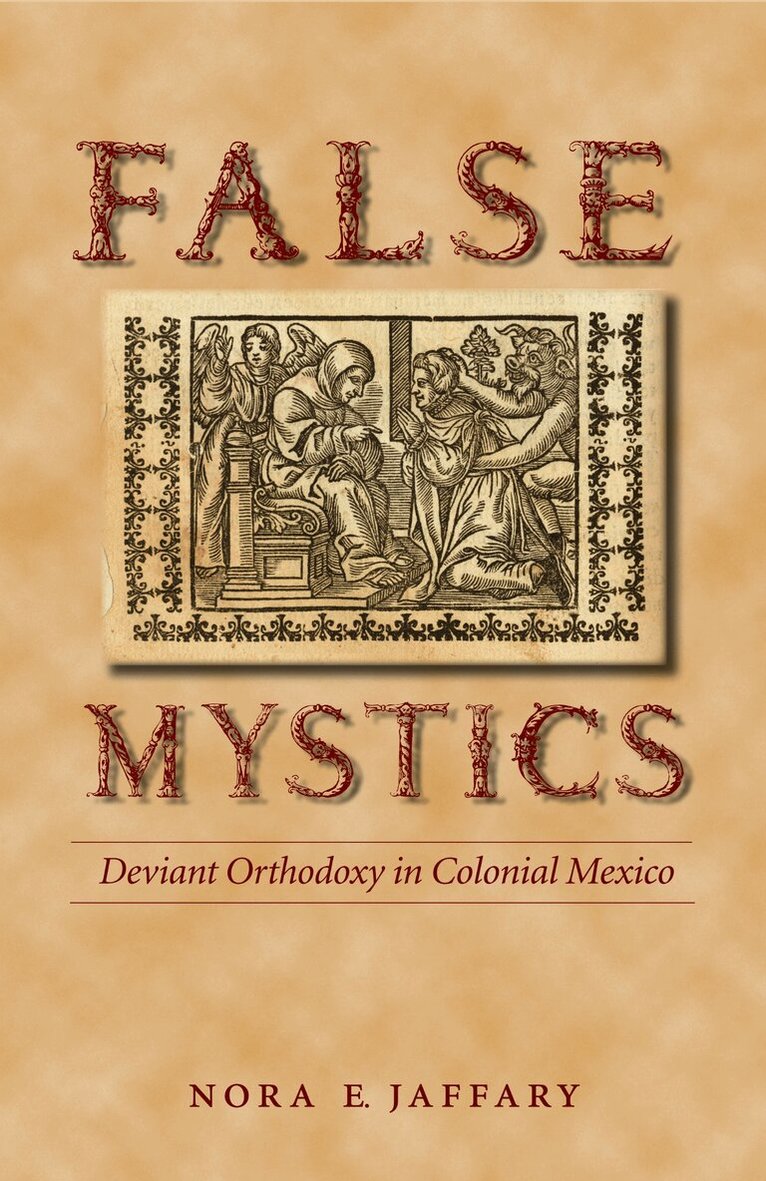
False Mystics provides a history of popular religion, race, and gender in colonial Mexico focusing on questions of spiritual and social rebellion and conformity. Nora E. Jaffary examines more than one hundred trials of "false mystics" whom the Mexican Inquisition prosecuted in the seventeenth and eighteenth centuries. While the accused experienced many of the same phenomena as bona fide mystics—visions, sacred illness, and bouts of demonic possession—the Mexican tribunal condemned them nevertheless. False Mystics examines why the Catholic church viewed the accused as deviants and argues that this categorization was due in part to unconventional aspects of their spirituality and in part to contemporary social anxieties over class and race mixing, transgressions of appropriate gendered behavior, and fears of Indian and African influences on orthodox Catholicism. Jaffary examines the transformations this category of heresy underwent between Spain and the New World and explores the relationship between accusations of "false" mysticism and contemporary notions of demonic possession, sickness, and mental illness. Jaffary adopts the perspectives of visionaries to examine the influence of colonial artwork on their spiritual imaginations and to trace the reasons that their spirituality diverged from conventional expressions of piety. False Mystics illuminates the challenges that popular religion and individual spirituality posed to both the institutional church and the colonial social order.
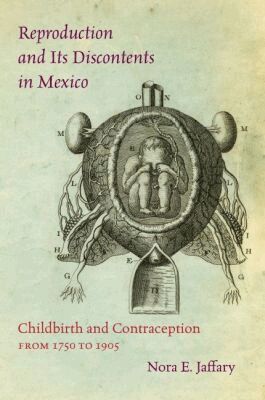
Reproduction and Its Discontents in Mexico
Childbirth and Contraception from 1750 to 1905
Inbunden, Engelska, 2016
1 095 kr
Skickas inom 10-15 vardagar
In this history of childbirth and contraception in Mexico, Nora E. Jaffarychronicles colonial and nineteenth-century beliefs and practices surroundingconception, pregnancy and its prevention, and birth. Tracking Mexico’stransition from colony to nation, Jaffary demonstrates the central role ofreproduction in ideas about female sexuality and virtue, the development ofmodern Mexico, and the growth of modern medicine in the Latin Americancontext.The story encompasses networks of people in all parts of society, fromstate and medical authorities to mothers and midwives, husbands and lovers,employers and neighbours. Jaffary focuses on key topics including virginity,conception, contraception and abortion, infanticide, “monstrous” births, andobstetrical medicine. Her approach yields surprising insights into the emergenceof modernity in Mexico. Over the course of the nineteenth century,for example, expectations of idealised womanhood and female sexual virtuegained rather than lost importance. In addition, rather than being obliteratedby European medical practice, features of pre-Columbian obstetricalknowledge, especially of abortifacients, circulated among the Mexican publicthroughout the period under study. Jaffary details how, across time, localisedcontexts shaped the changing history of reproduction, contraception, andmaternity.
Reproduction and Its Discontents in Mexico
Childbirth and Contraception from 1750 to 1905
Häftad, Engelska, 2016
434 kr
Skickas inom 10-15 vardagar
In this history of childbirth and contraception in Mexico, Nora E. Jaffarychronicles colonial and nineteenth-century beliefs and practices surroundingconception, pregnancy and its prevention, and birth. Tracking Mexico’stransition from colony to nation, Jaffary demonstrates the central role ofreproduction in ideas about female sexuality and virtue, the development ofmodern Mexico, and the growth of modern medicine in the Latin Americancontext.The story encompasses networks of people in all parts of society, fromstate and medical authorities to mothers and midwives, husbands and lovers,employers and neighbours. Jaffary focuses on key topics including virginity,conception, contraception and abortion, infanticide, “monstrous” births, andobstetrical medicine. Her approach yields surprising insights into the emergenceof modernity in Mexico. Over the course of the nineteenth century,for example, expectations of idealised womanhood and female sexual virtuegained rather than lost importance. In addition, rather than being obliteratedby European medical practice, features of pre-Columbian obstetricalknowledge, especially of abortifacients, circulated among the Mexican publicthroughout the period under study. Jaffary details how, across time, localisedcontexts shaped the changing history of reproduction, contraception, andmaternity.
1 095 kr
Skickas inom 10-15 vardagar
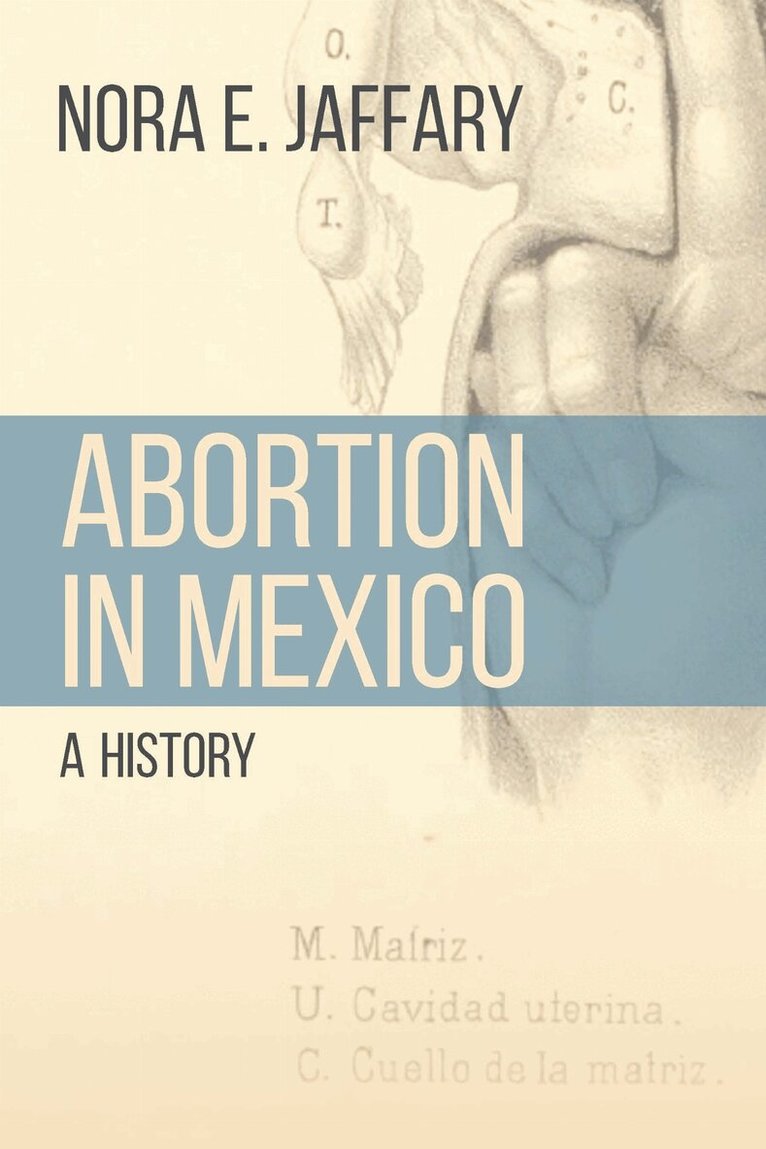
Abortion in Mexico: A History concisely examines the long history of abortion from the early postcontact period through the present day in Mexico by studying the law, criminal and ecclesiastical trials, medical texts, newspapers, and other popular publications.Nora E. Jaffary draws on courts’ and medical practitioners’ handling of birth termination to advance two central arguments. First, Jaffary contends, the social, legal, and judicial condemnation of abortion should be understood more as an aberration than the norm in Mexico, as legal conditions and long periods of Mexican history indicate that the law, courts, the medical profession, and everyday Mexicans tolerated the practice. Second, the historical framework of abortion differed greatly from its present representation. The language of fetal personhood and the notion of the inherent value of human life were not central elements of the conceptualization of abortion until the late twentieth century. Until then, the regulation of abortion derived exclusively out of concerns for pregnant people themselves, specifically about their embodiment of sexual honor.In Abortion in Mexico Jaffary presents the first longue durÉe examination of this history from a variety of locations in Mexico, providing a concise yet comprehensive overview of the practice of abortion and informing readers of just how much the debate has evolved.
269 kr
Skickas inom 10-15 vardagar
Abortion in Mexico: A History concisely examines the long history of abortion from the early postcontact period through the present day in Mexico by studying the law, criminal and ecclesiastical trials, medical texts, newspapers, and other popular publications.Nora E. Jaffary draws on courts’ and medical practitioners’ handling of birth termination to advance two central arguments. First, Jaffary contends, the social, legal, and judicial condemnation of abortion should be understood more as an aberration than the norm in Mexico, as legal conditions and long periods of Mexican history indicate that the law, courts, the medical profession, and everyday Mexicans tolerated the practice. Second, the historical framework of abortion differed greatly from its present representation. The language of fetal personhood and the notion of the inherent value of human life were not central elements of the conceptualization of abortion until the late twentieth century. Until then, the regulation of abortion derived exclusively out of concerns for pregnant people themselves, specifically about their embodiment of sexual honor.In Abortion in Mexico Jaffary presents the first longue durÉe examination of this history from a variety of locations in Mexico, providing a concise yet comprehensive overview of the practice of abortion and informing readers of just how much the debate has evolved.