Norbert Schürer - Böcker
Visar alla böcker från författaren Norbert Schürer. Handla med fri frakt och snabb leverans.
4 produkter
4 produkter
1 754 kr
Skickas inom 10-15 vardagar
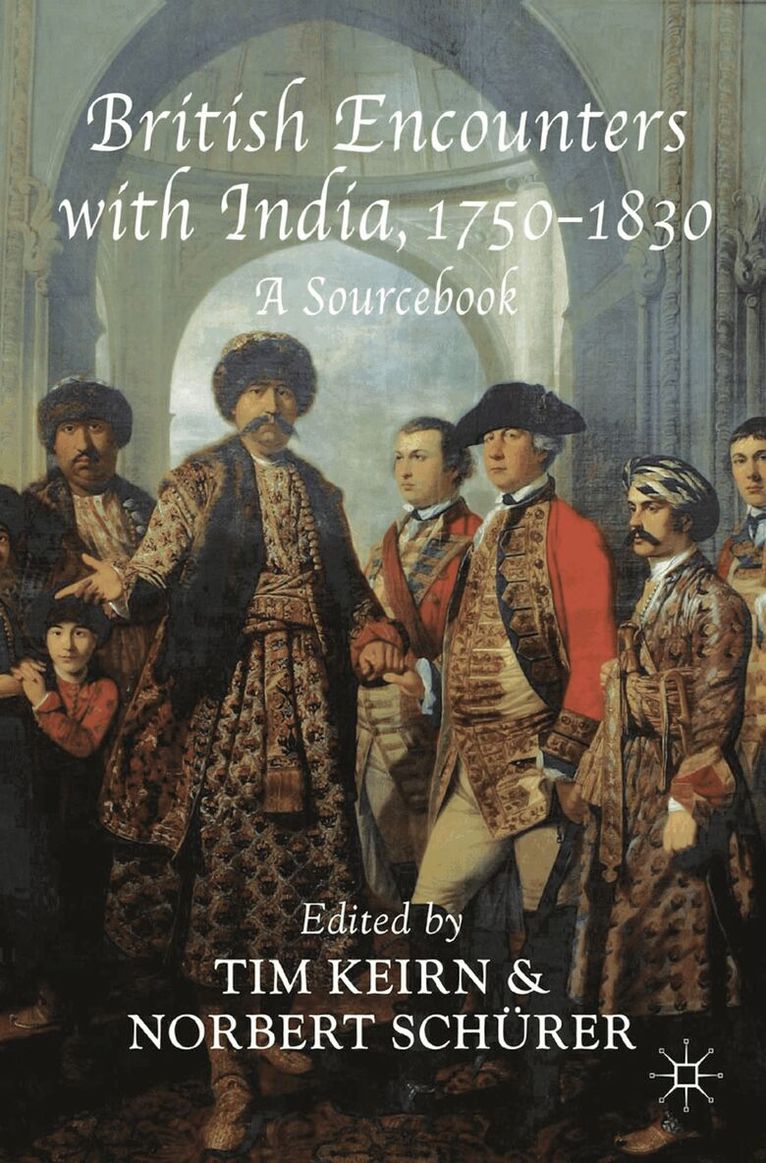
A collection of 18th- and early 19th-century primary texts and images that represent various facets of the cross-cultural interaction between India and Britain. The anthology suggests that for a brief period - while most Europeans were involved in projects of Empire and domination - some British envisioned a convergence of cultures.
284 kr
Skickas inom 10-15 vardagar
Continuum Contemporaries give readers accessible and informative introductions to some of the most popular, most acclaimed, and most influential novels of recent years. A team of contemporary fiction scholars from both sides of the Atlantic has been assembled to provide a through and readable analysis of each of the novels in question. The books in the series all follow the same structure: a biography of the novelist, including other works, influences, and, in some cases, an interview; a full-length study of the novel, drawing out the most important themes and ideas; a summary of how the novel was received upon publication; a summary of how the novel has performed since publication, including film or television adaptations, literary prizes, and so forth; a wide range of suggestions for further reading, including web sites and discussion forums; and a list of questions for reading groups to discuss.
1 665 kr
Skickas inom 7-10 vardagar
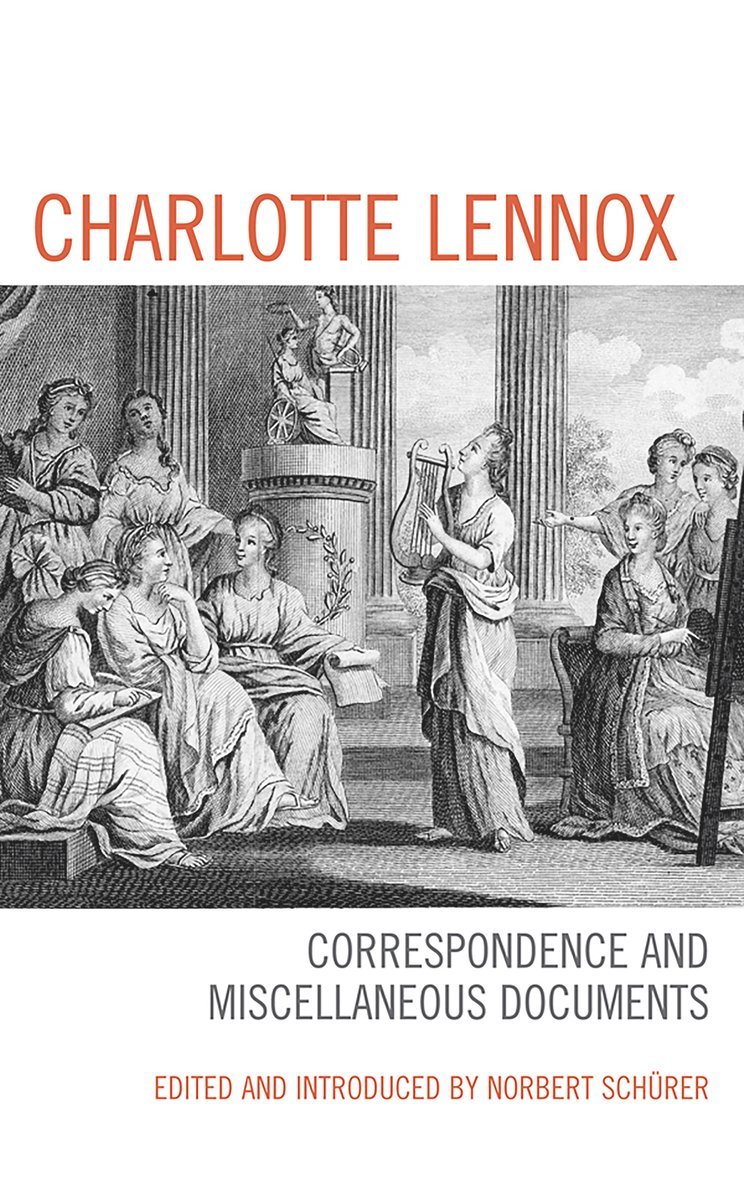
This volume compiles and annotates for the first time the complete correspondence of the eighteenth-century British author Charlotte Lennox, best known for her novel The Female Quixote. Lennox corresponded with famous contemporaries from different walks of life such as James Boswell, David Garrick, Samuel Johnson, and Sir Joshua Reynolds, and she interacted with many other influential figures including her patroness the Countess of Bute, publisher Andrew Millar, and the Reverend Thomas Winstanley. In addition to Lennox’s and her correspondents’ letters, this book presents related documents such as the author’s proposals for subscription editions of her works, her file with the Royal Literary Fund, and a series of poems and stories supposedly composed by her son but perhaps written by herself. In these carefully and extensively annotated documents, Charlotte Lennox traces the vagaries in the career of a female writer in the male-dominated eighteenth-century literary marketplace.The introduction situates Lennox in the context of contemporaneous print culture and specifically examines the contentious question of the authorship of The Female Quixote, Lennox’s experimentation with various forms of publication, and her appeals for charity to the Royal Literary Fund when she was impoverished towards the end of her life. The author who emerges from Charlotte Lennox was an active, assertive, innovative, and independent woman trying to find her place—and make a literary career—in eighteenth-century Britain. Thus, this volume makes an important contribution to the history of female authorship, literary history, and eighteenth-century studies.
645 kr
Skickas inom 10-15 vardagar
This volume compiles and annotates for the first time the complete correspondence of the eighteenth-century British author Charlotte Lennox, best known for her novel The Female Quixote. Lennox corresponded with famous contemporaries from different walks of life such as James Boswell, David Garrick, Samuel Johnson, and Sir Joshua Reynolds, and she interacted with many other influential figures including her patroness the Countess of Bute, publisher Andrew Millar, and the Reverend Thomas Winstanley. In addition to Lennox’s and her correspondents’ letters, this book presents related documents such as the author’s proposals for subscription editions of her works, her file with the Royal Literary Fund, and a series of poems and stories supposedly composed by her son but perhaps written by herself. In these carefully and extensively annotated documents, Charlotte Lennox traces the vagaries in the career of a female writer in the male-dominated eighteenth-century literary marketplace.The introduction situates Lennox in the context of contemporaneous print culture and specifically examines the contentious question of the authorship of The Female Quixote, Lennox’s experimentation with various forms of publication, and her appeals for charity to the Royal Literary Fund when she was impoverished towards the end of her life. The author who emerges from Charlotte Lennox was an active, assertive, innovative, and independent woman trying to find her place—and make a literary career—in eighteenth-century Britain. Thus, this volume makes an important contribution to the history of female authorship, literary history, and eighteenth-century studies.