Norman A. Stillman – författare
Visar alla böcker från författaren Norman A. Stillman. Handla med fri frakt och snabb leverans.
7 produkter
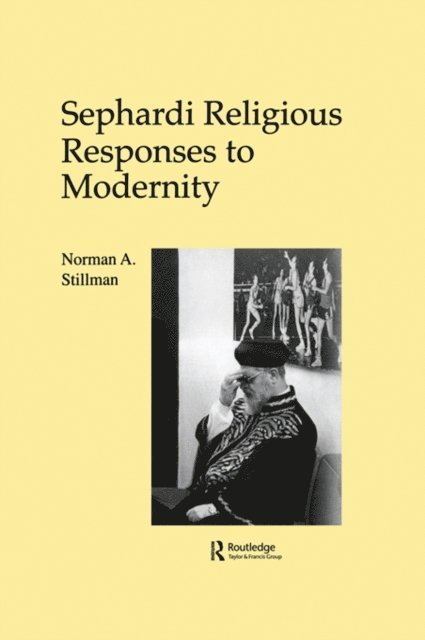
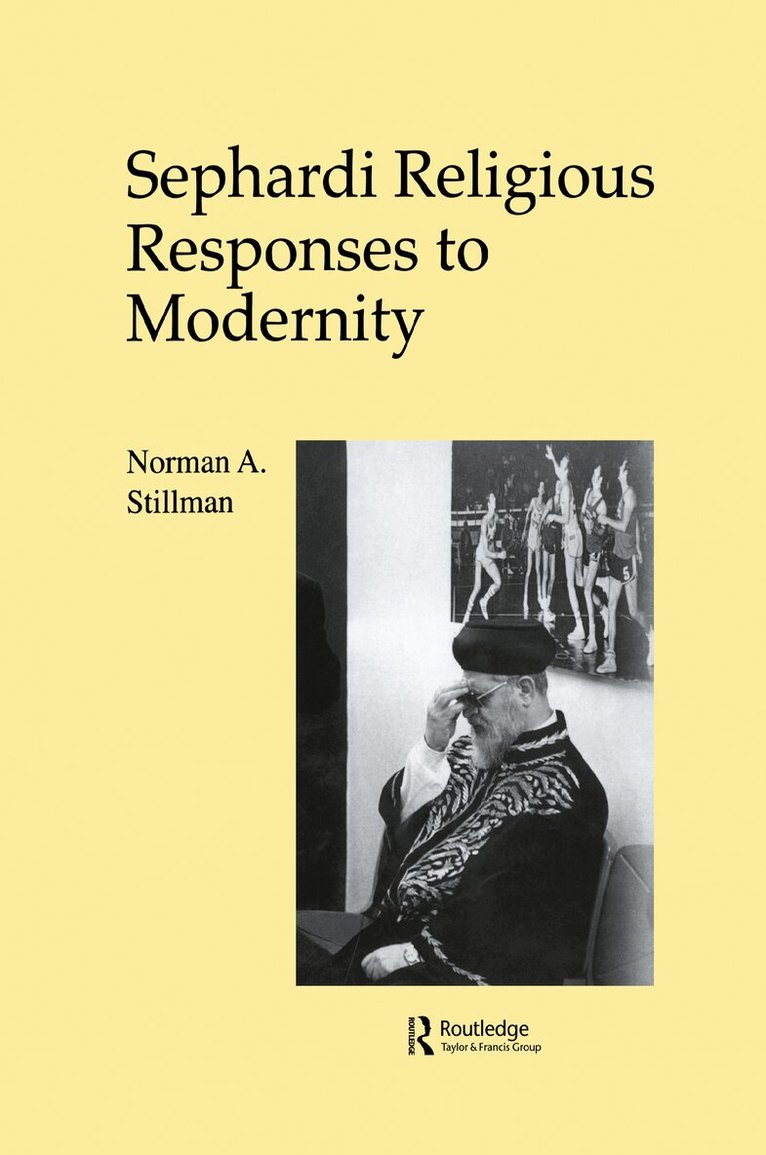
Sephardi Religious Responses to Modernity
Häftad, 2012
749 kr
Lägg i varukorg
First Published in 1995. Throughout the nineteenth century the entire structure of the Ashkenazi world crumbled. What remains of Ashkenazi Jewry today is split into irreconcilable religious camps on the one hand, and a large body of secularized Jews of greater or lesser ethnicity on the other. The …
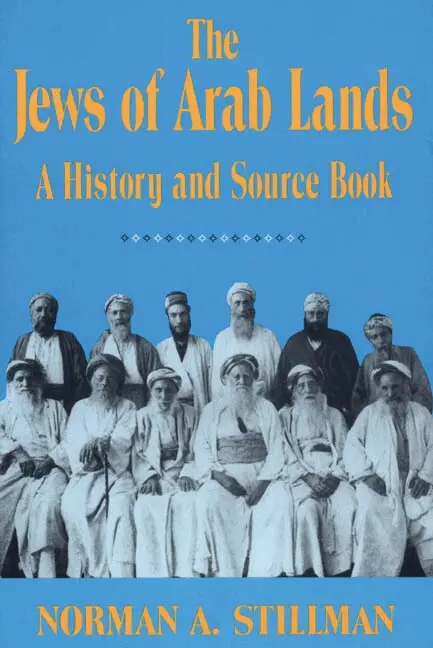
Jews of Arab Lands
A History and Source Book
Häftad, 1998
400 kr
Lägg i varukorg
Norman Stillman has produced a comprehensive and articulate history of the turbulent and complex relationships in the Middle East that brilliantly captures the people and the history.
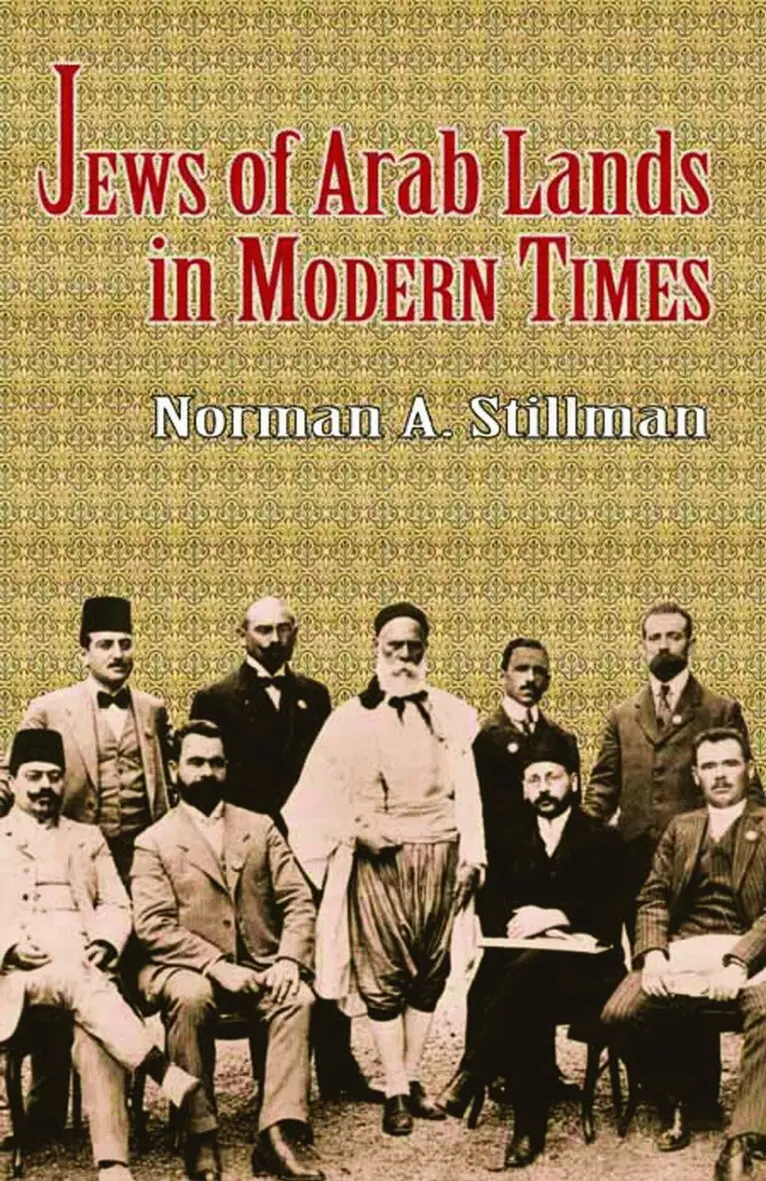
Jews of Arab Lands in Modern Times
Häftad, 2003
388 kr
Lägg i varukorg
At a time when hostilities and violence in the Middle East and Persian Gulf continually threaten the world with war, anyone seeking to understand the current situation must become familiar with the interrelationships of the Jewish and Arab cultures. This book focuses on the forces, events, and …
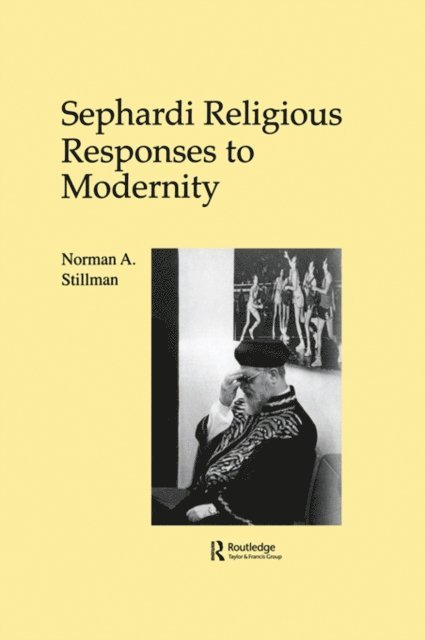
Sephardi Religious Responses to Modernity
E-bok, 2013
890 kr
Lägg i varukorg
First Published in 1995. Throughout the nineteenth century the entire structure of the Ashkenazi world crumbled. What remains of Ashkenazi Jewry today is split into irreconcilable religious camps on the one hand, and a large body of secularized Jews of greater or lesser ethnicity on the other. The …
Sephardi Religious Responses to Modernity
E-bok, 2013
890 kr
Lägg i varukorg
First Published in 1995. Throughout the nineteenth century the entire structure of the Ashkenazi world crumbled. What remains of Ashkenazi Jewry today is split into irreconcilable religious camps on the one hand, and a large body of secularized Jews of greater or lesser ethnicity on the other. The …
Antisemitism
A Historical Encyclopedia of Prejudice and Persecution [2 Volumes]
Av Richard S. Levy, Dean Phillip Bell m. fl.
E-bok, 2005
2295 kr
Lägg i varukorg
Written by top scholars in an accessible manner, this unique encyclopedia offers worldwide coverage of the origins, forms, practitioners, and effects of antisemitism, leading to the Holocaust and surviving to the present day. The word "antisemite" was first used to describe a politically motivated …
Sephardi Religious Responses to Modernity
Inbunden, 1995
2510 kr
Lägg i varukorg
First Published in 1995. Throughout the nineteenth century the entire structure of the Ashkenazi world crumbled. What remains of Ashkenazi Jewry today is split into irreconcilable religious camps on the one hand, and a large body of secularized Jews of greater or lesser ethnicity on the other. The …