Norman Gottwald – författare
Visar alla böcker från författaren Norman Gottwald. Handla med fri frakt och snabb leverans.
4 produkter
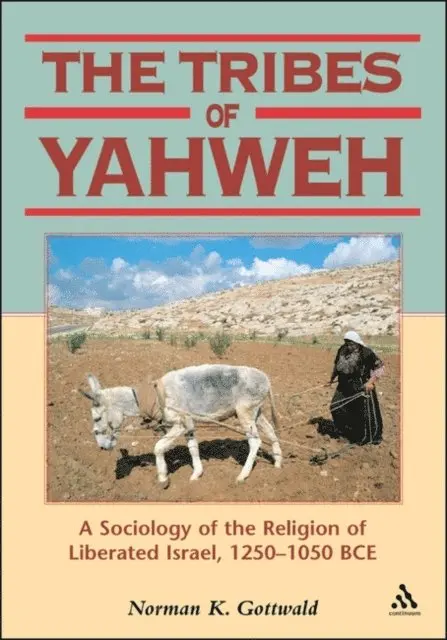
Tribes of Yahweh
A Sociology of Religion of Liberated Israel 1250 -1050 B.C.E.
Häftad, 2013
931 kr
Lägg i varukorg
This important and substantial study may well prove to represent a breakthrough in the study of the people of Israel during the formative period which preceded the monarchy. Fully aware of the current decline of comprehensive vision in favour of isolated specialisms, Professor Gottwald describes …
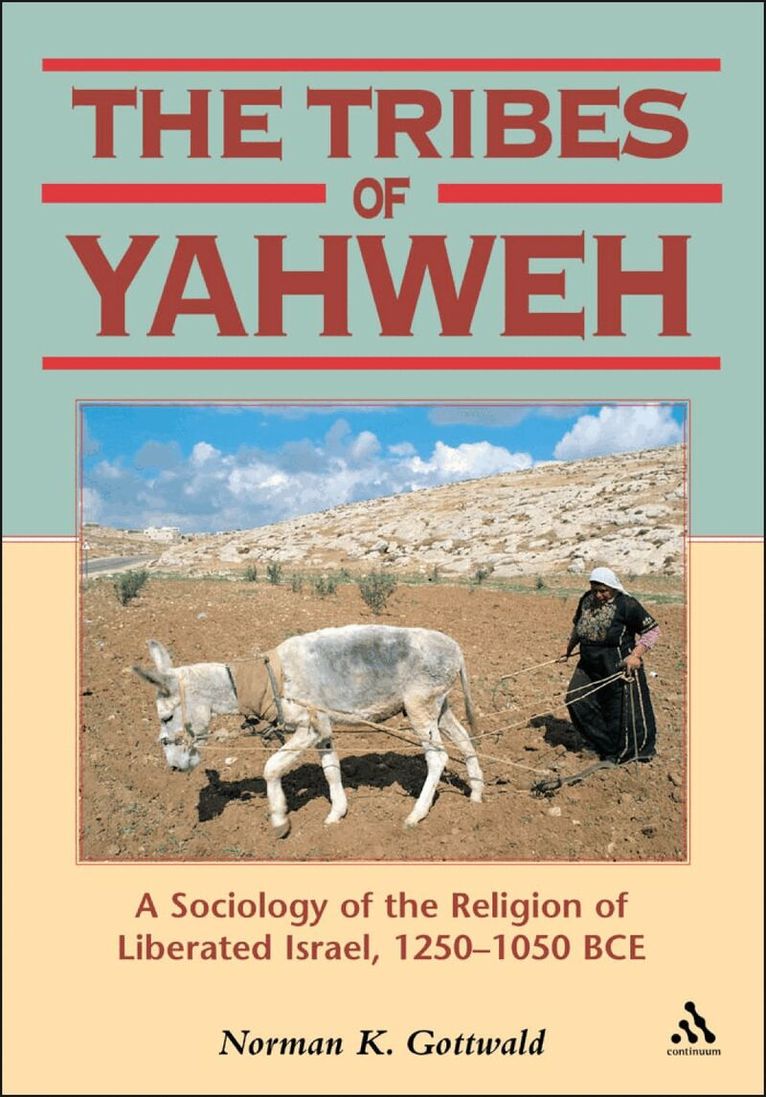
Tribes of Yahweh
A Sociology of the Religion of Liberated Israel, 1250-1050 BCE
E-bok, 1999
2338 kr
Lägg i varukorg
A twentieth-anniversary reprint of the landmark book that launched the current explosion of social-scientific studies in the biblical field. It sets forth a cultural-material methodology for reconstructing the origins of ancient Israel and offers the hypothesis that Israel emerged as an indigenous …
All the Kingdoms of the Earth
Av Norman Gottwald, Norman K. Gottwald
Häftad, 2008
459 kr
Lägg i varukorg
Tribes of Yahweh
A Sociology of the Religion of Liberated Israel, 1250-1050 BCE
Häftad, 1999
2125 kr
Lägg i varukorg
A twentieth-anniversary reprint of the landmark book that launched the current explosion of social-scientific studies in the biblical field. It sets forth a cultural-material methodology for reconstructing the origins of ancient Israel and offers the hypothesis that Israel emerged as an indigenous …