Norman Hampson – författare
Visar alla böcker från författaren Norman Hampson. Handla med fri frakt och snabb leverans.
6 produkter
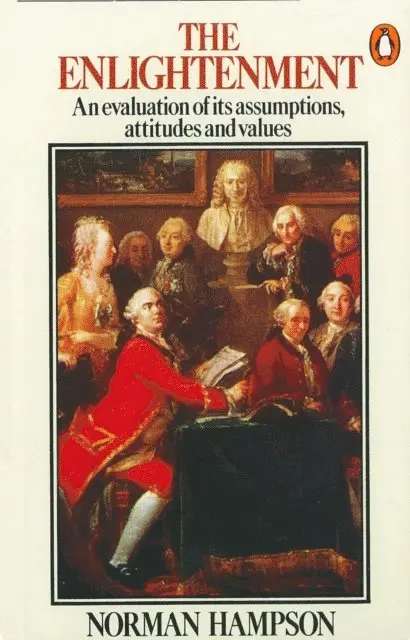
Enlightenment
Häftad, 1990
166 kr
Lägg i varukorg
Armed with the insights of the scientific revolution, the men of the Enlightenment set out to free mankind from its age-old cocoon of pessimism and superstition and establish a more reasonable world of experiment and progress. Yet by the 1760s, this optimism about man and society had almost …
Enlightenment
E-bok, 1990
136 kr
Lägg i varukorg
Armed with the insights of the scientific revolution, the men of the Enlightenment set out to free mankind from its age-old cocoon of pessimism and superstition and establish a more reasonable world of experiment and progress. Yet by the 1760s, this optimism about man and society had almost …
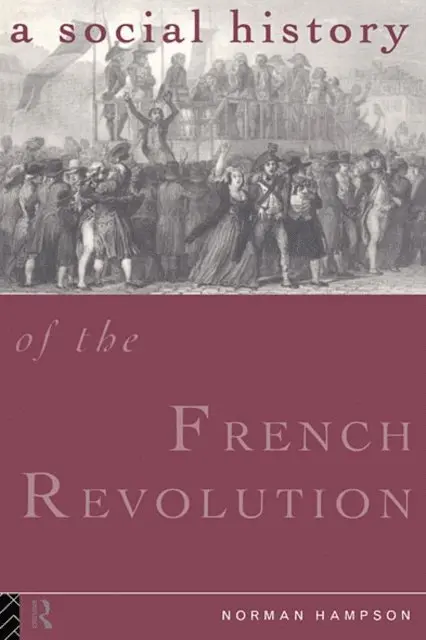
Social History of the French Revolution
Häftad, 1963
668 kr
Lägg i varukorg
The revolutionary movement which began in 1787 disrupted every aspect of French society, rising to a pitch of such extreme violence that the effects are still felt in France today. The Revolution was the product of social tensions that developed throughout France in the second half of the …
Social History of the French Revolution
E-bok, 2008
768 kr
Lägg i varukorg
The revolutionary movement which began in 1787 disrupted every aspect of French society, rising to a pitch of such extreme violence that the effects are still felt in France today. The Revolution was the product of social tensions that developed throughout France in the second half of the …
Social History of the French Revolution
E-bok, 2008
768 kr
Lägg i varukorg
The revolutionary movement which began in 1787 disrupted every aspect of French society, rising to a pitch of such extreme violence that the effects are still felt in France today. The Revolution was the product of social tensions that developed throughout France in the second half of the …
Social History of the French Revolution
Inbunden, 2016
2590 kr
Lägg i varukorg
The revolutionary movement which began in 1787 disrupted every aspect of French society, rising to a pitch of such extreme violence that the effects are still felt in France today. The Revolution was the product of social tensions that developed throughout France in the second half of the …