Norman Myers – författare
Visar alla böcker från författaren Norman Myers. Handla med fri frakt och snabb leverans.
8 produkter
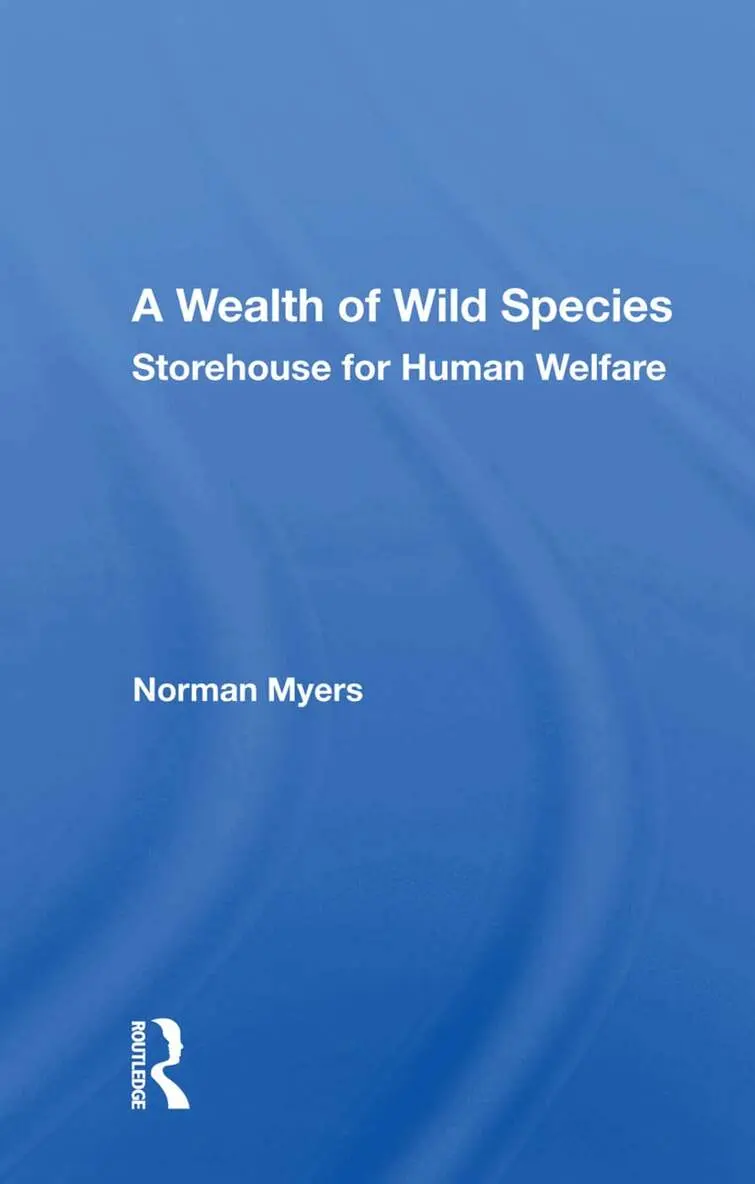
Wealth Of Wild Species
Storehouse For Human Welfare
Av Norman Myers
Inbunden, 2020
2510 kr
Lägg i varukorg
As environmentalists and wildlife enthusiasts argue for preservation of wild species, they sometimes overlook a most compelling fact-the survival of wild species directly benefits humans. Like the Earth's most precious minerals, the planetary gene pool is a valuable natural resource that is …
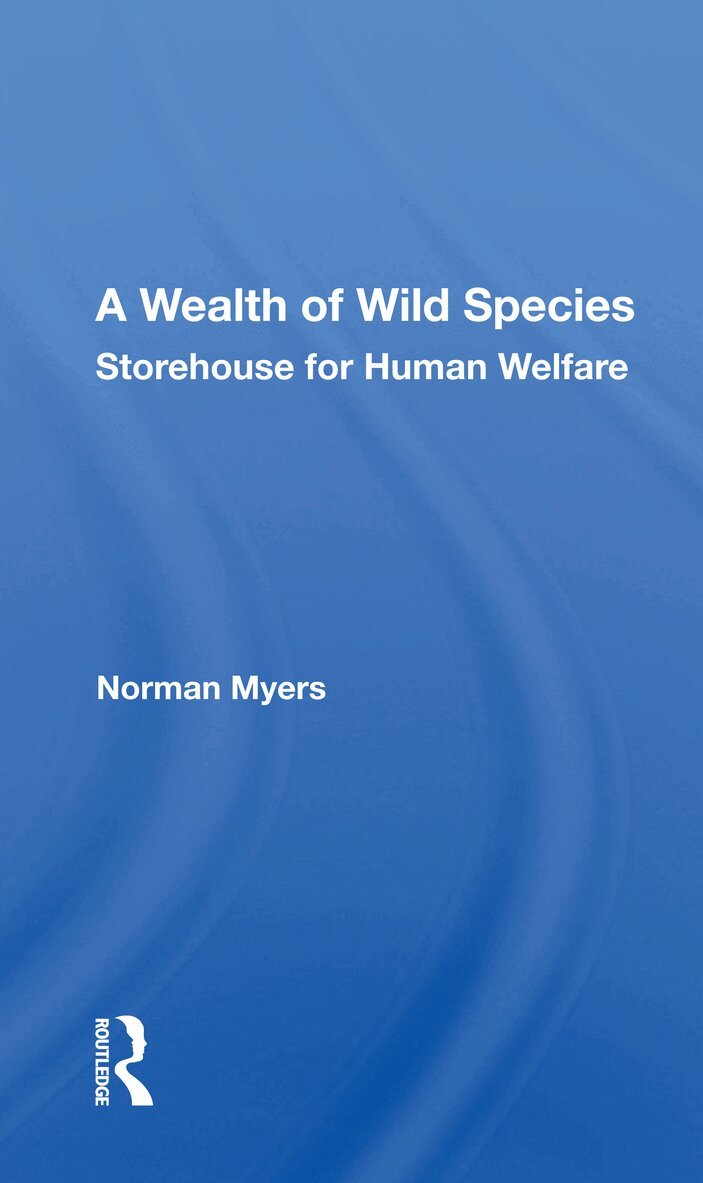
Wealth Of Wild Species
Storehouse For Human Welfare
Av Norman Myers
Häftad, 2022
647 kr
Lägg i varukorg
This book tells how our welfare is ever more intimately tied up with the welfare of the millions of species that share the One Earth home with us. It presents a synoptic review of the contributions that wild species make, and can make, to our daily lives.
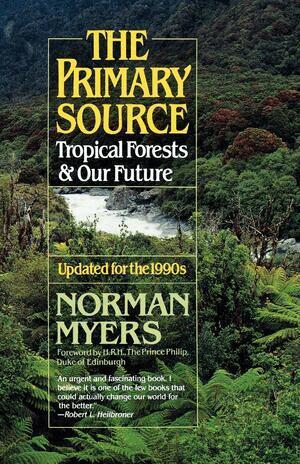
Primary Source
Tropical Forests and Our Future
Av Norman Myers
Häftad, 1992
350 kr
Lägg i varukorg
Tropical forests form the most diverse and complex ecosystem on earth—a virtual powerhouse of evolution—containing 40 percent of all living species. They provide us with food, medicines, germplasm stocks to replenish our crops, and new types of energy sources. It is clear we cannot afford to lose …
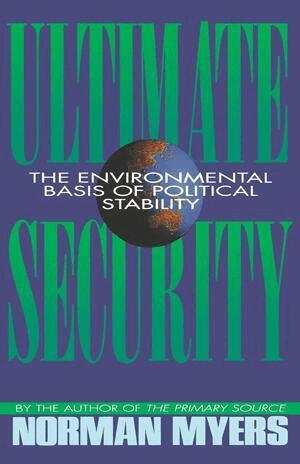
Ultimate Security
The Environmental Basis of Political Stability
Av Norman Myers
Häftad, 1993
314 kr
Lägg i varukorg
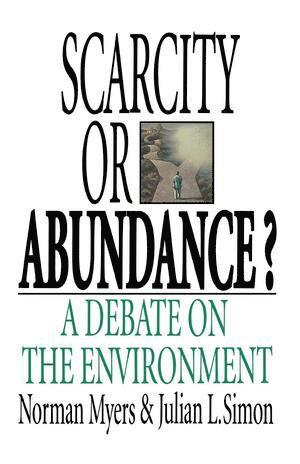
Scarcity or Abundance?
A Debate on the Environment
Av Norman Myers, Julian L. Simon
Häftad, 1994
279 kr
Lägg i varukorg
These and other questions are discussed by environmentalist Norman Myers, and Julian Simon, an economist and outspoken sceptic on environmentalism. This book is a transcript of their provocative exchange in a debate held at Columbia University in October 1992. The authors also provide position …
Wealth Of Wild Species
Storehouse For Human Welfare
Av Norman Myers
E-bok, 2019
762 kr
Lägg i varukorg
This book tells how our welfare is ever more intimately tied up with the welfare of the millions of species that share the One Earth home with us. It presents a synoptic review of the contributions that wild species make, and can make, to our daily lives.
Wealth Of Wild Species
Storehouse For Human Welfare
Av Norman Myers
E-bok, 2019
785 kr
Lägg i varukorg
This book tells how our welfare is ever more intimately tied up with the welfare of the millions of species that share the One Earth home with us. It presents a synoptic review of the contributions that wild species make, and can make, to our daily lives.
New Consumers
The Influence Of Affluence On The Environment
Av Norman Myers, Jennifer Kent
Inbunden, 2004
211 kr
Tillfälligt slut
While overconsumption by the developed world's roughly one billion inhabitants is an abiding problem, another one billion increasingly affluent "new consumers" in developing countries will place additional strains on the earth's resources, argue authors Norman Myers and Jennifer Kent in this …