Nuha Alshaar - Böcker
Visar alla böcker från författaren Nuha Alshaar. Handla med fri frakt och snabb leverans.
4 produkter
4 produkter
951 kr
Skickas inom 5-8 vardagar
Though there have been many studies on the Qur'an's importance in tafsĪr (Qur'anic commentary), there are comparatively few which look at the impact of the Qur'an on other forms of literature. The Qur'an and Adab: The Shaping of Literary Traditions in Classical Islam bridges the gap in the scholarship by placing the Qur'an in its broader cultural and literary contexts. It explores the Qur'an's relation to classical literary traditions (adab) from pre-Islamic times until the fifteenth century CE, focusing on the various ways in which the classical literati (udabā") engaged with the Qur'anic text, linguistically, conceptually, structurally, and aesthetically, to create works that combined the sacred with the profane, thereby blurring the boundaries between formal tafsĪr and adab.Through a detailed introduction and a series of case studies, the volume rethinks the concept of adab and the relation of scripture to humanistic traditions in classical Islam and questions the general classification of adab as belles-lettres. It examines the religious aesthetic found in different types of adab works--poetry, literary criticism, epistles, oratory traditions, anthologies, 'mirrors for princes', folklore, and mystical/Sufi literature. Featuring contributions by leading scholars, the collection investigate the intertextuality between pre-lslamic poetry and the Qur'an, and the innumerable approaches to the Qur'an by classical authors. It discusses the various citation techniques employed in the udabā"'s borrowing of Qur'anic language, concepts, and stories. The chapters explain how the choice of these techniques was determined by the literary conventions of the particular genres and contexts within which the udabā" were working, as well as by their authorial intention, theological, and ideological outlooks. They also highlight the link between the functions ascribed to Qur'anic quotations in a specific text and the need to convey a particular message to specific audiences.
1 886 kr
Skickas inom 3-6 vardagar
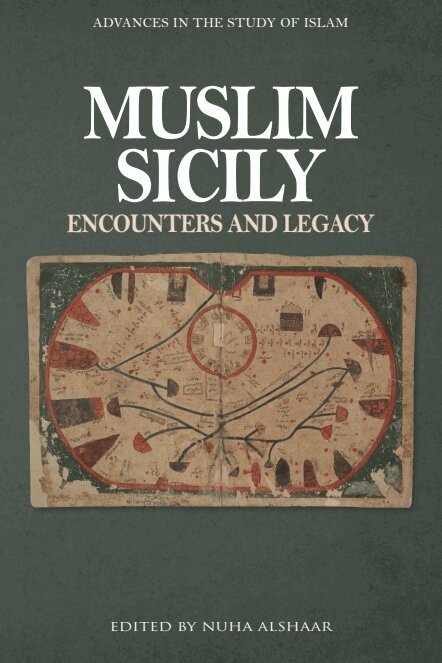
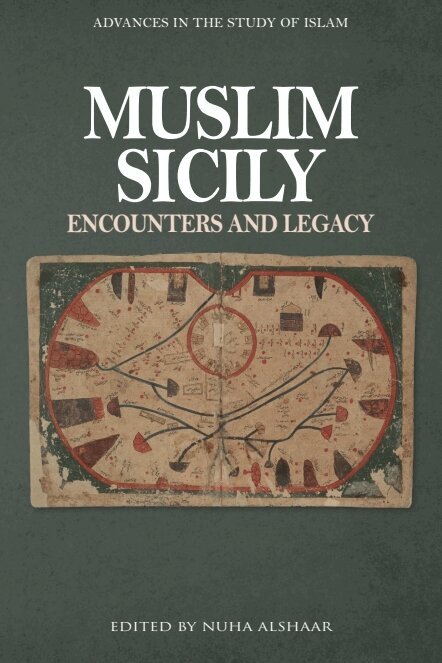
The period of Arabo-Islamic domination of parts of Sicily, and the consequent large Muslim presence on the island from 800 to the mid-13th century constitutes a crucial epoch whose influence remains an integral part of the island's architectural and cultural landscape. This volume builds on existing scholarship and goes beyond the 'Arabo-Norman' construct to afford greater recognition to the island's Arabic and Islamic history. Using a multidisciplinary approach, the chapters examine Sicily's mercantile, artistic and architectural links to the Muslim world, including the subjects of the F??imids of Ifr?qiya and their Kalbid allies in Sicily. It also reflects upon the Arabo-Islamic philosophical legacy at the court of Frederick II, Muslim accounts of medieval Sicily, F??imid influence on the arts, women's textile production, discussions of linguistics and literature, and various other aspects of Sicily's diverse cultural and religious life during this period.??
496 kr
Skickas inom 3-6 vardagar
The period of Arabo-Islamic domination of parts of Sicily, and the consequent large Muslim presence on the island from 800 to the mid-13th century constitutes a crucial epoch whose influence remains an integral part of the island’s architectural and cultural landscape. This volume builds on existing scholarship and goes beyond the ‘Arabo-Norman’ construct to afford greater recognition to the island’s Arabic and Islamic history. Using a multidisciplinary approach, the chapters examine Sicily’s mercantile, artistic and architectural links to the Muslim world, including the subjects of the Fāṭimids of Ifrīqiya and their Kalbid allies in Sicily. It also reflects upon the Arabo-Islamic philosophical legacy at the court of Frederick II, Muslim accounts of medieval Sicily, Fāṭimid influence on the arts, women’s textile production, discussions of linguistics and literature, and various other aspects of Sicily’s diverse cultural and religious life during this period.
The Christian-Jewish Debate at Tomei (Thmuis), Egypt, circa 620
Critical Arabic Text, English Translation, and Introduction
Häftad, Engelska, 2026
1 748 kr
Kommande
Die Herausgeber legen die arabische editio princeps des christlich-jüdischen Disputs von Tomei (Thmuis) in Ägypten vor, ergänzt durch die erste vollständige Übersetzung in eine moderne Sprache. Die englische Übersetzung ist bewusst nah am Wortlaut gehalten, um auch Leserinnen und Lesern ohne Arabischkenntnisse den Zugang zum Text zu ermöglichen. Analysiert werden das verlorene griechische Original, das ausschließlich in einer erweiterten arabischen Fassung des 8. Jahrhunderts erhalten ist, sowie die Handschriften- und Überlieferungsgeschichte. Die Herausgeber untersuchen Autorschaft und Provenienz und verorten den Text in seinen christlichen, jüdischen und islamischen Kontexten. Sie vertreten die These, dass der Bericht im Kern eine historische Begegnung um 620 zwischen dem Leiter der jüdischen Gemeinde von Thmuis und zwei Mönchen eines bedeutenden lokalen Klosters widerspiegelt, die zur Taufe von 375 Juden führte, wobei Bischof Yasib ausdrücklich auf freiwilliger Zustimmung bestand. Auf dieser Grundlage rekonstruieren sie die nur hier belegte jüdische Präsenz in Thmuis und diskutieren zwei Überlieferungen zu ihren Ursprüngen. Geklärt werden die im Text genannten Datierungen des Disputs, das Zusammentreffen von Laubhüttenfest und Kreuzerhöhung sowie der umfangreiche Abschnitt zu den 72 Eigenschaften Gottes. Dessen jüdischer Hintergrund spricht für einen Ursprung im griechischen Original und gegen eine spätere arabische Ergänzung. Abschließend behandeln die Herausgeber die frühe Bezeugung der Märtyrerära, neue Hinweise zur Wahl Patriarch Benjamins sowie die frühe arabische Übersetzung des Textes in einer Zeit ohne vollständige arabische Bibel.