Nuria de Castilla – författare
Visar alla böcker från författaren Nuria de Castilla. Handla med fri frakt och snabb leverans.
3 produkter
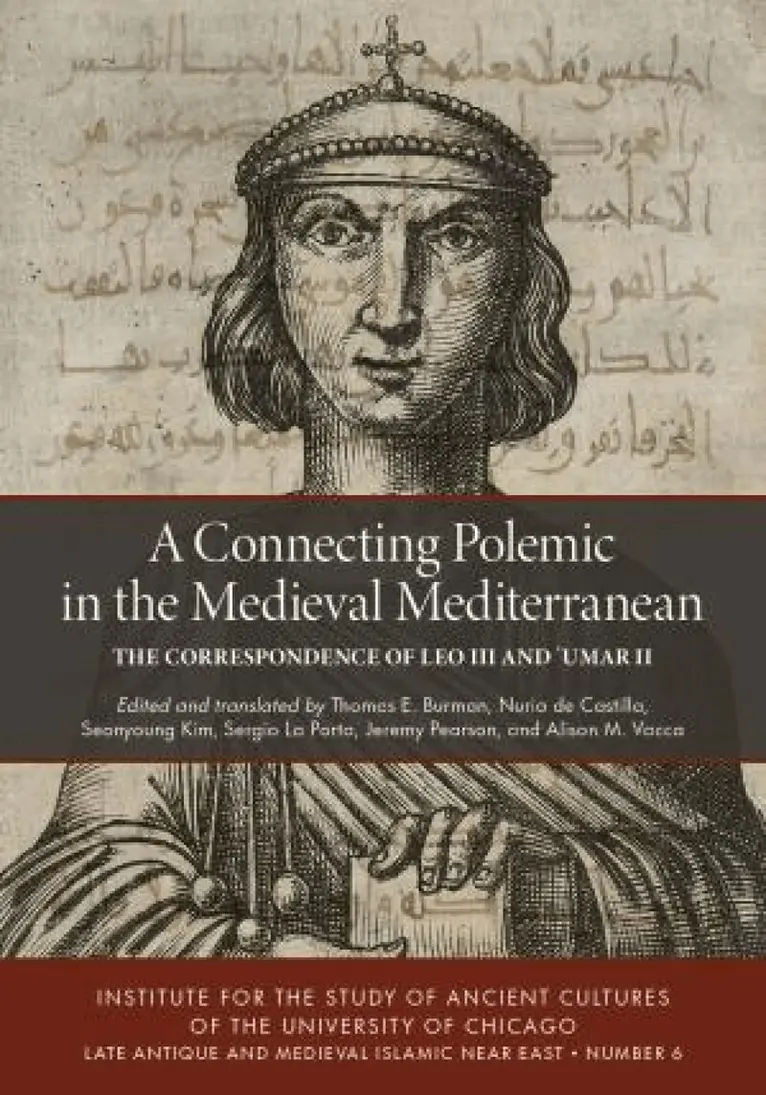
Connecting Polemic in the Medieval Mediterranean
The Correspondence of Leo III and 'Umar II
Av Thomas E Burman, Nuria de Castilla m. fl.
Häftad, 2026
680 kr
Lägg i varukorg
This book offers the first comprehensive edition and translation of all surviving versions—Latin, Armenian, Arabic, and Aljamiado—of the polemical correspondence attributed to the Byzantine emperor Leo III and the Umayyad caliph 'Umar II.Far from simple diplomatic communication, these letters form …
Libraries in the Manuscript Age
Av Nuria de Castilla, François Déroche m. fl.
Inbunden, 2023
1823 kr
Lägg i varukorg
The case studies presented in this volume help illuminate the rationale for the founding of libraries in an age when books were handwritten, thus contributing to the comparative history of libraries. They focus on examples ranging from the seventh to the seventeenth century emanating from the …
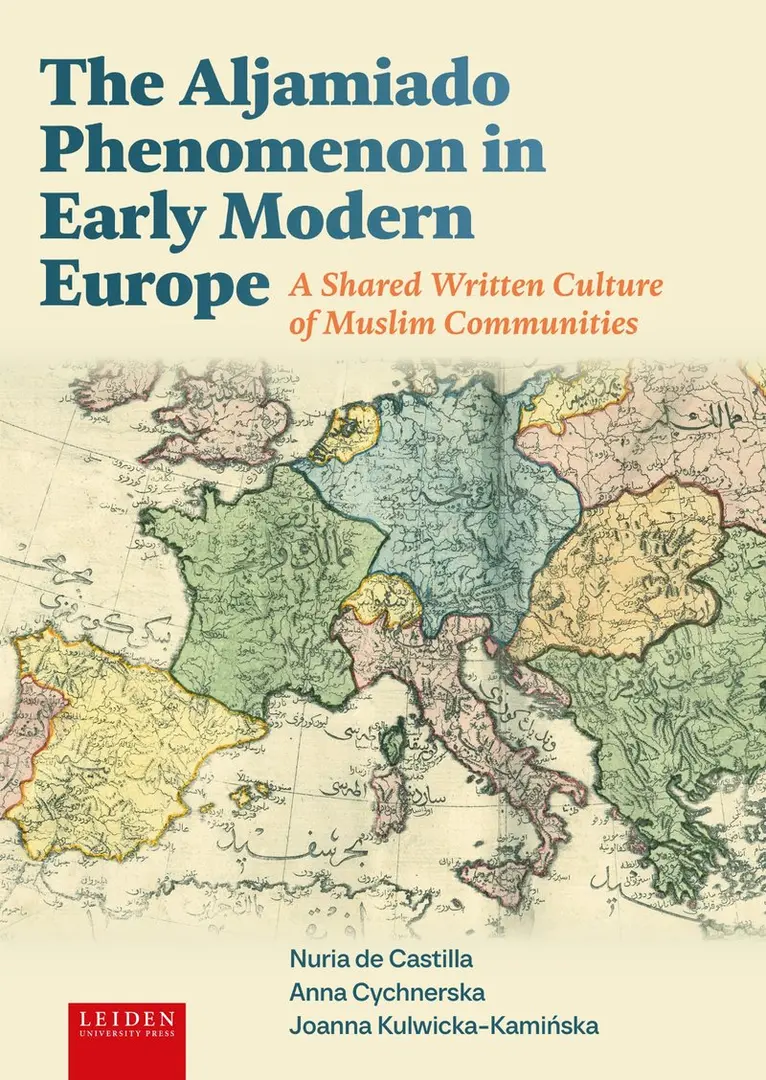
Aljamiado Phenomenon in Early Modern Europe
A Shared Written Culture of Muslim Communities
Av Nuria de Castilla, Anna Cychnerska m. fl.
Inbunden, 2027
1435 kr
Kommande
This book offers the first systematic comparative study of Aljamiado as a genuinely European phenomenon. Moving beyond regional approaches, it brings together three major Islamic manuscript traditions: the writings of the Mudéjars and Moriscos of the Iberian Peninsula, the Bosnian corpus, and the …