Nurit Stadler - Böcker
Visar alla böcker från författaren Nurit Stadler. Handla med fri frakt och snabb leverans.
4 produkter
4 produkter
1 130 kr
Skickas inom 5-8 vardagar
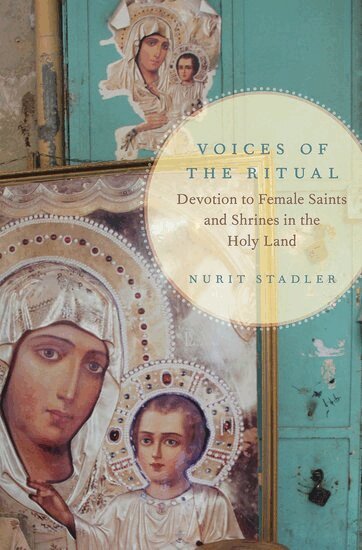
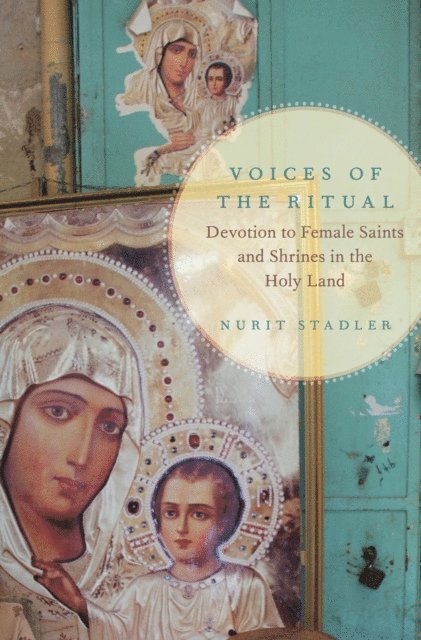
Voices of the Ritual analyzes the revival of rituals performed at female saint shrines in the Middle East. In the midst of turbulent political contention over land and borders, Nurit Stadler shows, religious minorities lay claim to space through rituals enacted at sacred spaces in the Holy Land. Using ethnographic analysis, Stadler explores the rise of these rituals, their focus on the body, female materiality, and their place in the Israeli-Palestinian landscape. Stadler examines the varied features of the practice and implications of the rituals, looking at themes of femininity and material experience. She considers the role of the body in rituals that represent the act of birth or the circle of life and that aim to foster an intimate connection between the female saint and her worshippers. Stadler underscores the political, cultural, and spatial elements of this practice, bringing attention to how religious minorities (Jews, Christians, Muslims, and Druze, among others) have utilized these rituals to assert their right to the land. Voices of the Ritual offers a valuable assessment of religious ritual practice that encrypts female themes into a landscape that has historically been defined by war and conflict.
Yeshiva Fundamentalism
Piety, Gender, and Resistance in the Ultra-Orthodox World
Inbunden, Engelska, 2009
526 kr
Skickas inom 10-15 vardagar
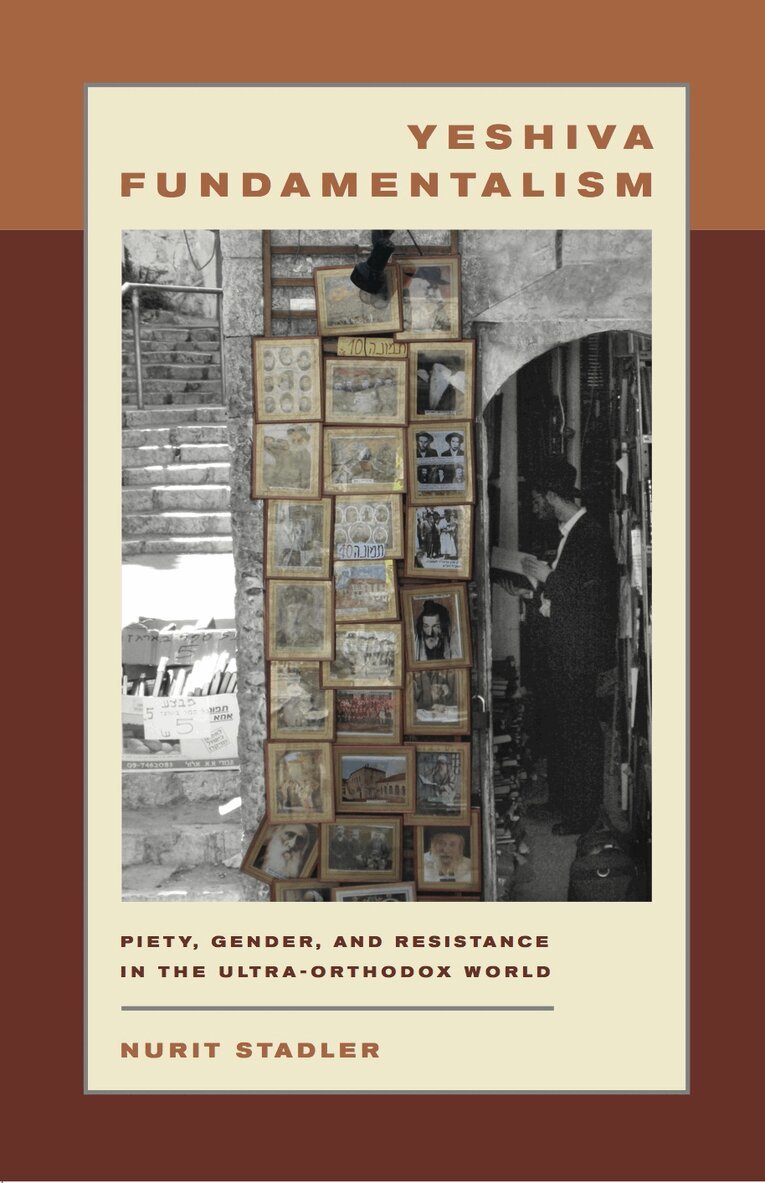
2009 Choice Outstanding Academic TitleThe ultra-Orthodox yeshiva, or Jewish seminary, is a space reserved for men, and for a focus on religious ideals. Fundamentalist forms of piety are usually believed to be quite resistant to change. In Yeshiva Fundamentalism, Nurit Stadler uncovers surprising evidence that firmly religious and pious young men of this community are seeking to change their institutions to incorporate several key dimensions of the secular world: a redefinition of masculinity along with a transformation of the family, and participation in civic society through the labor market, the army, and the construction of organizations that aid terror victims. In their private thoughts and sometimes public actions, they are resisting the demands placed on them to reject all aspects of the secular world.Because women are not allowed in the yeshiva setting, Stadler's research methods had to be creative. She invented a way to simulate yeshiva learning with young yeshiva men by first studying with an informant to learn key religious texts, often having to do with family life, sexuality, or participation in the larger society. This informant then invited students over to discuss these texts with Stadler and himself outside of the yeshiva setting. This strategy enabled Stadler to gain access to aspects of yeshiva life in which a woman is usually unable to participate, and to hear "unofficial" thoughts and reactions which would have been suppressed had the interviews taken place within the yeshiva.Yeshiva Fundamentalism provides an intriguing — and at times surprising — glimpse inside the all-male world of the ultra-orthodox yeshivas in Israel, while providing insights relevant to the larger context of transformations of fundamentalism worldwide. While there has been much research into how contemporary feminism has influenced the study of fundamentalist groups worldwide, little work has focused on ultra-Orthodox men's desires to change, as Stadler does here, showing how fundamentalist men are themselves involved in the formulation of new meanings of piety, gender, modernity and relations with the Israeli state.
1 196 kr
Skickas inom 3-6 vardagar
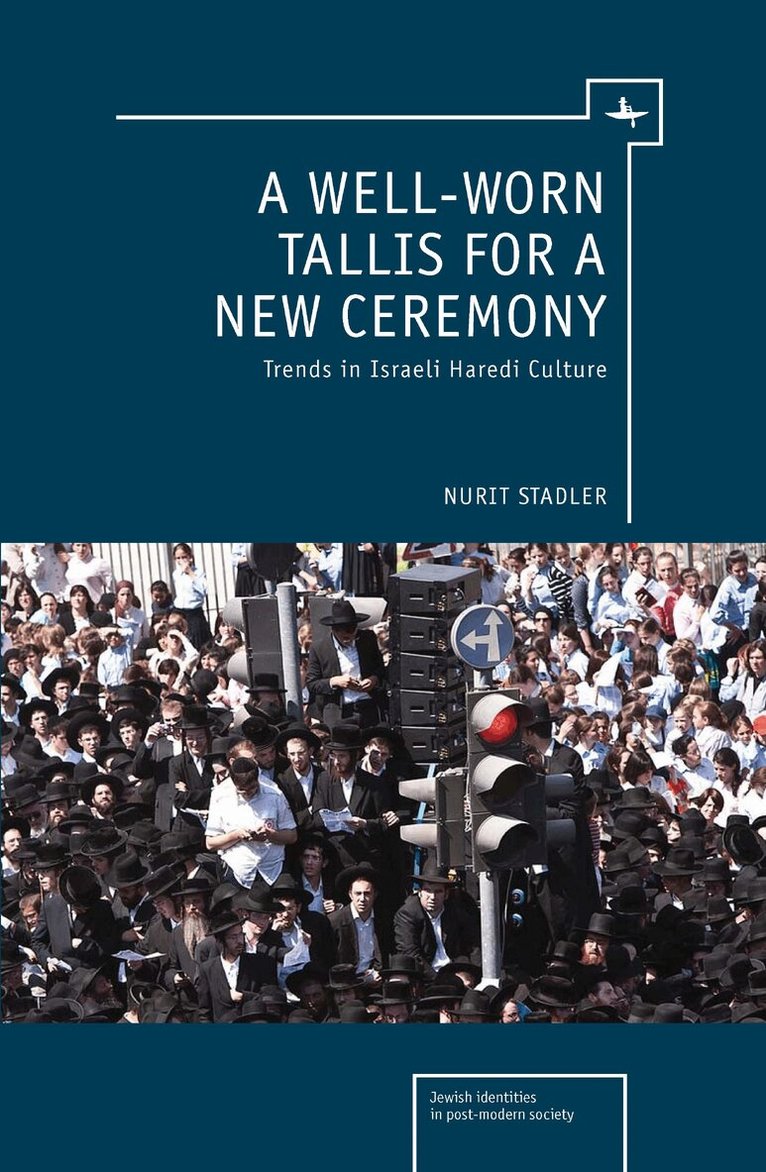
A Well-Worn Tallis for a New Ceremony: Trends in Israeli Haredi Culture is a study of contemporary ultra-Orthodox religiosity in Israel. This book analyses the on-going reconstruction of Haredi culture in Israel, a process which has been spurred on by the challenges of modernity, the worldwide resurgence of religion, and the strong sway of Israeliness. Despite its founders’ and the present leadership’s long-standing efforts to establish and buttress an community enclave, various modern trends and state institutions, such as secularisation, consumerism, feminism, and the military, are having a profound impact on the yeshiva world. In other words, modernity is making inroads into the Jewish state’s Haredi ‘ghetto’ and transforming many aspects of everyday life. Over the course of her extended research on this community, Stadler has discerned changes in several key areas: religious life; the family structure; and the community’s interface with government authorities and the rest of the populace. Her book sheds light on all these developments.
1 801 kr
Skickas inom 7-10 vardagar
This volume collects reflections on secularity from the Middle East and North Africa. To highlight proximate connections as well as resonances with debates elsewhere, it includes premodern contributions from the region as well as Jewish thought from Europe that have provided significant references for modern appropriations of secularity. The texts, for the most part previously untranslated, reflect commonalities within the region as well as its great diversity. Thus, while Islam is a common reference for most of our authors, the selections point to its varied invocations in the interest of differing political ends. Others write from a Christian or Jewish perspective, or subscribe to non-religious intellectual traditions. They range from premodern Muslim jurisprudents and philosophers to Ottoman statesmen, Arab socialist and nationalist intellectuals of the interwar period, Iranian revolutionaries, Israeli novelists, and finally, post-secular intellectuals, lay and religious, predominantly from the former Islamic heartland: modern Arab states and Iran. Several introductions weave together the swathe of topics raised in the discussions, beginning with a schematic presentation of the concerns that undergird the volume’s organization.