O. P. Chaturvedi - Böcker
Visar alla böcker från författaren O. P. Chaturvedi. Handla med fri frakt och snabb leverans.
2 produkter
2 produkter
939 kr
Skickas inom 7-10 vardagar
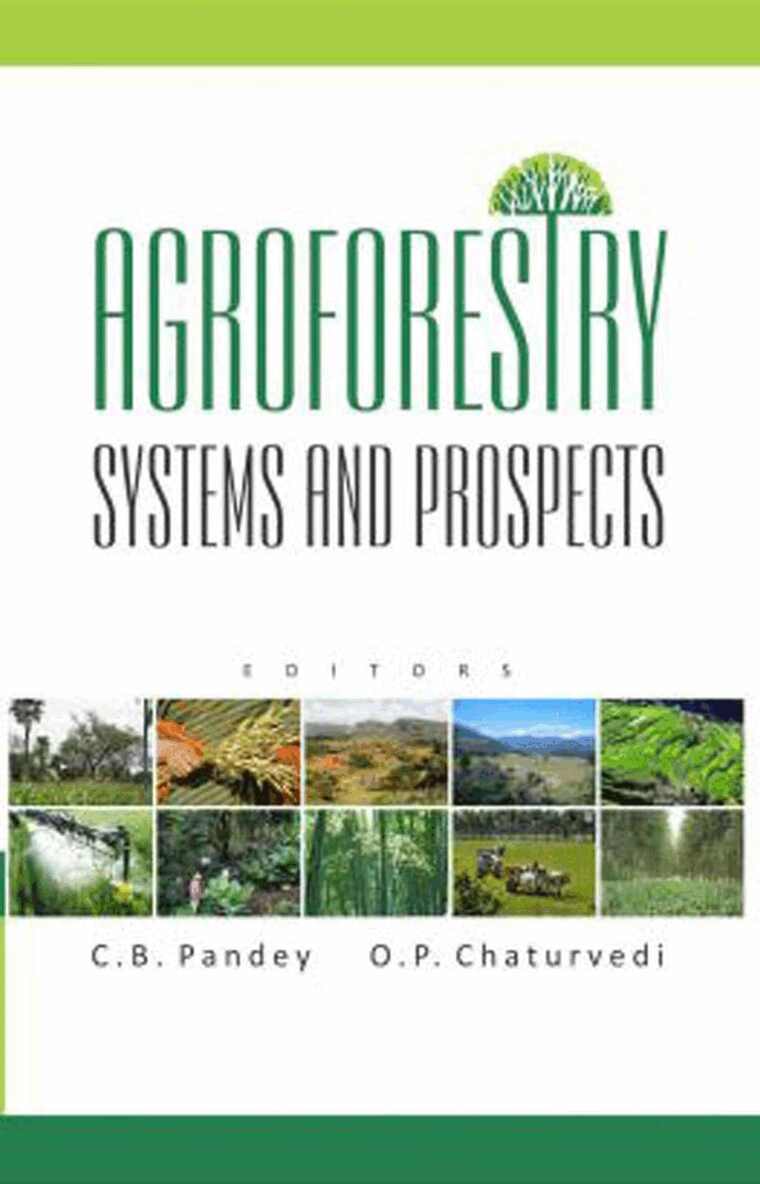
The book encompasses a total of 26 chapters, with the initial ten chapters discussing traditional agroforestry systems that are prevalent in various regions across the country. These include homegardens, which exhibit a multistrata structure and are typically found in the northeastern and southern regions. The subsequent chapters, from 11 to 14, explore contemporary agroforestry models and the mechanisms of competition within agroforestry systems.Chapters 15 to 19 delve into the nutrient cycling and natural resource conservation aspects of agroforestry systems. In this context, trees assume both protective and productive roles. The tree canopies shield the soil from rain and wind erosion, while the fine roots bind the soil particles together, thereby safeguarding them from erosion. Additionally, trees recycle leaf and root litter, as well as nutrients, making the system at least semi-sustainable.Certain agroforestry models, like shelterbelt and windbreaks, are known to offer protection against dust and sand dunes. Moreover, models like medicinal plant-based systems contribute to the provision of medicinal and other high-value crops. These service-oriented functions of agroforestry are elaborated upon in chapters 20 to 23.Tree improvement is a critical aspect of agroforestry research, and it aids in the development of superior trees for different agroforestry models. The multiplication of propagules and planting materials are equally essential for the expansion of agroforestry. Chapters 24 and 25 provide insights into these aspects. However, agroforestry systems necessitate numerous additional parameters due to their perennial nature. The final chapter discusses economic parameters such as NPV, IRR, annuity, and sensitivity in great detail.
2 329 kr
Skickas inom 7-10 vardagar
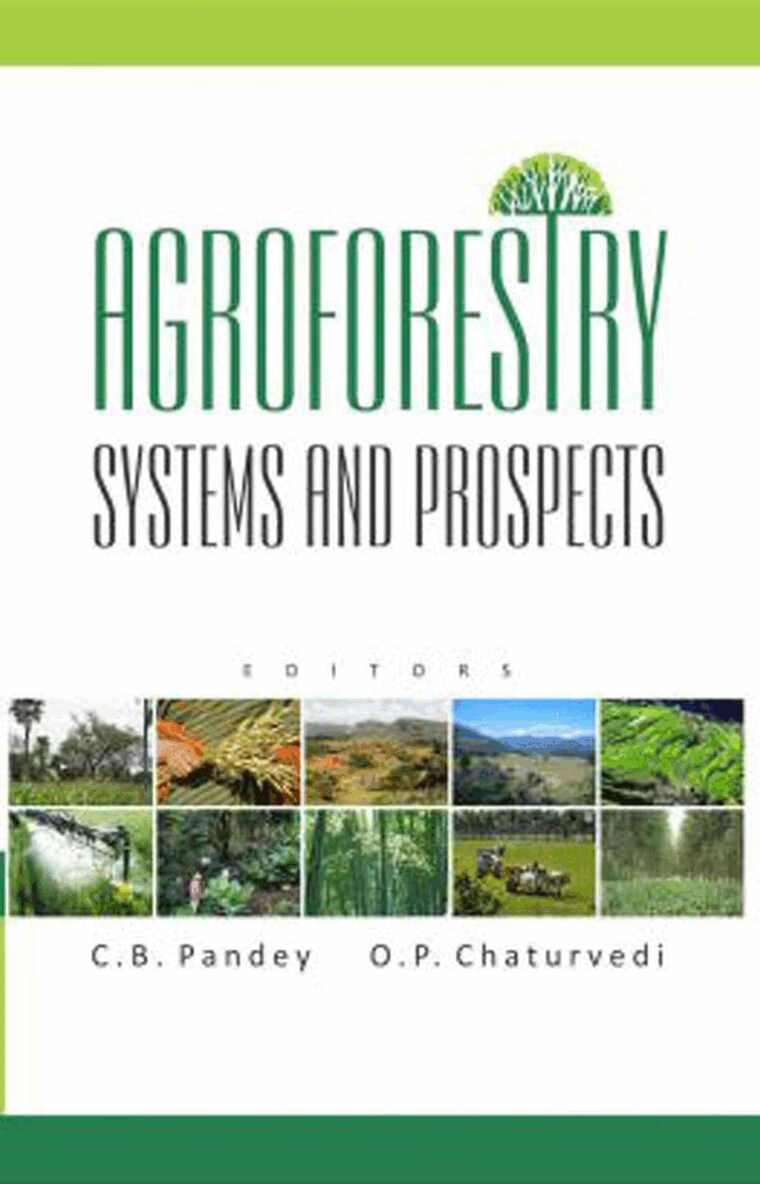
The book comprises a total of 26 chapters, with the initial ten delving into traditional agroforestry systems prevalent in various regions of our nation. Homegardens, which feature a multi-tiered structure, represent another example of a traditional agroforestry system commonly found in the northeastern and southern parts of our country. Chapters 11 to 14 focus on contemporary agroforestry models and the mechanism of competitive interaction in agroforestry systems. Chapters 15 to 19 discuss the role of agroforestry in conserving natural resources and nutrient cycling.Trees serve both protective and productive functions. Their canopies shield the soil from the impact of rainfall and wind, while their fine roots help bind soil particles together, thereby protecting the soil from erosion. Trees also recycle leaf and root litter and nutrients, making the system at least semi-sustainable. Certain agroforestry models, such as shelterbelts and windbreaks, help safeguard the environment from dust and sand dunes drifting, while other models like medicinal plant-based systems provide medicinal and other high-value crops. These service-oriented functions of agroforestry are covered in chapters 20 to 23.Tree improvement is a crucial aspect of agroforestry research, helping to develop superior trees for different agroforestry models. The multiplication of propagules and planting materials are equally vital for the development of agroforestry. These matters are elaborated upon in chapters 24 and 25. However, agroforestry systems demand more parameters due to their perennial nature. The last chapter examines economic parameters, such as NPV, IRR, annuity, and sensitivity, in great detail.