Obed Frausto - Böcker
Visar alla böcker från författaren Obed Frausto. Handla med fri frakt och snabb leverans.
5 produkter
5 produkter
2 088 kr
Skickas inom 10-15 vardagar
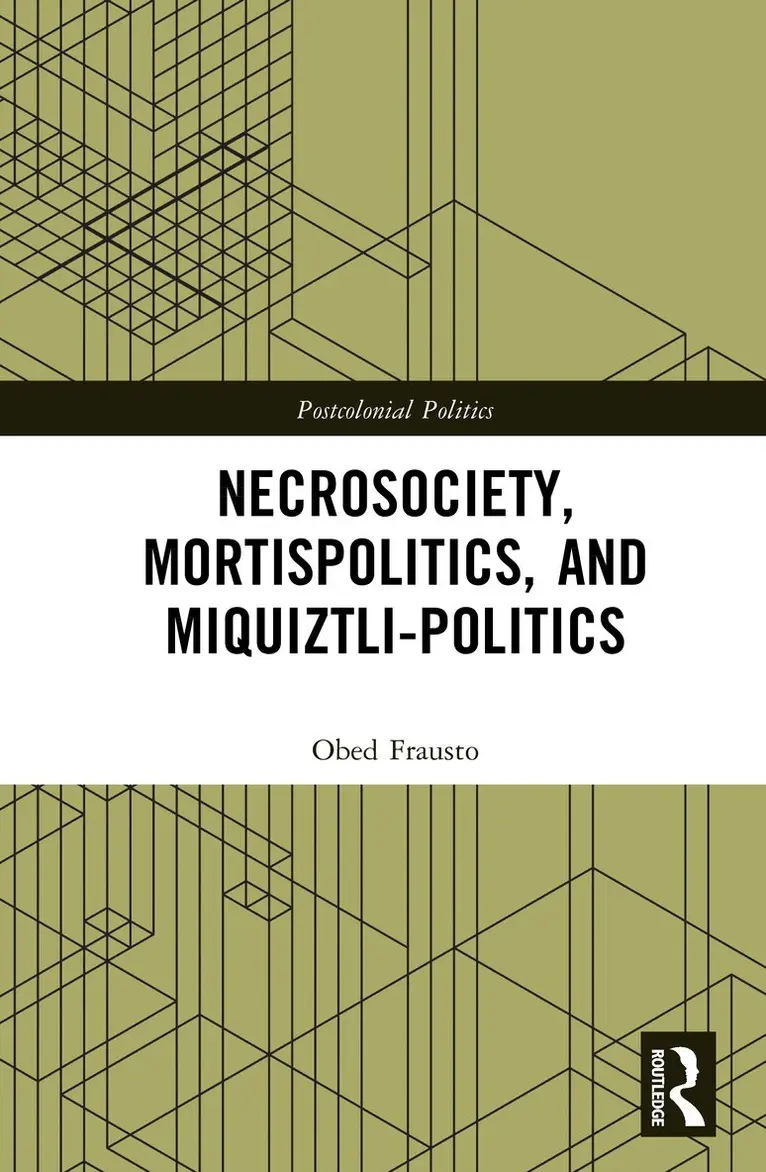
Necrosociety, Mortispolitics, and Miquiztli-politics challenges the underlying assumptions of necropolitics and biopolitics, exploring core concepts such as neoliberalism, neonationalism, and decoloniality, and proposing a new framework that expands our comprehension of these two domains.The book opens by discussing the existing conceptual debates around how we can best conceptualize the political interplay of life and death. It then moves on to explore necrosociety, mortispolitics, and Miquiztli-politics, three concepts put forward as alternative concepts in approaching the politics of life and death. The book posits that the concepts of biopolitics and necropolitics ought to be oriented within the theoretical framework of postcolonial, anticolonial, and decolonial theories. This framing clarifies the ongoing global structural differences between countries operating within a global and internal colonialism context, allowing the reader to see another side of biopolitical and necropolitical issues. "Necrosociety" attempts to articulate dimensions that biopolitics and necropolitics have not yet addressed, exploring a sociological dimension where death has extended to the point that it goes hand in hand with capitalism, producing and multiplying the social and natural-world deaths. Second, "mortispolitics" is created as an alternative category that acknowledges death. Mortispolitics builds upon the notion of death as seen in necropolitics, but instead of focusing on the state of exception, it examines the state of the law. The book uses the North–South distinction because this concept applies only to North America, specifically the United States and Mexico. It articulates a new notion of death, one based on Amerindian peoples’ ideas of sacrifice and cannibalism, arguing for a conception of death that extends beyond necropolitics.Analyzing the interplay between life and death through a political lens, Necrosociety, Mortispolitics, and Miquiztli-politics will be of great interest to students and scholars of political philosophy, political theory, postcolonialism, and Latin American Studies.
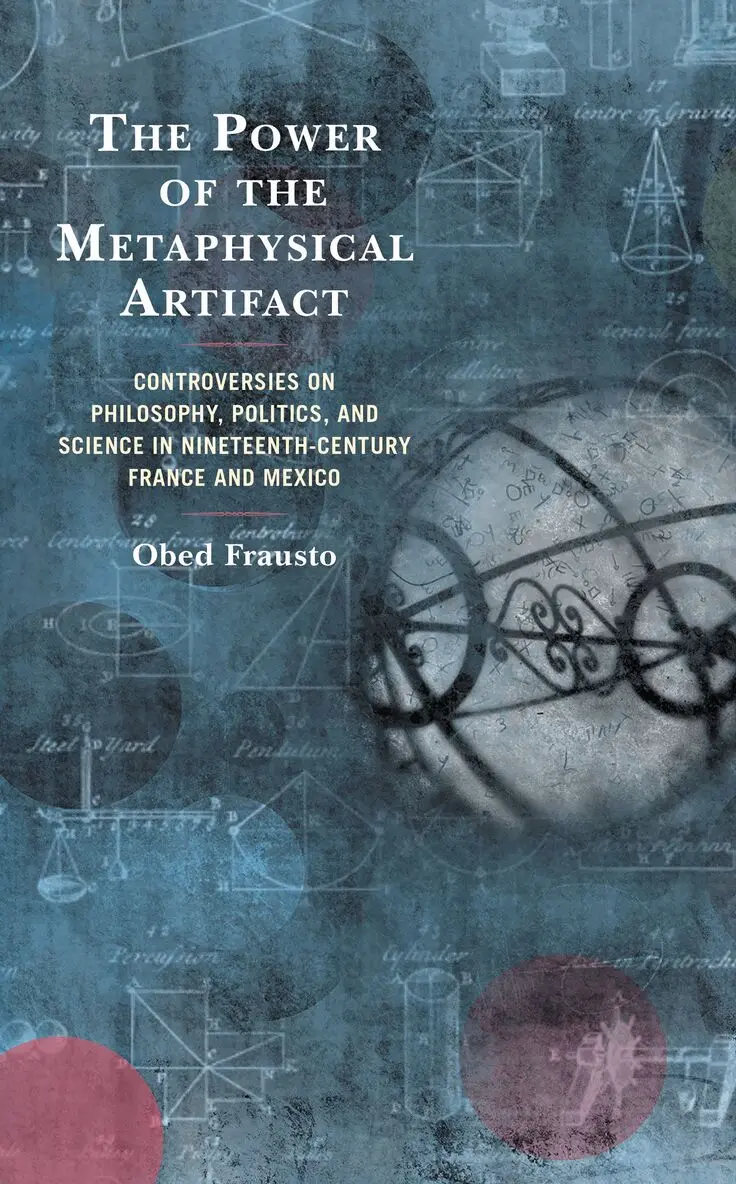
Power of the Metaphysical Artifact
Controversies on Philosophy, Politics, and Science in Nineteenth-Century France and Mexico
Inbunden, Engelska, 2023
1 142 kr
Skickas inom 10-15 vardagar
In the nineteenth century, French and Mexican intellectuals had a common interest in providing a groundwork for educating better citizens in response to social crises. There were political and philosophical controversies regarding science and technology in this environment between spiritualists (humanists) and positivists (scientists).. Power and knowledge were intertwined in these controversies. Another objective of the book is to show that controversies can be seen as a dispute between two cultures between those in favor of science and technology and those in favor of philosophy and the humanities. Their continuous arguments articulated a third culture based on an intertwining of power and knowledge. This articulation had an implicit dimension in which philosophy, science, and technology had to interact to enrich the political potential of the human experience of thinking. They were able to grasp a mix or a synthesis that conceptualized the power of a metaphysical artifact in which philosophy, science, and technology belong to the same culture, where politics helps invite dialogue between different cultural, religious, and political perspectives.
320 kr
Skickas inom 5-8 vardagar
1 381 kr
Skickas inom 10-15 vardagar
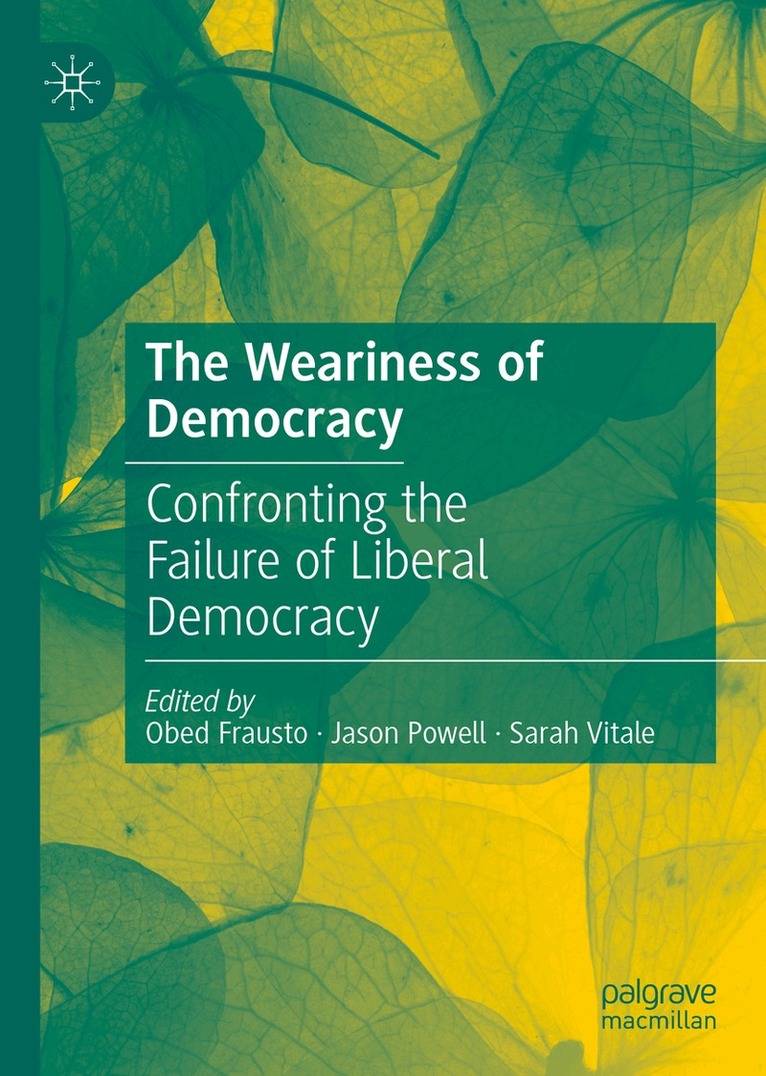
Liberal democracy today, having aligned itself with capitalism, is producing a generalized feeling of weariness and disillusionment with government among the citizenry of many countries. Because of a decades-long march of globalized capitalism, economic oligarchies have gained oppressive levels of political power, and as a result, the economic needs of many people around the world have been neglected. It then becomes essential to remember that our ability to change society emerges from our power to formulate different questions; or, in this case, alternative understandings of democracy. This book draws together a variety of alternative theories of democracies in a quest to expose readers to a selection of the most exciting and innovative new approaches to politics today. The consideration of these leading alternative conceptualizations of democracy is important, as it is now common to see xenophobic and racist rhetoric using the platform of liberal democracy to threaten ideasof plurality, diversity, equality, and economic justice. In looking at four different models of democracy (utopian democracy, radical democracy, republican democracy, and plural democracy) this book argues that encounters with alternate conceptualizations of democracy is necessary if citizens and scholars are going to understand the constellation of possibilities that exist for inclusive, plural, economically equal, and just societies.
1 381 kr
Skickas inom 10-15 vardagar
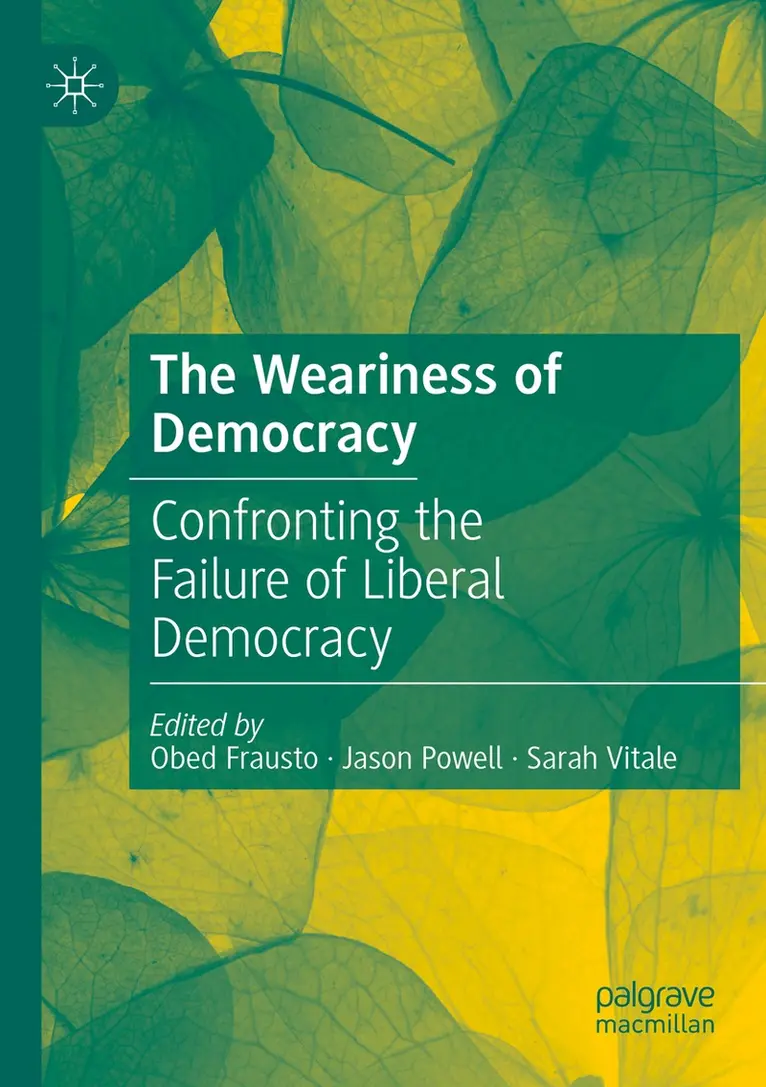
Liberal democracy today, having aligned itself with capitalism, is producing a generalized feeling of weariness and disillusionment with government among the citizenry of many countries. Because of a decades-long march of globalized capitalism, economic oligarchies have gained oppressive levels of political power, and as a result, the economic needs of many people around the world have been neglected. It then becomes essential to remember that our ability to change society emerges from our power to formulate different questions; or, in this case, alternative understandings of democracy. This book draws together a variety of alternative theories of democracies in a quest to expose readers to a selection of the most exciting and innovative new approaches to politics today. The consideration of these leading alternative conceptualizations of democracy is important, as it is now common to see xenophobic and racist rhetoric using the platform of liberal democracy to threaten ideasof plurality, diversity, equality, and economic justice. In looking at four different models of democracy (utopian democracy, radical democracy, republican democracy, and plural democracy) this book argues that encounters with alternate conceptualizations of democracy is necessary if citizens and scholars are going to understand the constellation of possibilities that exist for inclusive, plural, economically equal, and just societies.