Øystein Sjåstad – författare
Visar alla böcker från författaren Øystein Sjåstad. Handla med fri frakt och snabb leverans.
5 produkter
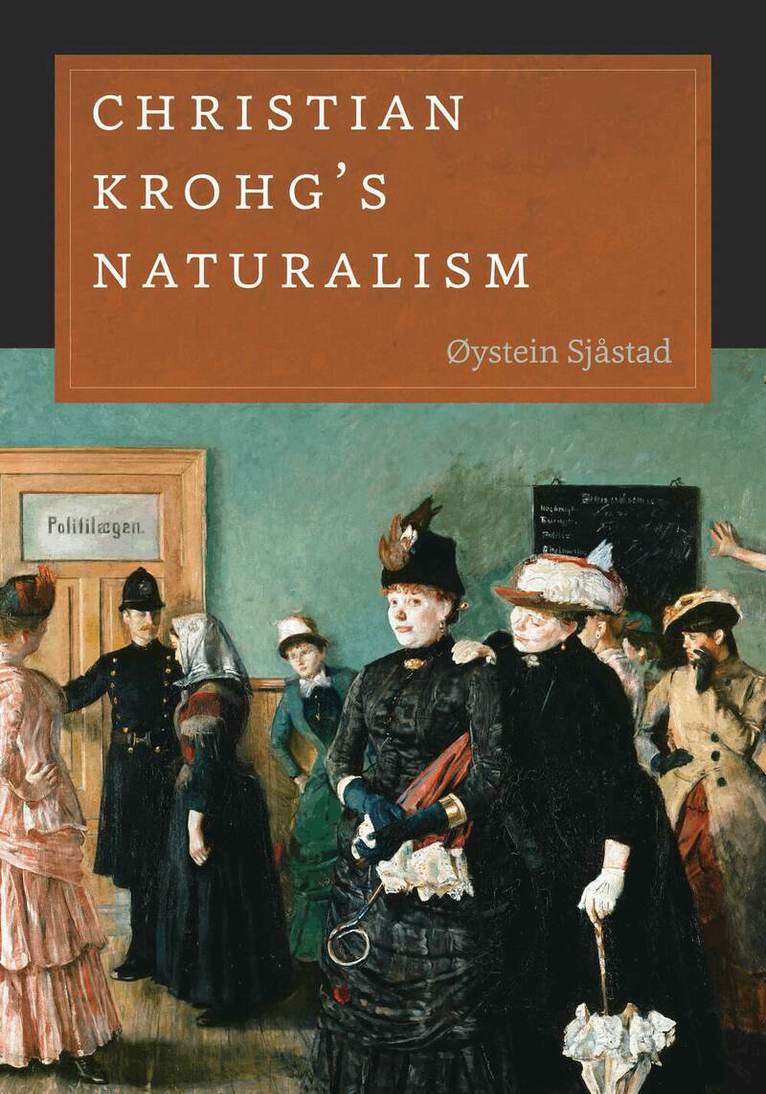
Christian Krohg's Naturalism
Inbunden, 2017
876 kr
Lägg i varukorg
The definitive English-language account of a singular Nordic artistThe Norwegian painter, novelist, and social critic Christian Krohg (1852–1925) is best known for creating highly political paintings of workers, prostitutes, and Skagen fishermen of the 1880s and for serving as a mentor to Edvard …
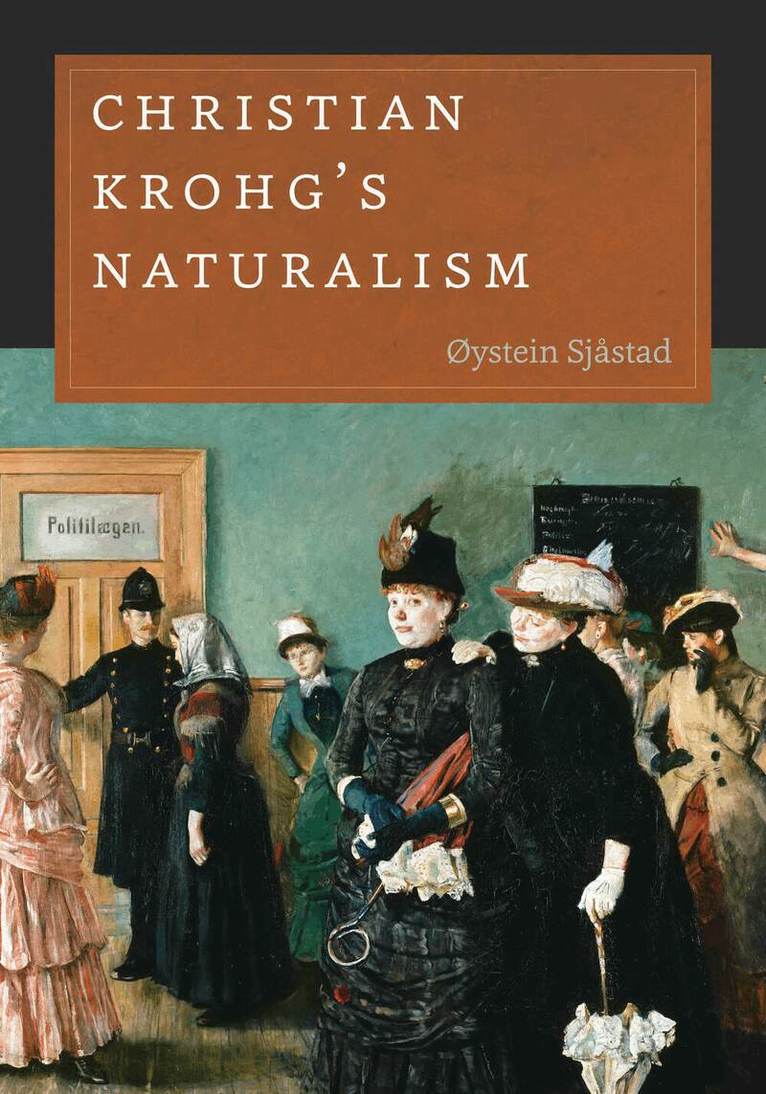
Christian Krohg's Naturalism
Häftad, 2021
627 kr
Lägg i varukorg
The definitive English-language account of a singular Nordic artistThe Norwegian painter, novelist, and social critic Christian Krohg (1852–1925) is best known for creating highly political paintings of workers, prostitutes, and Skagen fishermen of the 1880s and for serving as a mentor to Edvard …
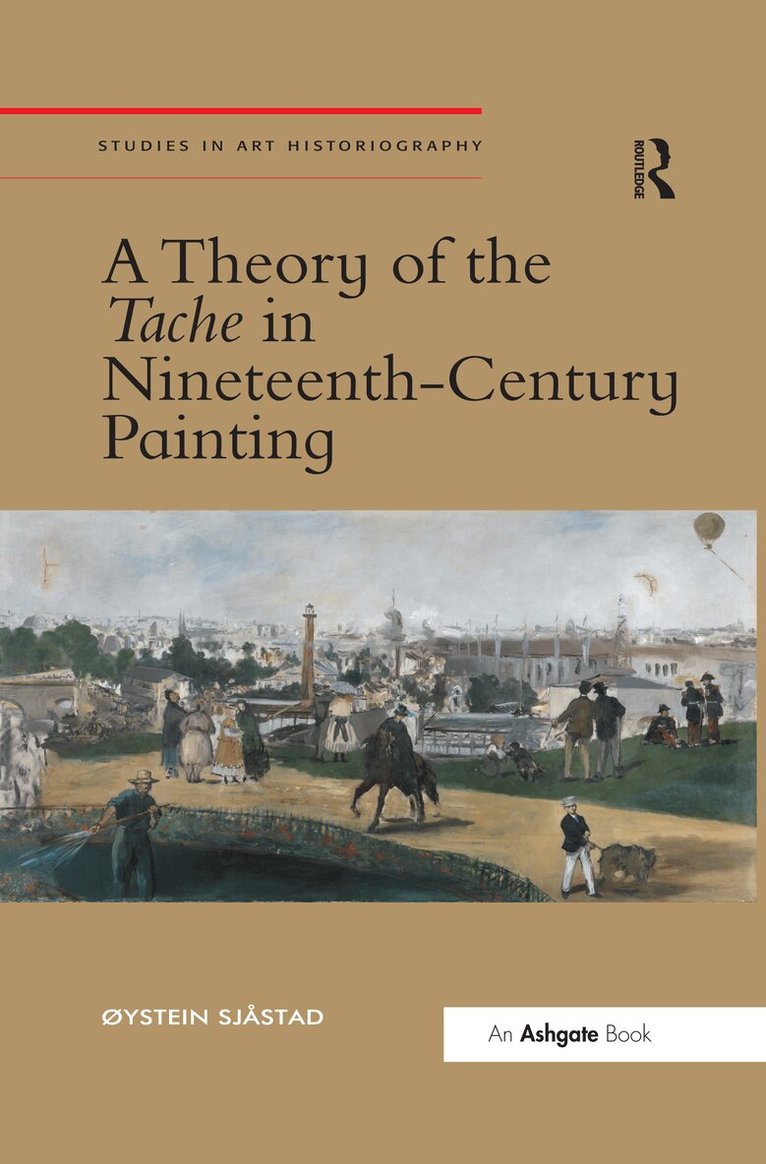
Theory of the Tache in Nineteenth-Century Painting
Häftad, 2019
725 kr
Lägg i varukorg
Without question, the tache (blot, patch, stain) is a central and recurring motif in nineteenth-century modernist painting. Manet's and the Impressionists’ rejection of academic finish produced a surface where the strokes of paint were presented directly, as patches or blots, then indirectly as …
Theory of the Tache in Nineteenth-Century Painting
Inbunden, 2014
2578 kr
Lägg i varukorg
Without question, the tache (blot, patch, stain) is a central and recurring motif in nineteenth-century modernist painting. Manet's and the Impressionists’ rejection of academic finish produced a surface where the strokes of paint were presented directly, as patches or blots, then indirectly as …
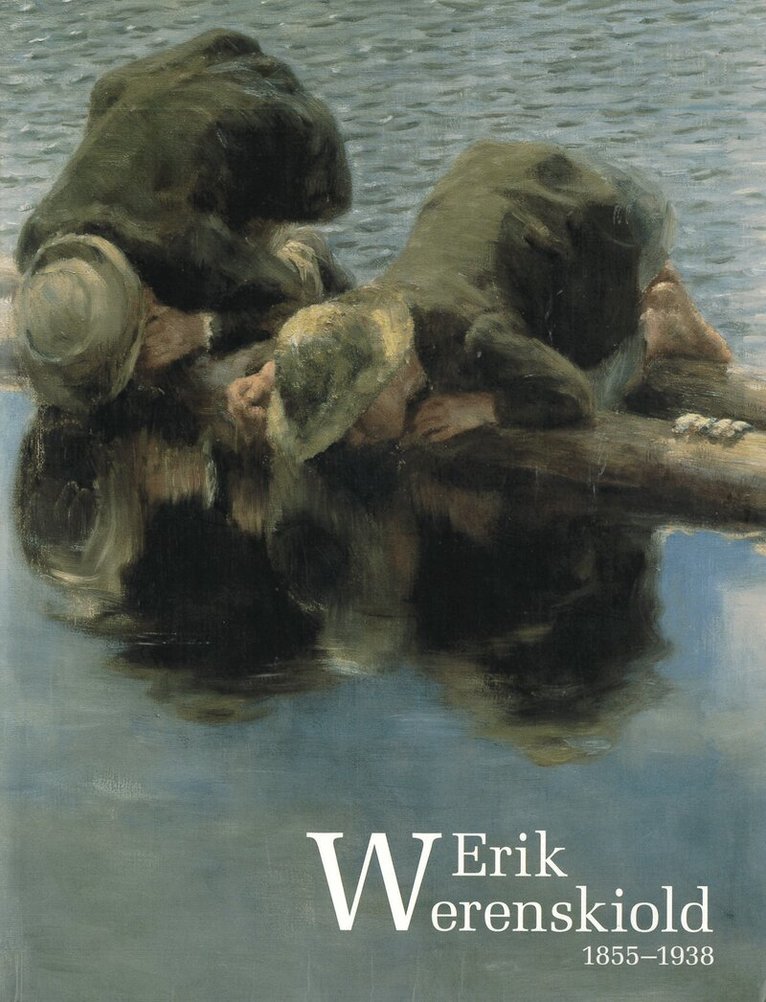
Erik Werenskiold
1855–1938
Av Nils Ohlsen, Øystein Ustvedt m. fl.
Häftad, 2011
192 kr
Tillfälligt slut
Erik Werenskiold is regarded as one of the "golden age" painters of Norwegian art. He was active as an artist for many decades and addressed the political, social and ideological upheavals of his time. The exhibition was designed to provide insight into Werenskiold's important contribution as an …