Ofer Gazit - Böcker
Visar alla böcker från författaren Ofer Gazit. Handla med fri frakt och snabb leverans.
3 produkter
3 produkter
901 kr
Skickas inom 7-10 vardagar
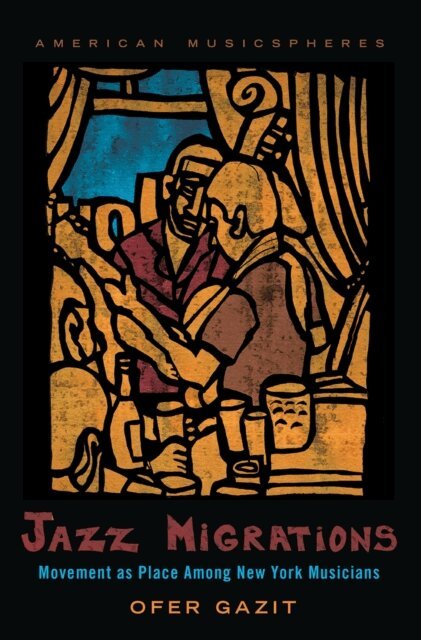
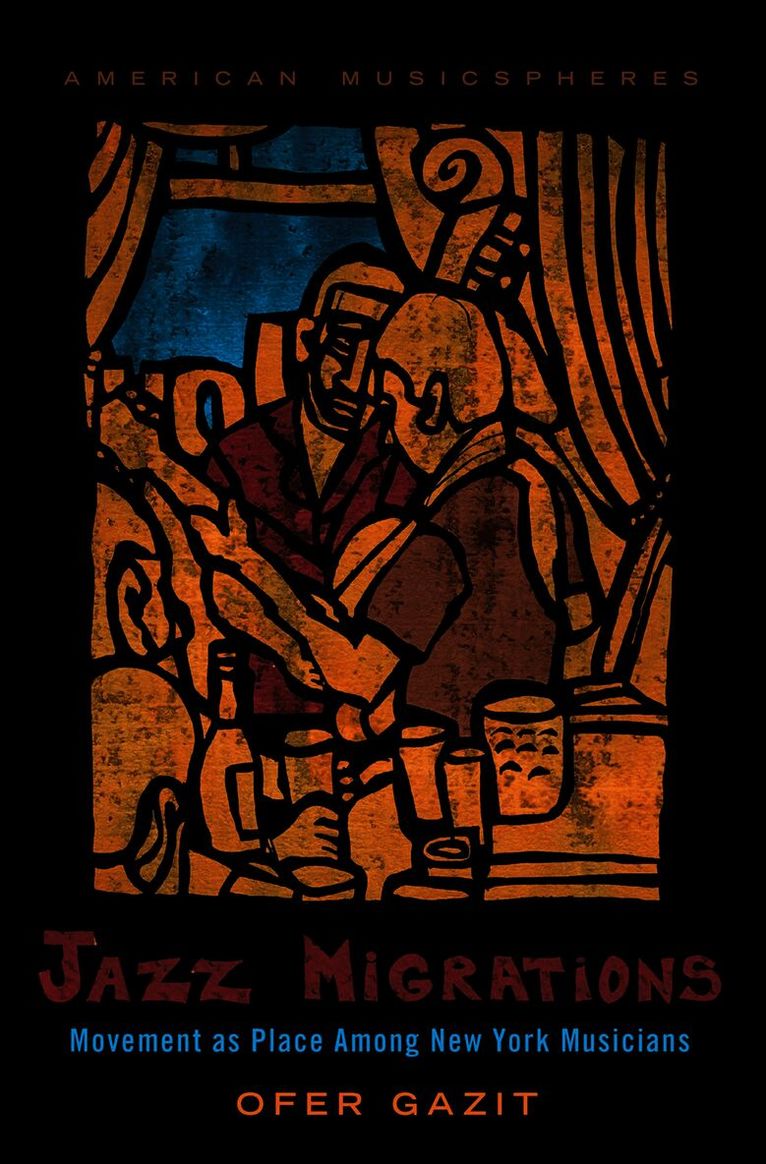
Since the 1990s, migrant musicians have become increasingly prominent in New York City's jazz scene. Challenging norms about who can be a jazz musician and what immigrant music should sound like, these musicians create mobile and diverse notions of jazz while inadvertently contributing to processes of gentrification and cultural institutionalization. In Jazz Migrations, author Ofer Gazit discusses the impact of contemporary transnational migration on New York jazz, examining its effects on educational institutions, club scenes, and jam sessions. Drawing on four years of musical participation in the scene, as well as interviews with musicians, audience members, venue owners, industry professionals, and institutional actors, Gazit transports readers from music schools in Japan, Israel, and India to rehearsals and private lessons in American jazz programs, and to New York's immigrant jazz hangouts: an immigrant-owned music school in the Bronx; a weekly jam session in a Haitian bar in central Brooklyn; a Colombian-owned jazz room in Jackson Heights, Queens; and a members-only club in Manhattan. Along the way, he introduces the improvisatory practices of a cast of well-known and aspiring musicians: a South Indian guitarist's visions of John Coltrane and Carnatic music; a Chilean saxophonist's intimate dialogue with the sound of Sonny Rollins; an Israeli clarinetist finding a home in Brazilian Choro and in Louis Armstrong's legacy; and a multiple Grammy-nominated Cuban drummer from the Bronx. Jazz Migrations concludes with a call for a collective reconsideration of the meaning of genre boundaries, senses of belonging, and ethnic identity in American music.
328 kr
Skickas inom 5-8 vardagar
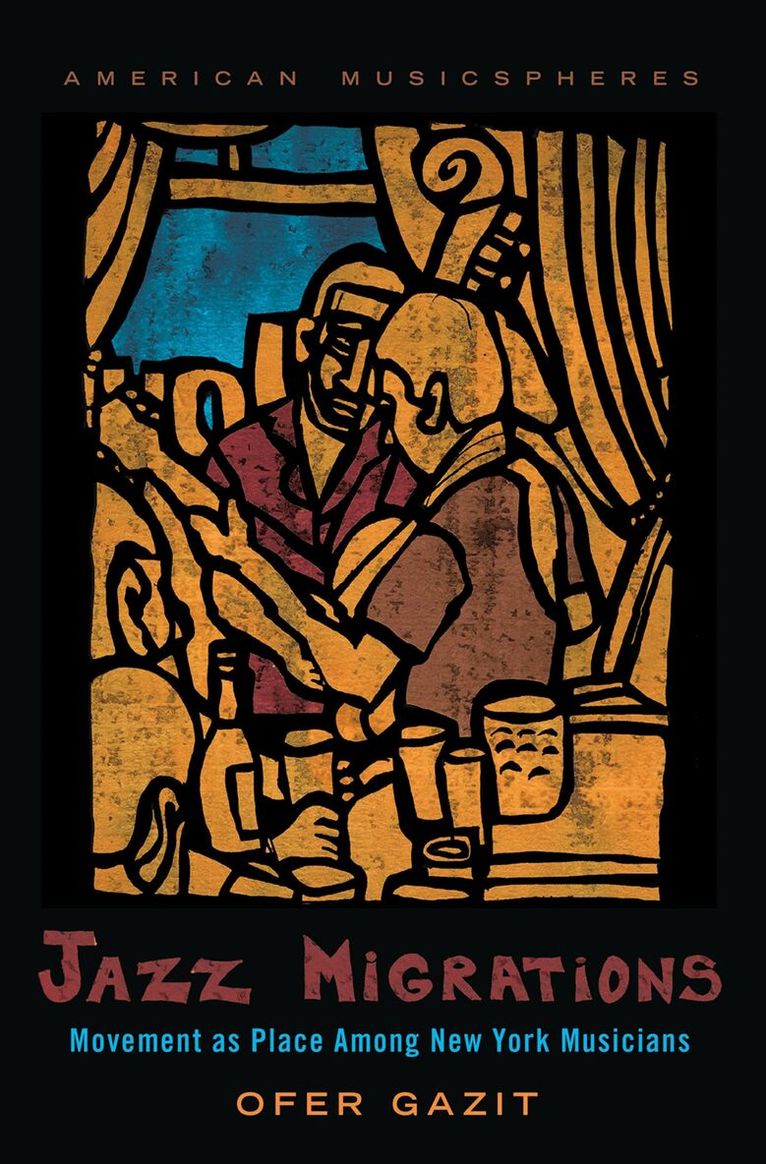
Since the 1990s, migrant musicians have become increasingly prominent in New York City's jazz scene. Challenging norms about who can be a jazz musician and what immigrant music should sound like, these musicians create mobile and diverse notions of jazz while inadvertently contributing to processes of gentrification and cultural institutionalization. In Jazz Migrations, author Ofer Gazit discusses the impact of contemporary transnational migration on New York jazz, examining its effects on educational institutions, club scenes, and jam sessions. Drawing on four years of musical participation in the scene, as well as interviews with musicians, audience members, venue owners, industry professionals, and institutional actors, Gazit transports readers from music schools in Japan, Israel, and India to rehearsals and private lessons in American jazz programs, and to New York's immigrant jazz hangouts: an immigrant-owned music school in the Bronx; a weekly jam session in a Haitian bar in central Brooklyn; a Colombian-owned jazz room in Jackson Heights, Queens; and a members-only club in Manhattan. Along the way, he introduces the improvisatory practices of a cast of well-known and aspiring musicians: a South Indian guitarist's visions of John Coltrane and Carnatic music; a Chilean saxophonist's intimate dialogue with the sound of Sonny Rollins; an Israeli clarinetist finding a home in Brazilian Choro and in Louis Armstrong's legacy; and a multiple Grammy-nominated Cuban drummer from the Bronx. Jazz Migrations concludes with a call for a collective reconsideration of the meaning of genre boundaries, senses of belonging, and ethnic identity in American music.
1 921 kr
Skickas inom 10-15 vardagar
Weaving together first-person narratives of art practice, analytical accounts, and ethnographic research by artists and scholars in art history, theater, new media, music, and anthropology, this volume offers an overview of the wide range of conditions, processes, and motivations for artmaking among asylum seekers in view of Israel’s continued legal obfuscation of the refugee status process.With attention to the theorization of artistic production as a form of active, effective citizenship, it decenters these discourses to account for illiberal political contexts, geopolitical border zones and new disciplinary orientations, considering artmaking in contexts of danger and incarceration. This carefully curated collection seeks to highlight the place of African asylum seekers in an increasingly illiberal, nationalist Israel, and the role of art as a resistant, affirming, and life-sustaining practice.A study of the social, political, and aesthetic considerations that asylum-seeking artists bring to their practice, Art Practice and Asylum in Israel will appeal to scholars across the social sciences with interests in migration and diaspora, art activism, and refugee studies.