Oisín Wall – författare
Visar alla böcker från författaren Oisín Wall. Handla med fri frakt och snabb leverans.
7 produkter
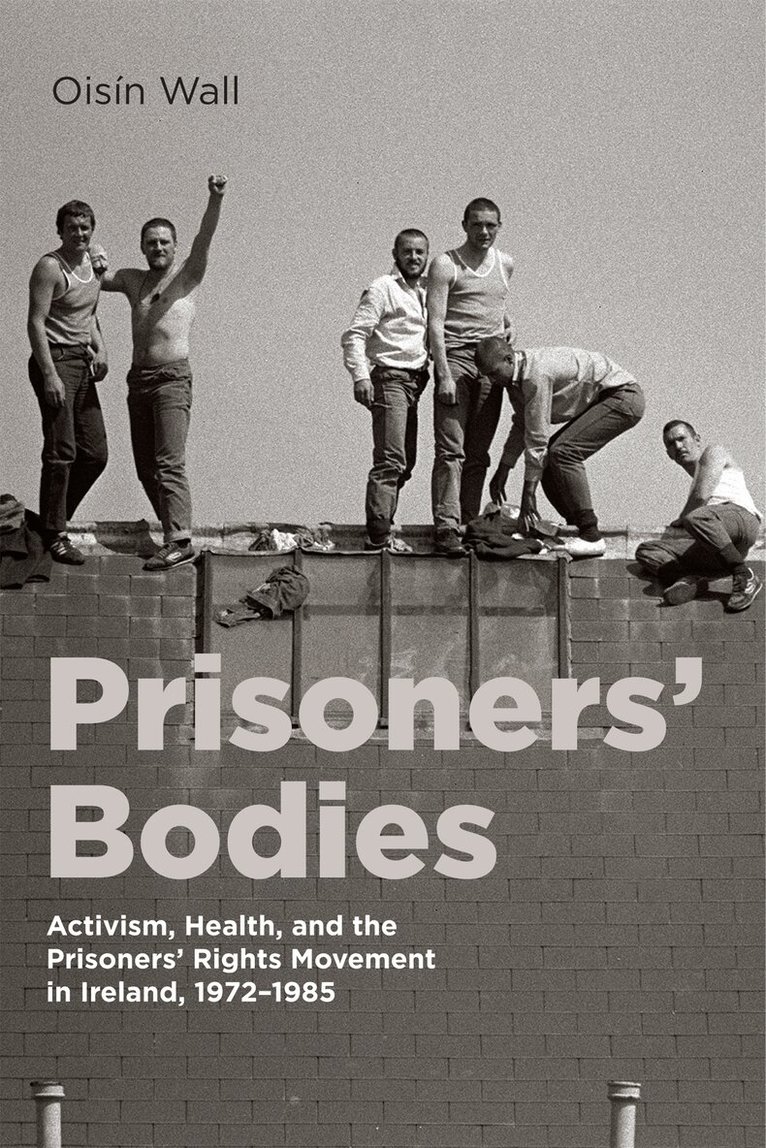
Prisoners’ Bodies
Activism, Health, and the Prisoners’ Rights Movement in Ireland, 1972–1985
Av Oisín Wall
Häftad, 2024
454 kr
Lägg i varukorg
In the early 1970s Irish prisons were overcrowded – there were few rehabilitation programs, medical care was limited, psychiatric care was practically nonexistent, and brutality was commonplace. The Irish prisoners unionized, igniting a movement that helped transform the penal system over the next …
Prisoners' Bodies
Activism, Health, and the Prisoners’ Rights Movement in Ireland, 1972–1985
Av Oisin Wall
E-bok, 2024
529 kr
Lägg i varukorg
In the early 1970s Irish prisons were overcrowded – there were few rehabilitation programs, medical care was limited, psychiatric care was practically nonexistent, and brutality was commonplace. The Irish prisoners unionized, igniting a movement that helped transform the penal system over the next …
Prisoners' Bodies
Activism, Health, and the Prisoners’ Rights Movement in Ireland, 1972–1985
Av Oisin Wall
E-bok, 2024
529 kr
Lägg i varukorg
In the early 1970s Irish prisons were overcrowded – there were few rehabilitation programs, medical care was limited, psychiatric care was practically nonexistent, and brutality was commonplace. The Irish prisoners unionized, igniting a movement that helped transform the penal system over the next …
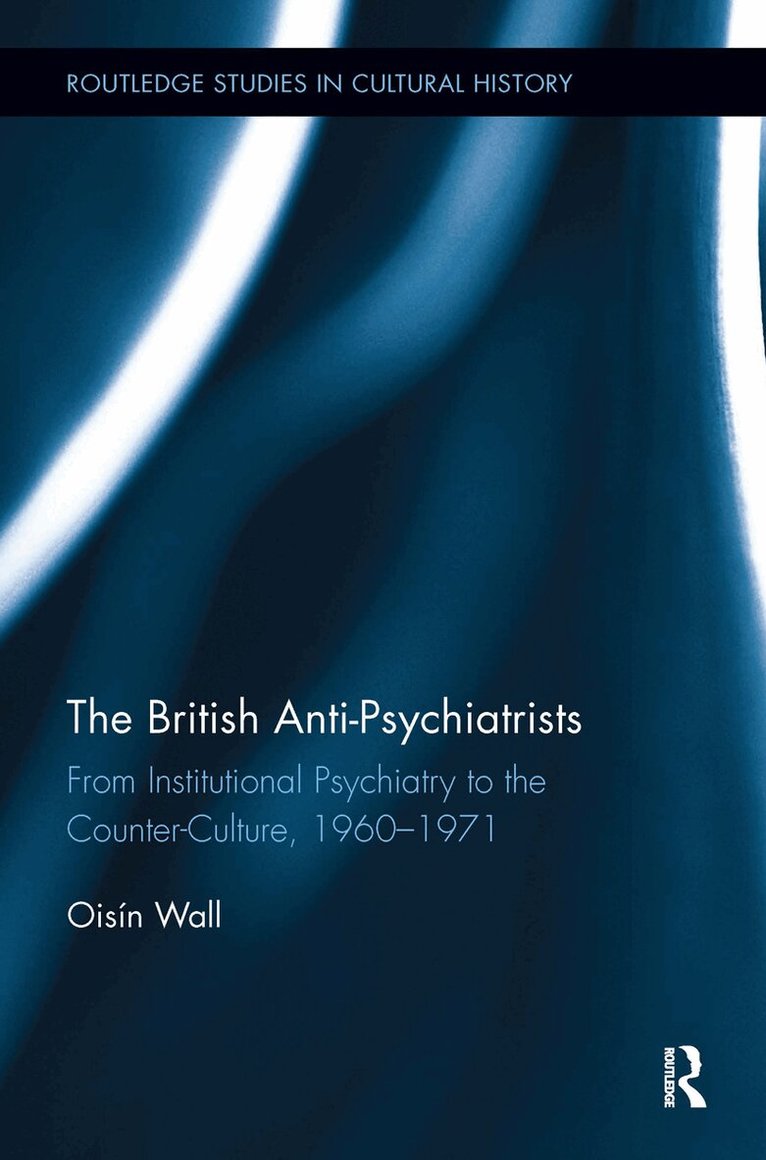
British Anti-Psychiatrists
From Institutional Psychiatry to the Counter-Culture, 1960-1971
Av Oisín Wall
Häftad, 2019
725 kr
Lägg i varukorg
The British anti-psychiatric group, which formed around R.D. Laing, David Cooper, and Aaron Esterson in the 1960s, burned bright, but briefly, and has left a long legacy. This book follows their practical, social, and theoretical trajectory away from the structured world of institutional psychiatry …
British Anti-Psychiatrists
From Institutional Psychiatry to the Counter-Culture, 1960-1971
Av Oisín Wall
Inbunden, 2017
2578 kr
Lägg i varukorg
The British anti-psychiatric group, which formed around R.D. Laing, David Cooper, and Aaron Esterson in the 1960s, burned bright, but briefly, and has left a long legacy. This book follows their practical, social, and theoretical trajectory away from the structured world of institutional psychiatry …
British Anti-Psychiatrists
From Institutional Psychiatry to the Counter-Culture, 1960-1971
Av Oisin Wall
E-bok, 2017
831 kr
Lägg i varukorg
The British anti-psychiatric group, which formed around R.D. Laing, David Cooper, and Aaron Esterson in the 1960s, burned bright, but briefly, and has left a long legacy. This book follows their practical, social, and theoretical trajectory away from the structured world of institutional psychiatry …
British Anti-Psychiatrists
From Institutional Psychiatry to the Counter-Culture, 1960-1971
Av Oisin Wall
E-bok, 2017
856 kr
Lägg i varukorg
The British anti-psychiatric group, which formed around R.D. Laing, David Cooper, and Aaron Esterson in the 1960s, burned bright, but briefly, and has left a long legacy. This book follows their practical, social, and theoretical trajectory away from the structured world of institutional psychiatry …