Olaf Peters – författare
Visar alla böcker från författaren Olaf Peters. Handla med fri frakt och snabb leverans.
11 produkter
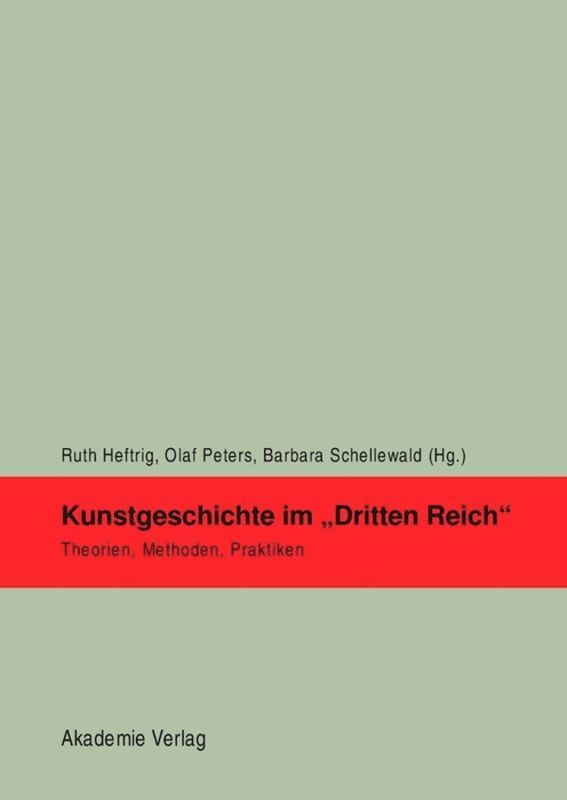
Kunstgeschichte im "Dritten Reich"
Theorien, Methoden, Praktiken
Av Barbara Schellewald, Ruth Heftrig m. fl.
E-bok, 2012
1095 kr
Lägg i varukorg
Der erste Band der Schriften zur modernen Kunsthistoriographie geht auf eine Tagung zurück, die im Herbst 2006 als Resümee und Erweiterung des genannten GKNS-Projekts in Bonn stattgefunden hat. Die in den Beiträgen dokumentierten Ergebnisse des Projekts sind differenziert und halten neues Material …
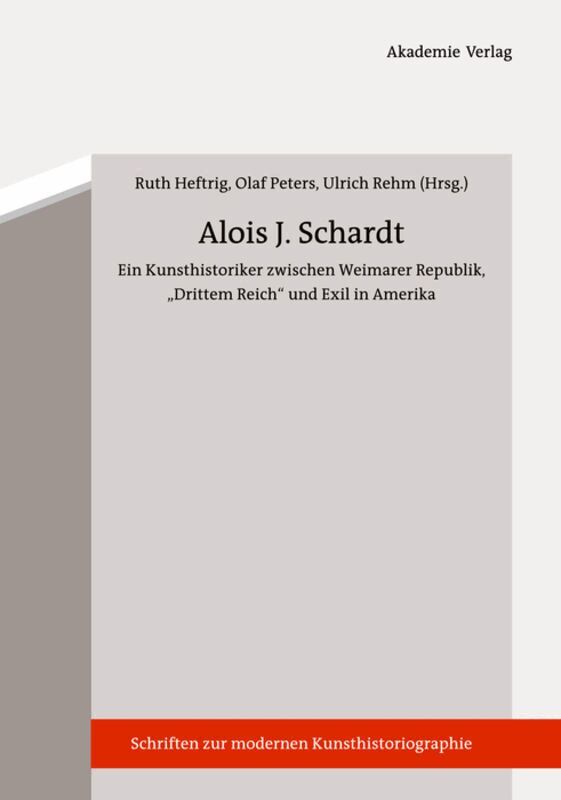
Alois J. Schardt
Ein Kunsthistoriker zwischen Weimarer Republik, "Drittem Reich" und Exil in Amerika
Av Ulrich Rehm, Olaf Peters m. fl.
E-bok, 2013
1190 kr
Lägg i varukorg
Das umfangreiche Typoskript "Wesensmerkmale der deutschen bildenden Kunst", das Alois J. Schardt (1889-1955) im Frühjahr 1933 mit der Absicht verfasste, Direktor der Nationalgalerie in Berlin zu werden, wird in der Forschungsliteratur häufig zitiert, konnte zuvor aber nur im Archiv eingesehen …
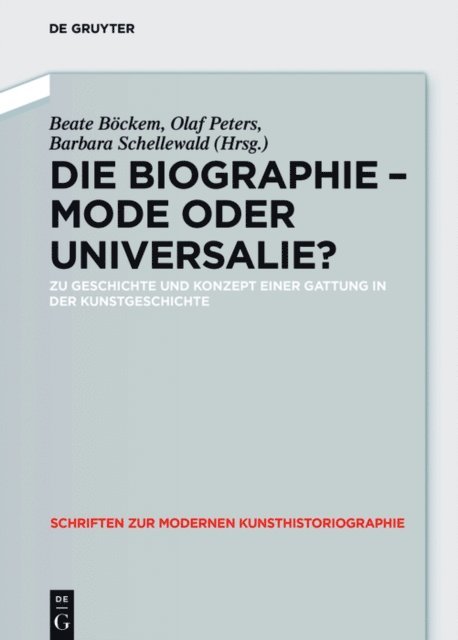
Die Biographie - Mode oder Universalie?
Zu Geschichte und Konzept einer Gattung in der Kunstgeschichte
Av Barbara Schellewald, Olaf Peters m. fl.
E-bok, 2015
948 kr
Lägg i varukorg
Im Bereich der Kunst haben Konzepte, bei denen ein Werk aus der Perspektive seines Schöpfers aufgefasst wird, seit langem Konjunktur. Sie spiegeln sich im hohen Stellenwert der Selbstaussagen von Künstlern wider und prägen die Arbeitsweisen der Kunstwissenschaft. Die Publikation reflektiert vor …
Die Biographie - Mode oder Universalie?
Zu Geschichte und Konzept einer Gattung in der Kunstgeschichte
Av Barbara Schellewald, Olaf Peters m. fl.
E-bok, 2015
948 kr
Lägg i varukorg
Im Bereich der Kunst haben Konzepte, bei denen ein Werk aus der Perspektive seines Schöpfers aufgefasst wird, seit langem Konjunktur. Sie spiegeln sich im hohen Stellenwert der Selbstaussagen von Künstlern wider und prägen die Arbeitsweisen der Kunstwissenschaft. Die Publikation reflektiert vor …
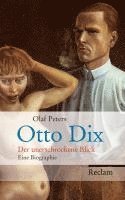
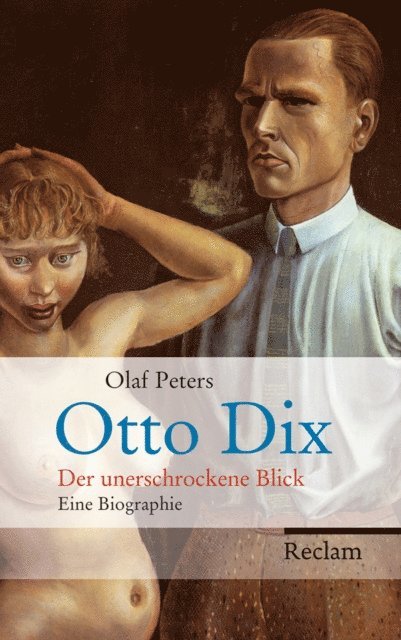
Otto Dix
Der unerschrockene Blick. Eine Biographie
Av Olaf Peters
E-bok, 2013
227 kr
Lägg i varukorg
Otto Dix (1891 – 1969) prägte wie kaum ein anderer Maler das Gesicht der Weimarer Republik. Seine Bilder der Neuen Sachlichkeit wirken wie Ikonen einer so schillernden wie bedrückenden Zeit. Im Nationalsozialismus als »entartet« geächtet, lebte er zurückgezogen am Bodensee und wandte sich …
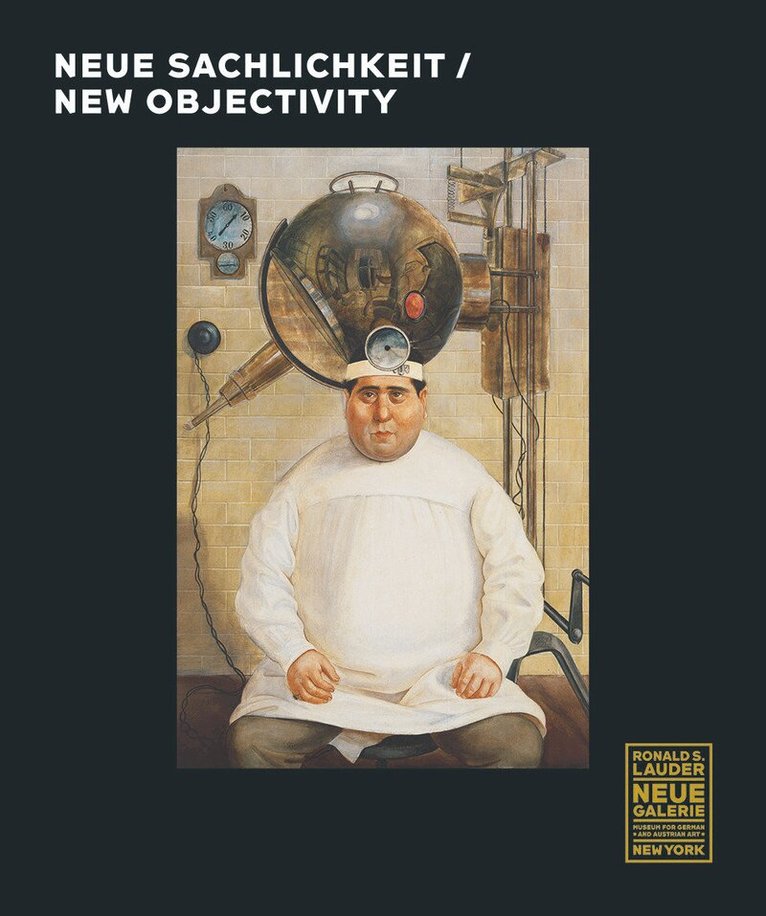
New Objectivity
Inbunden, 2025
608 kr
Lägg i varukorg
On the eve of its subject’s centennial, this richly illustrated and meticulously researched catalog celebrates—and reconsiders—one of the most significant artistic movements of the twentieth century.Gustav F. Hartlaub’s 1925 exhibition Neue Sachlichkeit (New Objectivity) for the Kunsthalle Mannheim …
Kunstgeschichte im "Dritten Reich"
Theorien, Methoden, Praktiken
Av Olaf Peters, Ruth Heftrig m. fl.
Inbunden, 2008
1188 kr
Tillfälligt slut
Der erste Band der Schriften zur modernen Kunsthistoriographie geht auf eine Tagung zurück, die im Herbst 2006 als Resümee und Erweiterung des genannten GKNS-Projekts in Bonn stattgefunden hat. Die in den Beiträgen dokumentierten Ergebnisse des Projekts sind differenziert und halten neues Material …
Alois J. Schardt
Ein Kunsthistoriker zwischen Weimarer Republik, "Drittem Reich" und Exil in Amerika
Av Ruth Heftrig, Olaf Peters m. fl.
Inbunden, 2013
1188 kr
Tillfälligt slut
Das umfangreiche Typoskript "Wesensmerkmale der deutschen bildenden Kunst", das Alois J. Schardt (1889-1955) im Frühjahr 1933 mit der Absicht verfasste, Direktor der Nationalgalerie in Berlin zu werden, wird in der Forschungsliteratur häufig zitiert, konnte zuvor aber nur im Archiv eingesehen …