Oleksa Drachewych – författare
Visar alla böcker från författaren Oleksa Drachewych. Handla med fri frakt och snabb leverans.
8 produkter
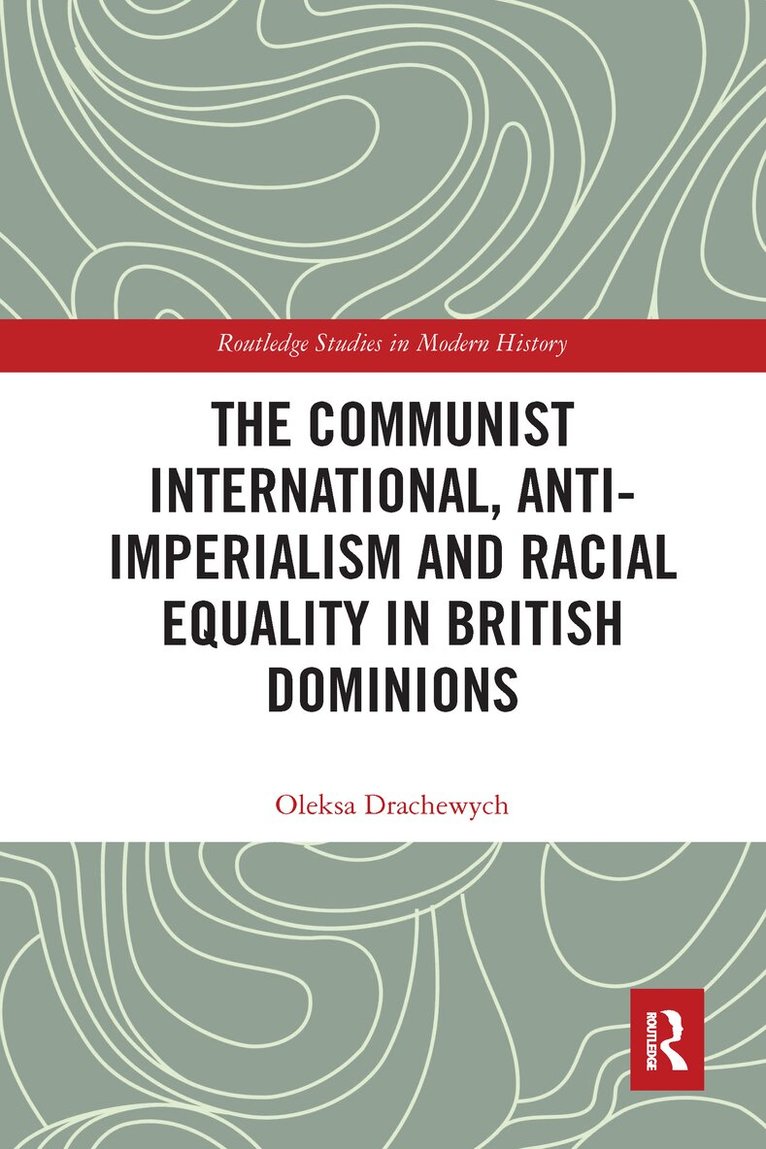
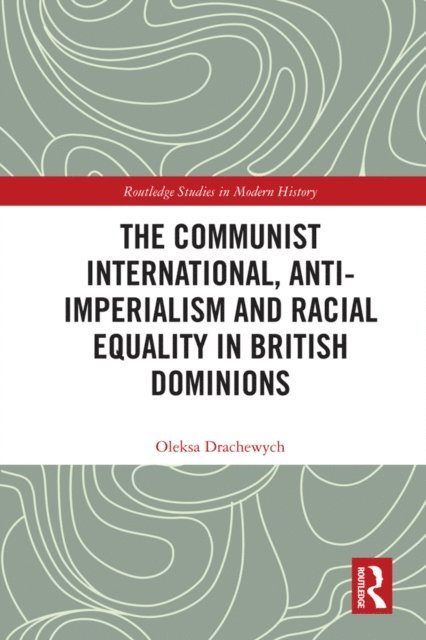
Communist International, Anti-Imperialism and Racial Equality in British Dominions
Häftad, 2020
725 kr
Lägg i varukorg
This book analyzes the stance of international communism towards nationality, anti-colonialism, and racial equality as defined by the Communist International (Comintern) during the interwar period. Central to the volume is a comparative analysis of the communist parties of three British dominions, …
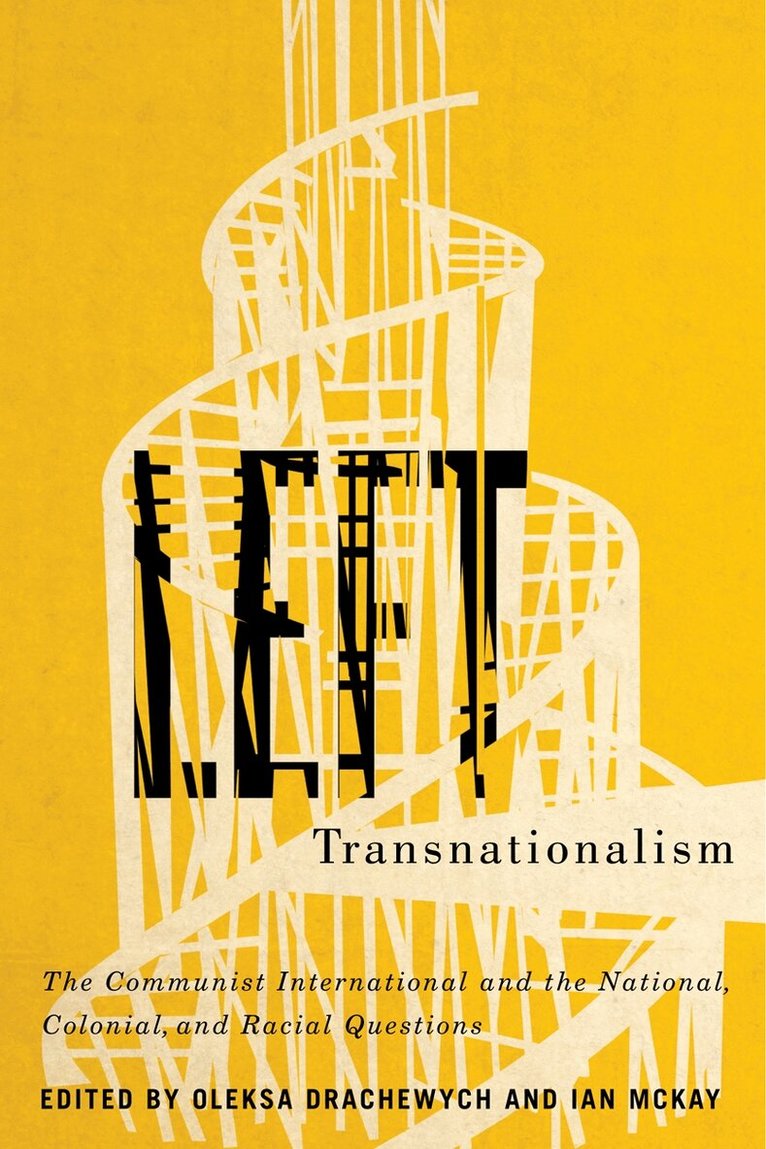
Left Transnationalism
The Communist International and the National, Colonial, and Racial Questions
Av Oleksa Drachewych, Ian McKay
Häftad, 2020
496 kr
Lägg i varukorg
In 1919, Bolshevik Russia and its followers formed the Communist International, also known as the Comintern, to oversee the global communist movement. From the very beginning, the Comintern committed itself to ending world imperialism, supporting colonial liberation, and promoting racial equality. …
Left Transnationalism
The Communist International and the National, Colonial, and Racial Questions
Av Ian McKay, Oleksa Drachewych
E-bok, 2020
426 kr
Lägg i varukorg
In 1919, Bolshevik Russia and its followers formed the Communist International, also known as the Comintern, to oversee the global communist movement. From the very beginning, the Comintern committed itself to ending world imperialism, supporting colonial liberation, and promoting racial equality. …
Left Transnationalism
The Communist International and the National, Colonial, and Racial Questions
Av Ian McKay, Oleksa Drachewych
E-bok, 2020
426 kr
Lägg i varukorg
In 1919, Bolshevik Russia and its followers formed the Communist International, also known as the Comintern, to oversee the global communist movement. From the very beginning, the Comintern committed itself to ending world imperialism, supporting colonial liberation, and promoting racial equality. …
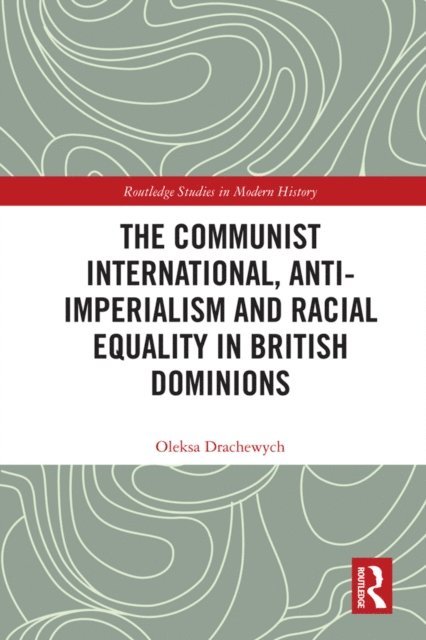
Communist International, Anti-Imperialism and Racial Equality in British Dominions
Inbunden, 2018
2578 kr
Lägg i varukorg
This book analyzes the stance of international communism towards nationality, anti-colonialism, and racial equality as defined by the Communist International (Comintern) during the interwar period. Central to the volume is a comparative analysis of the communist parties of three British dominions, …
Communist International, Anti-Imperialism and Racial Equality in British Dominions
E-bok, 2018
831 kr
Lägg i varukorg
This book analyzes the stance of international communism towards nationality, anti-colonialism, and racial equality as defined by the Communist International (Comintern) during the interwar period. Central to the volume is a comparative analysis of the communist parties of three British dominions, …
Communist International, Anti-Imperialism and Racial Equality in British Dominions
E-bok, 2018
831 kr
Lägg i varukorg
This book analyzes the stance of international communism towards nationality, anti-colonialism, and racial equality as defined by the Communist International (Comintern) during the interwar period. Central to the volume is a comparative analysis of the communist parties of three British dominions, …
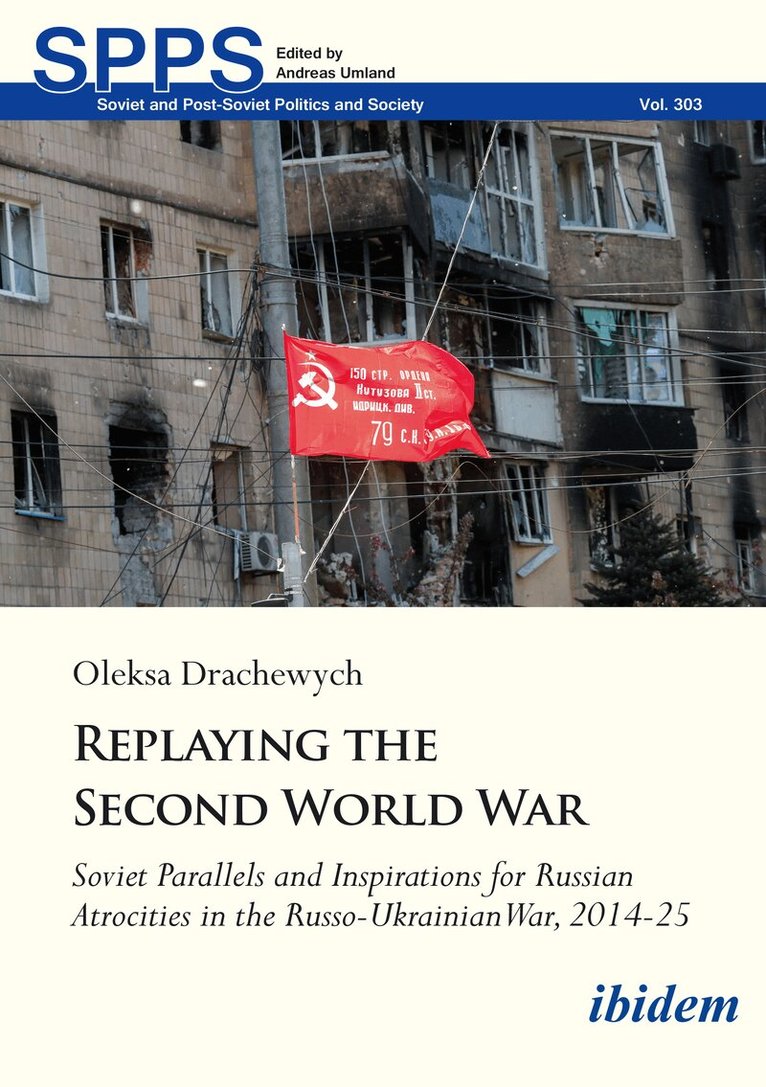
Replaying the Second World War
Soviet Parallels and Inspirations for Russian Atrocities in the Russo-Ukrainian War, 2014–25
Häftad, 2026
376 kr
Lägg i varukorg
Oleksa Drachewych argues that Russia’s instrumentalization of its memory of WWII has played a significant role in leading Russian forces to commit similar atrocities in its war against Ukraine. This connection between Soviet actions during and after the Second World War and Russian actions in its …