Oleksandr Sverdlov – författare
759 kr
Skickas inom 10-15 vardagar
3 043 kr
Skickas inom 10-15 vardagar
901 kr
Läs direkt efter köp
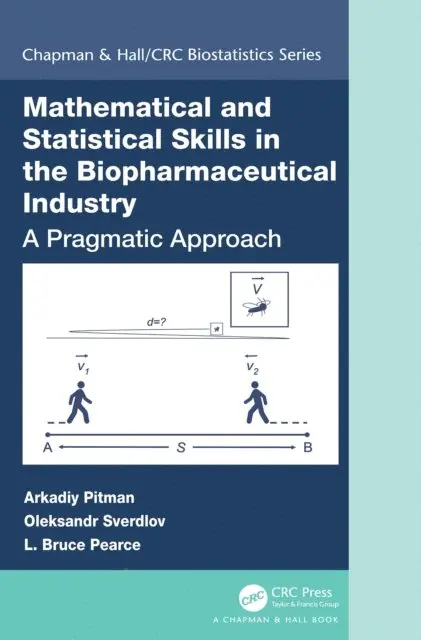
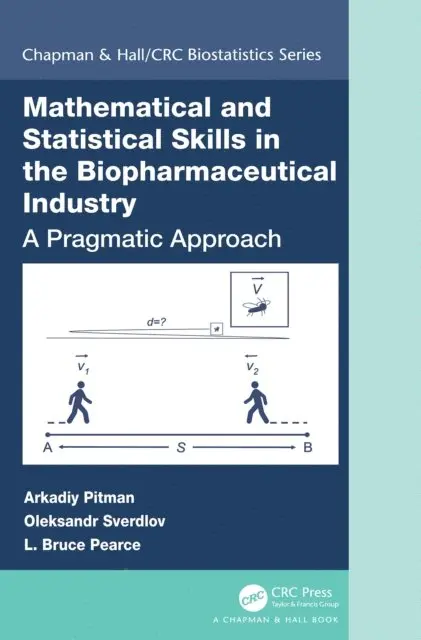
Mathematical and Statistical Skills in the Biopharmaceutical Industry: A Pragmatic Approach describes a philosophy of efficient problem solving showcased using examples pertinent to the biostatistics function in clinical drug development. It was written to share a quintessence of the authors’ experiences acquired during many years of relevant work in the biopharmaceutical industry. The book will be useful will be useful for biopharmaceutical industry statisticians at different seniority levels and for graduate students who consider a biostatistics-related career in this industry.
Features:
Describes a system of principles for pragmatic problem solving in clinical drug development. Discusses differences in the work of a biostatistician in small pharma and big pharma. Explains the importance/relevance of statistical programming and data management for biostatistics and necessity for integration on various levels. Describes some useful statistical background that can be capitalized upon in the drug development enterprise. Explains some hot topics and current trends in biostatistics in simple, non-technical terms. Discusses incompleteness of any system of standard operating procedures, rules and regulations. Provides a classification of scoring systems and proposes a novel approach for evaluation of the safety outcome for a completed randomized clinical trial. Presents applications of the problem solving philosophy in a highly problematic transfusion field where many investigational compounds have failed. Discusses realistic planning of open-ended projects.
3 290 kr
Läs direkt efter köp
One of the hallmarks of the 21st century medicine is the emergence of digital therapeutics (DTx)—evidence-based, clinically validated digital technologies to prevent, diagnose, treat, and manage various diseases and medical conditions. DTx solutions have been gaining interest from patients, investors, healthcare providers, health authorities, and other stakeholders because of the potential of DTx to deliver equitable, massively scalable, personalized and transformative treatments for different unmet medical needs.
Digital Therapeutics: Scientific, Statistical, Clinical, and Regulatory Aspects is an unparalleled summary of the current scientific, statistical, developmental, and regulatory aspects of DTx which is poised to become the fastest growing area of the biopharmaceutical and digital medicine product development. This edited volume intends to provide a systematic exposition to digital therapeutics through 19 peer-reviewed chapters written by subject matter experts in this emerging field.
This edited volume is an invaluable resource for business leaders and researchers working in public health, healthcare, digital health, information technology, and biopharmaceutical industries. It will be also useful for regulatory scientists involved in the review of DTx products, and for faculty and students involved in an interdisciplinary research on digital health and digital medicine.
Key Features:
Provides the taxonomy of the concepts and a navigation tool for the field of DTx.
Covers important strategic aspects of the DTx industry, thereby helping investors, developers, and regulators gain a better appreciation of the potential value of DTx.
Expounds on many existing and emerging state-of-the art scientific and technological tools, as well as data privacy, ethical and regulatory considerations for DTx product development.
Presents several case studies of successful development of some of the most remarkable DTx products.
Provides some perspectives and forward-looking statements on the future of digital medicine.
3 290 kr
Läs direkt efter köp
One of the hallmarks of the 21st century medicine is the emergence of digital therapeutics (DTx)—evidence-based, clinically validated digital technologies to prevent, diagnose, treat, and manage various diseases and medical conditions. DTx solutions have been gaining interest from patients, investors, healthcare providers, health authorities, and other stakeholders because of the potential of DTx to deliver equitable, massively scalable, personalized and transformative treatments for different unmet medical needs.
Digital Therapeutics: Scientific, Statistical, Clinical, and Regulatory Aspects is an unparalleled summary of the current scientific, statistical, developmental, and regulatory aspects of DTx which is poised to become the fastest growing area of the biopharmaceutical and digital medicine product development. This edited volume intends to provide a systematic exposition to digital therapeutics through 19 peer-reviewed chapters written by subject matter experts in this emerging field.
This edited volume is an invaluable resource for business leaders and researchers working in public health, healthcare, digital health, information technology, and biopharmaceutical industries. It will be also useful for regulatory scientists involved in the review of DTx products, and for faculty and students involved in an interdisciplinary research on digital health and digital medicine.
Key Features:
Provides the taxonomy of the concepts and a navigation tool for the field of DTx.
Covers important strategic aspects of the DTx industry, thereby helping investors, developers, and regulators gain a better appreciation of the potential value of DTx.
Expounds on many existing and emerging state-of-the art scientific and technological tools, as well as data privacy, ethical and regulatory considerations for DTx product development.
Presents several case studies of successful development of some of the most remarkable DTx products.
Provides some perspectives and forward-looking statements on the future of digital medicine.
3 151 kr
Läs direkt efter köp
One of the recent advances in 21st century medicine is the emergence of gene therapies, drugs that affect the basic biology of genetic disease. The field has seen some notable setbacks in the past, but in recent years has exploded as decades of basic science have been successfully translated into the most complex biologics ever constructed, leading to regulatory approval of several gene therapy products in oncology, hematology, neurology, and ophthalmology indications. These drugs are at the apex of biological manufacturing complexity, and have the potential to be disease modifying or even curative. Evidence-based and innovative quantitative clinical development and lifecycle management strategies will be required as fixtures in the development for these unique drugs in order to reach patients in need.
Development of Gene Therapies: Strategic, Scientific, and Regulatory Considerations is an unparalleled summary of the current scientific, statistical, developmental, and regulatory aspects of gene therapies, which is fast becoming a core area of the biopharmaceutical industry. This edited volume provides a systematic description of core development topics in gene therapies through 19 peer-reviewed chapters written by subject matter experts in the field.
This edited volume is an invaluable resource for business leaders and investors hoping to understand the scientific principles and strategy of a company they may potentially invest in; the family members of someone affected by a genetic disease who wish to understand better how these therapies work and what they might expect as a treatment for a loved one; academic professionals, who want to learn and teach incoming medical, public health, or business students; and seasoned drug developers, who wish to learn more about the about the cutting edge of biopharmaceutical drug development.
Key Features:
Provides a thorough background on the scientific, manufacturing, and translational concepts and competencies for gene therapies. Covers important strategic aspects of the gene therapy industry, thereby helping investors, drug developers, and regulators gain a better appreciation of the potential value of gene therapies. Expounds on many existing and emerging state-of-the art scientific and technological advances, as well as ethical, pharmacovigilance, and regulatory considerations for gene therapy product development. Presents several case studies of successful development of gene therapies, including two of the most remarkable FDA-approved gene therapy products: Zolgensma and Luxturna. Provides perspectives and forward-looking statements on the future of gene therapies in neurological, in utero, and ultra-rare indications.3 151 kr
Läs direkt efter köp
One of the recent advances in 21st century medicine is the emergence of gene therapies, drugs that affect the basic biology of genetic disease. The field has seen some notable setbacks in the past, but in recent years has exploded as decades of basic science have been successfully translated into the most complex biologics ever constructed, leading to regulatory approval of several gene therapy products in oncology, hematology, neurology, and ophthalmology indications. These drugs are at the apex of biological manufacturing complexity, and have the potential to be disease modifying or even curative. Evidence-based and innovative quantitative clinical development and lifecycle management strategies will be required as fixtures in the development for these unique drugs in order to reach patients in need.
Development of Gene Therapies: Strategic, Scientific, and Regulatory Considerations is an unparalleled summary of the current scientific, statistical, developmental, and regulatory aspects of gene therapies, which is fast becoming a core area of the biopharmaceutical industry. This edited volume provides a systematic description of core development topics in gene therapies through 19 peer-reviewed chapters written by subject matter experts in the field.
This edited volume is an invaluable resource for business leaders and investors hoping to understand the scientific principles and strategy of a company they may potentially invest in; the family members of someone affected by a genetic disease who wish to understand better how these therapies work and what they might expect as a treatment for a loved one; academic professionals, who want to learn and teach incoming medical, public health, or business students; and seasoned drug developers, who wish to learn more about the about the cutting edge of biopharmaceutical drug development.
Key Features:
Provides a thorough background on the scientific, manufacturing, and translational concepts and competencies for gene therapies. Covers important strategic aspects of the gene therapy industry, thereby helping investors, drug developers, and regulators gain a better appreciation of the potential value of gene therapies. Expounds on many existing and emerging state-of-the art scientific and technological advances, as well as ethical, pharmacovigilance, and regulatory considerations for gene therapy product development. Presents several case studies of successful development of gene therapies, including two of the most remarkable FDA-approved gene therapy products: Zolgensma and Luxturna. Provides perspectives and forward-looking statements on the future of gene therapies in neurological, in utero, and ultra-rare indications.2 725 kr
Skickas inom 10-15 vardagar
2 943 kr
Läs direkt efter köp
2 465 kr
Skickas inom 10-15 vardagar
2 943 kr
Läs direkt efter köp
1 814 kr
Skickas inom 10-15 vardagar
901 kr
Läs direkt efter köp
Mathematical and Statistical Skills in the Biopharmaceutical Industry: A Pragmatic Approach describes a philosophy of efficient problem solving showcased using examples pertinent to the biostatistics function in clinical drug development. It was written to share a quintessence of the authors’ experiences acquired during many years of relevant work in the biopharmaceutical industry. The book will be useful will be useful for biopharmaceutical industry statisticians at different seniority levels and for graduate students who consider a biostatistics-related career in this industry.
Features:
Describes a system of principles for pragmatic problem solving in clinical drug development. Discusses differences in the work of a biostatistician in small pharma and big pharma. Explains the importance/relevance of statistical programming and data management for biostatistics and necessity for integration on various levels. Describes some useful statistical background that can be capitalized upon in the drug development enterprise. Explains some hot topics and current trends in biostatistics in simple, non-technical terms. Discusses incompleteness of any system of standard operating procedures, rules and regulations. Provides a classification of scoring systems and proposes a novel approach for evaluation of the safety outcome for a completed randomized clinical trial. Presents applications of the problem solving philosophy in a highly problematic transfusion field where many investigational compounds have failed. Discusses realistic planning of open-ended projects.