Olena Stabnikova – författare
Visar alla böcker från författaren Olena Stabnikova. Handla med fri frakt och snabb leverans.
10 produkter
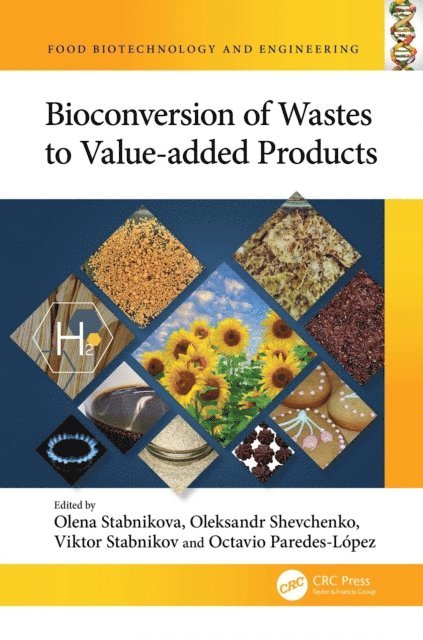
Bioconversion of Wastes to Value-added Products
Av Octavio Paredes-Lopez, Viktor Stabnikov m. fl.
E-bok, 2023
1316 kr
Lägg i varukorg
Bioconversion of agricultural and industrial wastes into useful products plays an important role both in the economy and in the prevention of environmental pollution. This book presents technological approaches to the biotransformation of different wastes into valuable products and demonstrates …
Bioconversion of Wastes to Value-added Products
Av Octavio Paredes-Lopez, Viktor Stabnikov m. fl.
E-bok, 2023
1316 kr
Lägg i varukorg
Bioconversion of agricultural and industrial wastes into useful products plays an important role both in the economy and in the prevention of environmental pollution. This book presents technological approaches to the biotransformation of different wastes into valuable products and demonstrates …
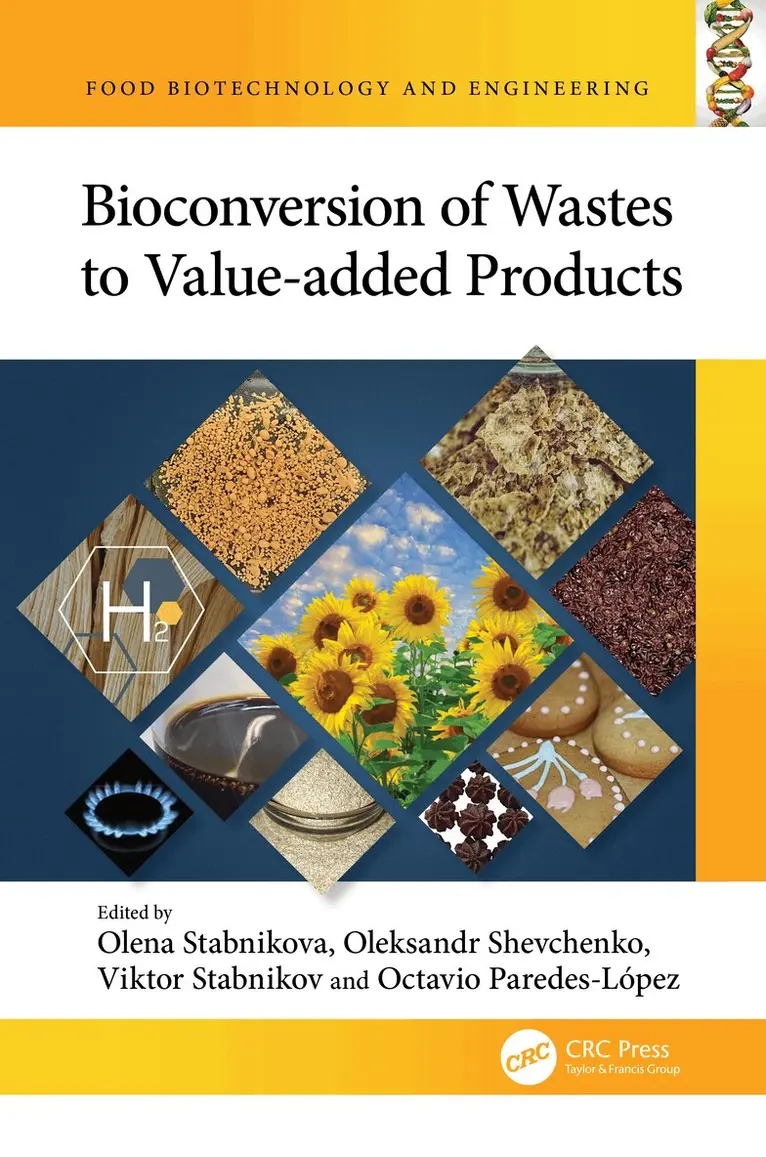
Bioconversion of Wastes to Value-added Products
Av Olena Stabnikova, Oleksandr Shevchenko m. fl.
Inbunden, 2023
3063 kr
Lägg i varukorg
Bioconversion of agricultural and industrial wastes into useful products plays an important role both in the economy and in the prevention of environmental pollution. This book presents technological approaches to the biotransformation of different wastes into valuable products and demonstrates …
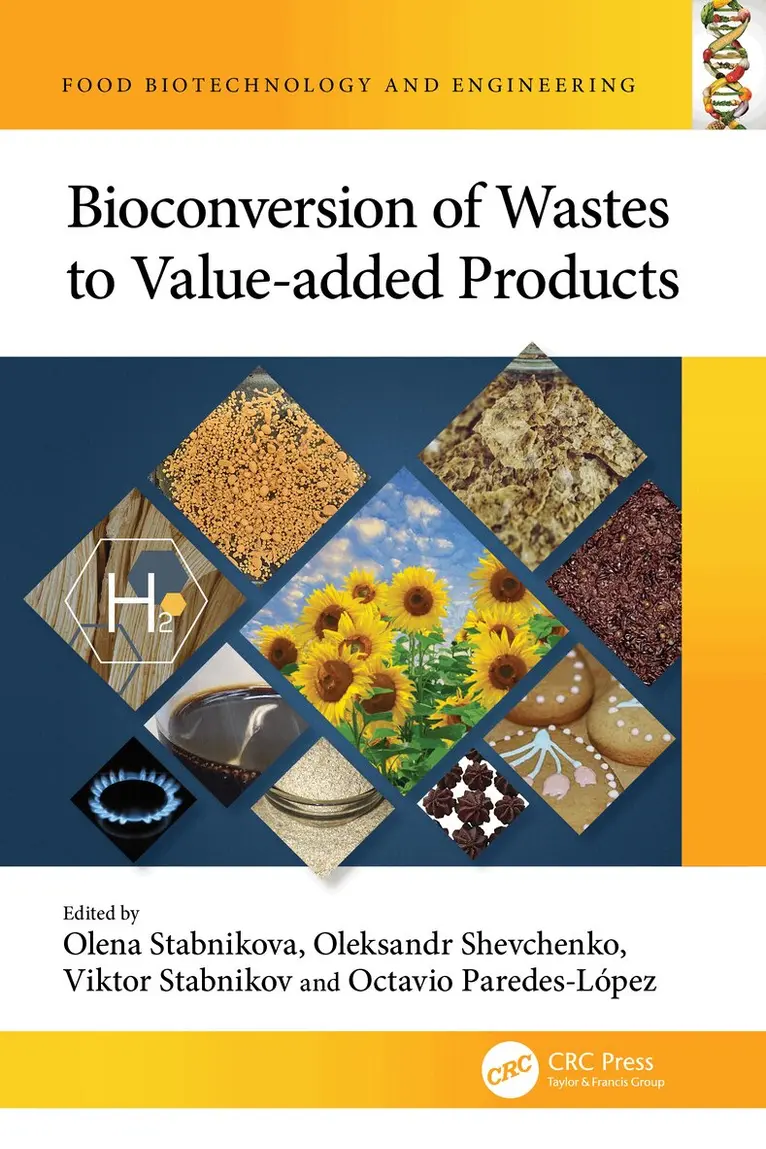
Bioconversion of Wastes to Value-added Products
Av Olena Stabnikova, Oleksandr Shevchenko m. fl.
Häftad, 2025
1113 kr
Lägg i varukorg
Bioconversion of agricultural and industrial wastes into useful products plays an important role both in the economy and in the prevention of environmental pollution. This book presents technological approaches to the biotransformation of different wastes into valuable products and demonstrates …
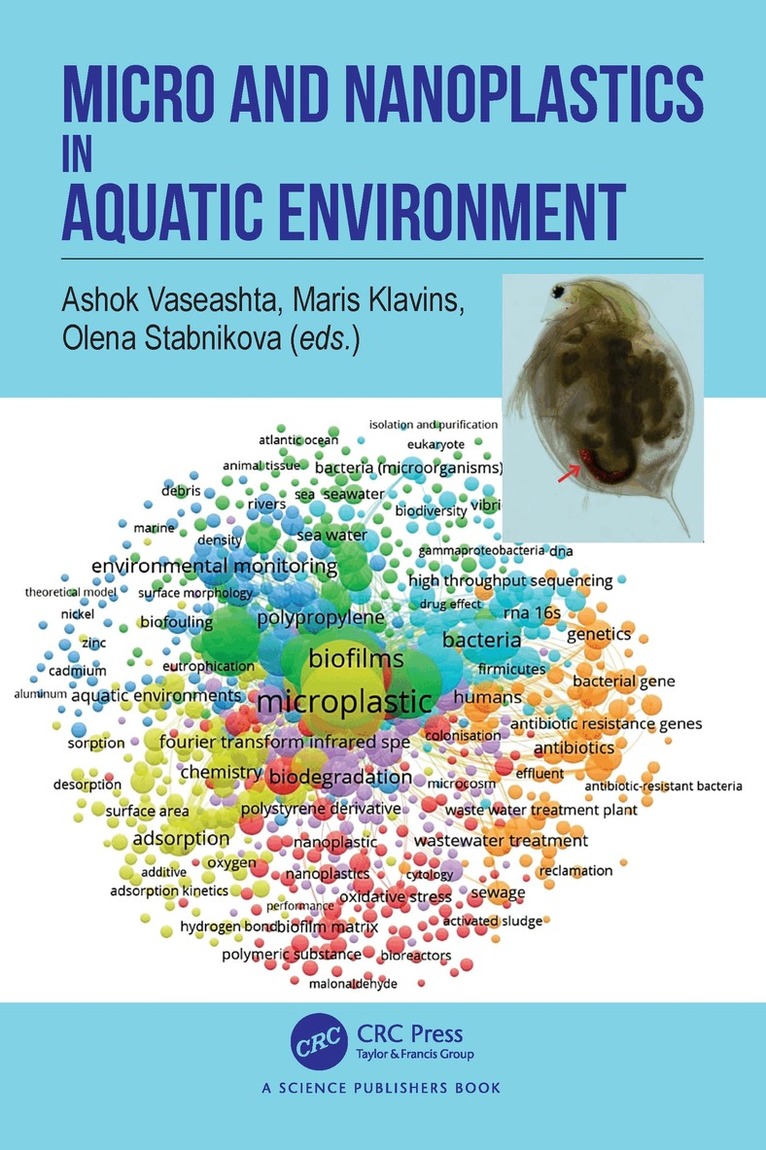
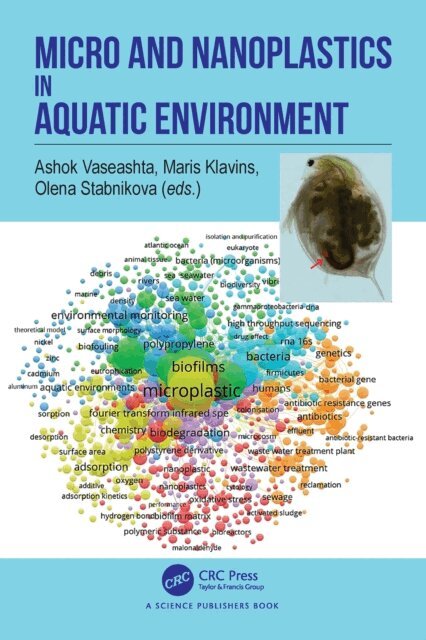
Micro and Nanoplastics in Aquatic Environment
Av Ashok Vaseashta, Maris Klavins m. fl.
Inbunden, 2025
3058 kr
Lägg i varukorg
Over the past century and a half, advancements in polymer science—encompassing both natural and synthetic materials—have led to the development of strong, lightweight, and highly flexible polymers. Their remarkable diversity and versatility make them indispensable in modern life. However, the …
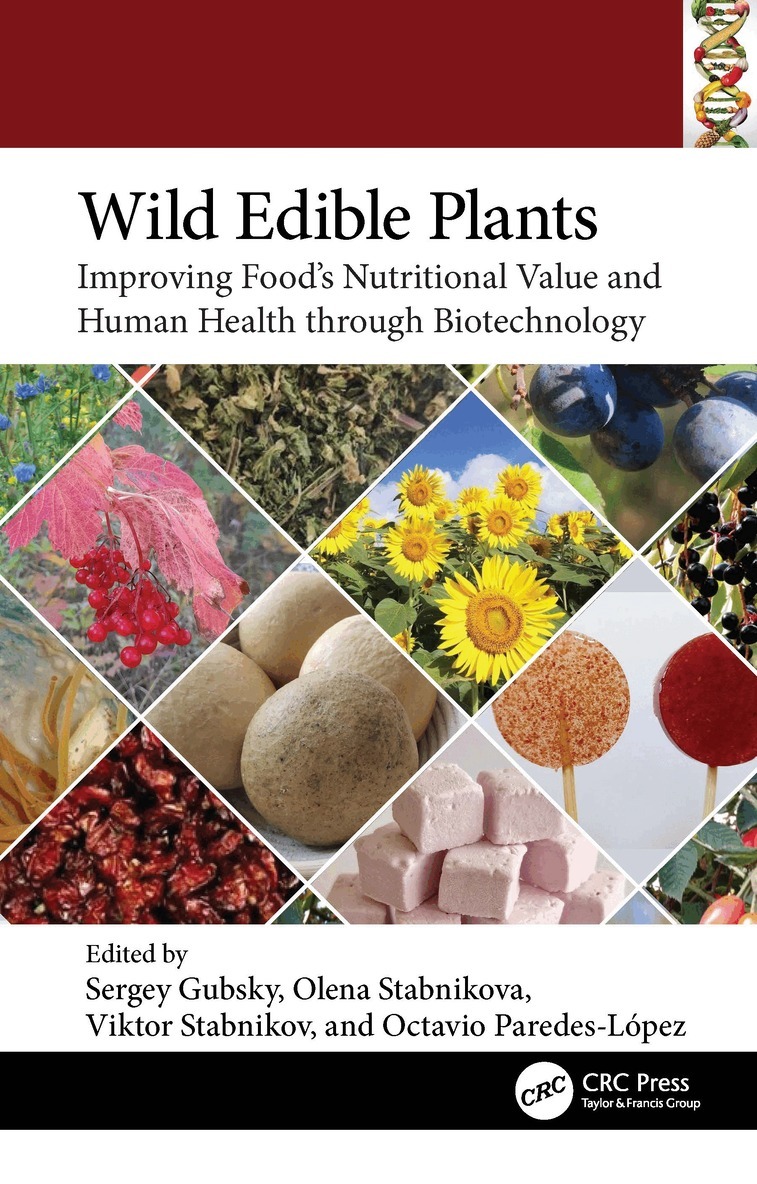
Wild Edible Plants
Improving Food's Nutritional Value and Human Health through Biotechnology
Av Sergey Gubsky, Olena Stabnikova m. fl.
Inbunden, 2025
3058 kr
Lägg i varukorg
Wild plants have been used by humans as an important source of nutrition since ancient times. They are rich in health-promoting compounds such as phenols, flavonoids, antioxidants, vitamins, trace elements, and dietary fibers. When incorporated into food products, these materials enhance the …
Wild Edible Plants
Improving Food''s Nutritional Value and Human Health through Biotechnology
Av Octavio Paredes-Lopez, Viktor Stabnikov m. fl.
E-bok, 2025
3558 kr
Lägg i varukorg
Wild plants have been used since ancient times as a source of human nutrition. They are a source of compounds valuable for human health such as phenols, flavonoids, antioxidants, vitamins, microelements, and fibers. When these materials are used as main components of foods, or as additives, they …
Wild Edible Plants
Improving Food''s Nutritional Value and Human Health through Biotechnology
Av Octavio Paredes-Lopez, Viktor Stabnikov m. fl.
E-bok, 2025
3558 kr
Lägg i varukorg
Wild plants have been used since ancient times as a source of human nutrition. They are a source of compounds valuable for human health such as phenols, flavonoids, antioxidants, vitamins, microelements, and fibers. When these materials are used as main components of foods, or as additives, they …
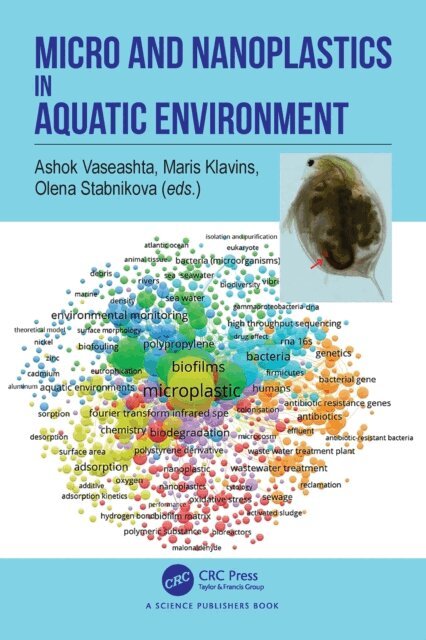
Micro and Nanoplastics in Aquatic Environment
Av Olena Stabnikova, Maris Klavins m. fl.
E-bok, 2025
3428 kr
Lägg i varukorg
Over the past century and a half, advancements in polymer science-encompassing both natural and synthetic materials-have led to the development of strong, lightweight, and highly flexible polymers. Their remarkable diversity and versatility make them indispensable in modern life. However, the …
Micro and Nanoplastics in Aquatic Environment
Av Olena Stabnikova, Maris Klavins m. fl.
E-bok, 2025
3428 kr
Lägg i varukorg
Over the past century and a half, advancements in polymer science-encompassing both natural and synthetic materials-have led to the development of strong, lightweight, and highly flexible polymers. Their remarkable diversity and versatility make them indispensable in modern life. However, the …