Olga Memedovic - Böcker
Visar alla böcker från författaren Olga Memedovic. Handla med fri frakt och snabb leverans.
6 produkter
6 produkter
1 636 kr
Skickas inom 10-15 vardagar
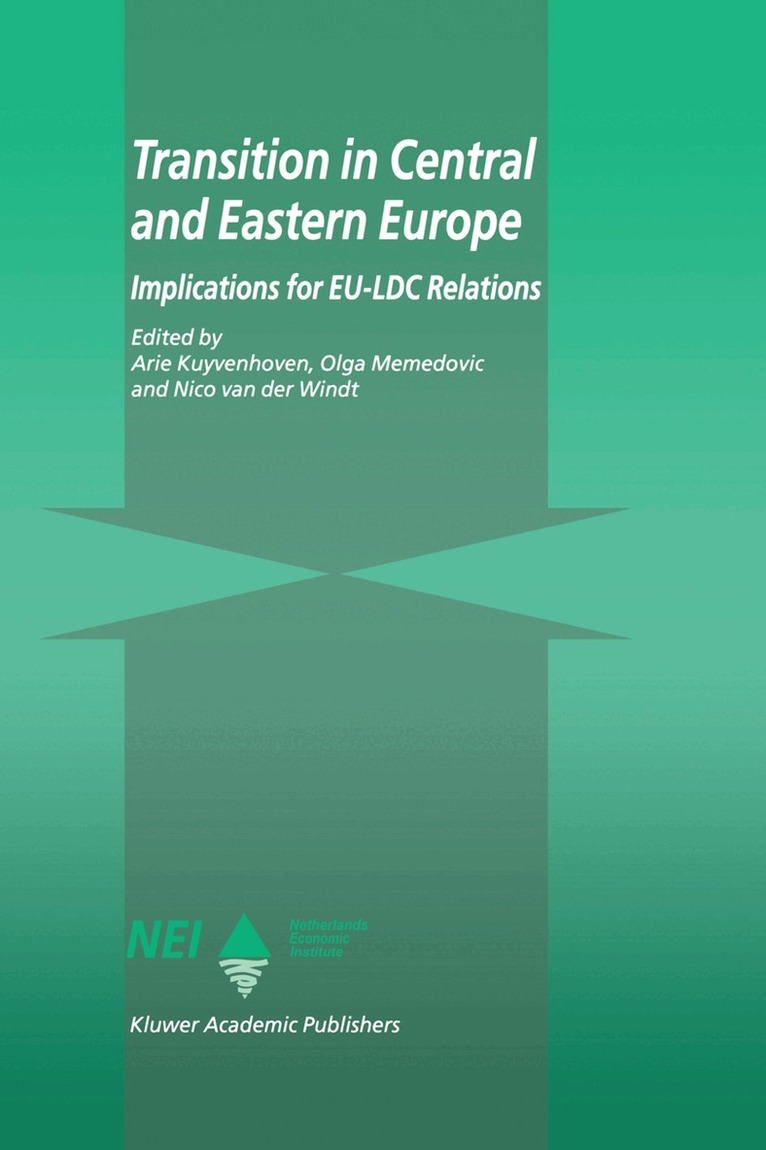
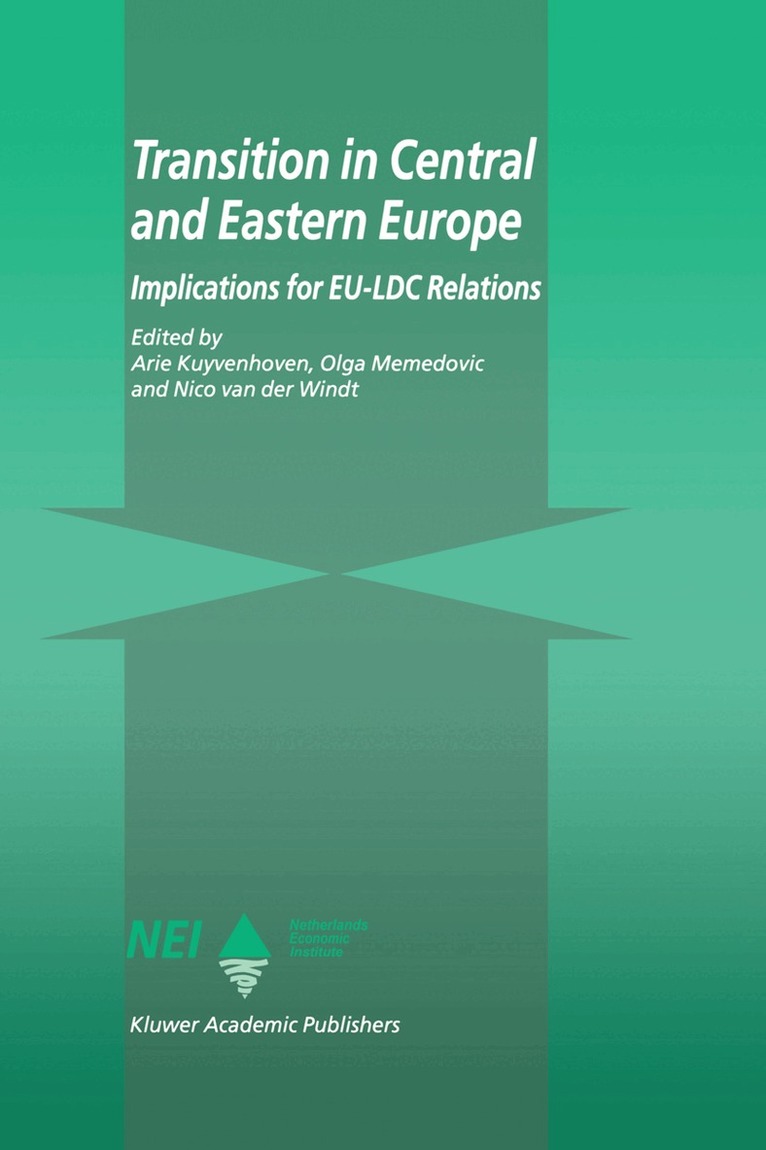
The transition in Central and Eastern European countries (CEECs), bringing in its wake improved trade relations with the European Union (EU), has raised considerable concern in less developed countries (LDCs). Although there has been some discussion of the possible implications of this new EU orientation for EU-LDC relations, relatively little detailed analysis of the trade and capital issues involved has been undertaken. In this volume international experts give an overview on developments in EU-LDC trade and capital relations; analyze EU trade policy and its change over time; assess the grounds for LDC fears concerning erosion of trade preferences and diversion of trade, investment and aid toward the CEECs; determine the effect of the European agreements on trade in "sensitive" productions and with particular countries; lay to rest unwarranted fears; and look toward the future of EU-LDC relations.
Multilateralism and Regionalism in the Post-Uruguay Round Era
What Role for the EU?
Inbunden, Engelska, 1999
1 462 kr
Skickas inom 10-15 vardagar
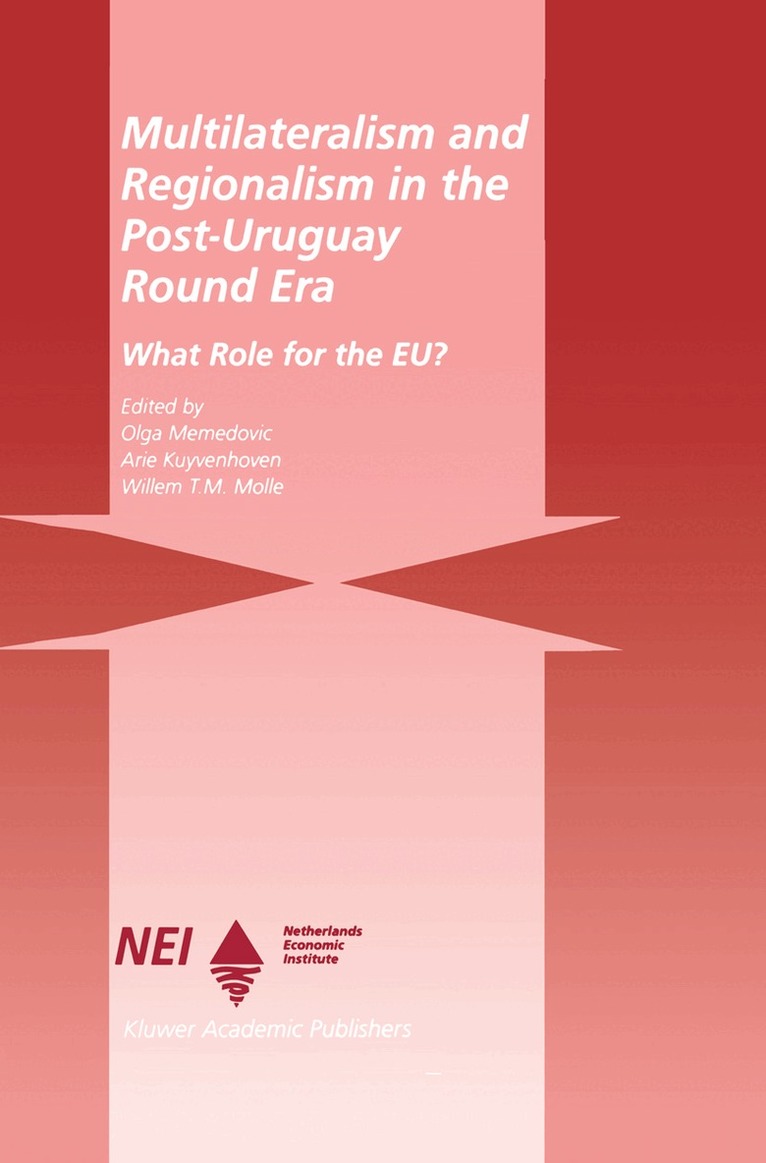
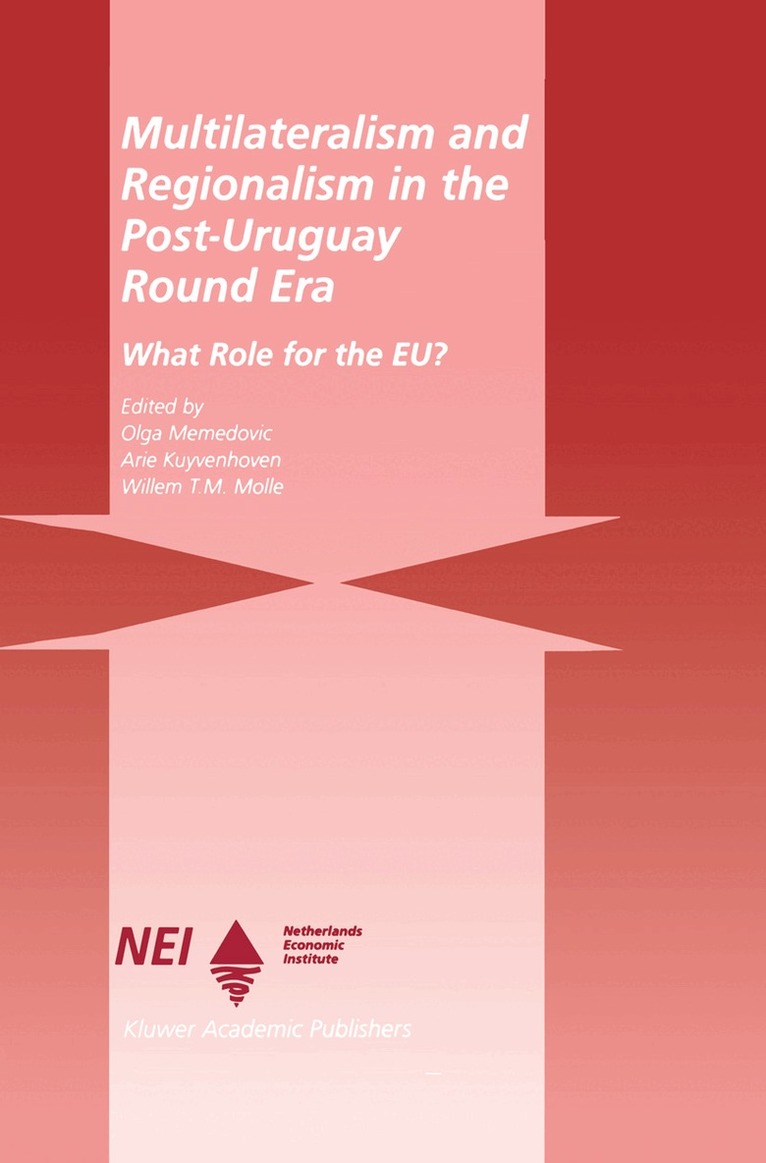
The Post-Uruguay Round era has seen a proliferation of regional preferential trade agreements (PTAs), as well as progressive multilateral trade liberalization initiatives. This has stimulated theoretical discussion on whether the policy of pursuing PTAs will have a malign or a benign impact on multilateralism. In the former case, proliferation of PTAs may increase protection in global trade due to trade diversion effects, thereby creating impediments to the multilateral freeing of global trade. In the latter case, the expansion of PTA membership could ultimately lead to non-discriminatory global free trade. At the core of this discussion two issues are at stage: what determines the expansion of PTA membership and how to bring order into the architecture of the world trading system. While those questions are mainly studied from a specialist perspective in the literature, this volume offers a comprehensive view on this topic.In this text international experts: explain the reasons for the concurrent appearance of regionalism and multilateralism in the Post-Uruguay Round era; shed light on the motives of both the two economic superpowers (the United States and the EU) and the developing countries for pursuing PTAs; confront growing preferential regionalism with the academic consensus on the superiority of multilateralism; discuss the future of the PTAs; assess the access of the EU market for the products of LDCs; offer a better understanding of the experience of African, Latin American and Asian countries concerning access to the EU market for their products; and discuss the possibilities of disciplining the PTA route towards global free trade within the WTO framework.
Globalization of Labour Markets
Challenges, Adjustment and Policy Response in the EU and LDCs
Inbunden, Engelska, 1997
2 179 kr
Skickas inom 10-15 vardagar
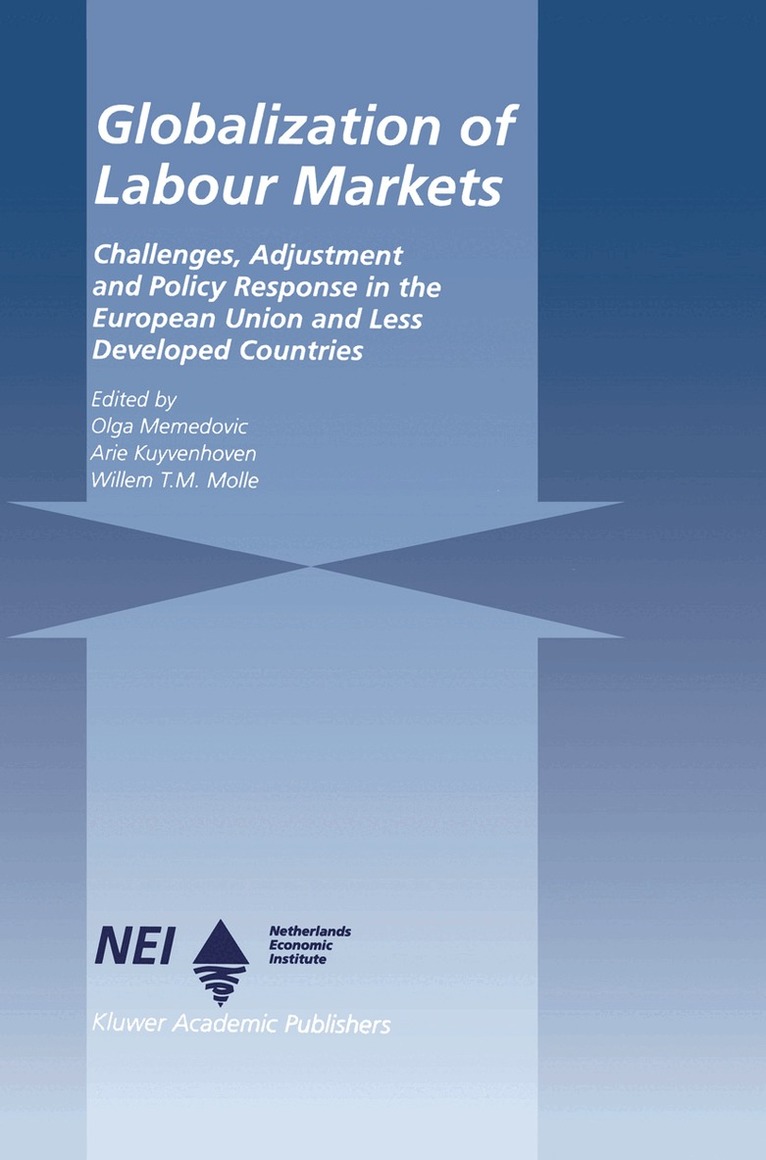
To the classical forces of migration such as poverty, oppression and war, yet another is being added: globalization. The trend toward globalization has created new opportunities for trade and investment. These have had positive implications for economic growth and living standards. However, they also confront developed and less developed countries (LCDs) with difficult policy choices. Developed Countries (DCs) have to find a compromise between competitiveness and high labour costs, and between trade liberalization and immigration controls. LCDs have to decide whether to export labour or goods, and to accept foreign resources for development rather than migration. While, in the literature, the impact of globalization has been largely studied from specialist perspectives, this volume offers a comprehensive view of the issue.In this work there is explaination of the welfare implications of export of goods and labour from LCDs to the DCs from the perspective of both international and labour economics; shedding of light on the possible relationship between foreign direct investment and migration; an offering of a better understanding of the experiences of Asian, Latin American and African countries with exporting goods or labour; and a discussion of the different policy responses to the globalization of labour markets in the European Union, East and South-East Asia and Latin America, while being aware of inter-country variations within these regions.
Multilateralism and Regionalism in the Post-Uruguay Round Era
What Role for the EU?
Häftad, Engelska, 2012
1 636 kr
Skickas inom 10-15 vardagar
The Post-Uruguay Round era has seen a proliferation of regional preferential trade agreements (PTAs) as well as progressive multilateral trade liberalization initiatives. This has stimulated theoretical discussion on whether the policy of pursuing PTAs will have a malign or a benign impact on multilateralism. In the former case, proliferation of PT As may increase protection in global trade due to trade diversion effects, thereby creating impediments to multilateral freeing of global trade. In the latter case, the expansion of PTA membership could ultimately lead to non-discriminatory global free trade. At the core of this discussion is the question of how to explain the preference for PTA membership. While some economists view the expansion of PTA membership as exogenously determined, participants of the Fourth Annual Workshop of the Network EU-LDC Trade and Capital Relations also considered endogenous factors explaining increased PTA membership. This book offers a closer look at the motives of policy makers in both developed and developing countries to still adhere to PTAs, notwithstanding the theoretical superiority of multilateralism, and addresses the question of how to bring order into the world trading system. These issues are dealt with in 9 chapters by scholars from both the EU and LDCs. Each paper is discussed in terms of its policy relevance by a policy maker as well as by an academic specialized in the field.
Globalization of Labour Markets
Challenges, Adjustment and Policy Response in the EU and LDCs
Häftad, Engelska, 2013
2 179 kr
Skickas inom 10-15 vardagar
To the classical driving forces of migration such as poverty, oppression and war, yet another is being added: globalization. With the increasing economic interdependence between countries migration has become one of the important links. Many less developed countries (LDCs) accept migration of their workers to developed countries (DCs) because it reduces the pressure on unemployment, and remittances increase the capital inflow to the country. On the other hand, some of the DCs see migration as a threat to their employment and system of social security. Participants of the Second Annual Workshop of the Network EU-LDC Trade and Capital Relations gave a broad view of the problem which both DCs and LDCs are facing in connection with the globalization of labour markets. This volume consists of 10 chapters by scholars from the European Union (EU) and LDCs. Each paper is discussed in terms of its policy relevance by a policy maker as well as by an academic specializing in the field. In the opening chapter we aim to do justice to the discussion during the Workshop in Rotterdam in May 1995 at which preliminary versions of all chapters were presented. Edited versions of the interven tions by the policy makers and experts are included as far as possible af ter the chapters. The opinions expressed in this volume are those of the authors and not necessarily those of their organizations.
1 589 kr
Skickas inom 10-15 vardagar
In less developed countries (LDCs) there is considerable concern that the developments in the Central and Eastern European Countries (CEECs) may lead to a more inward looking European Union (EU). As EU trade, foreign investment and aid flows are diverted from LDCs towards the CEECs, close neighbours of the EU, a new dimension would be added to 'fortress Europe'. This volume consists of 11 chapters by scholars from the EU, the CEECs and LDCs. Each paper is discussed in terms of its policy relevance by a policy maker as well as by an academic specializing in the field. In the opening chapter we aim to do justice to the discussion during the Workshop in Rotterdam in May 1994 at which preliminary versions of all chapters were presented. Edited versions of the interventions by the policy makers and experts are included as far as possible after the chapters. A summary of the discussion is presented in the concluding remarks by Rolf Langhammer. The opinions expressed in this volume are those of the authors and not necessarily of their organizations. The editors XXI Foreword I am glad the first meeting of this network is on the developing country dimension of pan-European integration, for two reasons. Firstly, politi cal and economic liberalization in Central and Eastern Europe makes it possible, even necessary, to discuss such an issue.