Olga Tribulato – författare
Visar alla böcker från författaren Olga Tribulato. Handla med fri frakt och snabb leverans.
10 produkter
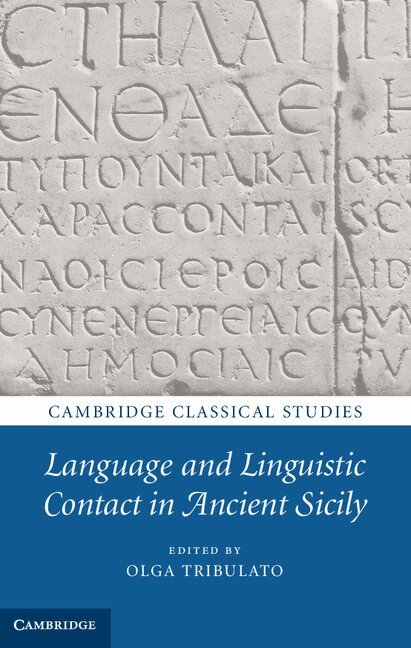
Language and Linguistic Contact in Ancient Sicily
Inbunden, 2012
1247 kr
Lägg i varukorg
Within the field of ancient bilingualism, Sicily represents a unique terrain for analysis as a result of its incredibly rich linguistic history, in which 'colonial' languages belonging to branches as diverse as Italic (Oscan and Latin), Greek and Semitic (Phoenician) interacted with the languages …
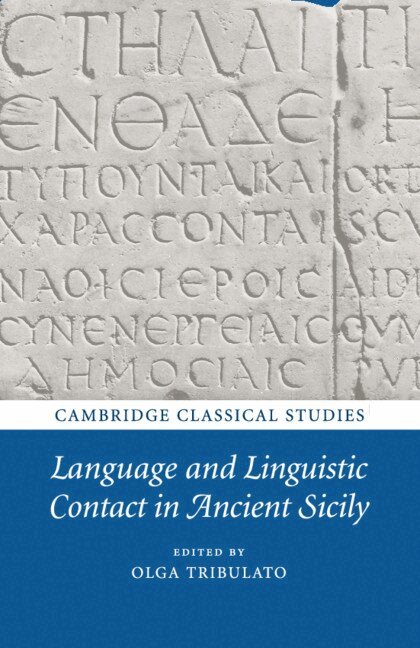
Language and Linguistic Contact in Ancient Sicily
Häftad, 2019
687 kr
Lägg i varukorg
Within the field of ancient bilingualism, Sicily represents a unique terrain for analysis as a result of its incredibly rich linguistic history, in which 'colonial' languages belonging to branches as diverse as Italic (Oscan and Latin), Greek and Semitic (Phoenician) interacted with the languages …
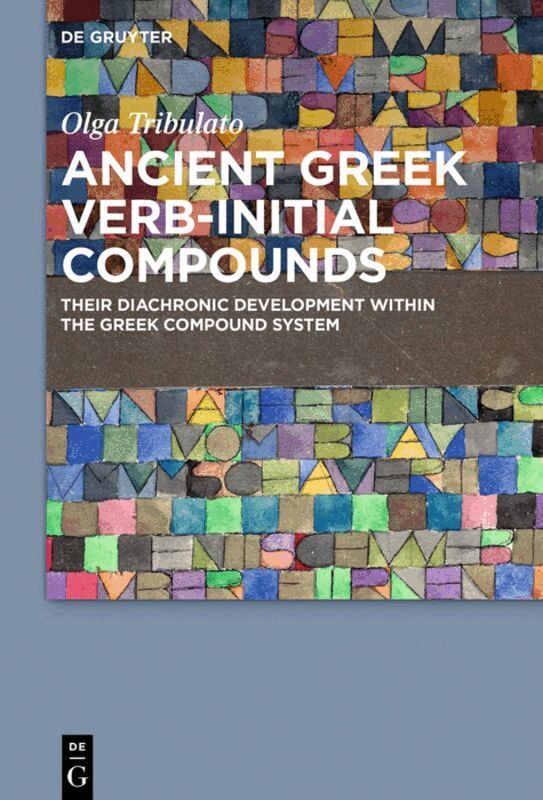
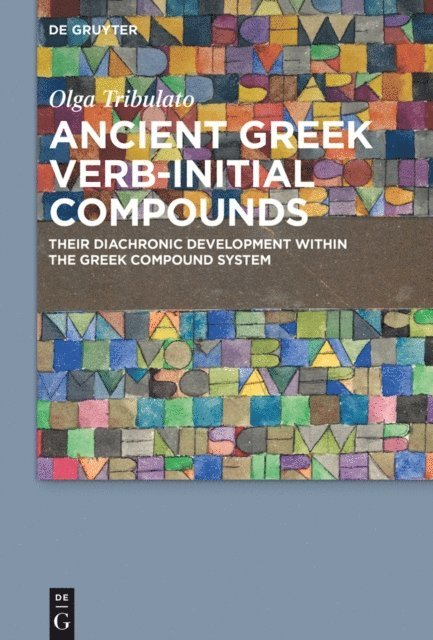
Ancient Greek Verb-Initial Compounds
Their Diachronic Development Within the Greek Compound System
Inbunden, 2015
1844 kr
Lägg i varukorg
This book provides a brand new treatment of Ancient Greek (AG) verb-first (V1) compounds. In AG, the very existence of this type is surprising: its left-oriented structure goes against the right-oriented structure of the compound system, in which there also exists a large class of verb-final (V2) …
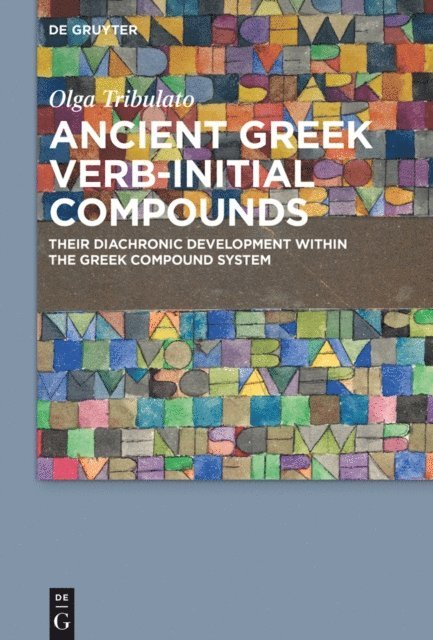
Ancient Greek Verb-Initial Compounds
Their Diachronic Development Within the Greek Compound System
E-bok, 2015
1825 kr
Lägg i varukorg
This book provides a brand new treatment of Ancient Greek (AG) verb-first (V1) compounds. In AG, the very existence of this type is surprising: its left-oriented structure goes against the right-oriented structure of the compound system, in which there also exists a large class of verb-final (V2) …
Ancient Greek Verb-Initial Compounds
Their Diachronic Development Within the Greek Compound System
E-bok, 2015
1865 kr
Lägg i varukorg
This book provides a brand new treatment of Ancient Greek (AG) verb-first (V1) compounds. In AG, the very existence of this type is surprising: its left-oriented structure goes against the right-oriented structure of the compound system, in which there also exists a large class of verb-final (V2) …
Paths of Greek
Literature, Linguistics and Epigraphy
Inbunden, 2019
1962 kr
Lägg i varukorg
This volume proposes a multidisciplinary approach to the history of Ancient Greek. Each of its ten papers offers a methodological example of how the study of Greek can be greatly enhanced by a truly multidisciplinary perspective in which the analysis of language interacts with epigraphy, textual …
Paths of Greek
Literature, Linguistics and Epigraphy
E-bok, 2019
1941 kr
Lägg i varukorg
This volume proposes a multidisciplinary approach to the history of Ancient Greek. Each of its ten papers offers a methodological example of how the study of Greek can be greatly enhanced by a truly multidisciplinary perspective in which the analysis of language interacts with epigraphy, textual …
Paths of Greek
Literature, Linguistics and Epigraphy
E-bok, 2019
1921 kr
Lägg i varukorg
This volume proposes a multidisciplinary approach to the history of Ancient Greek. Each of its ten papers offers a methodological example of how the study of Greek can be greatly enhanced by a truly multidisciplinary perspective in which the analysis of language interacts with epigraphy, textual …
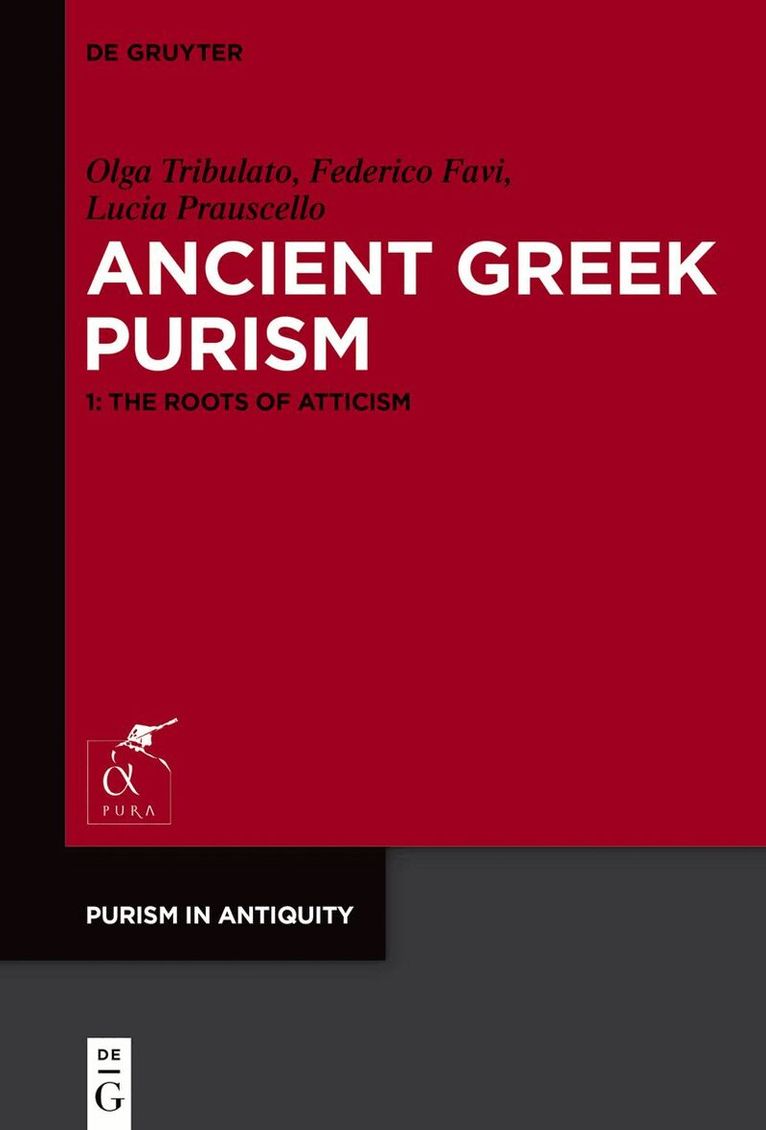
Ancient Greek Purism
1: The Roots of Atticism
Av Olga Tribulato, Federico Favi m. fl.
Inbunden, 2024
1898 kr
Lägg i varukorg
This volume is the first of four devoted to Atticism, a form of linguistic purism that sought to preserve the rules of the 5th-century Attic dialect against the evolution of Postclassical Greek. The series elucidates the origins and development of Atticist thought, as well as its impact, …
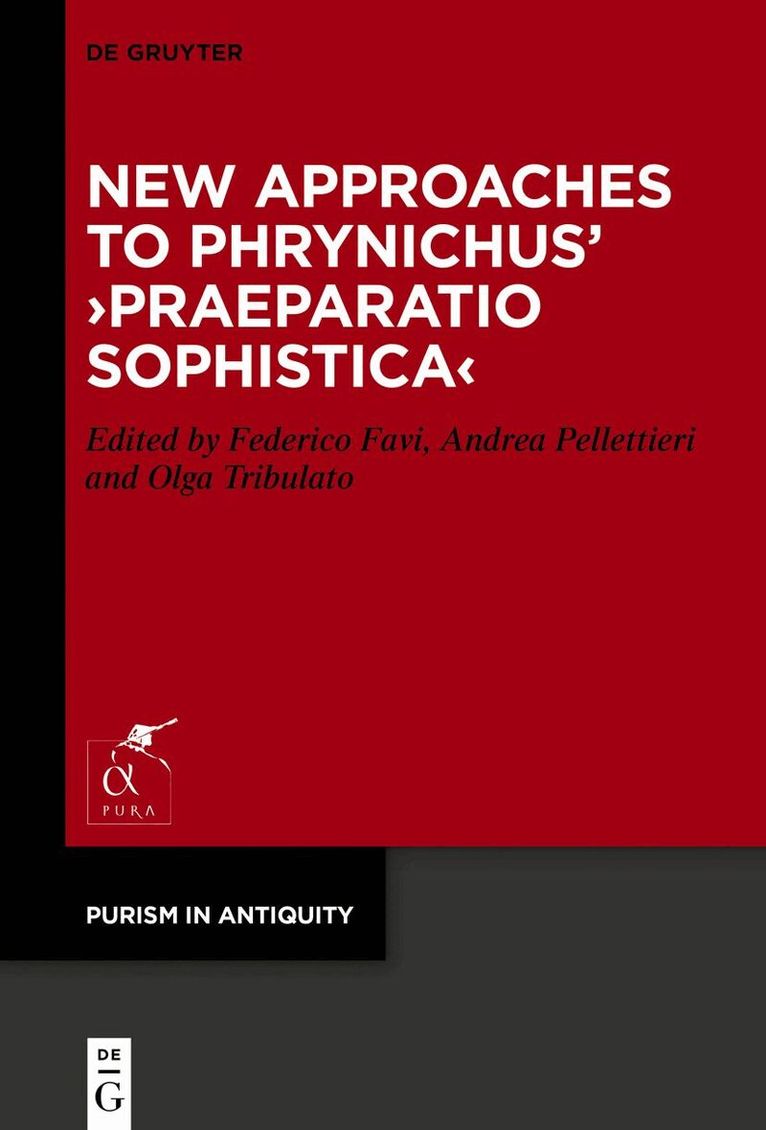
New Approaches to Phrynichus’ ›Praeparatio Sophistica‹
Av Federico Favi, Andrea Pellettieri m. fl.
Inbunden, 2025
1327 kr
Lägg i varukorg
Phrynichus’ Praeparatio sophistica ranks not last among the most importat works of ancient scholarly literature which we wish we could read in its original, full redaction. It was Phrynichus’ magnum opus, and the high status of this work was still acknowledged in Byzantine intellectual circles. …