Olive Anderson – författare
Visar alla böcker från författaren Olive Anderson. Handla med fri frakt och snabb leverans.
5 produkter
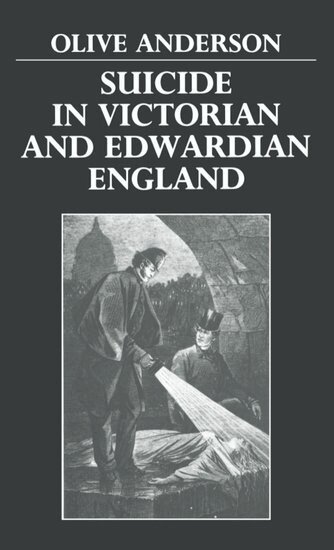
Suicide in Victorian and Edwardian England
Inbunden, 1987
4216 kr
Lägg i varukorg
This is the first serious historical study of a central human problem. Suicide is a long-standing concern of sociologists, psychiatrists, social workers, and moralists. Here Olive Anderson provides a new dimension for understanding suicidal behaviour and responses to it, and a chapter in the …
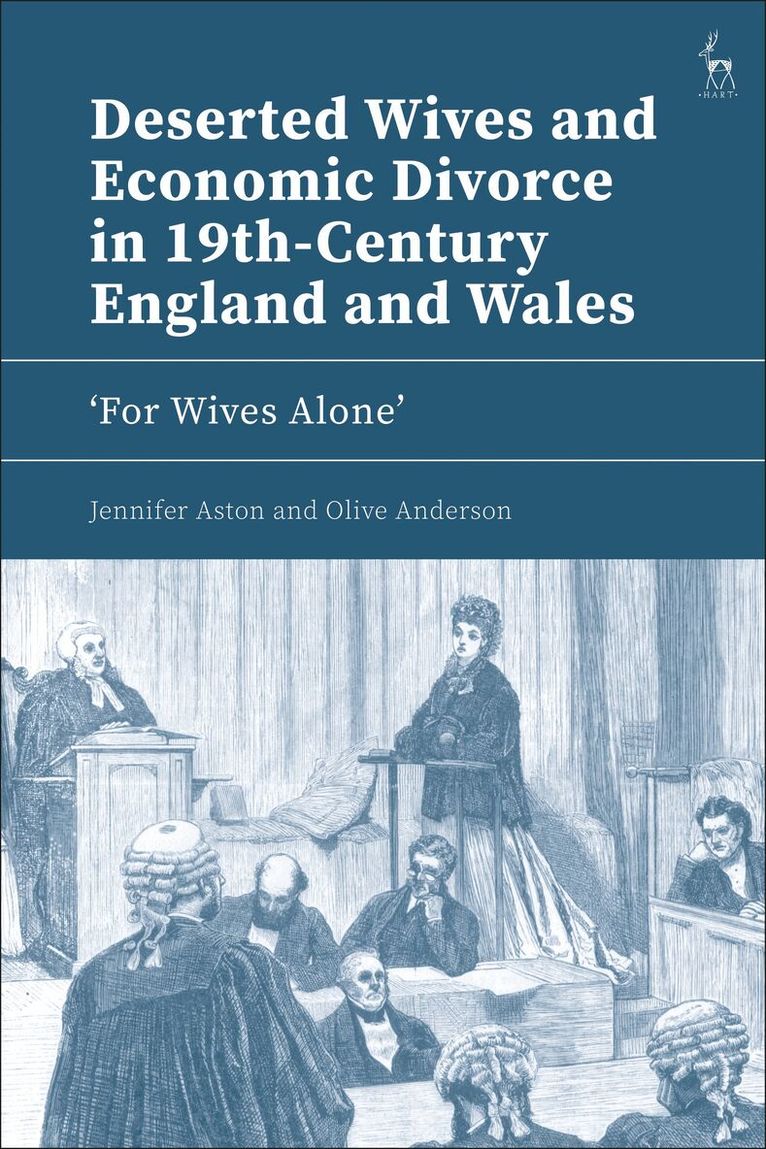
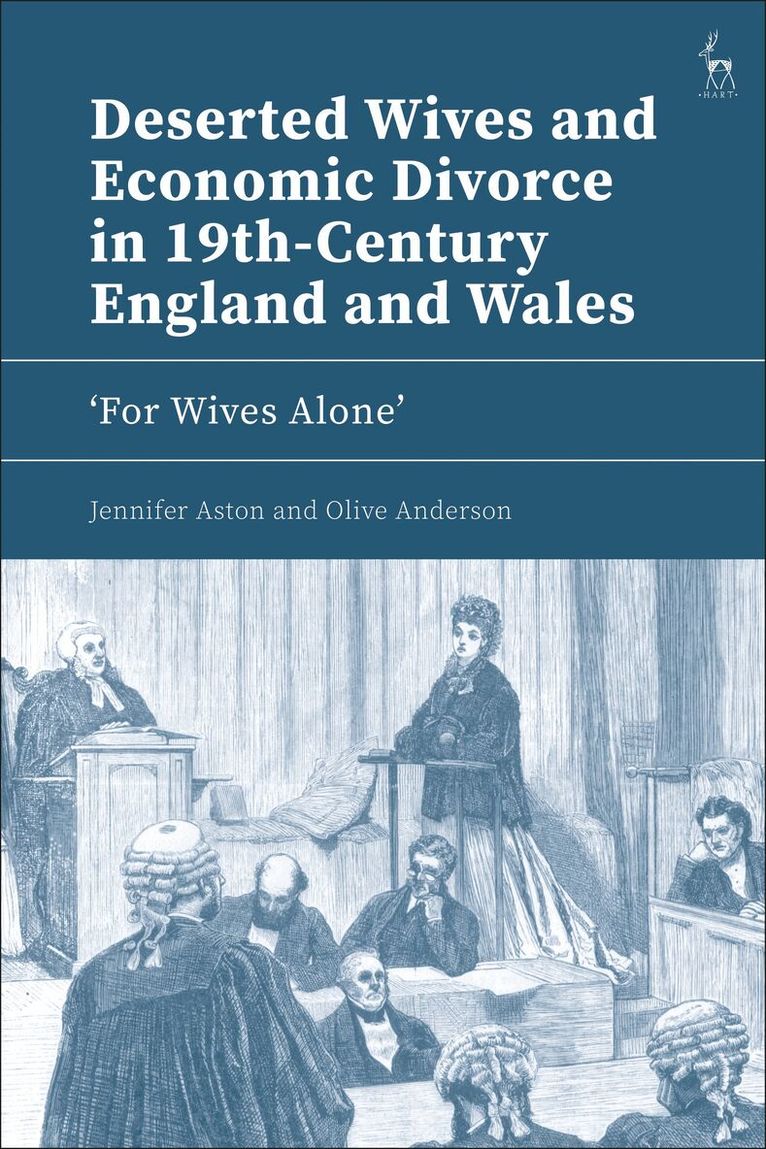
Deserted Wives and Economic Divorce in 19th-Century England and Wales
‘For Wives Alone’
Av Jennifer Aston, Olive Anderson
Inbunden, 2024
1108 kr
Lägg i varukorg
This book considers Section 21 of the Divorce and Matrimonial Causes Act 1857 and its significant impact on previously invisible married women in the 19th century.Tens of thousands of women used this little-known section of the Act to apply for orders from local magistrates' courts to reclaim their …
Deserted Wives and Economic Divorce in 19th-Century England and Wales
‘For Wives Alone’
Av Jennifer Aston, Olive Anderson
E-bok, 2024
617 kr
Lägg i varukorg
This book considers Section 21 of the Divorce and Matrimonial Causes Act 1857 and its significant impact on previously invisible married women in the 19th century. Tens of thousands of women used this little-known section of the Act to apply for orders from local magistrates'' courts to reclaim …
Deserted Wives and Economic Divorce in 19th-Century England and Wales
‘For Wives Alone’
Av Jennifer Aston, Olive Anderson
E-bok, 2024
617 kr
Lägg i varukorg
This book considers Section 21 of the Divorce and Matrimonial Causes Act 1857 and its significant impact on previously invisible married women in the 19th century. Tens of thousands of women used this little-known section of the Act to apply for orders from local magistrates'' courts to reclaim …
Deserted Wives and Economic Divorce in 19th-Century England and Wales
‘For Wives Alone’
Av Jennifer Aston, Olive Anderson
Häftad, 2026
631 kr
Lägg i varukorg
This book considers Section 21 of the Divorce and Matrimonial Causes Act 1857 and its significant impact on previously invisible married women in the 19th century.Tens of thousands of women used this little-known section of the Act to apply for orders from local magistrates' courts to reclaim their …