Olúfẹ́mi Táíwò – författare
Visar alla böcker från författaren Olúfẹ́mi Táíwò. Handla med fri frakt och snabb leverans.
16 produkter
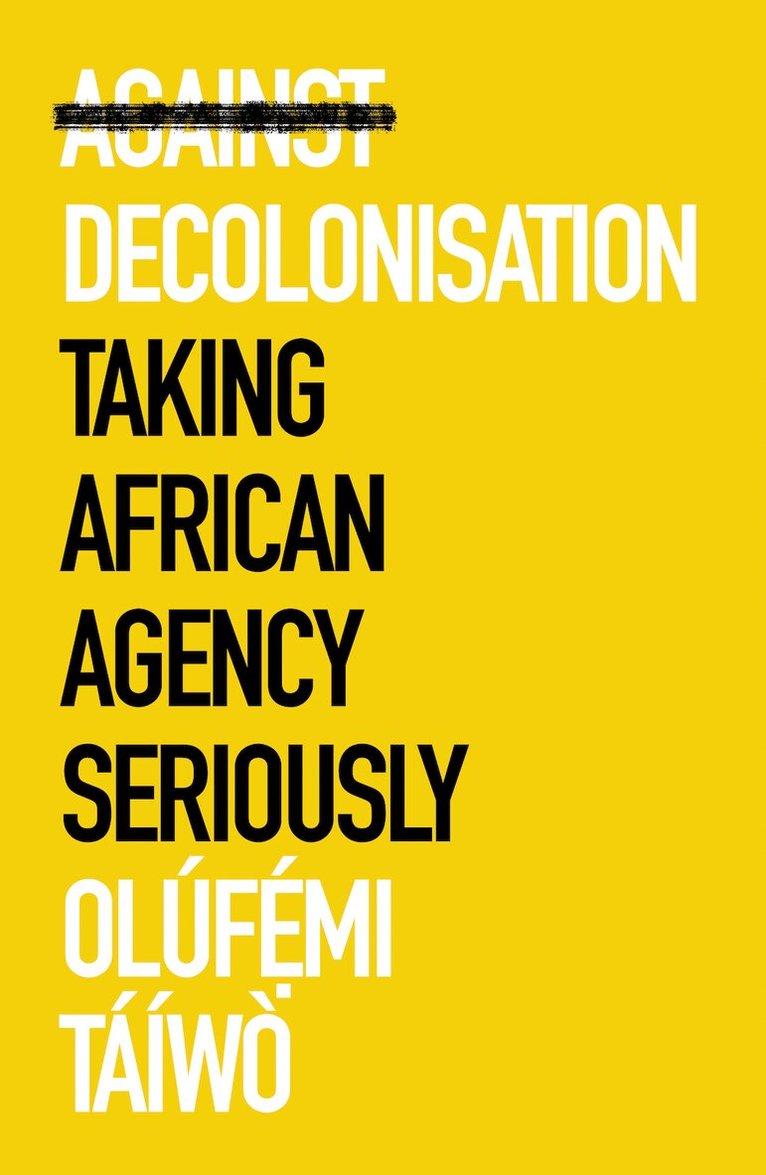
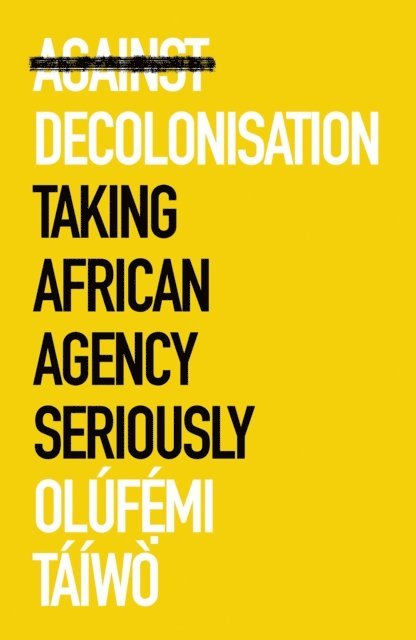
Against Decolonisation
Taking African Agency Seriously
Häftad, 2022
201 kr
Lägg i varukorg
Selected as one of '100 Notable African Books of 2022' in Brittle Paper A leading African political philosopher’s searing intellectual and moral critique of today’s decolonisation movement. Decolonisation has lost its way. Originally a struggle to escape the West’s direct political and economic …
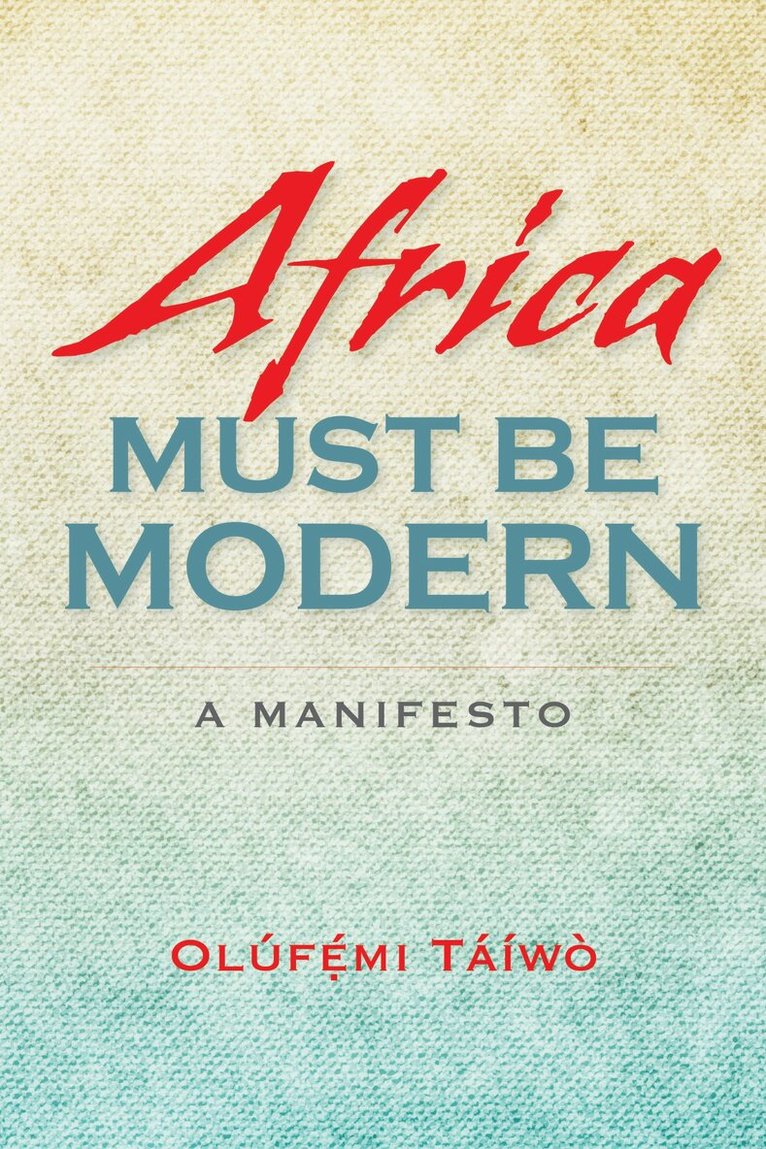
Africa Must Be Modern
A Manifesto
Inbunden, 2014
846 kr
Lägg i varukorg
In a forthright and uncompromising manner, Olúfémi Táíwò explores Africa's hostility toward modernity and how that hostility has impeded economic development and social and political transformation. What has to change for Africa to be able to respond to the challenges of modernity and …
Africa Must Be Modern
A Manifesto
Häftad, 2014
275 kr
Lägg i varukorg
In a forthright and uncompromising manner, Olúfémi Táíwò explores Africa's hostility toward modernity and how that hostility has impeded economic development and social and political transformation. What has to change for Africa to be able to respond to the challenges of modernity and …
Africa Must Be Modern
A Manifesto
E-bok, 2014
101 kr
Lägg i varukorg
In a forthright and uncompromising manner, Olúfémi Táíwò explores Africa's hostility toward modernity and how that hostility has impeded economic development and social and political transformation. What has to change for Africa to be able to respond to the challenges of modernity and …
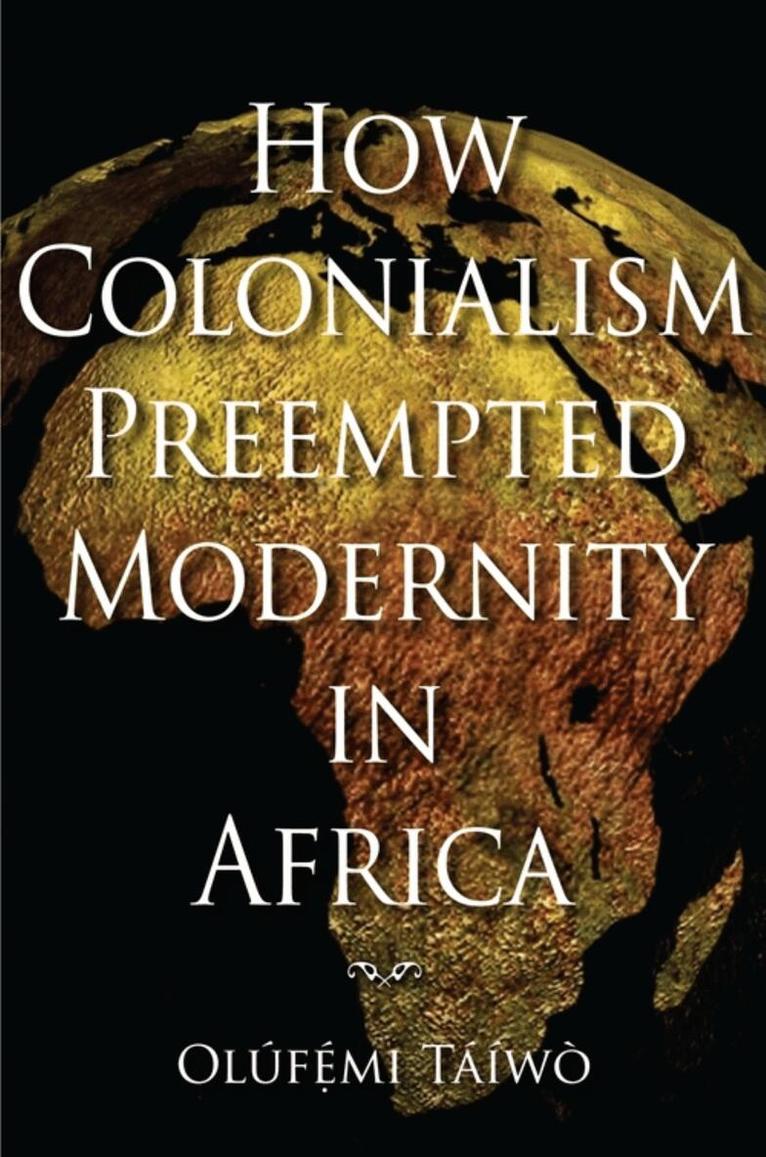
How Colonialism Preempted Modernity in Africa
Häftad, 2010
353 kr
Lägg i varukorg
Why hasn't Africa been able to respond to the challenges of modernity and globalization? Going against the conventional wisdom that colonialism brought modernity to Africa, Olúfémi Táíwò claims that Africa was already becoming modern and that colonialism was an unfinished project. Africans aspired …
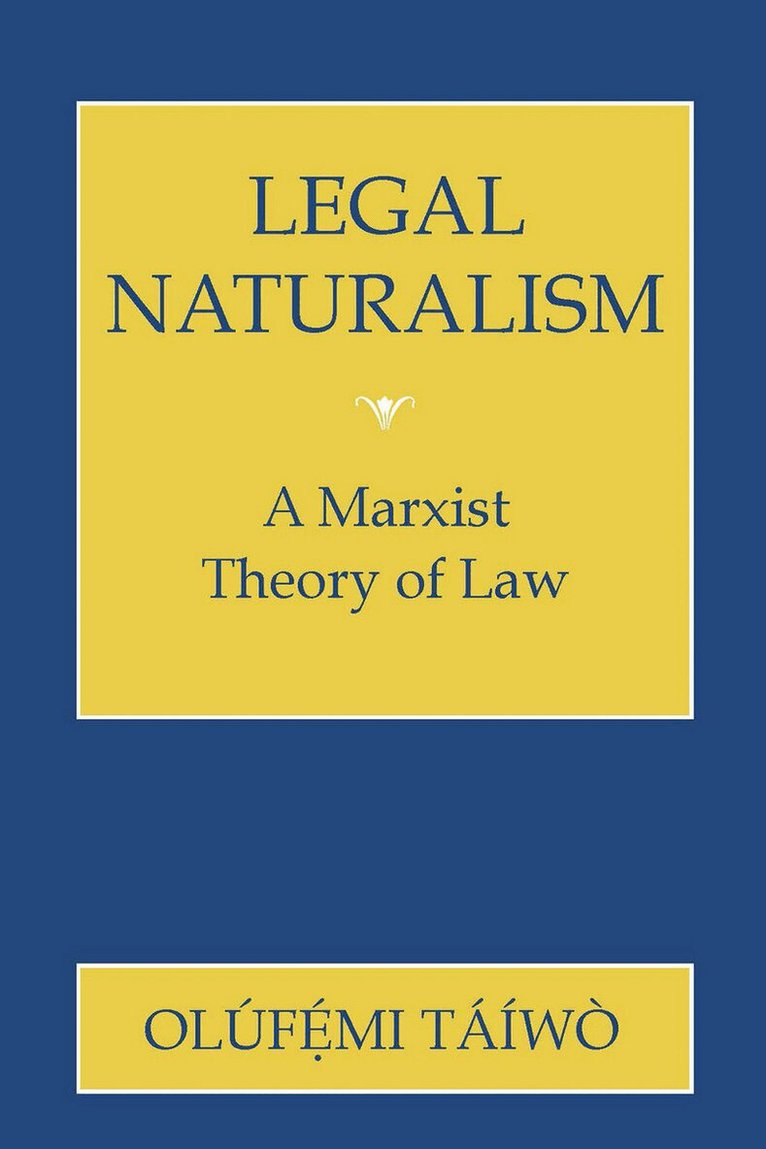
Legal Naturalism
A Marxist Theory of Law
Inbunden, 1996
741 kr
Lägg i varukorg
Legal Naturalism advances a clear and convincing case that Marx's theory of law is a form of natural law jurisprudence. It explicates both Marx's writings and the idea of natural law, and makes a forceful contribution to current debates on the foundations of law. Olufemi Taiwo argues that embedded …
Legal Naturalism
A Marxist Theory of Law
Häftad, 2015
460 kr
Lägg i varukorg
Legal Naturalism advances a clear and convincing case that Marx's theory of law is a form of natural law jurisprudence. It explicates both Marx's writings and the idea of natural law, and makes a forceful contribution to current debates on the foundations of law. Olufemi Taiwo argues that embedded …
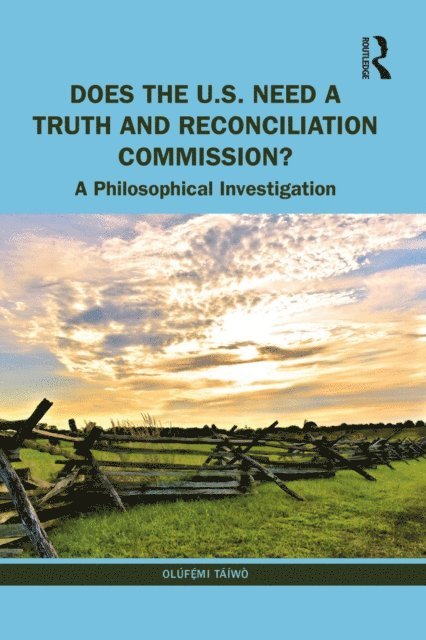
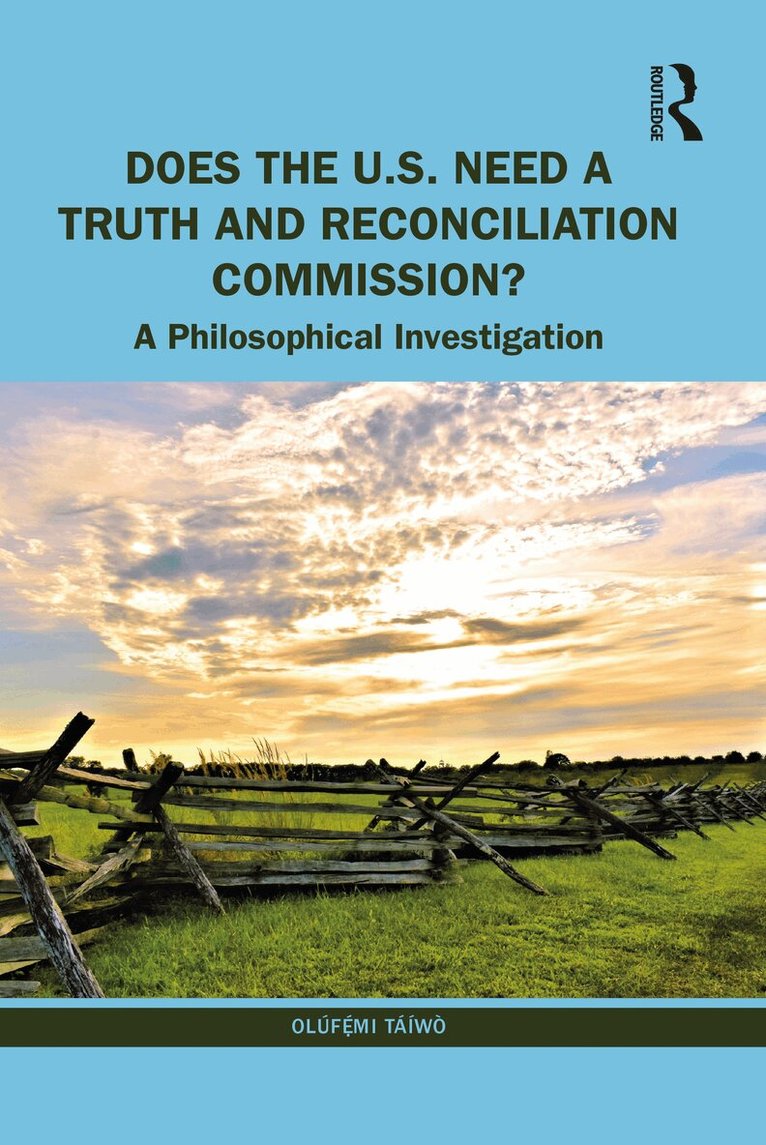
Does the U.S. Need a Truth and Reconciliation Commission?
A Philosophical Investigation
E-bok, 2023
762 kr
Lägg i varukorg
Written from the perspective of a philosopher and African immigrant, this book makes a forceful moral argument for the need for a Truth and Reconciliation Commission (TRC) in the United States to address the long history of injustice to African-Americans. It shows that a TRC—similar to those …
Does the U.S. Need a Truth and Reconciliation Commission?
A Philosophical Investigation
E-bok, 2023
762 kr
Lägg i varukorg
Written from the perspective of a philosopher and African immigrant, this book makes a forceful moral argument for the need for a Truth and Reconciliation Commission (TRC) in the United States to address the long history of injustice to African-Americans. It shows that a TRC—similar to those …
Does the U.S. Need a Truth and Reconciliation Commission?
A Philosophical Investigation
Häftad, 2023
647 kr
Lägg i varukorg
Written from the perspective of a philosopher and African immigrant, this book makes a forceful moral argument for the need for a Truth and Reconciliation Commission (TRC) in the United States to address the long history of injustice to African-Americans. It shows that a TRC—similar to those …
Does the U.S. Need a Truth and Reconciliation Commission?
A Philosophical Investigation
Inbunden, 2023
2131 kr
Lägg i varukorg
Written from the perspective of a philosopher and African immigrant, this book makes a forceful moral argument for the need for a Truth and Reconciliation Commission (TRC) in the United States to address the long history of injustice to African-Americans. It shows that a TRC—similar to those …
Measuring and Analyzing Informal Learning in the Digital Age
Av Olutoyin Mejiuni, Patricia Cranton m. fl.
Inbunden, 2015
2358 kr
Lägg i varukorg
Measuring and Analyzing Informal Learning in the Digital Age
Av Olufemi Taiwo, Patricia Cranton m. fl.
E-bok, 2015
2930 kr
Lägg i varukorg
In the twenty-first century, learning-and the definition of education-is changing. New digital, online, and social tools have the ability to transform the classroom and engage learners like never before. In the midst of this technological revolution, it is crucial for educators and administrators …
Measuring and Analyzing Informal Learning in the Digital Age
Av Olufemi Taiwo, Patricia Cranton m. fl.
E-bok, 2015
2845 kr
Lägg i varukorg
In the twenty-first century, learning-and the definition of education-is changing. New digital, online, and social tools have the ability to transform the classroom and engage learners like never before. In the midst of this technological revolution, it is crucial for educators and administrators …
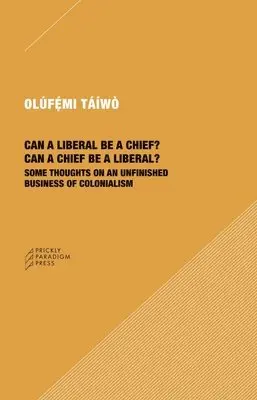
Can a Liberal be a Chief? Can a Chief be a Liber – Some Thoughts on an Unfinished Business of Colonialism
Häftad, 2021
121 kr
Lägg i varukorg
An argument against the idea of the indigenous chief as a liberal political figure.Across Africa, it is not unusual for proponents of liberal democracy and modernization to make room for some aspects of indigenous culture, such as the use of a chief as a political figure. Yet for Olúfẹ́mi …
Against Decolonisation
Taking African Agency Seriously
E-bok, 2022
208 kr
Lägg i varukorg
Decolonisation has lost its way. Originally a struggle to escape the West’s direct political and economic control, it has become a catch-all idea, often for performing ‘morality’ or ‘authenticity’; it suffocates African thought and denies African agency. Olúfẹ́mi Táíwò fiercely rejects the …