Oto Luthar – författare
Visar alla böcker från författaren Oto Luthar. Handla med fri frakt och snabb leverans.
7 produkter
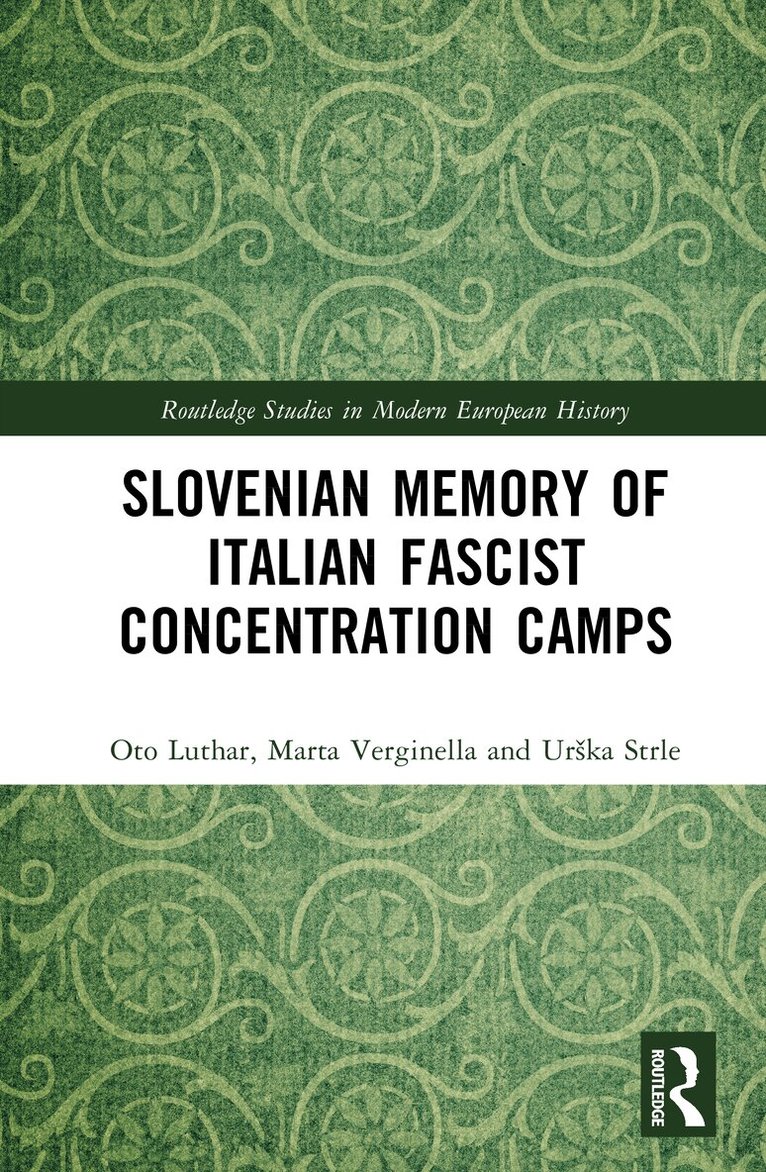
Slovenian Memory of Italian Fascist Concentration Camps
Av Oto Luthar, Marta Verginella m. fl.
Inbunden, 2026
2542 kr
Kommande
Apart from presenting the advantages of oral history and memory studies for understanding the policy concerning the Italian confinement and internment regime during the Second World War, this book provides a unique forensic reconstruction of the survivors’ experience of the camps, introducing us to …
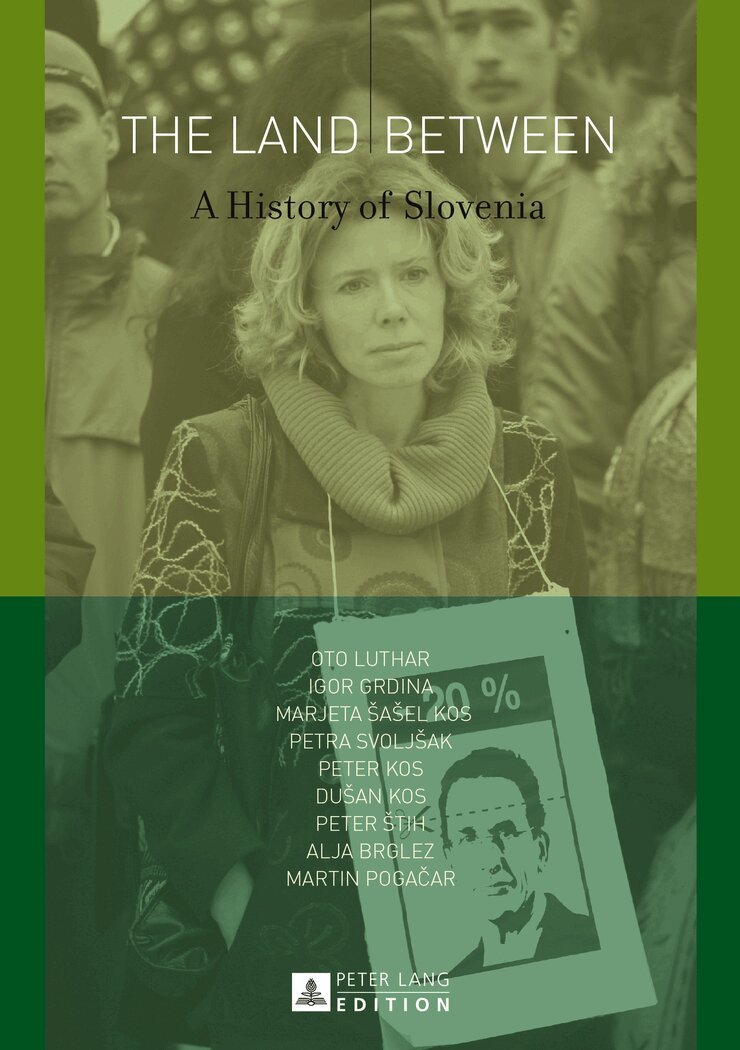
Land Between
A History of Slovenia
Av Oto Luthar
Inbunden, 2013
549 kr
Lägg i varukorg
This is a history of a space – a space between the Panonian plain in the East and the most northernmost bay in the Adriatic in the West, from the eastern Alps in the North and the Dinaridic mountain area in the South. It is also a history of all the different people who lived in this area. The …
Pays au Carrefour
Histoire de la Slovénie...
Av Imart-G+luthar-O, Oto Luthar
Häftad, 2020
1924 kr
Lägg i varukorg
Ceci n’est pas seulement l’histoire concise et intelligible des Slovènes. Les auteurs rendent compte de l’histoire du territoire entre les Alpes orientales et la plaine de Pannonie, commençant par une période bien antérieure aux premières implantations slaves. Ils soulignent ainsi un fait essentiel …
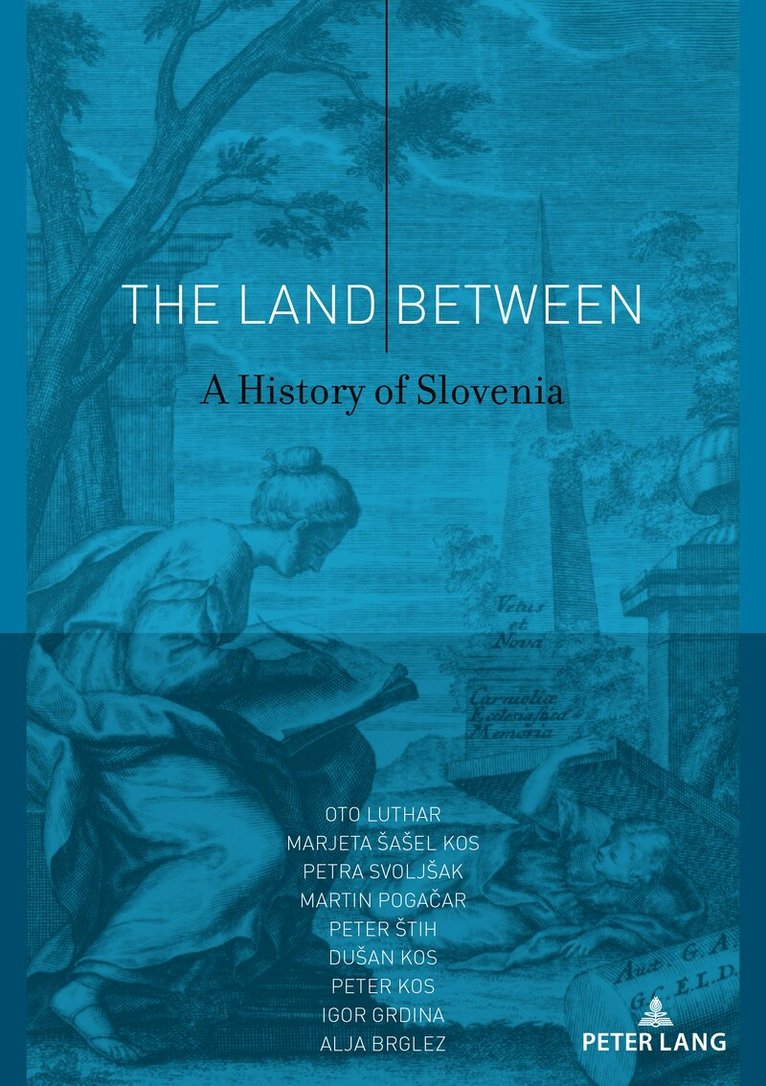
Land Between
A History of Slovenia
Av Oto Luthar, Marjeta Šašel Kos m. fl.
Inbunden, 2024
1009 kr
Lägg i varukorg
The Land Between is the first concise history of Slovenia and Slovenes written in English by leading scholars from the country. The authors base their arguments on Slovenian, former Yugoslav, and Western sources to provide a comprehensive account of Slovenes’ political, social, economic and …
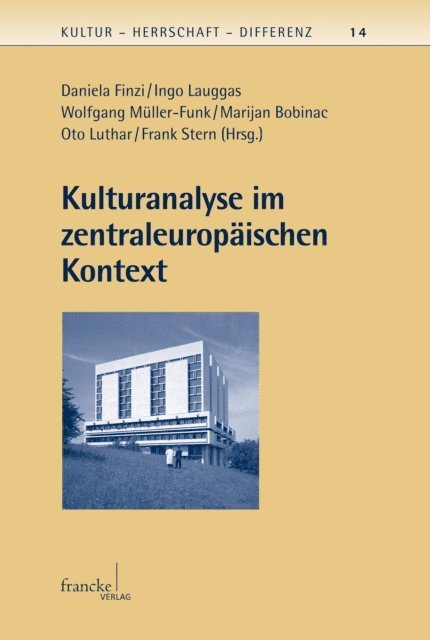
Kulturanalyse im zentraleuropäischen Kontext
Av Frank Stern, Oto Luthar m. fl.
E-bok, 2011
444 kr
Lägg i varukorg
Der Sammelband beschäftigt sich mit der Anwendung kulturwissenschaftlicher Ansätze im zentral- und südosteuropäischen Kontext. Zu Wort kommen Forscherinnen und Forscher, die sich mit einschlägigen Fragen im Bereich von Kulturanalyse und Kulturwissenschaft beschäftigen. Die film- und …
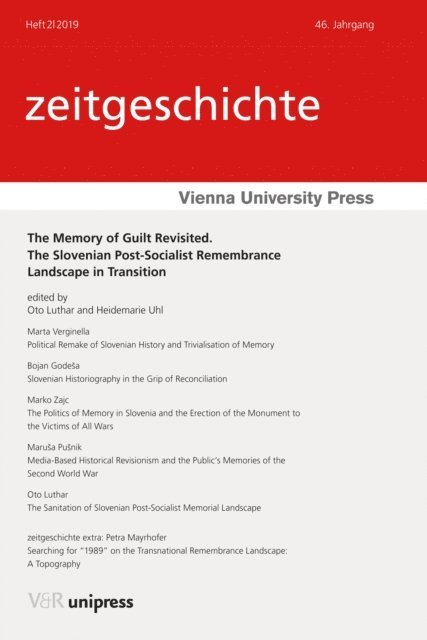
Memory of Guilt Revisited
The Slovenian Post-Socialist Remembrance Landscape in Transition
E-bok, 2019
276 kr
Lägg i varukorg
The collapse of the communist states is regarded as the starting point of the new Europe. With this turning point, historical narratives have had to be rewritten in the post-socialist countries. Focusing on the little known case of Slovenia, this issue of zeitgeschichte offers a comprehensive …
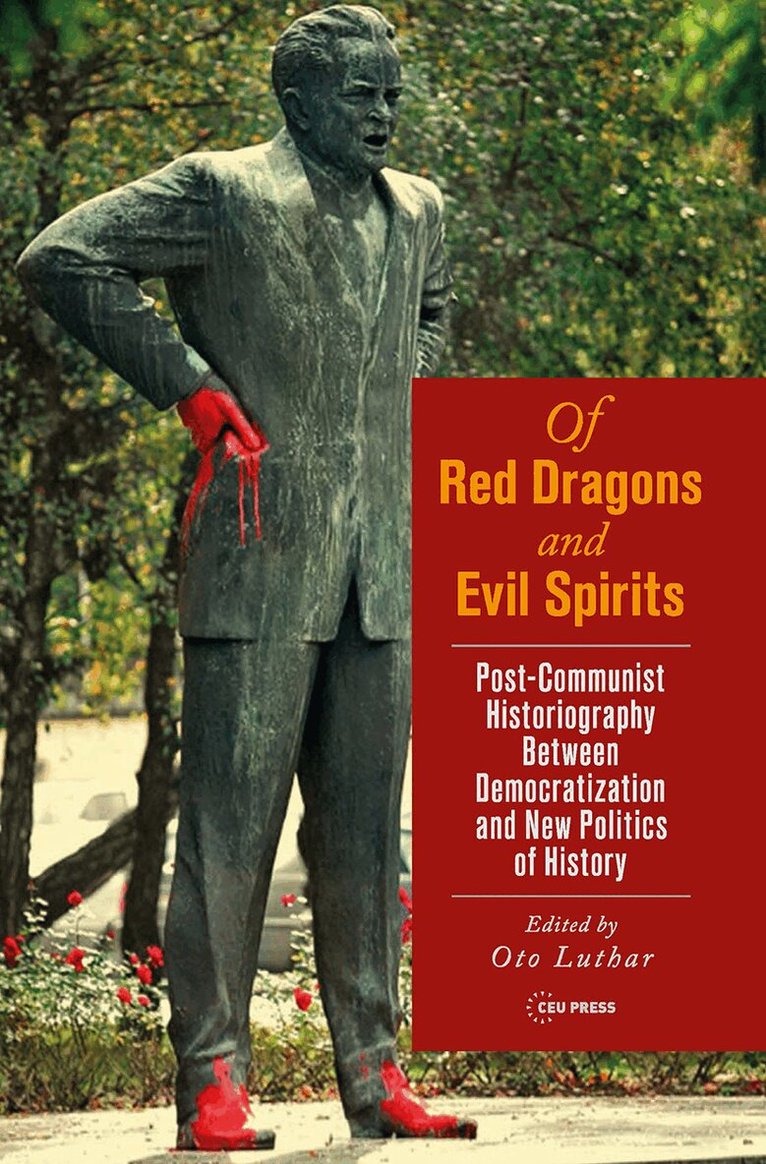
Of Red Dragons and Evil Spirits
Post-Communist Historiography between Democratization and the New Politics of History
Av Oto Luthar
Inbunden, 2017
1672 kr
Lägg i varukorg
The collection of well-researched essays assesses the uses and misuses of history 25 years after the collapse of Soviet hegemony in Eastern Europe. As opposed to the revival of national histories that seemed to be the prevailing historiographical approach of the 1990s, the last decade has seen a …