Owen Taylor - Böcker
Visar alla böcker från författaren Owen Taylor. Handla med fri frakt och snabb leverans.
3 produkter
3 produkter
1 944 kr
Skickas inom 10-15 vardagar
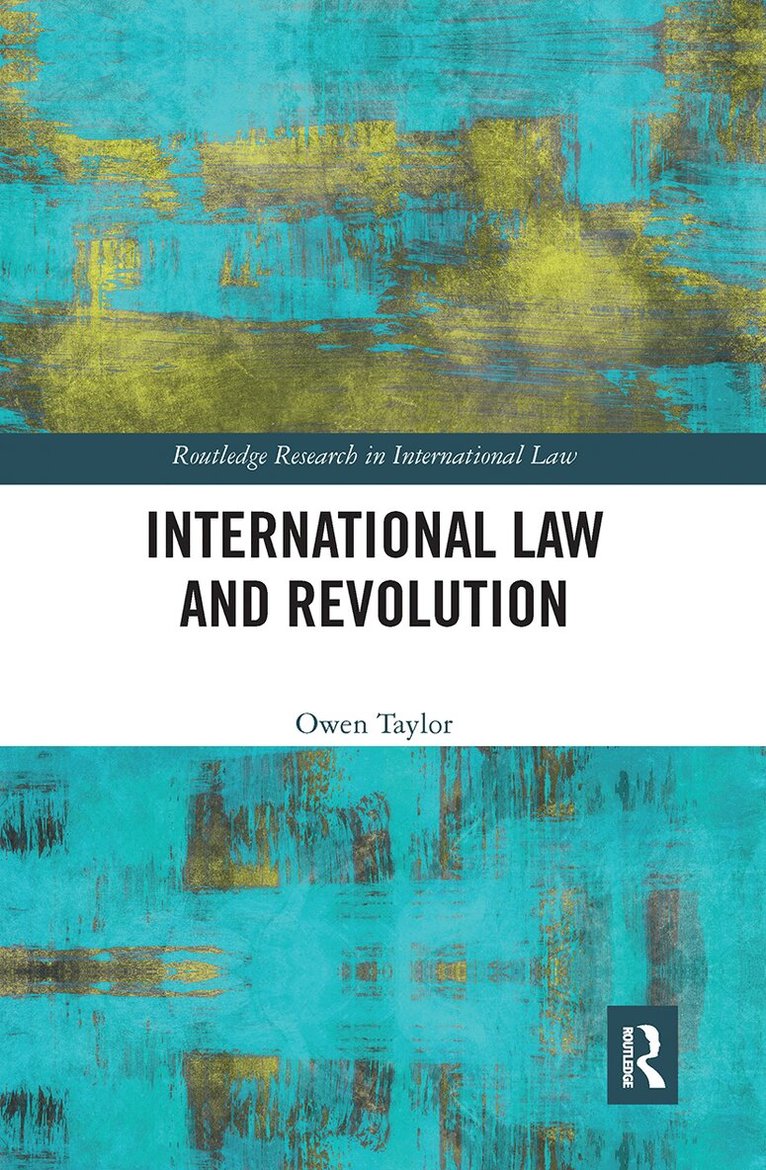
This book explores the historical inter-relations between international law and revolution, with a focus on how international anti-capitalist struggle plays out through law. The book approaches the topic by analysing the meaning of revolution and what revolutionary activity might look like, before comparing this with legal activity, to assess the basic compatibility between the two. It then moves on to examine two prominent examples of revolutionary movements engaging with international law from the twentieth century; the early Soviet Union and the Third World movement in the nineteen sixties and seventies. The book proposes that the ‘form of law’, or its base logic, is rooted in capitalist social relations of private property and contract, and that therefore the law is a particularly inhospitable place to advance revolutionary breaks with established distributions of power or wealth. This does not mean that the law is irrelevant to revolutionaries, but that turning to legal means comes with tendencies towards conservative outcomes. In the light of this, the book considers the possibility of how, or whether, international law might contribute to the pursuit of a more egalitarian future. International Law and Revolution fills a significant gap in the field of international legal theory by offering a deep theoretical reflection on the meaning of the concept of revolution for the twenty-first century, and its link to the international legal system. It develops the commodity form theory of law as applied to international law, and explores the limits of law for progressive social struggle, informed by historical analysis. It will therefore appeal to students and scholars of public international law, legal history, human rights, international politics and political history.
569 kr
Skickas inom 10-15 vardagar
This book explores the historical inter-relations between international law and revolution, with a focus on how international anti-capitalist struggle plays out through law. The book approaches the topic by analysing the meaning of revolution and what revolutionary activity might look like, before comparing this with legal activity, to assess the basic compatibility between the two. It then moves on to examine two prominent examples of revolutionary movements engaging with international law from the twentieth century; the early Soviet Union and the Third World movement in the nineteen sixties and seventies. The book proposes that the ‘form of law’, or its base logic, is rooted in capitalist social relations of private property and contract, and that therefore the law is a particularly inhospitable place to advance revolutionary breaks with established distributions of power or wealth. This does not mean that the law is irrelevant to revolutionaries, but that turning to legal means comes with tendencies towards conservative outcomes. In the light of this, the book considers the possibility of how, or whether, international law might contribute to the pursuit of a more egalitarian future. International Law and Revolution fills a significant gap in the field of international legal theory by offering a deep theoretical reflection on the meaning of the concept of revolution for the twenty-first century, and its link to the international legal system. It develops the commodity form theory of law as applied to international law, and explores the limits of law for progressive social struggle, informed by historical analysis. It will therefore appeal to students and scholars of public international law, legal history, human rights, international politics and political history.
406 kr
Skickas inom 7-10 vardagar
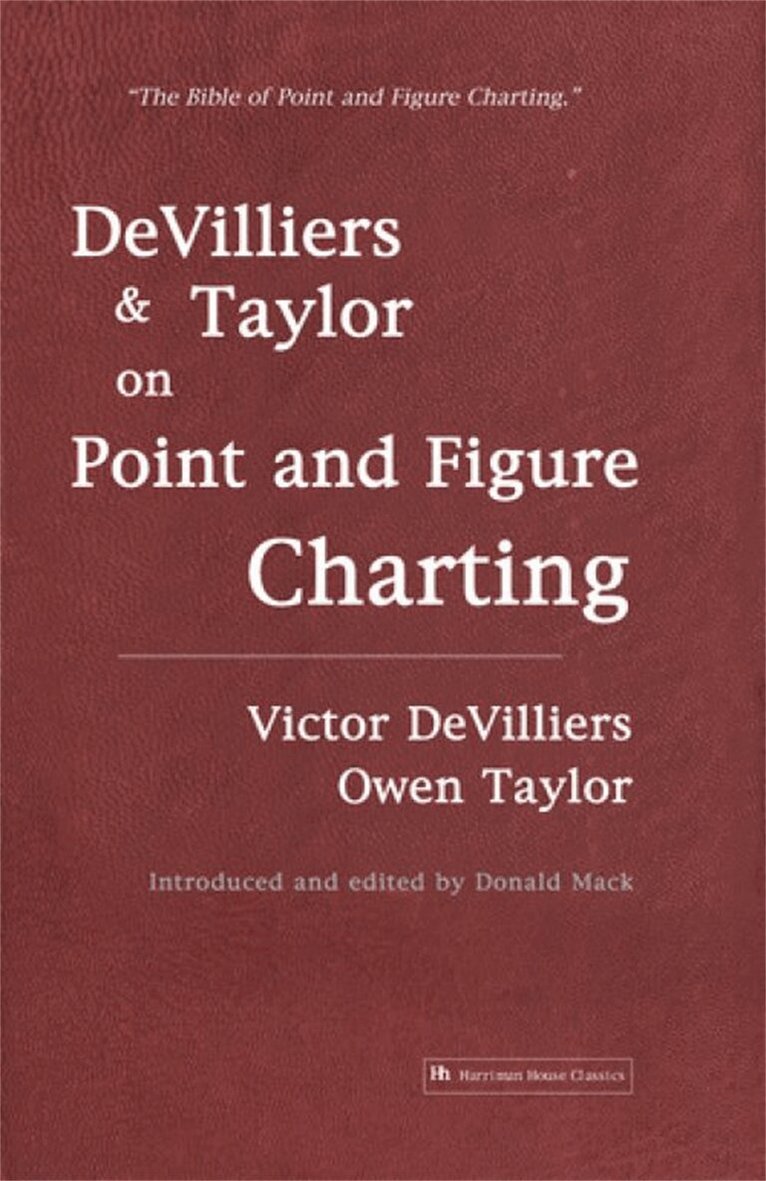
Little is known about the personal lives of each of these authors, but in surveying their other books and writings, a more informed picture emerges of their capabilities in their chosen field, stock and futures market analysis. From the quality and clearness of the writings in this and other of his works, it soon becomes apparent that Victor DeVilliers was not only very knowledgeable on the markets but he had the uncommon talent to put it into written words. (Most market authors are generally better traders and investors than writers.) On the other hand Owen Taylor was certainly extremely capable, being more the expert on the technical aspects of market analysis, something easily ascertainable from the Technical Analysis subjects that he presented in his own books and booklets.It is to the credit of both authors that they recognized just how valuable to investors and traders the Point and Figure method could be and that they saw fit to produce this fascinating work on a subject that in its essence is just putting small "Xs" on graph paper. But how to put them to graph paper and how to read their meanings is what can separate the trading and investing boys from the trading and investing men. Surveying all of the writings that have been published over the years, we find there have been and are a number of good, very good and excellent books on the Point and Figure methodology and its star attributes. However, every once in a while someone comes along and writes what is easily the seminal work, the finest on its particular subject. Some 65 years later we can attest to the fact that Victor DeVilliers and Owen Taylor rule the roost on their chosen subject with the two volumes republished here, which taken together, have to be considered the ultimate – "The Bible of Point and Figure Charting."