P. R. Laming - Böcker
Visar alla böcker från författaren P. R. Laming. Handla med fri frakt och snabb leverans.
2 produkter
2 produkter
699 kr
Skickas inom 7-10 vardagar
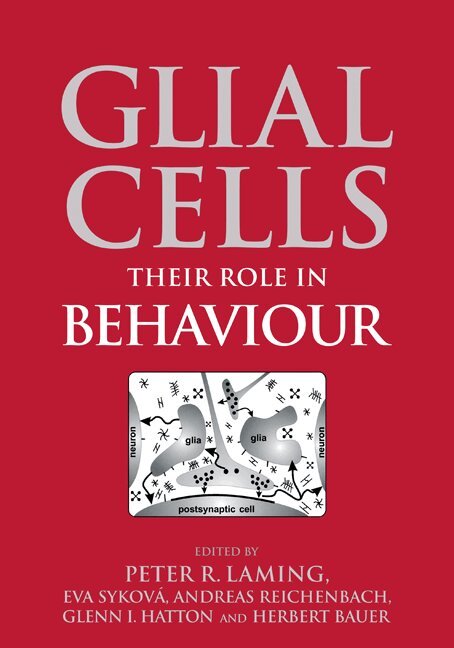
In mammals the glial (or glue) cells contribute some 50% of the volume of the brain. In contrast to the traditional view that they have a purely physically supportive role, research in the last three decades has shown that glia interact morphologically, biochemically and physiologically with neurons during changes in behaviour. The evidence suggests that glia may modulate neuronal activity and thereby influence behaviour. This 1998 book was the first to describe and discuss these neuronal-glial interactions in relation to behaviour. A distinguished set of authors discuss these interactions from a number of viewpoints, and the book will familiarise neuroscientists, zoologists, physiologists and psychologists with the new knowledge of how neurons and glial cells interact with each other to affect behaviour.
Del 9 - Society for Experimental Biology Seminar Series
Brain Mechanisms of Behaviour in Lower Vertebrates
Häftad, Engelska, 1981
521 kr
Skickas inom 7-10 vardagar
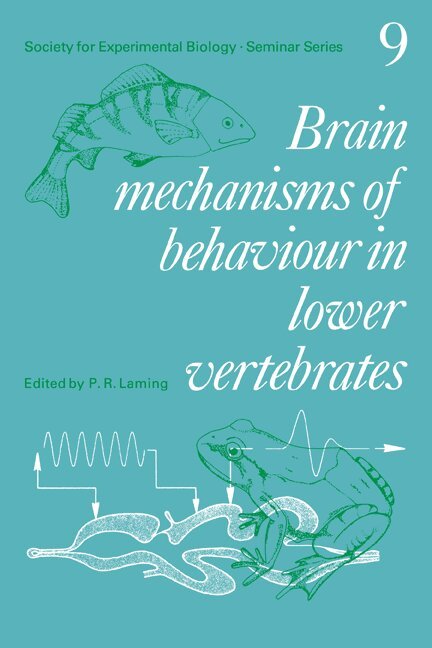
First published in 1981, this book is about how the brain controls the behaviour of lower vertebrates. It concentrates on teleosts and amphibians as these are the classes about which most is known. The literature dealing with mammalian brain mechanisms of behaviour is extensive and this book starts to fill the gaps in our knowledge of vertebrate brain behaviour so that the multidisciplinary, comparative approach will be better understood. The text deals with selected topics from five major areas of interest, commencing with the evolution of lower vertebrate brain structure in relation to function. Subsequent sections look at the way sensory information is processed, how sleep, arousal and wakefulness and the level of attention and appetite in lower vertebrates are studies and, finally, how experience may modify the behaviour of these animals. The book combines an introduction to comparative neurothology with specialised topics in which advances have been made. The book will interest students and research workers in neurobiology and animal behaviour.