Pamela Bright - Böcker
Visar alla böcker från författaren Pamela Bright. Handla med fri frakt och snabb leverans.
5 produkter
5 produkter
1 344 kr
Skickas inom 10-15 vardagar
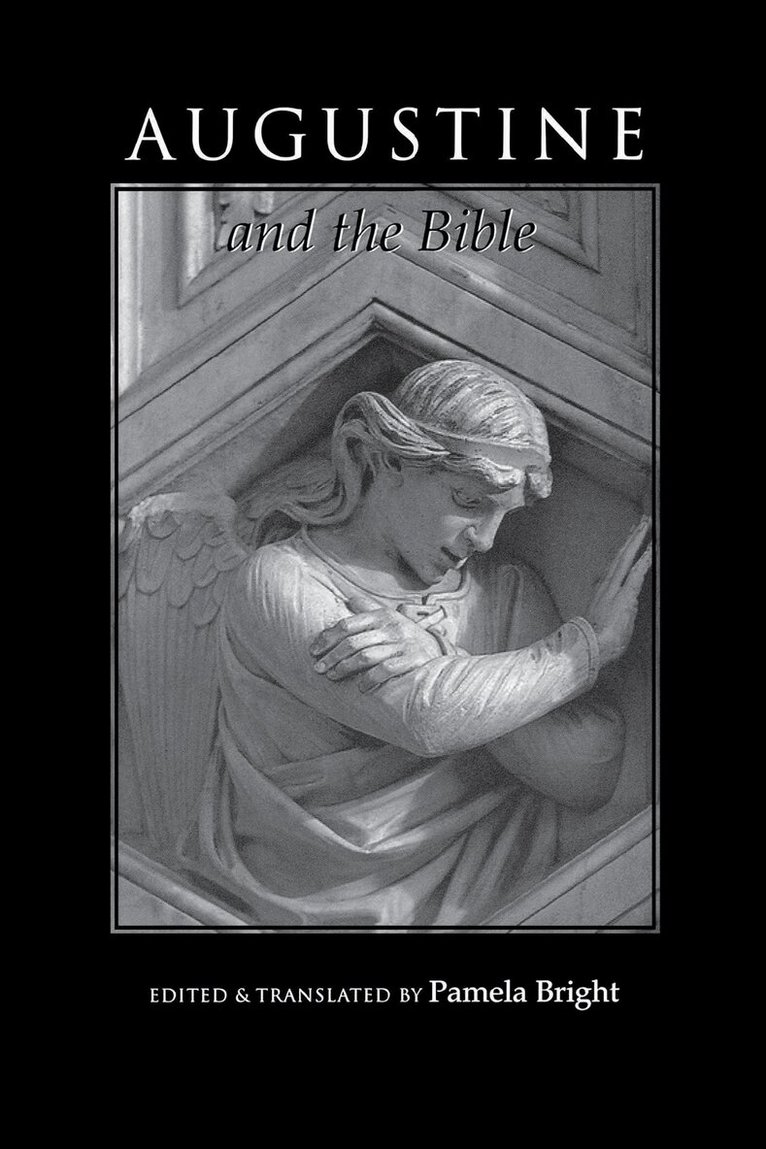
Based on the acclaimed French volume Saint Augustin et la Bible, this translation with additional selections honors the beautifully wrought monument to the scholarly research of Anne-Marie la Bonnardière and her colleagues. Editor Pamela Bright offers the first English-language edition of this volume in the highly regarded series Bible de Tous les Temps, published by Beauchesne Editeur in Paris. This volume presents the findings of eminent scholars on the Bible in Augustine's letters, in his preaching, in polemics, in the City of God, and as a source for Christian ethics, following the chronological order of Augustine's works from the mid-380s to just before his death in 430. Part I examines what can be known of the stages of Augustine's encounter with the biblical texts and which texts were formative for him before he assumed his ministry of the Word. Part II is devoted to a very different kind of encounter—Augustine's grappling with the hermeneutical method originating in the province of Africa. Part III describes Augustine's first foray into the field of biblical polemics when he opposes the Manichees, the very group who first introduced him to a study of the "obscurities" of the biblical text. And in Part IV, the reader encounters the most familiar voice of Augustine—that of the tireless preacher of the Word.Contributors include: Anne-Marie la Bonnardière, Mark Vessey, Michael Cameron, Pamela Bright, Robert A. Kugler, Charles Kannengiesser, Roland J. Teske, S.J., Gerald Bonner, Joseph Wolinski, Michel Albaric, O.P., Constance E. McLeese, and Albert Verwilghen.
475 kr
Skickas inom 10-15 vardagar
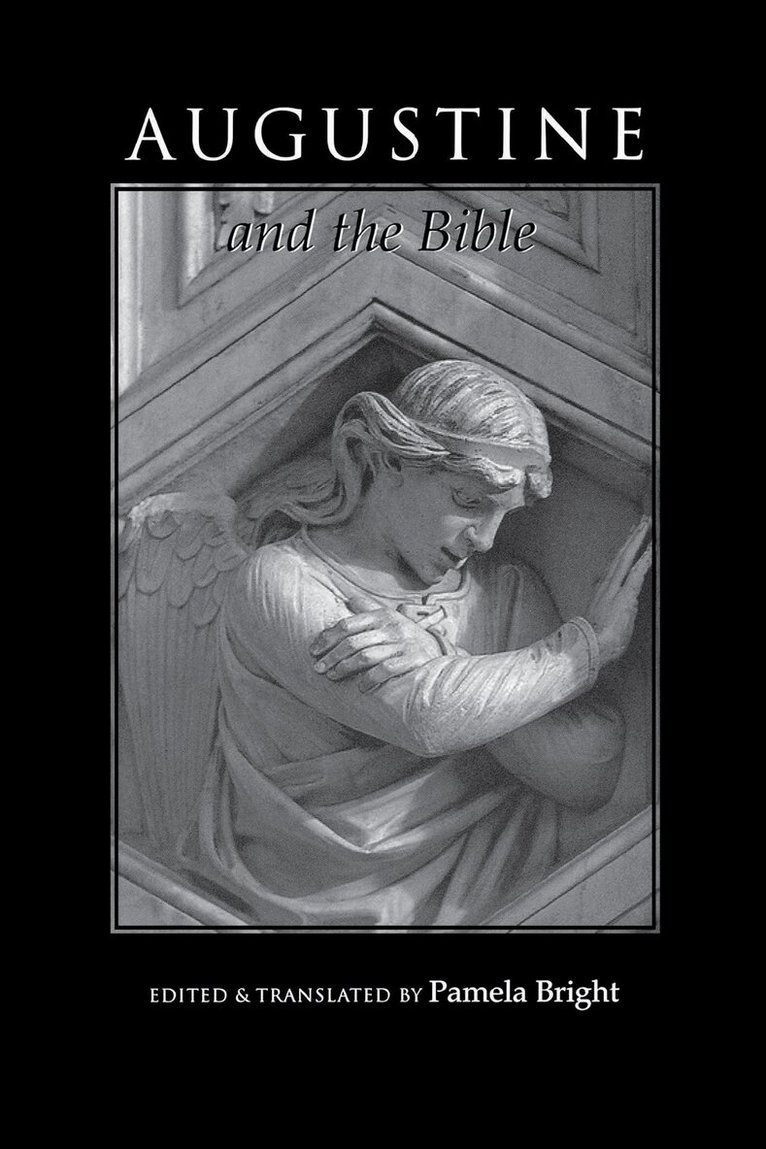
Based on the acclaimed French volume Saint Augustin et la Bible, this translation with additional selections honors the beautifully wrought monument to the scholarly research of Anne-Marie la Bonnardière and her colleagues. Editor Pamela Bright offers the first English-language edition of this volume in the highly regarded series Bible de Tous les Temps, published by Beauchesne Editeur in Paris. This volume presents the findings of eminent scholars on the Bible in Augustine's letters, in his preaching, in polemics, in the City of God, and as a source for Christian ethics, following the chronological order of Augustine's works from the mid-380s to just before his death in 430. Part I examines what can be known of the stages of Augustine's encounter with the biblical texts and which texts were formative for him before he assumed his ministry of the Word. Part II is devoted to a very different kind of encounter—Augustine's grappling with the hermeneutical method originating in the province of Africa. Part III describes Augustine's first foray into the field of biblical polemics when he opposes the Manichees, the very group who first introduced him to a study of the "obscurities" of the biblical text. And in Part IV, the reader encounters the most familiar voice of Augustine—that of the tireless preacher of the Word.Contributors include: Anne-Marie la Bonnardière, Mark Vessey, Michael Cameron, Pamela Bright, Robert A. Kugler, Charles Kannengiesser, Roland J. Teske, S.J., Gerald Bonner, Joseph Wolinski, Michel Albaric, O.P., Constance E. McLeese, and Albert Verwilghen.
562 kr
Skickas inom 10-15 vardagar
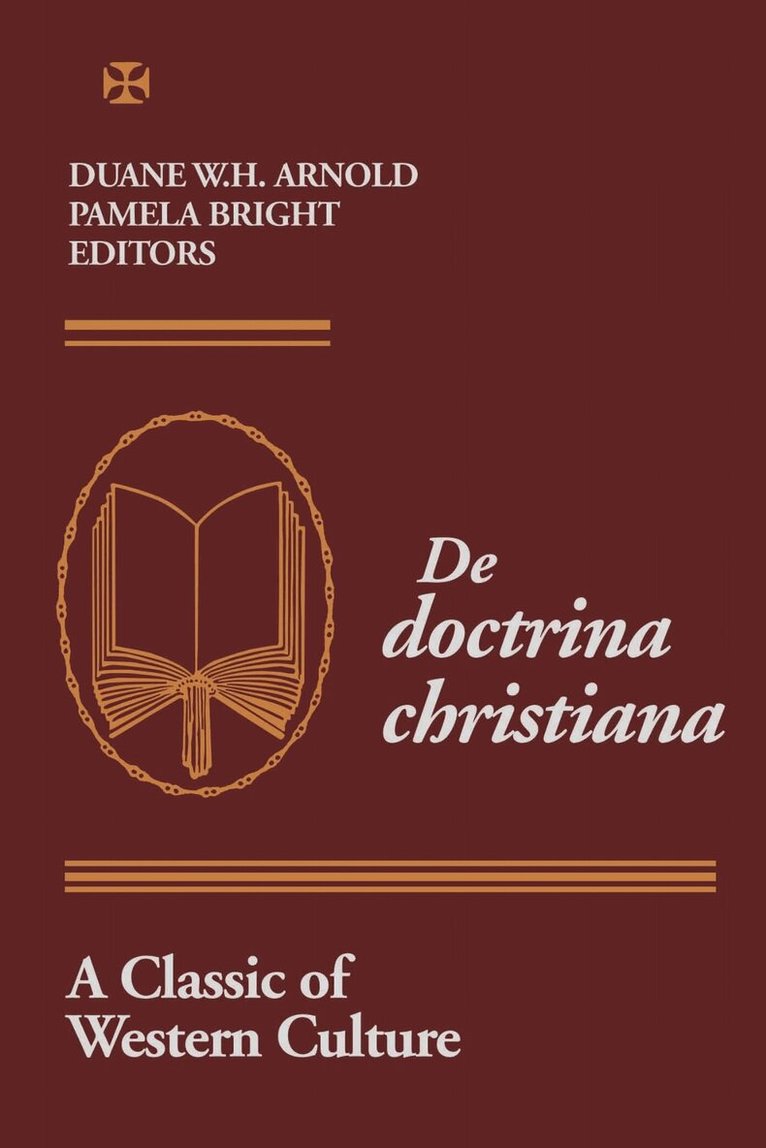
This volume is the result of an international conference held at the University of Notre Dame in 1991 in which leading scholars, classicists, medievalists, theologians, philologists, rhetoricians, literary critics, and philosophers-gathered to focus on one of the most remarkable and influential books of late antiquity, Augustine's De doctrina christiana.Contributors to this volume place the historical setting of De doctrina christiana within the context of contemporary scholarship and explore in detail its theological meaning and impact on western culture and Christian education. The essays cover the entire field of current Augustinian studies starting with the historic setting of late antiquity in which De doctrina christiana was written. They then examine the work itself, its literary structure and interpretive and theological significance, how it was received by later patristic writers, and how it has been used as an authoritative source in contemporary times. An extensive bibliography facilitates further study.Contributors: Duane W. H. Arnold, Lewis Ayres, William S. Babcock, Pamela Bright, J. Patout Burns, John C. Cavadini, David Dawson, Charles Kannengiesser, Takeshi Kato, R. A Markus, Cyril O'Regan, Adolf Primmer, Christoph Schäublin, Kenneth B. Steinhauser, Leo Sweeney, Roland J. Teske, and Frederick Van Fleteren.
1 077 kr
Skickas inom 10-15 vardagar
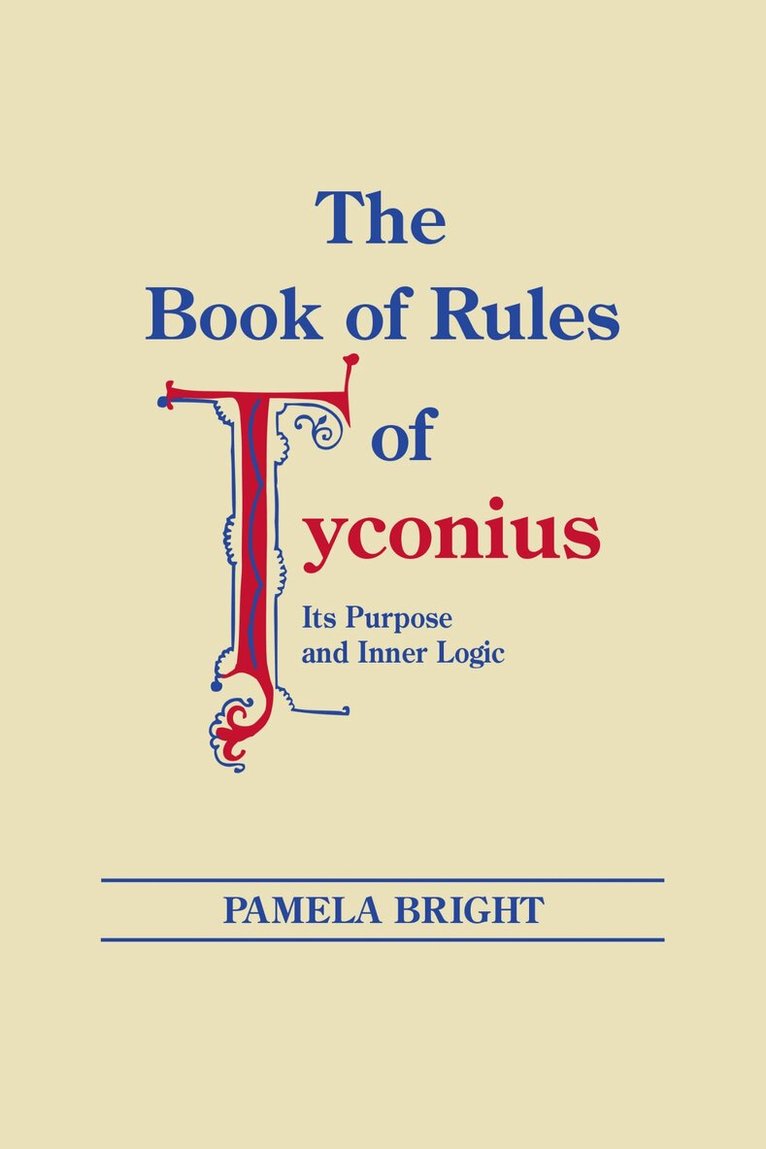
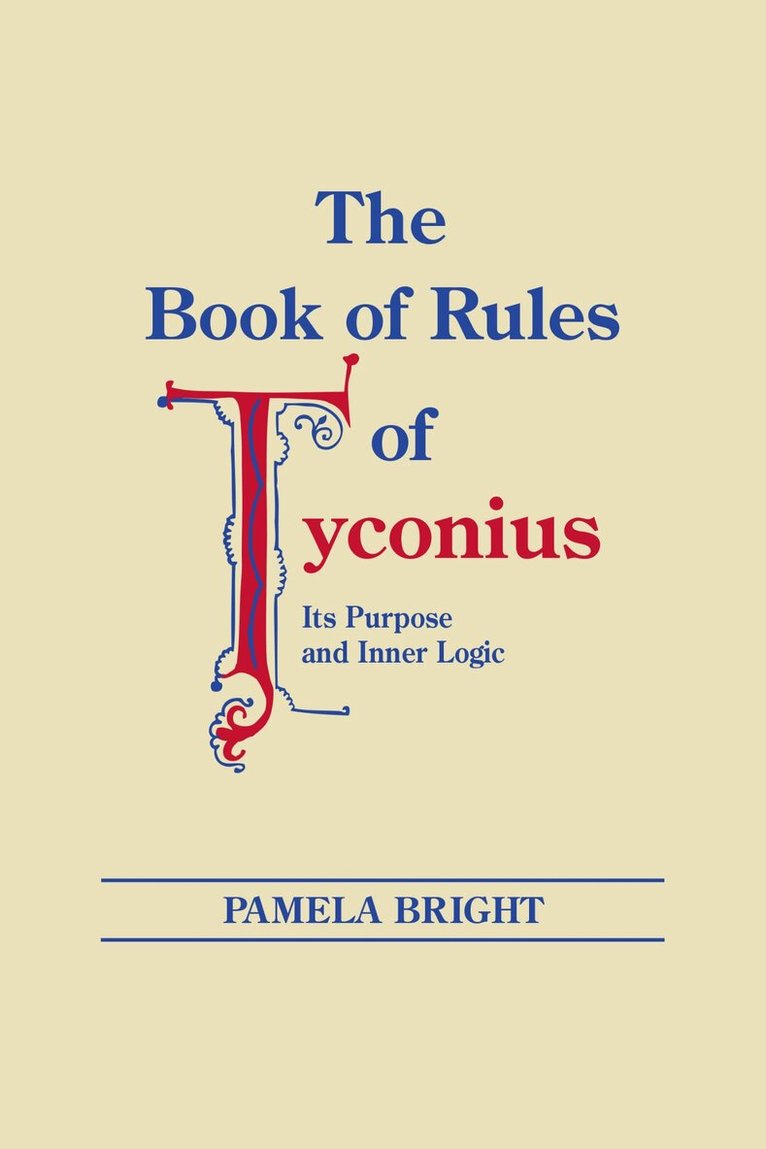
The Liber Regularum, written by Tyconius in the Fourth Century A.D., was the first system of biblical interpretation proposed by a Latin theologian. Augustine was very interested in this work and included an extraordinary summation of it in his De doctrina christiana. Although this treatment insured the preservation of the work and its lasting fame, Augustine's summary became better known than the original. Pamela Bright's The Book of Rules of Tyconius: Its Purpose and Inner Logic reintroduces this neglected classic of early church literature. Bright asserts that although Augustine was greatly influenced by the Liber Regularum, his philosophical differences caused him to misunderstand its meaning. Bright reexamines the meaning of "prophecy" and "rule" from Tyconius's perspective and reveals that the purpose of the book was not to provide a general guide to scriptural interpretation, but rather a way to interpret apocalyptic texts. She cites Tyconius's intense concern with evil in the church as the genesis of his interest in the apocalypse and subsequently the meaning of the scripture concerning it. Tyconius speaks of the "seven mystical rules" of scripture that with the grace of the Holy Spirit reveal the true meaning of prophecy. If an interpreter follows the "logic" of these rules, the nature of the church as composed by both good and evil membership is revealed. Bright argues that Tyconius was not illogical or incompetent in the work's composition as many critics have claimed but rather that he organized his material in a concentric pattern so that Rule Four, the center of the seven rules, is also the central development of his theory. Of interest to theologians, students of biblical interpretation and of Augustine, The Book of Rules of Tyconius focuses attention upon a work that had great influence on the understanding of the nature of the church, on interpreting scripture, and its meaning for the Church of its day.
422 kr
Skickas inom 10-15 vardagar
The Liber Regularum, written by Tyconius in the Fourth Century A.D., was the first system of biblical interpretation proposed by a Latin theologian. Augustine was very interested in this work and included an extraordinary summation of it in his De doctrina christiana. Although this treatment insured the preservation of the work and its lasting fame, Augustine's summary became better known than the original. Pamela Bright's The Book of Rules of Tyconius: Its Purpose and Inner Logic reintroduces this neglected classic of early church literature. Bright asserts that although Augustine was greatly influenced by the Liber Regularum, his philosophical differences caused him to misunderstand its meaning. Bright reexamines the meaning of "prophecy" and "rule" from Tyconius's perspective and reveals that the purpose of the book was not to provide a general guide to scriptural interpretation, but rather a way to interpret apocalyptic texts. She cites Tyconius's intense concern with evil in the church as the genesis of his interest in the apocalypse and subsequently the meaning of the scripture concerning it. Tyconius speaks of the "seven mystical rules" of scripture that with the grace of the Holy Spirit reveal the true meaning of prophecy. If an interpreter follows the "logic" of these rules, the nature of the church as composed by both good and evil membership is revealed. Bright argues that Tyconius was not illogical or incompetent in the work's composition as many critics have claimed but rather that he organized his material in a concentric pattern so that Rule Four, the center of the seven rules, is also the central development of his theory. Of interest to theologians, students of biblical interpretation and of Augustine, The Book of Rules of Tyconius focuses attention upon a work that had great influence on the understanding of the nature of the church, on interpreting scripture, and its meaning for the Church of its day.