Paola Voci - Böcker
Visar alla böcker från författaren Paola Voci. Handla med fri frakt och snabb leverans.
4 produkter
4 produkter
641 kr
Skickas inom 10-15 vardagar
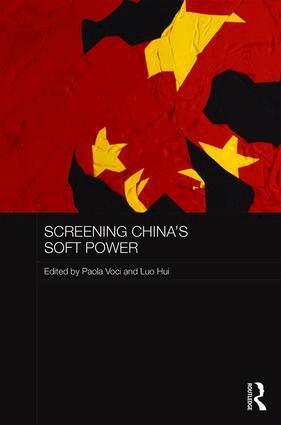
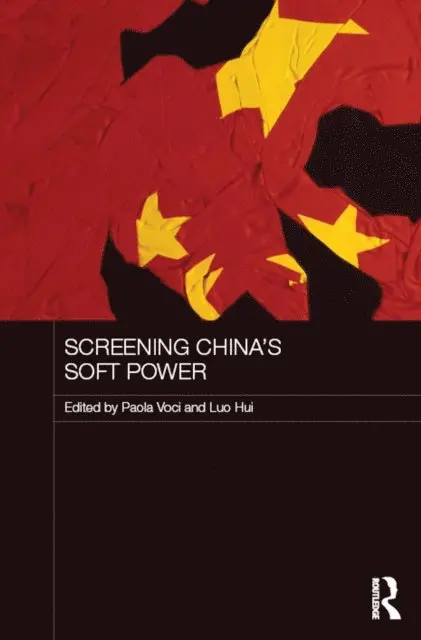
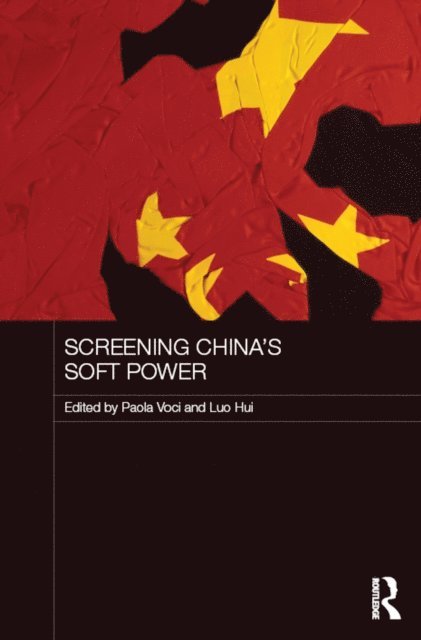
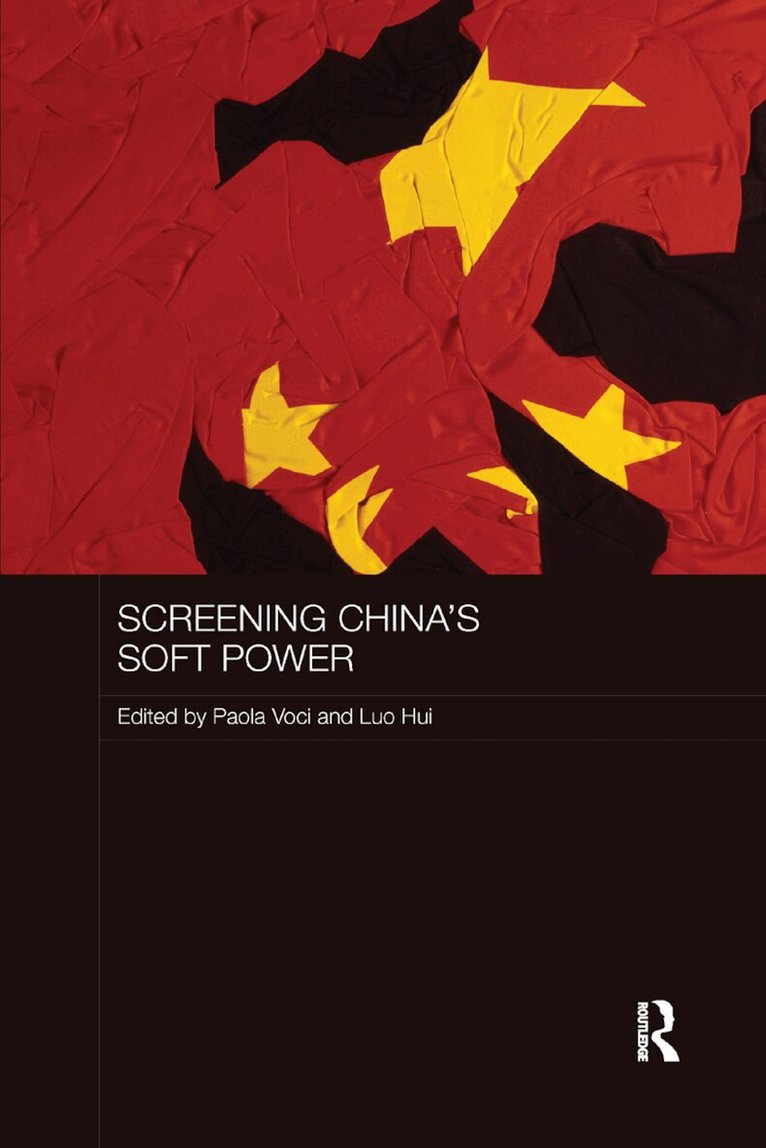
Promoting China's cultural soft power by disseminating modern Chinese values is one of the policies of President Xi Jinping. Although, it is usually understood as a top-down initiative, implemented willingly or unwillingly by writers, filmmakers, artists, and so on, and often manifesting itself in clumsy and awkward ways, for example, the concept of "the Chinese dream," intended to rival and perhaps appeal more strongly than "the American dream," modern Chinese values are in fact put forward in many ways by many different cultural actors. Through analyses of film festivals, CCTV, Confucius Institutes, auteurs, blockbusters, reality TV, and online digital cultures, this book exposes the limitations of China's officially promoted soft power in both conception and practice, and proposes a pluralistic approach to understanding Chinese soft power in local, regional, and transnational contexts. As such, the book demonstrates the limitations of existing theories of soft power, and argues that the US-derived concept of soft power can benefit from being examined from a China perspective.
2 167 kr
Skickas inom 10-15 vardagar
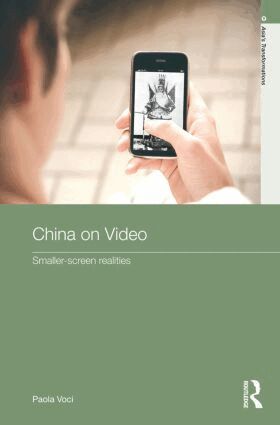
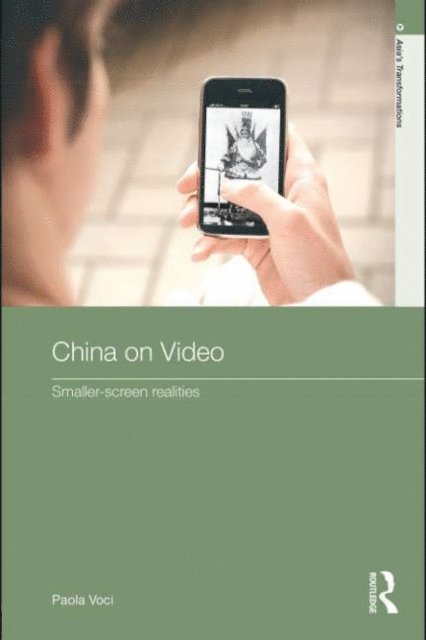
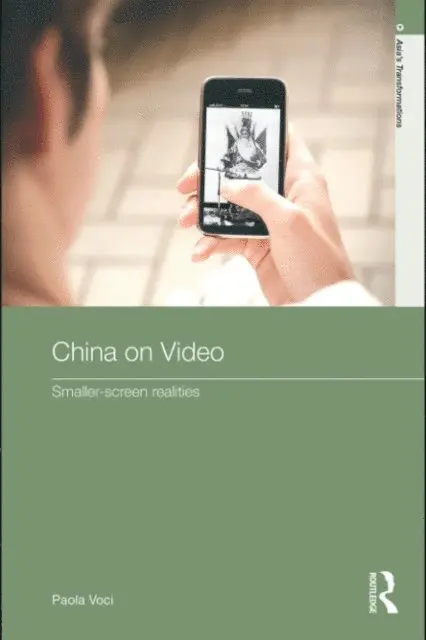
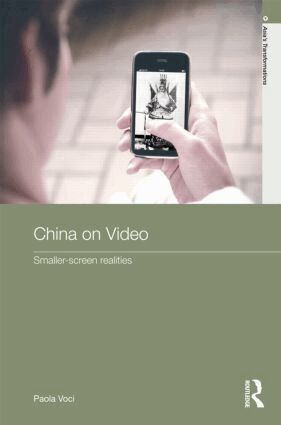
China On Video is the first in-depth study that examines smaller-screen realities and the important role they play not only in the fast-changing Chinese mediascape, but also more broadly in the practice of experimental and non-mainstream cinema. At the crossroads of several disciplines—film, media, new media, media anthropology, visual arts, contemporary China area studies, and cultural studies--this book reveals the existence of a creative, humorous, but also socially and politically critical "China on video", which locates itself outside of the intellectual discourse surrounding both auteur cinema and digital art. By describing smaller-screen movies, moviemaking and viewing as light realities, Voci points to their "insignificant" weight in terms of production costs, distribution size, profit gains, intellectual or artistic ambitions, but also their deep meaning in defining an alternative way of seeing and understanding the world. The author proposes that lightness is a concept that can usefully be deployed to describe the moving image, beyond the specificity of recent new media developments and which can, in fact, help us rethink previous cinematic practices in broad terms both spatially and temporally.
668 kr
Skickas inom 10-15 vardagar
China On Video is the first in-depth study that examines smaller-screen realities and the important role they play not only in the fast-changing Chinese mediascape, but also more broadly in the practice of experimental and non-mainstream cinema. At the crossroads of several disciplines—film, media, new media, media anthropology, visual arts, contemporary China area studies, and cultural studies--this book reveals the existence of a creative, humorous, but also socially and politically critical "China on video", which locates itself outside of the intellectual discourse surrounding both auteur cinema and digital art. By describing smaller-screen movies, moviemaking and viewing as light realities, Voci points to their "insignificant" weight in terms of production costs, distribution size, profit gains, intellectual or artistic ambitions, but also their deep meaning in defining an alternative way of seeing and understanding the world. The author proposes that lightness is a concept that can usefully be deployed to describe the moving image, beyond the specificity of recent new media developments and which can, in fact, help us rethink previous cinematic practices in broad terms both spatially and temporally.
2 032 kr
Skickas inom 10-15 vardagar
Promoting China's cultural soft power by disseminating modern Chinese values is one of the policies of President Xi Jinping. Although, it is usually understood as a top-down initiative, implemented willingly or unwillingly by writers, filmmakers, artists, and so on, and often manifesting itself in clumsy and awkward ways, for example, the concept of "the Chinese dream," intended to rival and perhaps appeal more strongly than "the American dream," modern Chinese values are in fact put forward in many ways by many different cultural actors. Through analyses of film festivals, CCTV, Confucius Institutes, auteurs, blockbusters, reality TV, and online digital cultures, this book exposes the limitations of China's officially promoted soft power in both conception and practice, and proposes a pluralistic approach to understanding Chinese soft power in local, regional, and transnational contexts. As such, the book demonstrates the limitations of existing theories of soft power, and argues that the US-derived concept of soft power can benefit from being examined from a China perspective.