Pat Shipman – författare
Visar alla böcker från författaren Pat Shipman. Handla med fri frakt och snabb leverans.
16 produkter
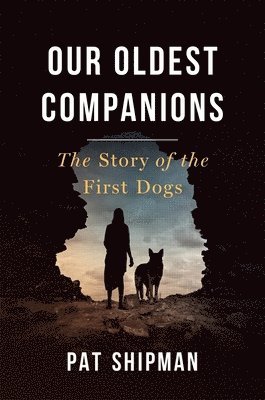
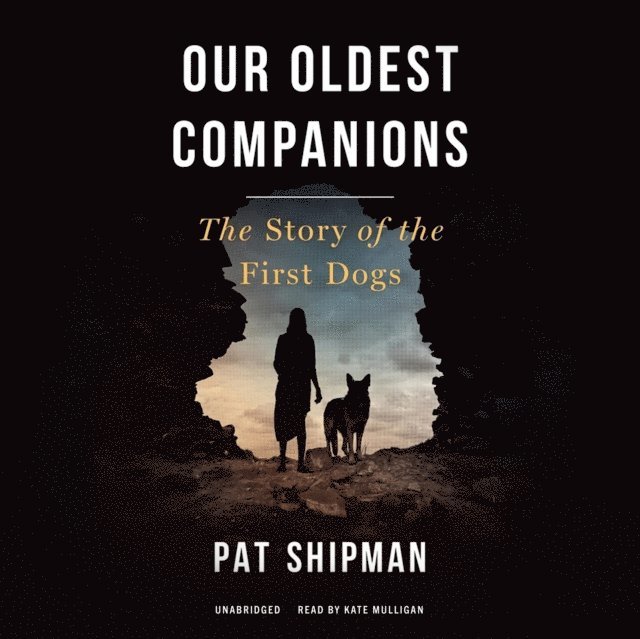
Our Oldest Companions
The Story of the First Dogs
Av Pat Shipman
Inbunden, 2021
229 kr
Lägg i varukorg
How did the dog become man’s best friend? A celebrated anthropologist unearths the mysterious origins of the unique partnership that rewrote the history of both species.Dogs and humans have been inseparable for more than 40,000 years. The relationship has proved to be a pivotal development in our …
To the Heart of the Nile: Lady Florence Baker and the Exploration of Central Africa
Av Pat Shipman
Häftad, 2004
335 kr
Lägg i varukorg
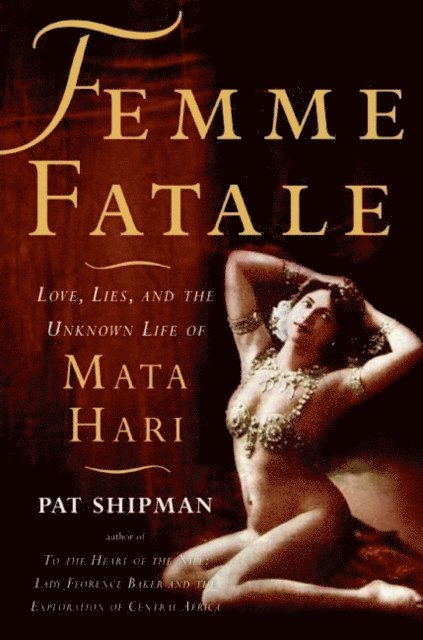
Femme Fatale
Love, Lies, and the Unknown Life of Mata Hari
Av Pat Shipman
Häftad, 2008
246 kr
Lägg i varukorg
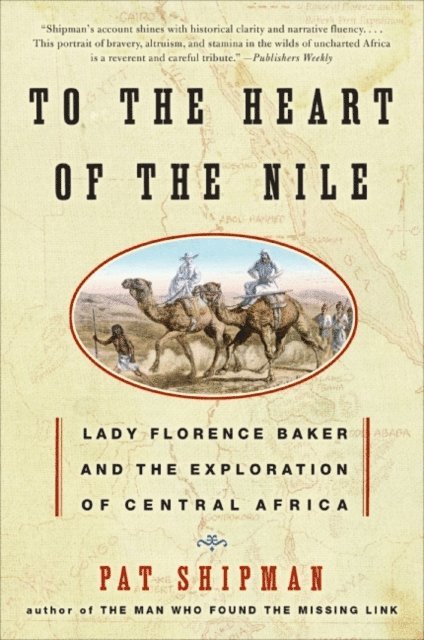
To the Heart of the Nile
Lady Florence Baker and the Exploration of Central Africa
Av Pat Shipman
E-bok, 2009
159 kr
Lägg i varukorg
In 1859, at age fourteen, Florence Szász stood before a room full of men and waited to be auctioned to the highest bidder. But slavery and submission were not to be her destiny: Sam Baker, a wealthy English gentleman and eminent adventurer, was moved by compassion and an immediate, overpowering …
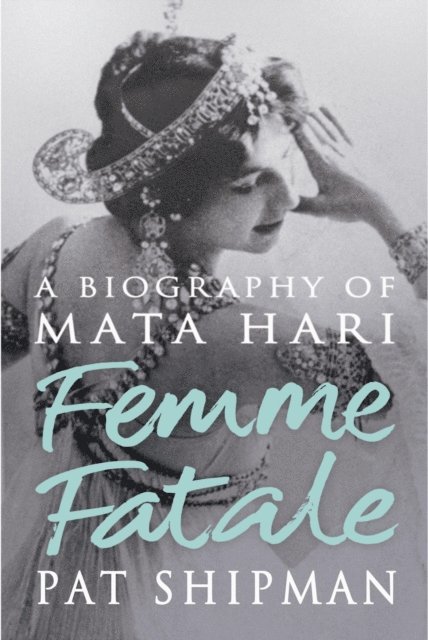
Femme Fatale
Love, Lies, and the Unknown Life of Mata Hari
Av Pat Shipman
E-bok, 2023
22 kr
Lägg i varukorg
"An engrossing biography" of the Dutch exotic dancer accused of being a spy for the Germans during World War I.In 1917, the notorious Oriental dancer Mata Hari was arrested on the charge of espionage; less than one year later, she was tried and executed, charged with the deaths of at least 50,000 …
Femme Fatale
Love, Lies And The Unknown Life Of Mata Hari
Av Pat Shipman
E-bok, 2011
51 kr
Lägg i varukorg
Biography of the most infamous woman of the early 20th century, the Dutch courtesan and alleged spy Margaretha Zelle (1876-1917), - Mata Hari Mata Hari was the prototype of the beautiful but unscrupulous female agent who used sexual allure to gain access to secrets, if she was indeed a spy. In …
Ape in the Tree
An Intellectual and Natural History of Proconsul
Inbunden, 2005
417 kr
Lägg i varukorg
This book offers a unique insider's perspective on the unfolding discovery of a crucial link in our evolution: Proconsul, a fossil ape named whimsically after a performing chimpanzee called Consul. The Ape in the Tree is written in the voice of Alan Walker, whose involvement with Proconsul began …
Our Oldest Companions
The Story of the First Dogs
Av Pat Shipman
Häftad, 2023
169 kr
Lägg i varukorg
“A lively tale of dog domestication and migration.”—Nature“When, where, and how did the partnership between dogs and humans begin? Was it an accident? Was it inevitable?…A tour de force drawing together under one proverbial roof what science can tell us to date.”—Wendy Williams, author of The …
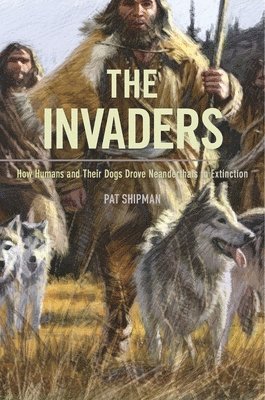
Invaders
How Humans and Their Dogs Drove Neanderthals to Extinction
Av Pat Shipman
Häftad, 2017
210 kr
Lägg i varukorg
A Times Higher Education Book of the WeekApproximately 200,000 years ago, as modern humans began to radiate out from their evolutionary birthplace in Africa, Neanderthals were already thriving in Europe—descendants of a much earlier migration of the African genus Homo. But when modern humans …
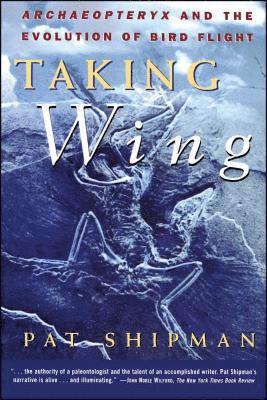
Taking Wing
Archaeopteryx and the Evolution of Bird Flight
Av Pat Shipman
Häftad, 1999
306 kr
Lägg i varukorg
In 1861, just a few years after the publication of Charles Darwin's On the Origin of Species, a scientist named Hermann von Meyer made an amazing discovery. Hidden in the Bavarian region of Germany was a fossil skeleton so exquisitely preserved that its wings and feathers were as obvious as its …
Our Oldest Companions
The Story of the First Dogs
Av Pat Shipman
Ljudbok, 2022
253 kr
Lägg i varukorg
How did the dog become man’s best friend? A celebrated anthropologist unearths the mysterious origins of the unique partnership that rewrote the history of both species. Dogs and humans have been inseparable for more than 40,000 years. The relationship has proved to be a pivotal development in our …
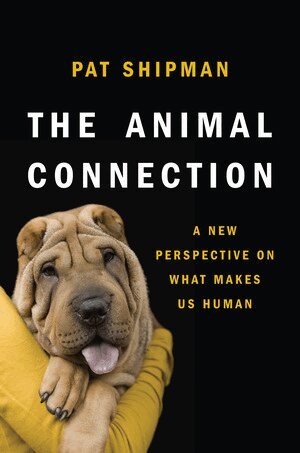
Animal Connection
A New Perspective on What Makes Us Human
Av Pat Shipman
Inbunden, 2011
216 kr
Tillfälligt slut
Why do humans all over the world take in and nurture other animals? This behavior might seem maladaptive—after all, every mouthful given to another species is one that you cannot eat—but in this heartening new study, acclaimed anthropologist Pat Shipman reveals that our propensity to domesticate …