Patricia Herlihy - Böcker
Visar alla böcker från författaren Patricia Herlihy. Handla med fri frakt och snabb leverans.
5 produkter
5 produkter
966 kr
Skickas inom 5-8 vardagar
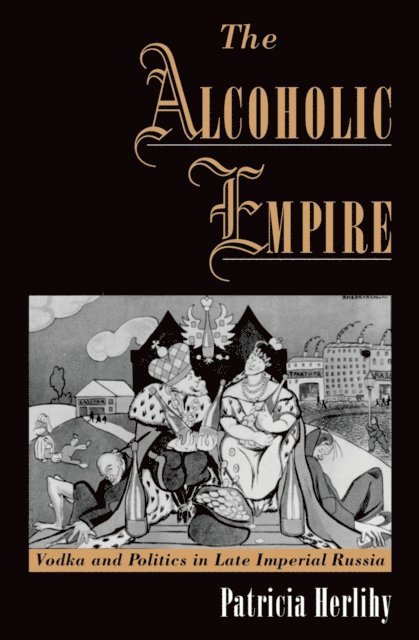
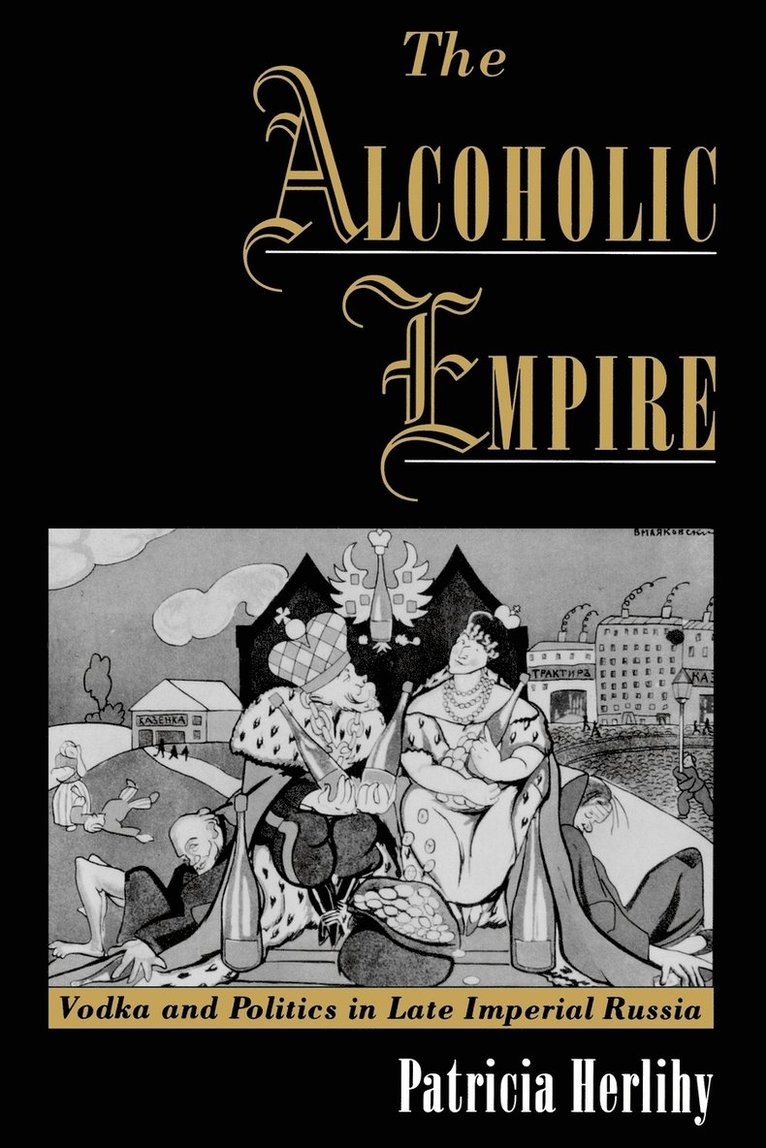
The Alcoholic Empire examines the prevalance of alcohol in Russian social, economic, religious, and political life. Herlihy looks at how the state, the church, the military, doctors, lay societies, and the czar all tried to battle the problem of overconsumption of alcohol in the late imperial period. Since vodka produced essential government revenue and was a backbone of the state economy, many who fought for a sober Russia believed that the only way to save the country was through Revolutionary change. This book traces temperance activity and politics side by side with the end of the tsarist regime, while showing how the problem of alcoholism continued to pervade Soviet and post-Soviet society. Illustrated by timeless and incisive sayings about the Russian love of vodka and by poster art and paintings, this book will appeal to Russian and European historians and those interested in temperance history.
478 kr
Skickas inom 5-8 vardagar
The Alcoholic Empire examines the prevalence of alcohol in Russian social, economic, religious, and political life. Herlihy looks at how the state, the church, the military, doctors, lay societies, and the czar all tried to battle the problem of overconsumption of alcohol in the late imperial period. Since vodka produced essential government revenue and was a backbone of the state economy, many who fought for a sober Russia believed that the only way to save the country through Revolutionary change. This book traces temperance activity and politics side by side with the end of the tsarist regime, while showing how the problem of alcohoism continued to pervade Soviet and post-Soviet society. Illustrated by timeless and incisive sayings about the Russian love of vodka and by poster art and paintings, this book will appeal to Russian and European historians and those interested in temperance history.
Del 31 - Harvard Ukrainian Research Institute Publications
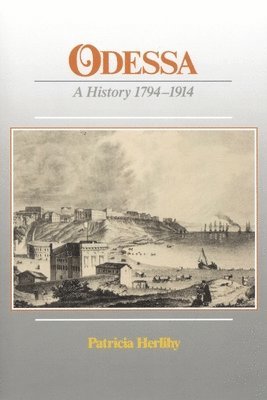
Odessa
A History, 1794–1914
Häftad, Engelska, 1991
283 kr
Skickas inom 10-15 vardagar
Odessa, one of the world's unique cities, was founded by Empress Catherine II in 1794 on the northern shore of the Black Sea. Settled close to the fertile Ukrainian steppe, Odessa soon became the Russian Empire's chief exporter of cereals to western Europe. Attracted by trade and the liberal policies of its early governors, Greeks, Italians, Jews, French, Armenians, and other nationalities immigrated to the city and the surrounding countryside. By the late nineteenth century Odessa was the most polyglot and cosmopolitan city in the empire. In the first decades of the twentieth century, however, strikes, revolutionary agitation, and pogroms brought about the city's decline.In this book Patricia Herlihy contrasts Odessa's rapid development during the nineteenth century with the growing tension within its society up to the First World War. Besides Ukrainian and Russian sources, she makes use of travel literature and consular reports, which offer an especially lively portrait of this bustling and turbulent port. The book is an important contribution not only to Ukrainian and Russian history, but also to the history of agricultural settlement, international commerce, urban expansion, and social life within a large and variegated nineteenth-century community.
500 kr
Skickas
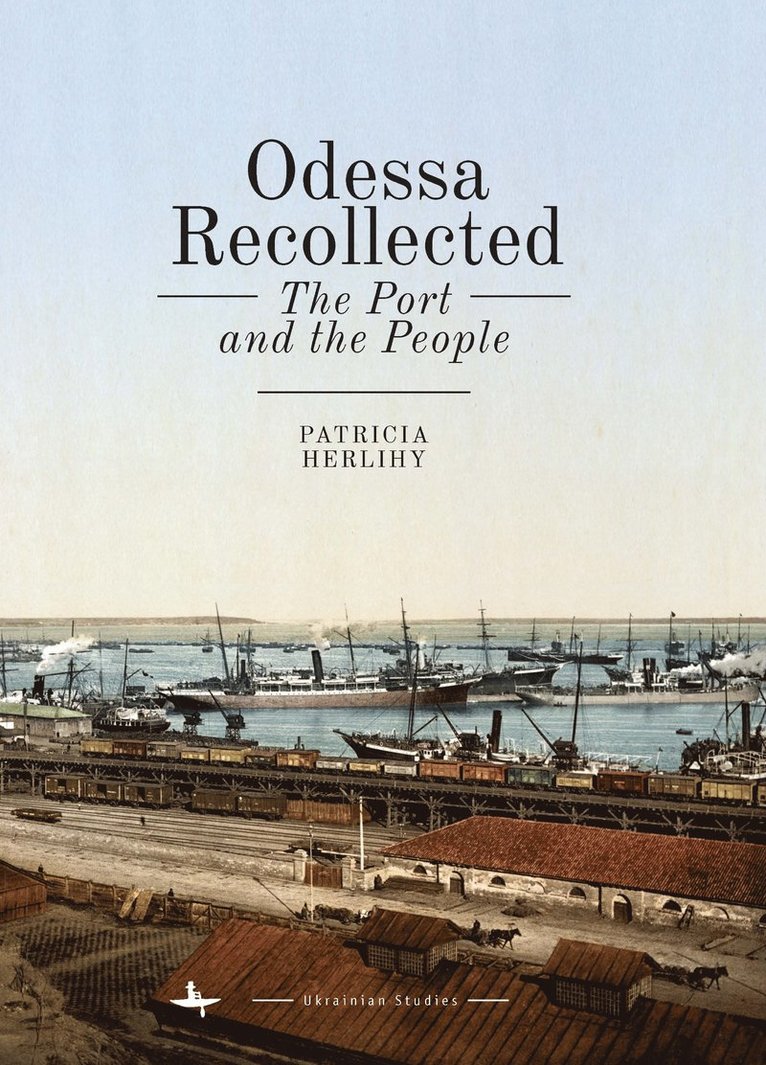
Odessa, a Black Sea port founded by Catherine the Great in 1794, shortly after the territory was wrested from the Ottoman Empire, became a boomtown on the southern fringe of the Russian Empire. Catherine and the early administrators of the city, such as the Duke de Richelieu, promoted settlement by Europeans in addition to the Greek, Italians, and Jews who came on their own initiative to take advantage of economic opportunities in the robust grain trade with Europe. More ethnically diverse by far than St. Petersburg, Odessa became a remarkable independent-minded, large cosmopolitan city, attracting and producing noted writers, artists, musicians and scholars.Imperial Russian tsars and Soviet leaders maintained an ambivalent attitude towards the maverick city, appreciating the fame and fortune it generated, but also leery of the activities of secret foreign national societies, pogromists, revolutionaries and simply the perceived lack of patriotism in the singular city so far away from the heart of Russia. With the withering of the lucrative grain trade by the time of the Soviet Union, Odessa became a neglected city, drained of its foreign flavor. With the independence of Ukraine in 1991, there were hopes raised that the architectural beauty and economic prospects of the city would be revived. Given the current hostilities in Eastern Ukraine with the potential of the Odessa area becoming a possible land bridge to the Crimean Peninsula, the fate of the former Pearl of the Black Sea hangs in suspension.The present book brings together—indeed, re-collects—some of the most valuable and thought-provoking research on Odessa and its culture, community, and economy published by Patricia Herlihy over several decades of her work. Scholars of Ukraine, Russia, and the former Soviet Union will find in this book a helpful resource for their research and teaching.
168 kr
Skickas
Vodka is the most versatile of spirits. While people in Eastern Europe and the Baltic often drink it neat, swallowing it in one gulp, others use it in cocktails – from the Bloody Mary to the vodka Martini – or mix it with tonic water or ginger beer to create a refreshing drink. Vodka manufacturers even infuse it with flavours ranging from lemon and strawberry to chocolate, bubble gum and bacon. Created by distilling fermented grains, potatoes or other vegetables, this colourless, flavourless and odourless liquor has been enjoyed by both the rich and the poor throughout its existence, but it has also endured many obstacles along its way to global popularity.This book takes us for a ride through vodka’s history, from its mysterious origins in a Slavic country in the fourteenth century to its current global popularity. On its way to world domination, vodka became ingrained in Eastern European culture, especially in Russia, where standards in vodka production were first set. It continued to flourish despite hurdles such as American Prohibition and being banned in Russia on the eve of the First World War (because of soldiers turning up for duty drunk). Vodka tells the story of how a humble drink became an international industry.