Patrick Major – författare
Visar alla böcker från författaren Patrick Major. Handla med fri frakt och snabb leverans.
11 produkter
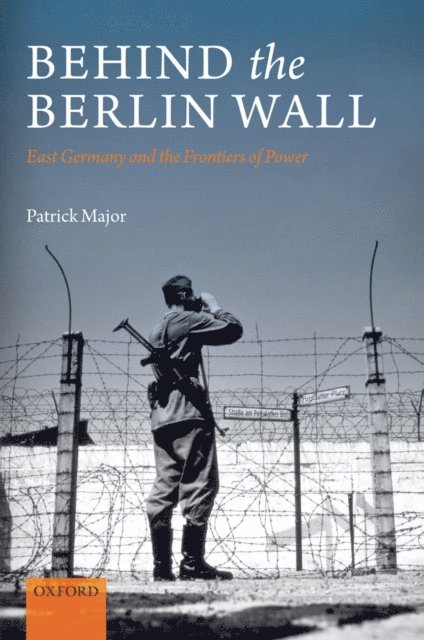
Behind the Berlin Wall
East Germany and the Frontiers of Power
E-bok, 2009
504 kr
Lägg i varukorg
Few historical changes occur literally overnight, but on 13 August 1961 eighteen million East Germans awoke to find themselves walled in by an edifice which was to become synonymous with the Cold War: the Berlin Wall.This new history rejects traditional, top-down approaches to Cold War politics, …
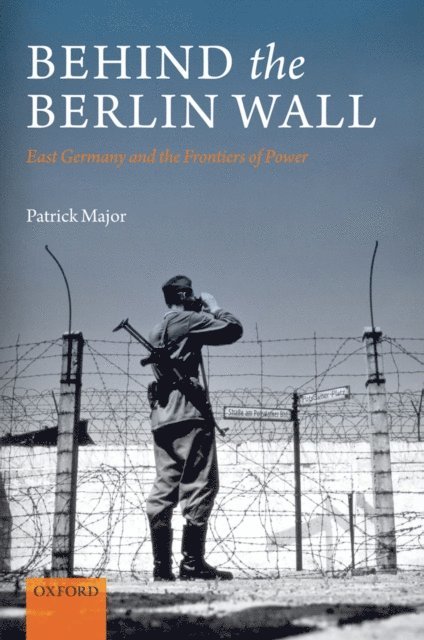
Behind the Berlin Wall
East Germany and the Frontiers of Power
E-bok, 2009
504 kr
Lägg i varukorg
Few historical changes occur literally overnight, but on 13 August 1961 eighteen million East Germans awoke to find themselves walled in by an edifice which was to become synonymous with the Cold War: the Berlin Wall.This new history rejects traditional, top-down approaches to Cold War politics, …
The Death of the KPD
Communism and Anti-Communism in West Germany, 1945-1956
Inbunden, 1998
3617 kr
Lägg i varukorg
Why was the West German Communist Party banned in 1956, only 11 years after it had emerged from Nazi persecution? Although politically weak, the postwar party was in fact larger than its Weimar predecessor and initially dominated works councils at the Ruhr pits and Hamburg docks, as well as the …
Behind the Berlin Wall
East Germany and the Frontiers of Power
Inbunden, 2009
2894 kr
Lägg i varukorg
Few historical changes occur literally overnight, but on 13 August 1961 eighteen million East Germans awoke to find themselves walled in by an edifice which was to become synonymous with the Cold War: the Berlin Wall. This new history rejects traditional, top-down approaches to Cold War politics, …
Behind the Berlin Wall
East Germany and the Frontiers of Power
Häftad, 2011
687 kr
Lägg i varukorg
Few historical changes occur literally overnight, but on 13 August 1961 eighteen million East Germans awoke to find themselves walled in by an edifice which was to become synonymous with the Cold War: the Berlin Wall. This new history rejects traditional, top-down approaches to Cold War politics, …
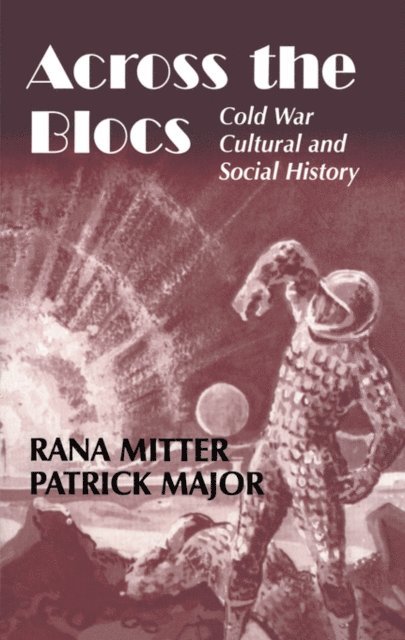
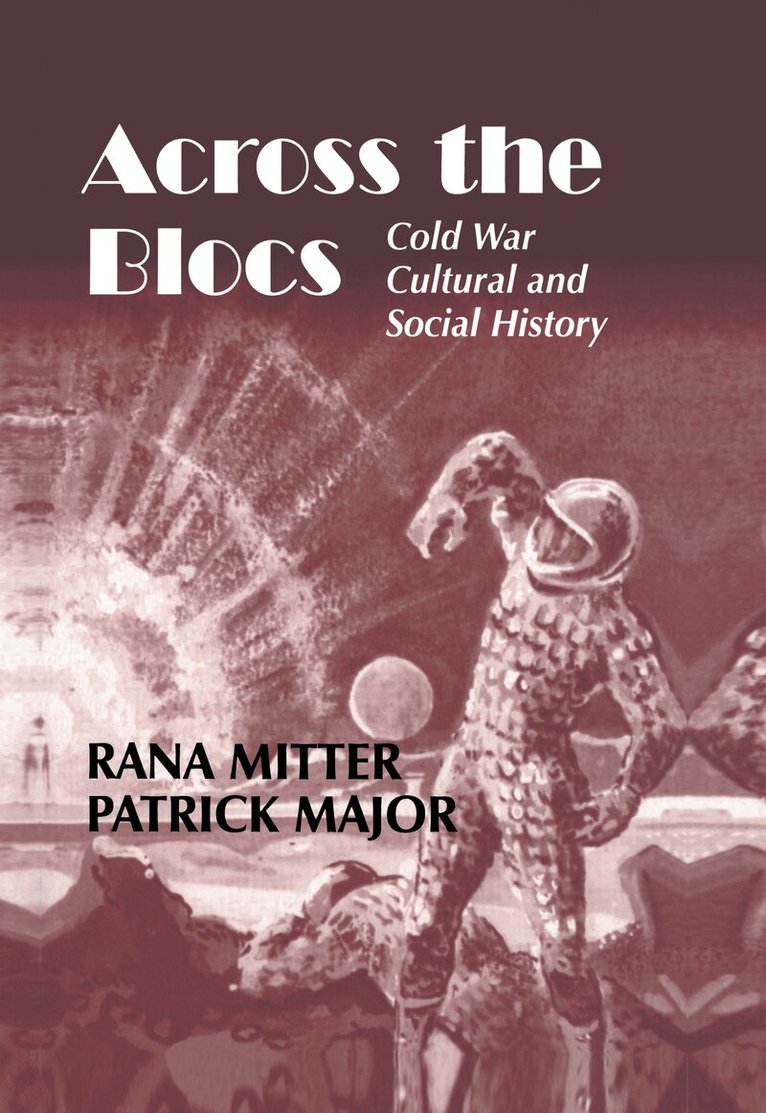
Across the Blocs
Exploring Comparative Cold War Cultural and Social History
Häftad, 2004
844 kr
Lägg i varukorg
This book asks the reader to reassess the Cold War not just as superpower conflict and high diplomacy, but as social and cultural history. It makes cross-cultural comparisons of the socio cultural aspects of the Cold War across the East/West block divide, dealing with issues including broadcasting, …
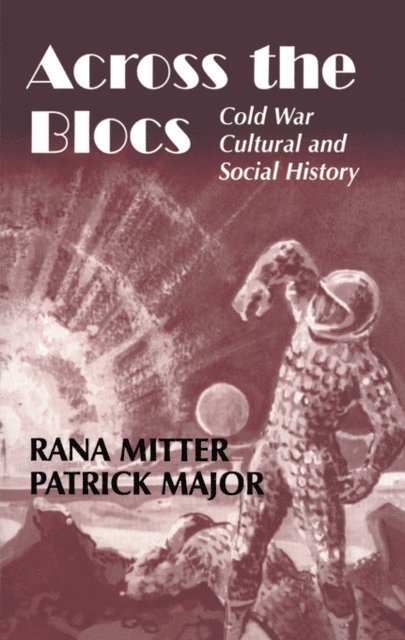
Across the Blocs
Exploring Comparative Cold War Cultural and Social History
E-bok, 2004
999 kr
Lägg i varukorg
This book asks the reader to reassess the Cold War not just as superpower conflict and high diplomacy, but as social and cultural history. It makes cross-cultural comparisons of the socio cultural aspects of the Cold War across the East/West block divide, dealing with issues including broadcasting, …
Across the Blocs
Exploring Comparative Cold War Cultural and Social History
E-bok, 2004
977 kr
Lägg i varukorg
This book asks the reader to reassess the Cold War not just as superpower conflict and high diplomacy, but as social and cultural history. It makes cross-cultural comparisons of the socio cultural aspects of the Cold War across the East/West block divide, dealing with issues including broadcasting, …
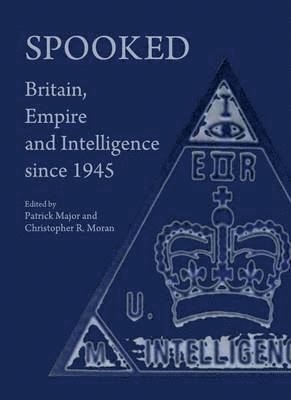
Spooked
Britain, Empire and Intelligence since 1945
Av Christopher R. Moran, Patrick Major m. fl.
Inbunden, 2010
1014 kr
Lägg i varukorg
In recent years the subject of intelligence has well and truly come out of the shadows. The terrorist attacks of 9/11 and 7/7, the wars in Iraq and Afghanistan, debates about domestic surveillance, secret detention and rendition have all brought unprecedented notoriety and exposure to the work of …
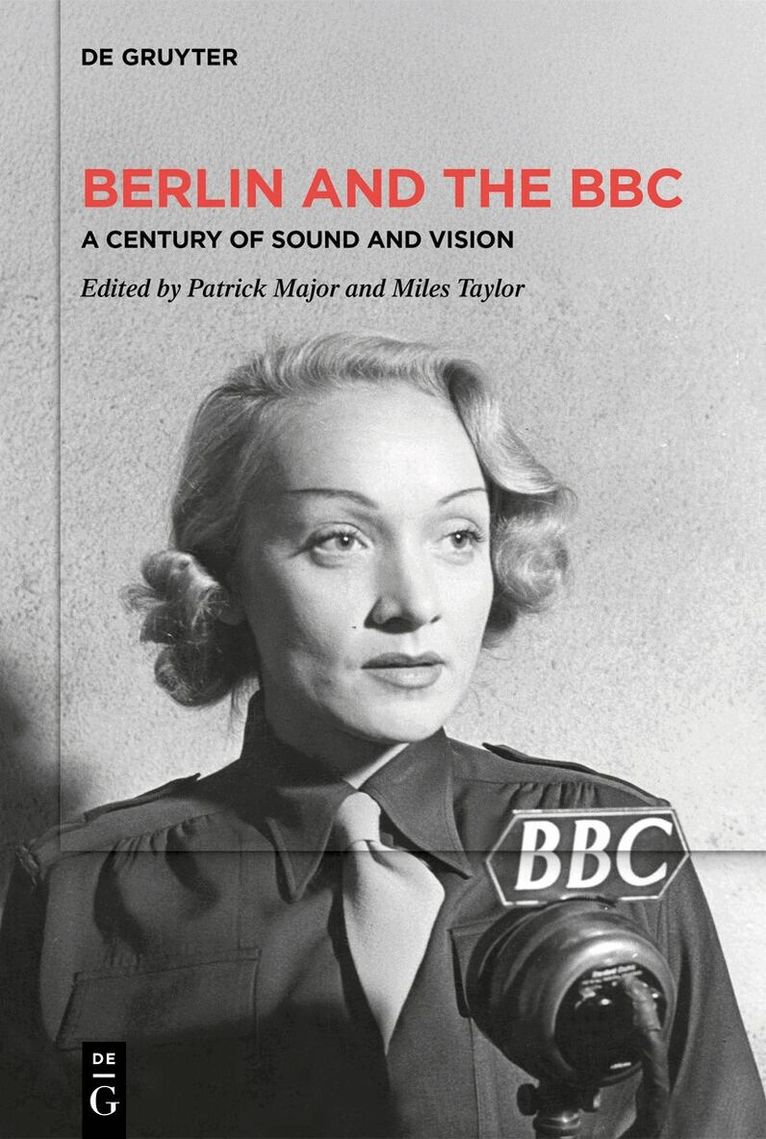
Berlin and the BBC
A Century of Sound and Vision
Av Patrick Major, Miles Taylor
Inbunden, 2026
624 kr
Lägg i varukorg
Founded in 1922, the BBC developed strong connections with Germany from the start, focused particularly on Berlin. The first Director-General of the BBC John Reith, wanted to broadcast ‘high’ culture to British radio audiences and often selected Berlin orchestral music for the early live …
Across the Blocs
Exploring Comparative Cold War Cultural and Social History
Inbunden, 2004
2778 kr
Tillfälligt slut
This book asks the reader to reassess the Cold War not just as superpower conflict and high diplomacy, but as social and cultural history. It makes cross-cultural comparisons of the socio cultural aspects of the Cold War across the East/West block divide, dealing with issues including broadcasting, …